Tampa luxury buying has shifted from fast decisions to better decisions
Tampa’s upper-tier market still attracts committed buyers, but the decision standard is different than it was during the most aggressive run-up. With roughly 120 active luxury listings in the current snapshot, a median list price just under $2.5 million, and an average asking price above $3.27 million, buyers have meaningful choice, but not unlimited room for error. The right purchase is less about being first and more about being precise.
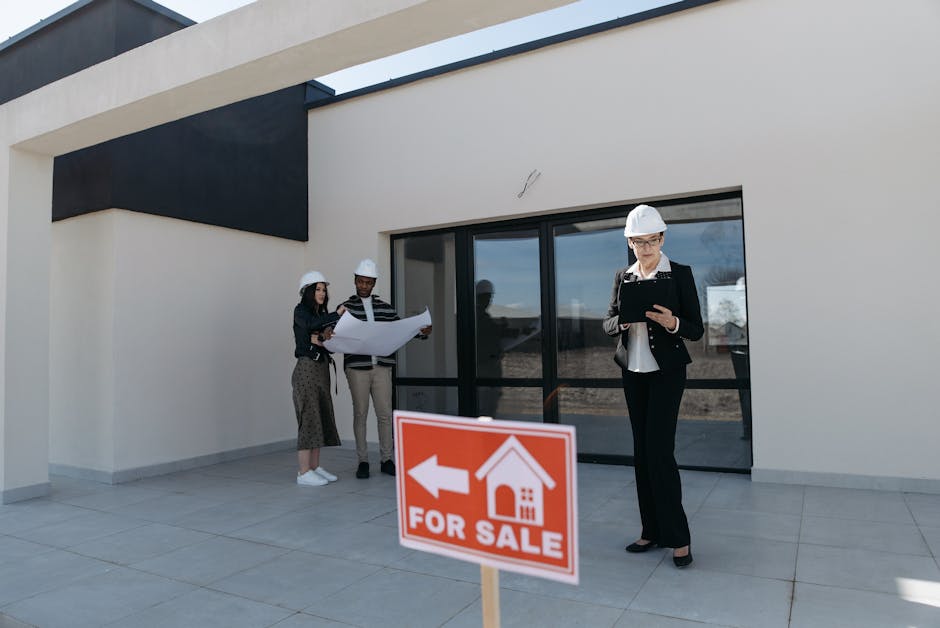
That matters in Tampa because product varies sharply by neighborhood. A waterfront house in Davis Islands solves a different problem than a newer residence in Sunset Park, a renovated traditional in Palma Ceia, or a larger estate footprint in Avila. They may sit in a similar price band, yet they perform differently on privacy, flood exposure, commute friction, lot utility, and long-term appeal.
For serious buyers, the practical question is not whether a property is attractive. It is whether the asking price is supported by location, build quality, daily livability, and likely resale depth. That is the frame we use with clients when narrowing a short list in Tampa.

Start with neighborhood fit, not square footage
In luxury real estate, location is still the first filter, but in Tampa that means more than a map pin. South Tampa neighborhoods trade on different forms of value. Bayshore and Hyde Park offer immediate access to dining, clubs, and established streetscapes. Beach Park and Sunset Park often appeal to buyers prioritizing larger lots, more separation, and a polished residential feel. Davis Islands carries a strong identity and waterfront prestige, while Avila serves buyers who want gates, golf adjacency, and a more insulated setting.
Buyer behavior in Tampa often clusters around convenience and predictability. Some households want to be within a short drive of the airport, downtown meetings, and a private school run. Others are willing to trade some centrality for a newer home, deeper lot, or quieter setting. Those are not cosmetic preferences. They directly affect how often a home is used as intended and how broad the buyer pool will be later.
Recent coverage has reinforced the strength of the region’s top-end demand, especially around trophy and waterfront properties. Reports from the Tampa Bay Times and the National Law Review point to the same reality we see on the ground: buyers will pay for scarcity, but only when the asset is clearly differentiated.
Waterfront, new construction, and renovation quality deserve separate analysis
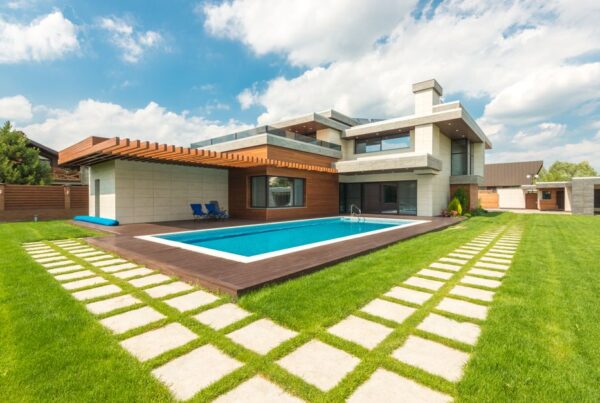
Luxury buyers in Tampa are often comparing three very different asset types at once: legacy waterfront homes, newer infill construction, and renovated established properties. They should not be judged by the same checklist. A waterfront home may command a premium because replacement is difficult and views are finite. A newly built home may justify pricing through modern systems, efficient layouts, and cleaner insurance conversations. A renovated older residence can win on charm and location, but only if the work is coherent and not merely surface level.
This is where buyers need discipline. New cabinetry, imported stone, and a dramatic staircase photograph well, but they do not answer the most important questions. Who built the house? How recent are the roof, windows, mechanicals, and seawall, if relevant? Is the floor plan genuinely usable for how affluent households live now, including privacy between primary and guest spaces, quiet work areas, storage, and outdoor flow?
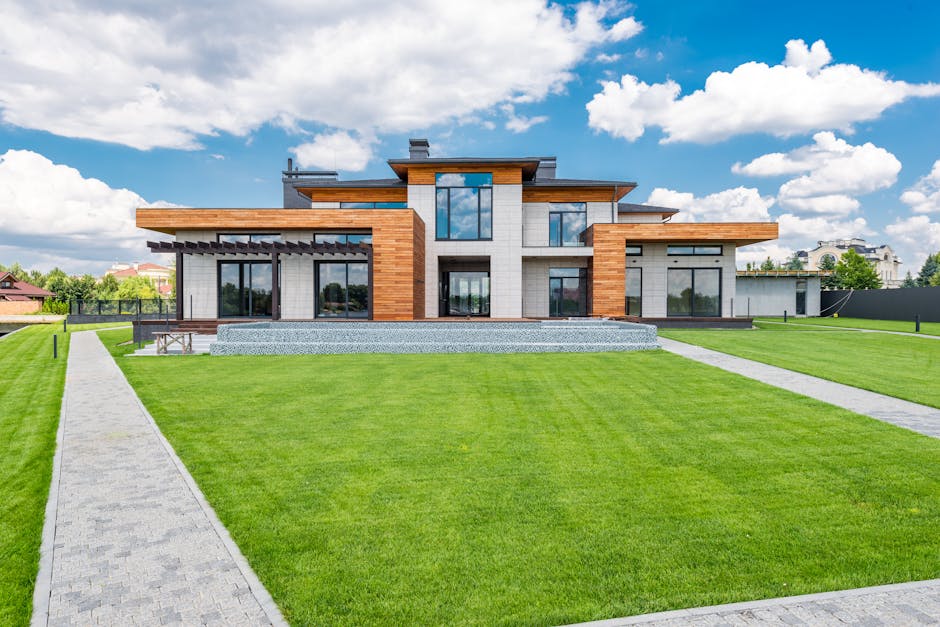
Design direction also matters more than many sellers expect. The market has become more selective about finishes that feel overdone or interchangeable. That is consistent with broader luxury buyer preferences noted by Mansion Global. In Tampa, that shows up in buyer preference for cleaner architecture, better natural light, restrained materials, and outdoor spaces that feel intentional rather than crowded with features.
What to verify before you move from interest to intent
Once a property reaches the serious short list, the evaluation should become more technical. Tampa buyers at this level are usually not looking for more volume of information; they want the right information in the right order. The goal is to identify whether the premium is being driven by durable value or temporary presentation.
The simplest way to stay disciplined is to compare every contender against the same decision points:
- Confirm flood zone, elevation context, drainage history, and insurance implications through official sources such as FEMA.
- Verify lot dimensions, prior sales, and property record details with the Hillsborough County Property Appraiser.
- Review the age and condition of roof, windows, HVAC, seawall, dock, pool systems, and generator if the home is marketed as turnkey.
- Compare the block, traffic pattern, and immediate adjacency, not just the broader neighborhood name.
- Test the floor plan against real use: arrival, guest privacy, outdoor entertaining, storage, staff or service access, and garage practicality.
- Measure resale depth by asking which future buyer profile would most likely compete for the home.
That process keeps emotion in the right place. Buyers should absolutely respond to architecture and feel, but they should not pay a premium for unresolved physical risk, compromised placement, or flashy improvements that will date quickly.
Market movement inside Tampa is not uniform
One of the most common mistakes in the luxury segment is treating Tampa as a single market. It is not. Waterfront inventory behaves differently than interior lots. New construction townhomes appeal to a different buyer than large single-family estates. Land trades on future potential, while finished homes trade on immediacy and execution. Even within South Tampa, pricing confidence can change materially from one pocket to the next based on school preference, tree canopy, street character, and access patterns.
That is why a headline about the region is useful only if it is translated into local implications. When additional high-end product comes to market elsewhere in the broader Gulf Coast corridor, such as the development activity noted in recent regional coverage from The Business Journals, it can influence buyer expectations around newness and finish quality, even if it does not compete directly with core Tampa neighborhoods. At the same time, new listings such as the recently reported South End townhome offering can sharpen comparison points for buyers weighing lock-and-leave convenience versus larger detached homes.
We also watch local lifestyle signals because they affect how buyers experience place after closing. Active weekends, downtown programming, and cultural traffic matter more than many out-of-market buyers realize. Sources such as That's So Tampa and FOX 13 Tampa Bay are useful reminders that buying in Tampa is partly a real estate decision and partly a rhythm-of-life decision.
Use list price as a clue, not a verdict
In a market where the median luxury ask sits below the average, outlier pricing matters. It usually signals one of two things: either a property is truly rare, or the seller is pricing against aspiration rather than evidence. Buyers should stay open to both possibilities. Some homes deserve a premium because the lot, view corridor, architecture, and condition align in a way that is difficult to replicate. Others simply carry expensive finishes on an ordinary site.
This is where example listings help frame the spread. A home offered around $2.65 million will be judged very differently from one at $3 million or $3.8 million, even if all three are broadly described as luxury. At higher price points, buyers become less forgiving about compromise. They expect stronger architecture, cleaner execution, better outdoor composition, and fewer deferred decisions after closing.
For sellers, the implication is equally clear. Presentation still matters, but premium buyers are not buying staging alone. They are buying confidence. The homes that perform best are usually the ones where the narrative, condition, and placement all support the same price logic.
The right Tampa purchase should still look disciplined five years from now
Affluent buyers rarely regret paying for the right asset. They do regret paying full luxury pricing for a home that was merely convenient in the moment. In Tampa, that means stepping back from novelty and asking harder questions about permanence: Is the street enduring? Will the design age well? Is the house difficult to replace? Will the next serious buyer understand the value quickly?
That is the standard we recommend. If a property clears it, buyers can move decisively. If it does not, patience is often the better strategy, especially when there is enough active inventory to stay selective. Sophisticated buying is not about endless hesitation. It is about knowing exactly what deserves conviction.
When you are ready to compare opportunities with that level of discipline, start by reviewing our current luxury homes for sale in Tampa, then contact an advisor for a private, candid evaluation of the homes, streets, and tradeoffs that actually fit your brief.
Your next move in Tampa luxury
Get current inventory, pricing guidance, and private-tour support from our brokerage team.
Source highlights
- Sarasota developer proposes 300 single-family homes in Lakewood Ranch – The Business Journals
- Newly Built Luxury Townhome in Tampa's South End Hits Market – National Today
- Tampa Bay’s most expensive luxury home sales of 2025 – Tampa Bay Times
- Tampa Bay’s Waterfront Emerges as a Primary Luxury Real Estate Market – The National Law Review
- Carbon-Copy Luxury Is Out. These Are the Design Touches Winning Home Buyers Over. – Mansion Global
- Florida Trend Real Estate – Florida Trend
- Things To Do In Tampa This Weekend: Best Festivals & Events Going On – That's So Tampa
- Things To Do In St Pete This Weekend: Best Festivals & Events Going On In St Petersburg – I Love the Burg