The Evolution of Tampa’s Luxury Corridor
The current landscape of the Tampa luxury market reflects a significant shift from generic high-end offerings to highly specialized residential assets. As of this cycle, the inventory of 120 active luxury properties demonstrates a median list price of $2,498,800, with the average hovering closer to $3,270,412. This disparity indicates a thinning middle market and a concentration of value in properties that offer specific architectural integrity or rare geographic positioning. Sophisticated buyers are moving away from standard floor plans in favor of sites that provide long-term utility and capital preservation.
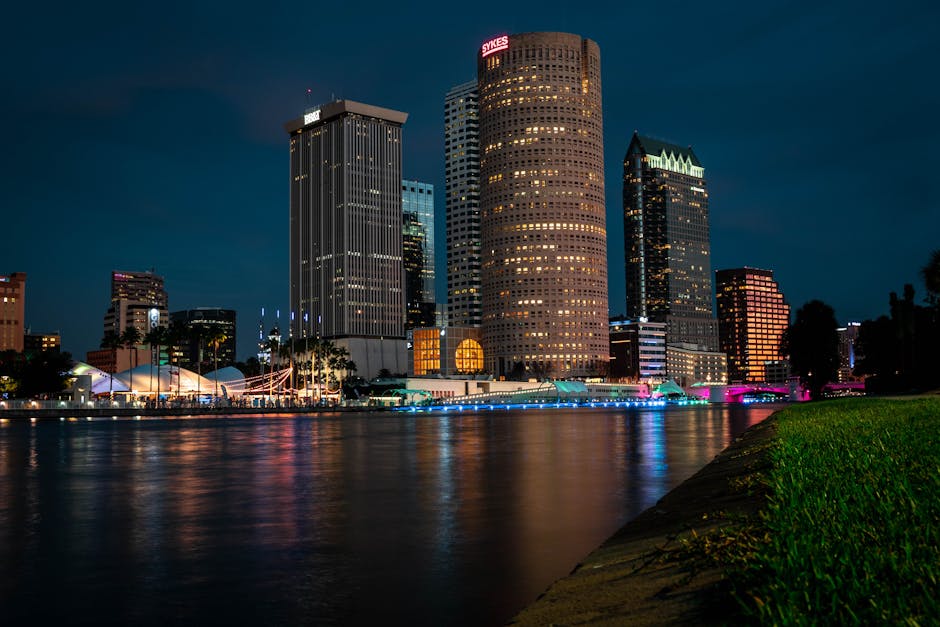
The emergence of the waterfront as a primary luxury market has redefined the city’s coastal perimeter. According to research published by The National Law Review, Tampa Bay’s shoreline is no longer just a recreational backdrop but a critical driver of institutional-grade residential value. We are seeing a notable migration of capital toward neighborhoods that offer private deep-water access without the density issues found in older, more established corridors. This movement is particularly visible in areas where legacy estates are being replaced by modern structures designed to withstand evolving environmental standards while maximizing aesthetic appeal.
Identifying value in this environment requires a departure from traditional metrics. It is no longer sufficient to evaluate a property based on square footage alone; instead, one must consider the scarcity of the lot, the quality of the building envelope, and the historical performance of the specific sub-neighborhood. Our current internal data suggests that properties priced above the $3.5 million mark, such as those found on Memorial Highway or Gardner Road, are maintaining their price floors due to their unique configurations and limited supply. To understand the full scope of available inventory, buyers should regularly monitor current Tampa luxury listings to gauge real-time movement.
Neighborhood Specifics: From Bayshore to the South End
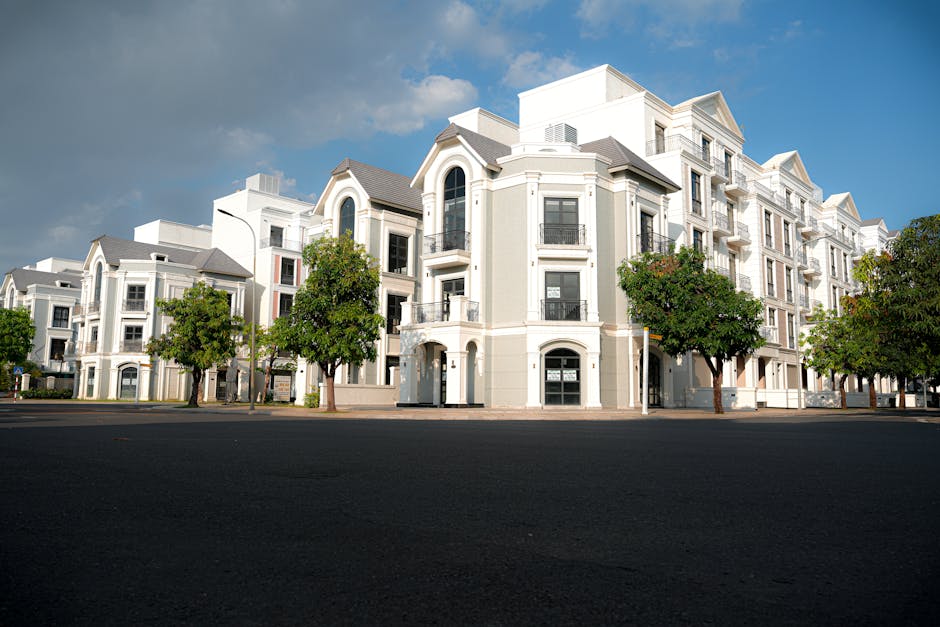
Neighborhood-level implications remain the most reliable predictor of asset appreciation. While Bayshore Boulevard remains the symbolic heart of the luxury sector, we are observing a pivot toward the South End and South Tampa’s interior pockets. Recent market activity, including the listing of newly built luxury townhomes in the South End, suggests that high-density luxury is gaining traction among buyers who prioritize walkability and proximity to the city’s evolving commercial hubs. This trend is a response to the increased demand for low-maintenance primary residences that do not sacrifice the finishes associated with sprawling estates.
Data from The Tampa Bay Times regarding the most expensive sales of the previous year highlights a recurring theme: buyers are willing to pay a significant premium for turnkey properties in neighborhoods with high barriers to entry. Areas like Davis Islands and Culbreath Isles continue to command top-tier pricing, but the real movement is happening in the secondary luxury rings. Here, the focus is on consolidating multiple lots or securing properties with wide water views that were previously overlooked. This strategy is particularly effective for long-term holders looking to build multi-generational equity in a land-constrained market.
The distinction between ‘lifestyle’ purchases and ‘investment’ purchases is blurring. Buyers are increasingly analytical, scrutinizing neighborhood density and future development pipelines before committing to an acquisition. This is particularly relevant as developers look toward adjacent regions for expansion. For instance, the proposal for 300 single-family homes in nearby Lakewood Ranch, as reported by The Business Journals, signals a broader regional growth that indirectly supports Tampa’s core luxury values by expanding the professional population and increasing regional demand for high-end services and retail.
The Departure from Carbon-Copy Design Standards
Aesthetic fatigue has become a tangible factor in the local market. The era of the ‘spec-built’ Mediterranean mansion is being replaced by a demand for highly curated, individualistic design. Buyers are increasingly rejecting the ‘carbon-copy’ luxury that dominated the early 2000s. As noted by Mansion Global, the design touches currently winning over buyers involve authentic materials, integrated technology that remains invisible, and floor plans that prioritize privacy over performative scale. The focus has shifted from the ‘grand foyer’ to the ‘private sanctuary.’
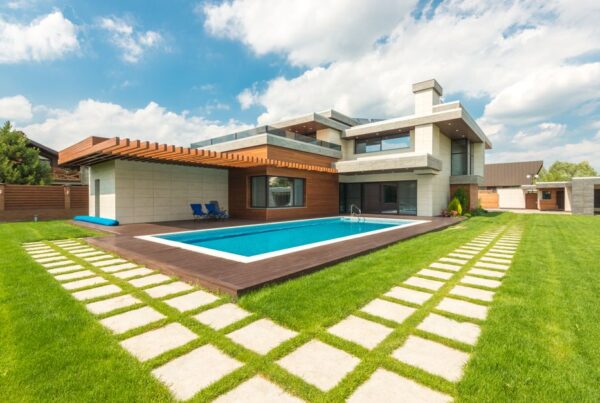
In the Tampa context, this manifests as a preference for coastal modernism and organic contemporary styles. We are seeing a move away from heavy stone and dark woods toward lighter palettes, floor-to-ceiling glass, and indoor-outdoor transitions that utilize the local climate. This design shift is not merely a matter of taste; it is a response to how affluent buyers actually live today. The home is now a multi-functional hub where wellness rooms, professional-grade kitchens, and secure home offices are non-negotiable requirements rather than optional upgrades.
Furthermore, the quality of construction is under greater scrutiny than ever before. Savvy advisors are guiding clients toward builders who prioritize structural resilience and energy efficiency. The inclusion of high-performance glass, reinforced roofing systems, and advanced climate control is becoming a standard expectation. When comparing properties, it is essential to look beyond the surface finishes and evaluate the underlying infrastructure. A property that combines architectural distinction with robust engineering is the asset most likely to maintain its value through various market cycles.
Due Diligence for High-Value Acquisitions
Acquiring a luxury asset in Tampa requires a structured approach to due diligence that extends beyond the standard home inspection. The following checklist outlines the critical areas of focus for the modern buyer:
- Verification of shoreline stabilization and seawall integrity for all waterfront properties.
- Analysis of neighborhood-level development restrictions and future zoning changes.
- Assessment of historical insurance premiums and current flood elevation certifications.
- Audit of smart-home integration systems and their long-term compatibility.
- Evaluation of the property’s ‘privacy profile’ in relation to neighboring structures.
- Review of builder warranties and historical maintenance records for newer constructions.
Each of these points represents a potential risk or opportunity for value creation. For example, a seawall that requires immediate repair can be a significant negotiation lever, while a property with superior privacy and mature landscaping may justify a higher price point than a comparable home on a more exposed lot. Understanding these nuances is what separates a successful acquisition from a costly mistake.
Regional Dynamics and the Lifestyle Influence
The Tampa luxury market does not exist in a vacuum; it is heavily influenced by the cultural and economic vitality of the surrounding region. The connectivity between Tampa and St. Petersburg has created a unified luxury corridor that offers diverse lifestyle options. For many buyers, the decision to purchase in Tampa is driven as much by the local events and cultural offerings as it is by the real estate itself. Whether it is the festivals highlighted by That’s So Tampa or the artistic growth seen in St. Pete, the regional appeal is a constant driver of new residents.
This regional synergy is evident in the way luxury buyers spend their time. The proximity to high-end dining, professional sports, and world-class entertainment centers creates a compelling case for Tampa as a primary residence. We are seeing an increase in ‘dual-city’ living, where residents maintain properties in both Tampa and nearby coastal enclaves to take advantage of different seasonal events. This lifestyle flexibility is a key component of the region’s long-term appeal and contributes to the stability of the local housing market.
According to reports from Florida Trend, the real estate sector across the state remains a primary engine of economic growth, with Tampa Bay leading many of the metrics for net migration and wealth relocation. This influx of new capital supports the development of new infrastructure and luxury amenities, further cementing the city’s status as a top-tier destination. For those currently evaluating the market, the breadth of regional activity provides a reassuring backdrop for significant capital allocation.
Market Velocity and Inventory Constraints
With only 120 active luxury listings currently available, the market is characterized by a high degree of selectivity. This limited inventory creates a competitive environment for properties that meet the modern buyer’s criteria. However, it also leads to longer days-on-market for homes that are overpriced or outdated. The current average list price of over $3.2 million reflects a market that is leaning into its high-end identity, but it also necessitates a more disciplined approach to pricing and negotiation.
Buyer behavior has shifted toward a preference for move-in ready assets. The rising costs of labor and materials, combined with the time required for major renovations, have made turnkey properties highly desirable. Homes that have already been updated with the design touches mentioned previously—such as those found in current South Tampa developments—are seeing faster turnover and closer-to-ask sales. Conversely, properties that require significant capital expenditure are being scrutinized for their land value first and their structure second.
For sellers, the strategy must be centered on presentation and data-backed pricing. In a market where buyers are highly analytical, an emotional pitch is less effective than a clear demonstration of value. For buyers, the key is to remain patient but decisive. When a property that checks all the boxes—location, design, and structural integrity—becomes available, the window of opportunity is often narrow. Monitoring market movement and staying informed on the latest trends is the only way to ensure success in this competitive landscape.
Strategic Positioning and the Path Forward
The Tampa luxury market in 2026 is defined by a flight to quality. As the city continues to mature into a global destination, the standard for what constitutes a luxury asset will only continue to rise. For the informed buyer, this presents an opportunity to acquire residences that offer both an exceptional quality of life and a robust investment profile. Success in this market requires a combination of neighborhood-level intelligence, a keen eye for design, and a disciplined approach to due diligence. By focusing on scarcity, structural integrity, and authentic architectural expression, one can navigate the current inventory with confidence and precision. To begin your search or to discuss a specific property in detail, we invite you to browse our current curated listings and contact a private advisor for a confidential consultation on your next acquisition.
Your next move in Tampa luxury
Get current inventory, pricing guidance, and private-tour support from our brokerage team.
Source highlights
- Sarasota developer proposes 300 single-family homes in Lakewood Ranch – The Business Journals
- Newly Built Luxury Townhome in Tampa's South End Hits Market – National Today
- Tampa Bay’s most expensive luxury home sales of 2025 – Tampa Bay Times
- Tampa Bay’s Waterfront Emerges as a Primary Luxury Real Estate Market – The National Law Review
- Carbon-Copy Luxury Is Out. These Are the Design Touches Winning Home Buyers Over. – Mansion Global
- Florida Trend Real Estate – Florida Trend
- Things To Do In Tampa This Weekend: Best Festivals & Events Going On – That's So Tampa
- Things To Do In St Pete This Weekend: Best Festivals & Events Going On In St Petersburg – I Love the Burg