


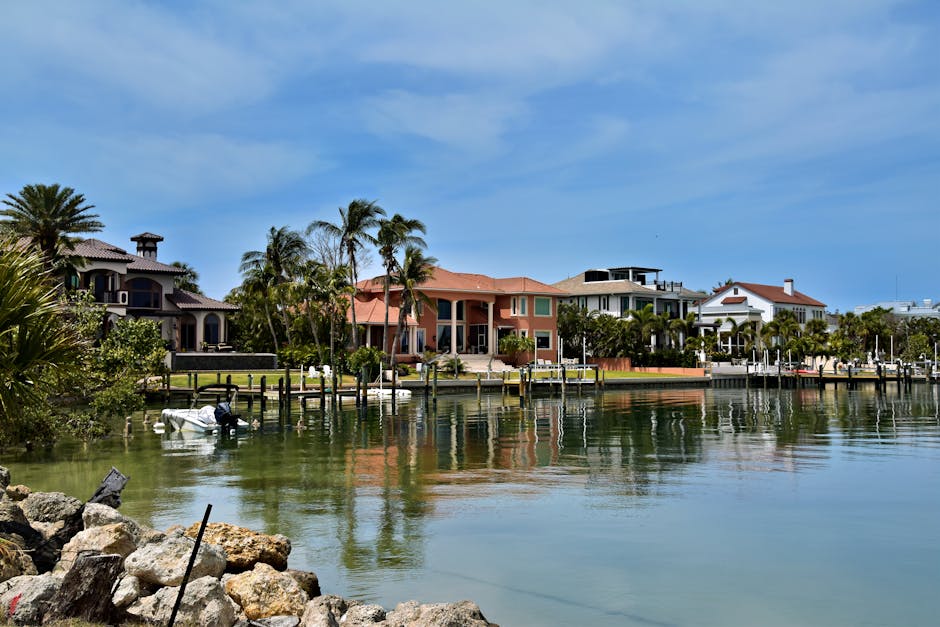
Benchmarking the Upper Bound of the Residential Market
The Tampa luxury sector is currently navigating a significant transition from a high-growth emerging market to a matured global destination. This shift is most visible in the recent pricing strategies for flagship vertical developments. The listing of a $45.5 million penthouse at the Pendry Tampa signals a new ceiling for local valuations, forcing buyers to reconsider what constitutes a standard premium. While such trophy assets are outliers, they provide a benchmark that influences the appraisal of surrounding estates in areas like Davis Islands and Harbor Island.
For the sophisticated buyer, these figures represent more than just price appreciation; they indicate a structural change in the demand for service-oriented living. The influx of high-net-worth individuals from established financial hubs is driving a requirement for integrated wellness facilities, private elevators, and concierge-level security that was previously reserved for markets like Miami or New York. Consequently, we are seeing a decoupling of price from simple square footage, as value is increasingly attributed to these intangible lifestyle services and technological integrations.
As we analyze the 120 active luxury listings currently on the market, the median list price of approximately $2,498,800 reflects a stabilization that favors the disciplined participant. The gap between the median and the average list price—which sits significantly higher at over $3.2 million—suggests a concentration of value in ultra-premium properties that demand rigorous due diligence. Understanding the nuance between a priced-to-market estate and an aspirational listing is the primary challenge for modern investors in this cycle.
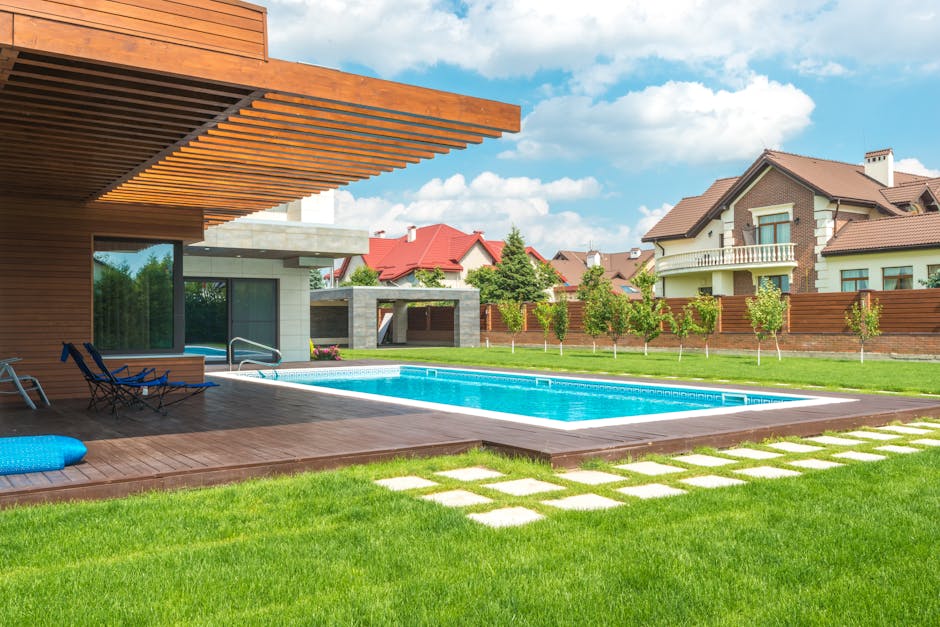
The Infrastructure of Privacy and Modern Estate Standards
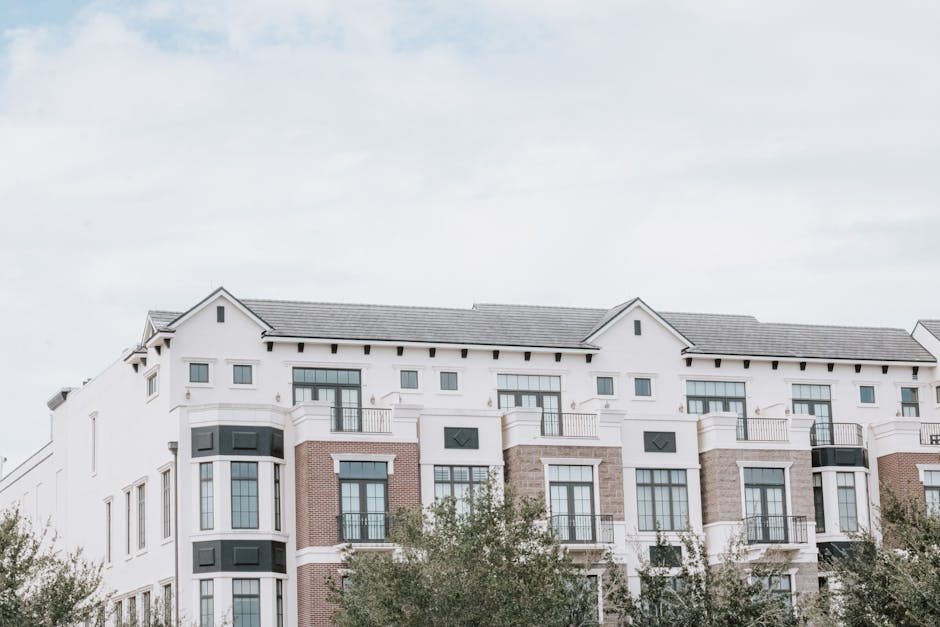
Construction standards in South Tampa and the surrounding enclaves have evolved rapidly to meet stringent weather resiliency and aesthetic expectations. We are seeing a move away from generic Mediterranean revivals toward a more restrained, modern architectural language that emphasizes indoor-outdoor fluidity. This is particularly evident in the newly built luxury townhomes in Tampa’s South End, where developers are prioritizing vertical density without sacrificing the high-end finishes expected in a primary residence. These properties often feature reinforced masonry, high-impact glazing, and advanced moisture-barrier systems that are critical for long-term asset protection.
Privacy remains the ultimate currency for the local elite. Buyers are increasingly looking toward properties like those found on Troutwater Lane or Gardner Road, where larger lot sizes and natural buffering provide a level of seclusion that is becoming harder to find in the dense urban core. The behavior of the current buyer is analytical; they are not just looking at the kitchen finishes but are investigating the elevation of the lot and the quality of the surrounding infrastructure. This trend toward “invisible luxury”—where the value lies in the engineering and the location rather than overt ornamentation—is a hallmark of the maturing Tampa buyer.
Furthermore, the diversification of property types is expanding the definition of a luxury investment. While residential estates remain the priority, there is a growing interest in commercial sale opportunities and land acquisitions in adjacent areas like Lakewood Ranch, where Sarasota developers are proposing large-scale residential projects. This regional growth adds a layer of economic stability to the Tampa core, as the entire corridor becomes a contiguous hub of wealth and development.
Waterfront Dynamics and the Bayshore Corridor
Waterfront assets continue to command the highest premiums, but the criteria for valuation have become more specific. Access to deep water, the condition of the seawall, and the proximity to the open bay are non-negotiable factors that determine whether a property will hold its value through market fluctuations. Looking back at Tampa Bay’s most expensive luxury home sales of 2025, we see a clear pattern: properties that offer unobstructed views combined with modern smart-home infrastructure consistently outperform the broader market. These sales are not driven by impulse but by meticulous comparisons of utility and rarity.
The Bayshore Boulevard corridor remains the gold standard for prestige, yet savvy advisors are noticing a migration toward Beach Park and Culbreath Isles. These neighborhoods offer a different value proposition: wider lots and gated entries that provide a buffer from the public activity found on the linear park of Bayshore. As the city grows, the distinction between a “public-facing” luxury estate and a “private retreat” becomes more pronounced. Navigating this choice requires an understanding of how the city’s traffic patterns and event schedules affect daily life in these high-traffic luxury zones.
To accurately assess a waterfront property, one must look beyond the immediate visual appeal. We recommend reviewing the current inventory of luxury homes for sale to compare dockage capabilities and riparian rights across different neighborhoods. A property that accommodates a larger vessel or offers a more protected slip can often justify a 15-20% premium over a neighboring home with restricted water access. This level of detail is what separates a successful acquisition from a simple purchase.
Due Diligence Checklist for High-Value Acquisitions
When evaluating a multi-million dollar asset in the current Tampa climate, the following technical and environmental factors must be verified before proceeding to contract. These elements are the foundation of a sound investment in the 2026 market.
- Verification of structural elevation and compliance with the most recent FEMA flood map revisions.
- Assessment of smart-home integration longevity, specifically the scalability of existing automation hubs.
- Inspection of the seawall and dock infrastructure by a specialized marine engineer, including depth sounding.
- Review of recent neighborhood sales data to distinguish between artificial price spikes and organic growth.
- Evaluation of nearby commercial developments and their projected impact on local traffic and privacy.
- Analysis of the property’s historical maintenance records, focusing on HVAC systems and moisture control.
This checklist serves as a starting point for a comprehensive evaluation. Each property carries unique variables—ranging from historic preservation restrictions in Hyde Park to the complexities of new construction warranties in Westchase. Our role is to ensure that no stone is left unturned during the inspection period, providing you with a clear picture of the property’s long-term viability.
Urban Connectivity and the Influence of Cultural Capital
The value of a luxury residence in Tampa is increasingly tied to its proximity to the city’s expanding cultural and social infrastructure. The maturation of Water Street and the ongoing revitalization of the Downtown core have created a new ecosystem where residents can enjoy high-end dining and entertainment within a short radius. This connectivity is a major draw for the modern buyer who seeks the privacy of a South Tampa estate without the isolation often found in traditional suburban enclaves. Tracking the best festivals and events in Tampa provides insight into the lifestyle patterns that drive demand in these urban-adjacent neighborhoods.
We are seeing a specific behavioral trend where buyers prioritize properties that offer “lock-and-leave” convenience combined with estate-level finishes. This is not limited to high-rise condominiums; it also includes the growing market for high-end townhomes and detached villas that feature low-maintenance landscaping and robust security. For many affluent residents, the ability to attend a concert at the Straz Center or a gala at the Tampa Museum of Art within minutes is a non-negotiable component of their housing search. The luxury market is no longer just about the house; it is about the access it provides to the city’s finest experiences.
This cultural proximity also has a measurable impact on resale value. Properties located within a ten-minute transit radius of the city’s primary event hubs have historically shown greater price resilience during market contractions. As Tampa continues to attract major sporting events and international conventions, the demand for these well-connected luxury nodes will only increase. Investors should consider the long-term roadmap of city infrastructure projects as a key indicator of future neighborhood desirability.
Navigating the 2026 Inventory Landscape
With 120 luxury properties currently active, the market offers a healthy level of choice, yet the most desirable homes are often transacted off-market or within a very short window of public listing. The current average list price of $3,246,429 reflects the high concentration of new construction and renovated estates that have recently come online. For buyers, this means that negotiation leverage is highly dependent on the property’s unique attributes rather than broad market trends. A property with a rare double lot or a historic designation in a prime neighborhood will still command a premium, regardless of interest rate environments.
Current buyer behavior suggests a move toward “move-in ready” assets. The rising cost of high-end materials and the scarcity of specialized labor have made extensive renovations less appealing to the upper-tier buyer. Most are willing to pay a significant premium for a home that has been professionally curated and requires no immediate capital expenditure. This is a crucial takeaway for sellers: investing in high-quality updates before listing is often the difference between a multi-month marketing period and a swift, clean contract. The analytical buyer is looking for a seamless transition into their new environment.
As an advisor, our focus is on identifying the delta between a property’s list price and its intrinsic value. This involves a deep dive into historical sales, architectural significance, and potential for future appreciation. The Tampa market is no longer a monolith; it is a collection of micro-markets, each with its own set of rules. Whether you are looking at a Mansion Global-featured estate or a quiet listing in Beach Park, the goal remains the same: ensuring your capital is deployed into an asset that offers both lifestyle fulfillment and long-term security.
The current landscape of the Tampa luxury market requires a balanced approach of patience and decisiveness. While inventory levels provide options, the competition for truly unique assets remains high among informed buyers. Success in this environment is built on data-backed insights and a clear understanding of neighborhood-level implications. We invite you to explore our curated selection of current listings or contact an advisor to discuss your specific requirements and receive a private briefing on off-market opportunities available today.
Your next move in Tampa luxury
Get current inventory, pricing guidance, and private-tour support from our brokerage team.
Source highlights
- Undisclosed Address, Tampa, US – Luxury Real Estate Listings for Sale – Mansion Global
- Newly Built Luxury Townhome in Tampa's South End Hits Market – National Today
- Sarasota developer proposes 300 single-family homes in Lakewood Ranch – The Business Journals
- Tampa Bay’s most expensive luxury home sales of 2025 – Tampa Bay Times
- Pendry Tampa lists $45.5M penthouse, testing luxury market – Tampa Bay Business & Wealth
- New Signature Real Estate Team Emerges Across Tampa Bay: The Nick Janovsky Group Launches with Premier Sotheby’s International Realty – citybiz
- Things To Do In Tampa This Weekend: Best Festivals & Events Going On – That's So Tampa
- Tampa weekend events: Concerts, festivals and downtown family fun — What to know before you go – FOX 13 Tampa Bay



