


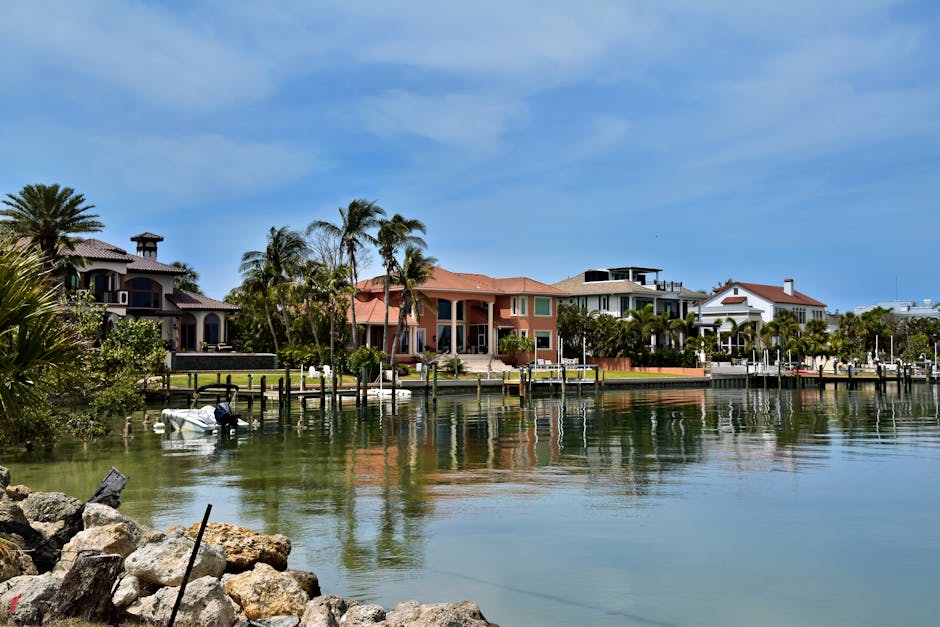
A Practical Way to Navigate Tampa’s Premium Market in 2026
Navigating Tampa’s premium real estate market in 2026 requires more than a saved search and a rough budget. The city offers real variety at the top end, but that variety can mislead buyers who assume that every seven-figure listing solves the same problem. In Tampa, the right purchase depends on whether you need water access, South Tampa school convenience, a low-maintenance urban residence, or long-term redevelopment upside. Without that clarity, it is easy to spend time on homes that look impressive online but do not match the way you actually plan to live.
The smartest way to approach this market is to move through it in stages. First define the lifestyle and risk profile you want. Then narrow the neighborhoods. Then compare the real ownership burden of each option. Only after that should you worry about negotiating style or interior finishes. That order matters because Tampa’s luxury market looks much simpler on a listing portal than it does once you begin pricing insurance, dues, marine maintenance, traffic patterns, and future resale flexibility.
Step 1: Choose the Right Luxury Category Before You Choose the House
Most premium buyers in Tampa are really shopping one of four categories, even if they do not say it that way at the start.
- Waterfront legacy homes: best for buyers prioritizing boating, views, privacy, and long-term prestige.
- South Tampa family-focused homes: best for households prioritizing schools, routines, clubs, and a traditional luxury neighborhood feel.
- Urban luxury condos and branded residences: best for buyers who want security, services, travel ease, and less maintenance.
- Lot-value or redevelopment plays: best for buyers who care more about location and future build potential than immediate perfection.
If you skip this step, you end up comparing unlike assets. A Davis Islands waterfront home, a Sunset Park interior-lot renovation, and a Pendry-adjacent residence should not be judged by the same scorecard. They deliver different lifestyles, different cost structures, and different exit options. If you need neighborhood-specific context, our guides to Davis Islands, Sunset Park, and Pendry and the downtown luxury corridor are the right next stops.
Step 2: Build a Neighborhood Shortlist Based on Daily Use, Not Just Prestige
One of the easiest mistakes in Tampa luxury is choosing a neighborhood because it sounds elite instead of because it works for your real life. Prestige matters, but lifestyle friction matters too. For a primary residence, the commute to downtown, access to Tampa International Airport, school runs, marina use, and simple day-to-day traffic patterns can shape your experience just as much as the architecture of the house.
For example, a boating-oriented buyer may gladly accept the tradeoffs that come with a premium waterfront address because dock utility and open-water access drive the whole purchase decision. A relocating family may care more about a polished South Tampa block, school access, and a predictable weekday rhythm. A seasonal owner or executive with frequent travel may prioritize concierge support, building security, and low-maintenance ownership near the urban core. The point is not that one priority is better. The point is that Tampa’s best luxury neighborhoods only feel “best” when matched to the right use case.
Step 3: Underwrite the Real Cost of Ownership Early
In 2026, premium buyers should price the full carrying cost of a property before they get emotionally attached. Purchase price alone tells too little. Tampa properties can vary sharply once you account for flood and wind exposure, roof age, maintenance posture, dock or seawall upkeep, HOA or condo fees, and the near-term capital work a house or building may require.
A house that looks like a bargain against nearby comps may be less compelling once you model the insurance structure honestly. A condo that feels effortless may lose some appeal if reserves look thin or a major building project is likely. A redevelopment opportunity may pencil differently after you account for timing, permitting, demolition, and construction carry. High-end buyers make better decisions when they compare all three numbers together:
- the acquisition cost,
- the annual ownership burden,
- and the likely future saleability of the specific asset.
This is also where Tampa local knowledge matters. Two homes with similar photography and similar asking prices can produce very different ownership experiences over the next five years.
Step 4: Inspect for Tampa-Specific Risk, Not Just Generic Condition
Luxury buyers should absolutely care about design, finishes, and layout. But in Tampa, the better question is often how the home performs rather than how it photographs. Waterfront and near-water homes need deeper review around elevation, drainage, dock condition, marine infrastructure, and storm-readiness features. Older homes in premium neighborhoods need careful attention to permits, major system updates, and whether the renovation quality matches the seller’s pricing story.
Condo buyers have a different diligence path. They should review building reserves, upcoming assessments, management quality, amenity maintenance, and the long-term competitiveness of the building in a market that is adding more luxury vertical product. A beautiful unit inside a poorly positioned building is not the same asset as a merely nice unit inside a very well-run building with durable demand.
A good Tampa premium-property diligence list usually includes:
- roof age and wind-mitigation features,
- flood exposure and drainage strategy,
- dock, lift, seawall, and waterfront maintenance history where relevant,
- permit history for renovations and additions,
- mechanical-system age and generator capability,
- association financial health for condos and townhomes,
- future privacy risk from nearby redevelopment.
Step 5: Adjust Your Offer Strategy to the Asset, Not the Hype
Tampa buyers in 2026 do best when they separate rare product from merely expensive product. Rare product deserves speed. If a property offers an exceptional lot, a hard-to-replace location, and clean diligence characteristics, hesitation can be costly. But many premium listings are not truly rare. They are just highly visible, well photographed, or priced aspirationally. In those cases, patience is often the better move.
Your offer strategy should reflect what kind of asset you are buying. Waterfront trophy homes, best-in-class South Tampa inventory, and certain urban luxury residences may justify fast, clean terms. Properties with design compromises, elevated carrying costs, dated infrastructure, or weaker micro-location should invite more negotiation discipline. This is where local comparables help, but only if they are genuinely comparable in lifestyle and risk, not just in square footage.
Step 6: Use the Off-Market and Relationship Layer Wisely
At the premium end of the Tampa market, not every meaningful opportunity is obvious on public portals. Some sellers want discretion. Some buyers want to test the market quietly before formally listing. Some of the most useful deal intelligence comes from understanding which owners may be flexible, which builders are about to deliver, and which addresses are likely to be repositioned or repriced. That does not mean every great opportunity is hidden. It means the best version of the market is often wider than what a consumer search feed shows on any given day.
For buyers, this is another reason to use a relationship-driven search rather than a purely reactive one. It increases the chances of seeing the right product earlier and reduces the risk of overbidding simply because a public listing generated urgency.
Step 7: Think About the Exit Before You Buy the Entry
The final step in navigating Tampa premium real estate is to ask how the property will read to the next buyer, not just to you. The best luxury purchases are not only satisfying to own. They are also easy to explain at resale. Buyers should ask whether the house has enduring location strength, a usable floor plan, believable maintenance history, and a demand profile that will still make sense in a few years. The same principle applies to condos: building reputation, fee structure, unit livability, and long-term competitiveness all affect the exit.
This is especially important in a market where product types are diverging. A house may be beautiful but hard to resell if its location carries hidden friction. A condo may feel glamorous but face more competition as additional luxury inventory arrives. Thinking through the future buyer is not pessimistic. It is disciplined.
Bottom Line
The easiest way to navigate Tampa’s premium market in 2026 is to slow the process down at the beginning so you can move quickly when the right property appears. Define the lifestyle first, narrow to the right neighborhood, price true ownership honestly, inspect for Tampa-specific risk, and tailor your offer strategy to the actual quality of the asset. If you are ready to compare live options, start with our current luxury listings or contact our team for a more focused shortlist.
Navigate Tampa luxury with clearer criteria
We help buyers narrow the market by neighborhood fit, ownership burden, and long-term resale logic, not just by asking price.



