


Strategic Navigation of the South Tampa Scarcity Model
The Tampa luxury residential sector currently operates under a distinct scarcity model, particularly within the South Tampa corridor. While national trends might suggest a cooling period, the local inventory of high-end properties remains tightly held. With approximately 120 active luxury listings and a median list price holding steady near $2,498,800, the market demonstrates a significant disconnect from broader economic volatility. Buyers targeting established enclaves like Beach Park or Culbreath Isles are not merely purchasing a residence; they are securing a position in a finite geographical area where new construction lot availability is nearly exhausted.

For the sophisticated investor, the current environment requires a shift from broad market metrics to hyper-local data. We are seeing a trend where older structures on premier lots are being valued primarily for their land and location, with buyers opting for comprehensive teardowns to accommodate modern architectural standards. This movement is particularly evident in neighborhoods like Sunset Park and Belmar Gardens, where the transition from mid-century builds to contemporary estates is accelerating. Navigating this landscape necessitates a nuanced understanding of lot coverage ratios and local building codes that vary significantly from one block to the next.
Evidence of this sustained momentum is clear in recent reports from The Business Journals, which highlight that the Tampa Bay luxury market continues to grow stronger even as national figures show signs of decline. This resilience is anchored by a steady influx of high-net-worth individuals relocating from high-tax states, seeking the relative value and lifestyle continuity offered by the Florida Gulf Coast. This migration pattern is no longer a seasonal trend but a permanent shift in the regional demographic profile, reinforcing price floors across the $3 million to $5 million segment.

The Evolution of Waterfront as a Primary Residence Market
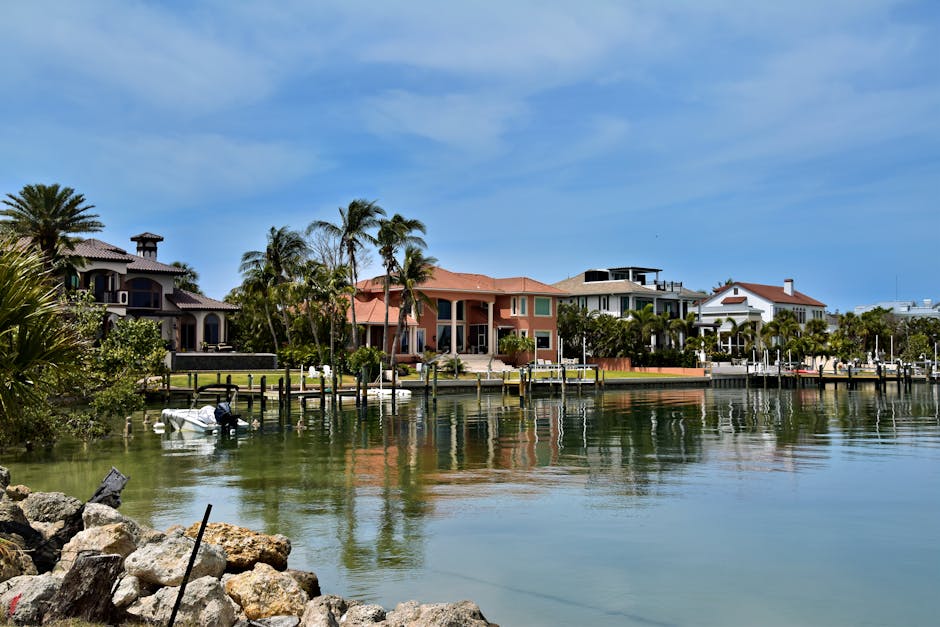
Historically, Tampa’s waterfront properties were often viewed through the lens of secondary or seasonal ownership. However, a fundamental shift has occurred. As noted by the National Law Review, Tampa Bay’s waterfront has emerged as a primary luxury real estate market. This transition is driven by infrastructure improvements and the proliferation of high-end amenities that support full-time residency. Davis Islands and Harbor Island remain the benchmarks for this trend, offering deep-water access alongside proximity to the urban core’s expanding professional and cultural hubs.
The valuation of waterfront assets now incorporates complex variables beyond simple square footage. Discerning buyers are prioritizing seawall integrity, riparian rights, and the elevation standards of new builds. The average list price of $3,253,065 across the luxury segment is often exceeded when properties feature direct, bridge-free access to the Gulf of Mexico. This specific sub-sector of the market operates on its own timeline, often detached from interest rate fluctuations, as transactions are frequently executed with significant liquidity or via sophisticated private financing structures that prioritize asset quality over carrying costs.
When evaluating these positions, it is critical to analyze the long-term viability of the specific shoreline. Properties on the open bay command a premium but also require more intensive maintenance and insurance considerations compared to canal-front homes. We advise clients to look beyond the aesthetic appeal and conduct rigorous due diligence on historical flood data and modern mitigation features. A property that incorporates reinforced concrete construction and high-impact glazing is not just a lifestyle choice; it is a defensive capital preservation strategy in a coastal environment.
Strategic Evaluation for High-Value Acquisitions
Before committing to a premium acquisition in the Tampa market, a structured evaluation process is mandatory. The complexity of local zoning, environmental regulations, and neighborhood-specific restrictions can significantly impact the long-term utility of a property. A sophisticated buyer must look past the staging and interior finishes to assess the underlying structural and legal framework of the asset. This is where the guidance of an experienced advisor becomes an essential component of the transaction lifecycle.
- Verify the elevation certificate and current flood zone designation to accurately project long-term insurance overhead.
- Inspect the structural integrity of seawalls and docks, specifically checking for cap spalling or tie-back failure in older installations.
- Audit the property’s compliance with local architectural review board standards, particularly in historic districts like Hyde Park.
- Evaluate the specific lot coverage and setback requirements to determine future expansion or renovation potential.
- Analyze the proximity to proposed municipal infrastructure projects that may impact traffic patterns or noise levels.
- Confirm the status of riparian rights and any shared utility easements that could restrict private enjoyment of the land.
Following this checklist ensures that the acquisition aligns with both lifestyle requirements and investment objectives. In a market where high-value sales are often publicized, such as those detailed by the Tampa Bay Times in their summary of 2025’s most expensive transactions, the difference between a sound purchase and an over-leveraged asset often lies in the details of the pre-contract investigation. Our role is to provide the analytical depth required to make these distinctions clear.
Navigating the Early-Stage Luxury Condominium Market
Tampa is currently in a unique phase of its urban evolution. Unlike established vertical markets like Miami or New York, Tampa is still considered an early-stage luxury condo market. This presents a window of opportunity for buyers who prefer the security and amenities of high-rise living but want to enter a market before it reaches full maturity. New developments along the Water Street corridor and the Bayshore Boulevard skyline are setting new records for price per square foot, yet they offer a level of integration and services previously unavailable in the region.
The appeal of vertical living in Tampa is increasingly tied to the ‘lock-and-leave’ lifestyle desired by global citizens. These buildings offer 24-hour concierge services, advanced security systems, and wellness facilities that rival private clubs. However, potential owners must evaluate the fiscal health of the condominium association and the long-term maintenance schedule of the building. In an early-stage market, the reputation of the developer and the quality of the initial build are the most reliable indicators of future resale performance. We focus our analysis on projects that prioritize structural longevity and timeless design over transient aesthetic trends.
Furthermore, the transition to high-density luxury is reshaping the surrounding neighborhood dynamics. Areas that were previously strictly residential are now benefiting from increased walkability and the introduction of world-class dining and retail options. This synergy between residential growth and commercial investment creates a compounding effect on property values. When assessing a condominium unit, we look at the broader master-planned vision of the area to ensure the surrounding infrastructure will continue to support the premium nature of the residence for decades to come.
Macroeconomic Stability and Regional Growth Drivers
The stability of the Tampa luxury market is not accidental; it is underpinned by robust regional growth and a diversifying economy. The presence of major corporate headquarters, a thriving healthcare sector, and a significant military presence at MacDill Air Force Base provide a solid foundation that insulates the area from industry-specific downturns. According to data from the U.S. Census Bureau, the Tampa-St. Petersburg-Clearwater metropolitan area consistently ranks among the top regions for net domestic migration, a key driver for sustained real estate demand.
Buyers should also consider the impact of local government initiatives on property values. Significant investments in public spaces, such as the expansion of the Tampa Riverwalk and the revitalization of the Westshore district, enhance the overall desirability of the city. These projects are often supported by the City of Tampa and private-public partnerships that ensure high standards of urban planning. This commitment to infrastructure is a critical component of the value proposition for high-end real estate, as it guarantees that the quality of life remains commensurate with the investment level.
Finally, the broader Florida economic landscape, as monitored by the Federal Reserve Bank of St. Louis, indicates that the state’s labor market and consumer spending remain resilient. For a luxury buyer, these indicators provide the confidence needed to move forward with large-scale acquisitions. The goal is to identify assets that will not only appreciate in value but also serve as a stable repository for capital in an increasingly unpredictable global economy. Our focus remains on identifying properties that offer this rare combination of utility and investment grade quality.
Infrastructure, Lifestyle, and Local Integration
Living in Tampa’s luxury tier involves more than just the home; it involves a seamless integration into the city’s unique cultural and social fabric. The region’s ability to host major events while maintaining a refined local atmosphere is a significant draw. For instance, the upcoming weekend features an array of activities from festivals to high-traffic events in the urban core, as reported by That’s So Tampa. This level of activity reflects a city that is ‘alive’ and growing, providing a dynamic backdrop for residents who value both privacy and engagement.
The convenience of local logistics also plays a major role in the luxury experience. Tampa International Airport continues to receive accolades for its efficiency and global connectivity, making it a vital asset for those with multi-city lifestyles. Proximity to elite private schools, world-class golf courses, and private yacht clubs further enhances the appeal of neighborhoods like Palma Ceia and Beach Park. When we advise clients, we take a holistic view of how a specific location will serve their daily needs, from commute times to the quality of nearby leisure facilities.
As we look toward the remainder of 2026, the trajectory of the Tampa luxury market remains positive. The combination of constrained supply, steady demand from affluent relocators, and a commitment to high-quality urban development creates a compelling case for acquisition. Whether you are looking for a historic estate in Hyde Park or a modern penthouse overlooking the bay, the key to success lies in disciplined analysis and a focus on long-term value. Our team is dedicated to providing the insight and expertise required to navigate this sophisticated market with confidence.
Navigating the complexities of a high-value real estate acquisition requires more than just a search engine; it demands the specialized knowledge of a dedicated advisor who understands the nuances of the Tampa landscape. From identifying off-market opportunities to conducting exhaustive due diligence on waterfront assets, we provide the analytical framework necessary for informed decision-making. We invite you to browse our current luxury listings to understand the standard of properties we represent. When you are ready to discuss your specific requirements and receive tailored guidance on the market, please contact a private advisor for a confidential consultation.
Your next move in Tampa luxury
Get current inventory, pricing guidance, and private-tour support from our brokerage team.
Source highlights
- Newly Built Luxury Townhome in Tampa's South End Hits Market – National Today
- Tampa Bay’s most expensive luxury home sales of 2025 – Tampa Bay Times
- Tampa Bay luxury market grows stronger despite national declines – The Business Journals
- Why Tampa remains an early-stage luxury condo market – Tampa Bay Business & Wealth
- New Signature Real Estate Team Emerges Across Tampa Bay: The Nick Janovsky Group Launches with Premier Sotheby’s International Realty – citybiz
- Tampa Bay’s Waterfront Emerges as a Primary Luxury Real Estate Market – The National Law Review
- Things To Do In Tampa This Weekend: Best Festivals & Events Going On – That's So Tampa
- City officials expect heavy traffic in Tampa amid an event-packed weekend – wtsp.com



