


Institutional Stability in a Volatile National Landscape
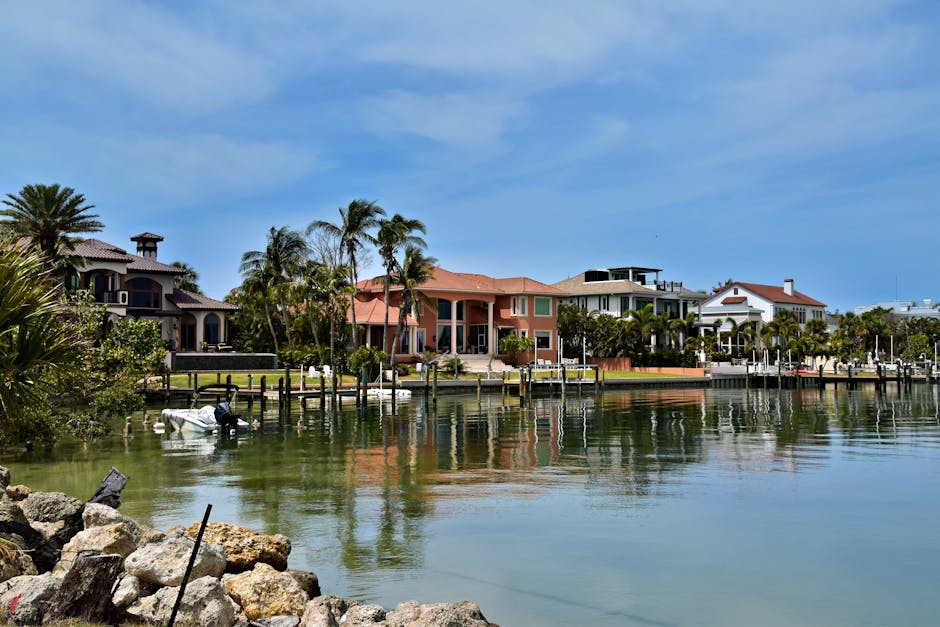
As we enter the second quarter of 2026, the Tampa luxury residential sector continues to demonstrate a decoupling from broader national cooling trends. While secondary markets across the Sun Belt have experienced pricing corrections, Tampa’s high-end inventory remains resilient, supported by a fundamental shift in buyer profile. We are no longer seeing the speculative fervor of previous cycles; instead, the market is defined by institutional-grade stability and a significant influx of permanent residents relocating from high-tax jurisdictions. This transition has solidified the local floor for assets priced above the $2,500,000 threshold.
Current inventory data reflects this maturation. With approximately 120 active luxury listings currently available, the median list price has stabilized at $2,498,800, while the average list price has climbed to $3,253,065. This spread indicates a healthy concentration of ultra-high-net-worth assets that skew the average upward, particularly in established corridors like South Tampa and the barrier islands. According to recent reporting by The Business Journals, the regional market has grown stronger despite national declines, validating the long-term thesis for local real estate as a capital preservation tool.
The weather today, with temperatures reaching a comfortable 28 degrees Celsius under clear skies, underscores the seasonal draw that brings a surge of transactional activity this time of year. Buyers are increasingly focused on “turn-key” reliability. The demand for newly constructed or fully renovated properties, such as those found near Troutwater Lane or along the Memorial Highway corridor, continues to outpace supply. This scarcity is a primary driver for the sustained pricing power observed across the most desirable neighborhoods in the region.
The Shift Toward Waterfront Primary Residences
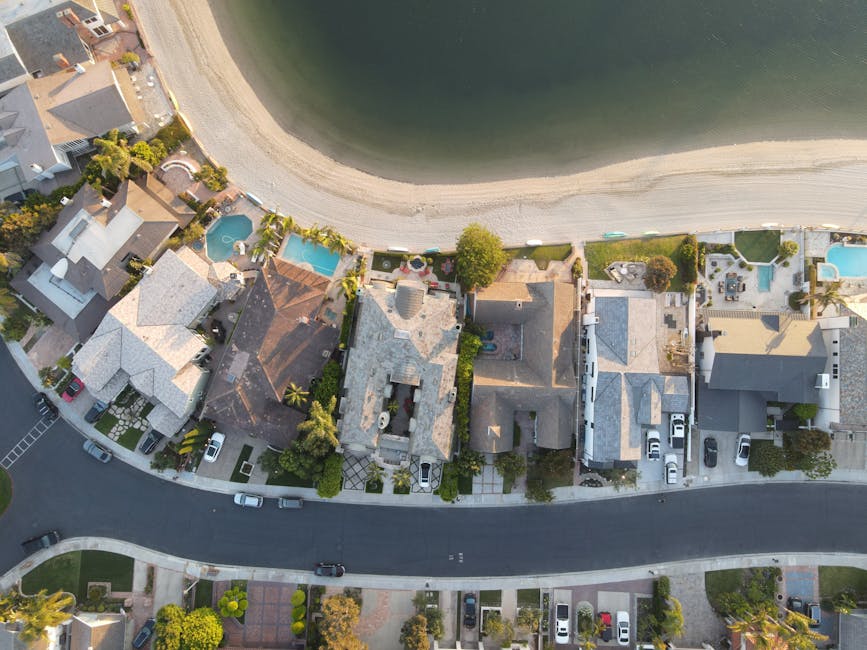
A defining characteristic of the 2026 market is the emergence of Tampa’s waterfront as a primary residential choice rather than a secondary vacation destination. Historically, high-end buyers viewed coastal properties as seasonal holdings. However, infrastructure improvements and the proliferation of professional services have redirected demand toward permanent occupancy. This shift necessitates a different approach to site selection, prioritizing privacy, elevation, and proximity to top-tier educational institutions rather than mere proximity to entertainment districts.
As noted in a recent analysis by The National Law Review, this evolution into a primary market has significant implications for valuation and long-term hold strategies. Investors are now looking at waterfront parcels not just for their aesthetic value but for their intrinsic utility as long-term family estates. This is particularly evident in areas like Beach Park and Culbreath Isles, where the lot size and coastal protection measures are scrutinized with institutional rigors once reserved for commercial acquisitions.
For those evaluating the current 120 active units, the distinction between ‘waterfront’ and ‘navigable water’ remains a critical pricing variable. Assets like the $3,800,000 listing on Memorial Highway illustrate the premium placed on direct access and unobstructed views. When assessing these opportunities, buyers must account for the increasing sophistication of local building codes and the long-term viability of sea-wall infrastructure, which are now foundational elements of any high-end appraisal.
Strategic Considerations for High-Density Luxury Living
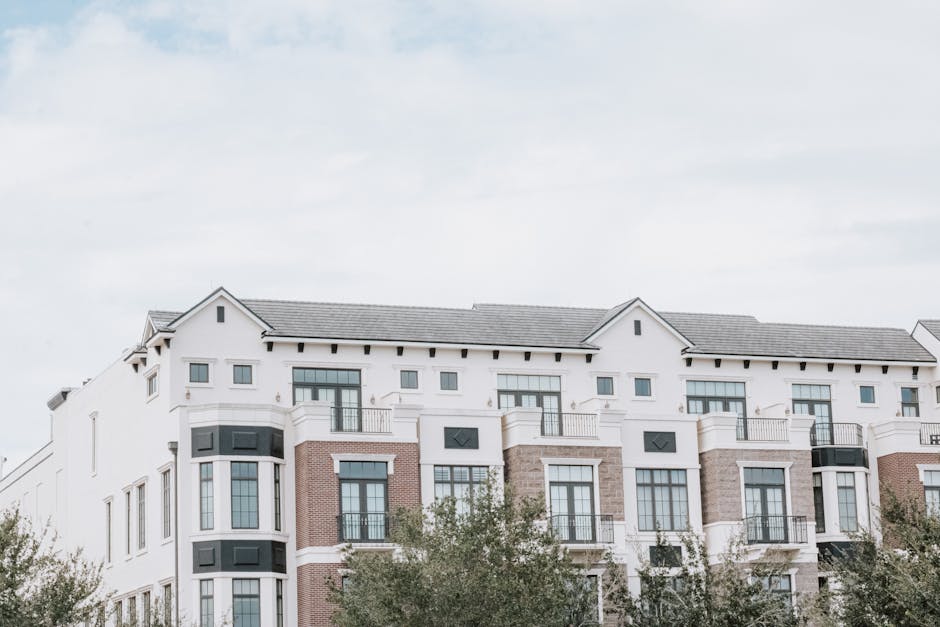
The condo market in Tampa has reached a level of sophistication that mirrors major global hubs. No longer limited to high-rise towers with generic amenities, the new generation of developments focuses on low-density, service-oriented living. This sector of the market caters to the ‘lock-and-leave’ professional who requires the security of a managed building without sacrificing the square footage of a traditional single-family home. The maturation of this segment is a signal that Tampa is no longer an ‘early-stage’ market but a destination with diverse product types.
Industry experts at Tampa Bay Business & Wealth have highlighted why the region’s condo market continues to attract significant capital even as interest rates fluctuate. The focus has moved toward curated experiences and architectural significance. Buyers are looking for specific floor-through layouts and private elevator entries that provide the seclusion of a detached residence. This demand has kept pricing in the condo sector robust, often exceeding the price-per-square-foot benchmarks set by neighboring waterfront estates.
When comparing high-density options to single-family assets, the decision often hinges on the trade-off between land ownership and lifestyle management. The median list price of $2,498,800 often represents the entry point for the most prestigious vertical residences. Prospective owners should evaluate the long-term health of the building’s reserve funds and the reputation of the management firm, as these factors significantly impact resale liquidity in a competitive high-end environment.
Critical Due Diligence Checklist for 2026 Acquisitions
Navigating a market with a $3,253,065 average list price requires a methodical approach to due diligence. The complexity of high-end transactions in 2026 involves more than a standard home inspection; it requires a deep dive into environmental resilience, specialized insurance structures, and local zoning trajectories. For buyers accustomed to out-of-state markets, the specificities of Florida’s coastal construction and tax mitigation strategies are paramount to a successful acquisition.
- Verification of current elevation certificates and compliance with updated coastal construction lines.
- Analysis of sea-wall structural integrity and remaining useful life for waterfront parcels.
- Assessment of tax assessed value vs. market value to estimate post-purchase carrying costs accurately.
- Review of private security infrastructure and neighborhood-level surveillance integration.
- Comparison of price-per-square-foot across micro-neighborhoods like Davis Islands vs. Sunset Park.
- Evaluation of recent comparable sales, such as the record-breaking transactions reported by the Tampa Bay Times.
The institutionalization of the market means that data transparency is higher than ever, but local expertise remains the only way to interpret that data correctly. Understanding the nuances of a property on Gardner Road compared to a similar asset in Hyde Park requires an intimate knowledge of traffic patterns, school district shifts, and planned municipal developments. These factors, while not always reflected in a listing price, are the true drivers of long-term appreciation.
Neighborhood Micro-Markets: Identifying Relative Value
South Tampa remains the epicenter of the region’s luxury activity, but within this area, several micro-markets offer distinct value propositions. Davis Islands continues to attract the highest-profile buyers due to its unique combination of airfield access and seclusion. However, Beach Park and Sunset Park are increasingly favored by families seeking larger lot sizes and a more traditional neighborhood feel. Identifying relative value in these areas requires looking beyond the list price and evaluating the cost of modernizing older inventory versus purchasing new construction.
For instance, a $3,000,000 property on Gardner Road may offer a significantly different lifestyle than a similarly priced townhome in the southern end of the city. As noted in National Today, newly built luxury townhomes are hitting the market to fill the gap for buyers who want new construction without the maintenance of a full acre lot. These transitions in neighborhood composition are essential to track for those looking to maximize their lifestyle-to-capital ratio.
The current count of 120 listings provides a diverse range of choices, but the highest-quality assets are often traded off-market or within very narrow windows. The average list price of $3,253,065 often includes properties with significant architectural pedigree or historical significance. In 2026, the trend of ‘restoration-luxury’ has taken hold, where buyers are willing to pay a premium for properties that maintain historical charm while integrating the latest in smart-home technology and energy efficiency.
Seasonal Dynamics and the April Market Pulse
April is a pivotal month for the Tampa market. The confluence of favorable weather and a dense schedule of high-profile events creates a unique window for property tours and market research. With temperatures currently at 28 degrees and rain chances near zero, the environment is ideal for assessing the outdoor living spaces and dockage that define the local high-end experience. However, the surge in local activity also brings logistical challenges that out-of-town buyers must navigate.
City officials have noted heavy traffic recently due to an event-packed weekend, as reported by wtsp.com. For the serious buyer, this means scheduling property visits during off-peak hours to truly experience the commute and noise levels of a potential neighborhood. Understanding how a neighborhood like Bayshore or Hyde Park handles high-volume weekends is a critical part of the ‘liveability’ assessment that many buyers overlook until after closing.
This seasonal pulse also provides an opportunity to observe the demographic shift firsthand. The influx of visitors for spring festivals and professional conferences often translates into new residents by late summer. For sellers, this is the peak time to showcase properties; for buyers, it is a time to be decisive. The inventory level of 120 units can shift rapidly as the ‘spring buying season’ reaches its crescendo. Success in this environment requires a pre-vetted strategy and the ability to act on data-backed convictions.
Executing a Multi-Year Asset Strategy
In the final analysis, acquiring luxury real estate in Tampa in 2026 is an exercise in long-term asset management. The market has moved past the phase of rapid, speculative gains and into a period of sustainable, predictable growth. Buyers who approach the market with a five-to-ten-year horizon are finding that Tampa offers a compelling blend of tax advantages, lifestyle utility, and capital security. The transition from ‘vacation destination’ to ‘global business hub’ is nearly complete, and the residential real estate prices are reflecting this new reality.
Whether you are considering a $2,650,000 residence on Troutwater Lane or a larger estate near Memorial Highway, the focus should remain on the fundamentals of location, construction quality, and future liquidity. The current median list price of $2,498,800 is a baseline that reflects the high bar for entry in this prestigious market. As you evaluate your options, remember that the most successful acquisitions are those made with a clear understanding of the micro-market dynamics and a sophisticated approach to due diligence.
To navigate these complexities effectively, a partnership with a dedicated advisor is essential. We invite you to explore our current inventory of luxury homes for sale to begin your search. When you are ready to discuss a strategic acquisition or require a private briefing on off-market opportunities, please contact an advisor to schedule a confidential consultation. Our team is prepared to provide the neighborhood-level implications and data-backed guidance necessary for an informed decision in today’s sophisticated Tampa market.
Your next move in Tampa luxury
Get current inventory, pricing guidance, and private-tour support from our brokerage team.
Source highlights
- Newly Built Luxury Townhome in Tampa's South End Hits Market – National Today
- Tampa Bay’s most expensive luxury home sales of 2025 – Tampa Bay Times
- Tampa Bay luxury market grows stronger despite national declines – The Business Journals
- Why Tampa remains an early-stage luxury condo market – Tampa Bay Business & Wealth
- New Signature Real Estate Team Emerges Across Tampa Bay: The Nick Janovsky Group Launches with Premier Sotheby’s International Realty – citybiz
- Tampa Bay’s Waterfront Emerges as a Primary Luxury Real Estate Market – The National Law Review
- Things To Do In Tampa This Weekend: Best Festivals & Events Going On – That's So Tampa
- City officials expect heavy traffic in Tampa amid an event-packed weekend – wtsp.com



