


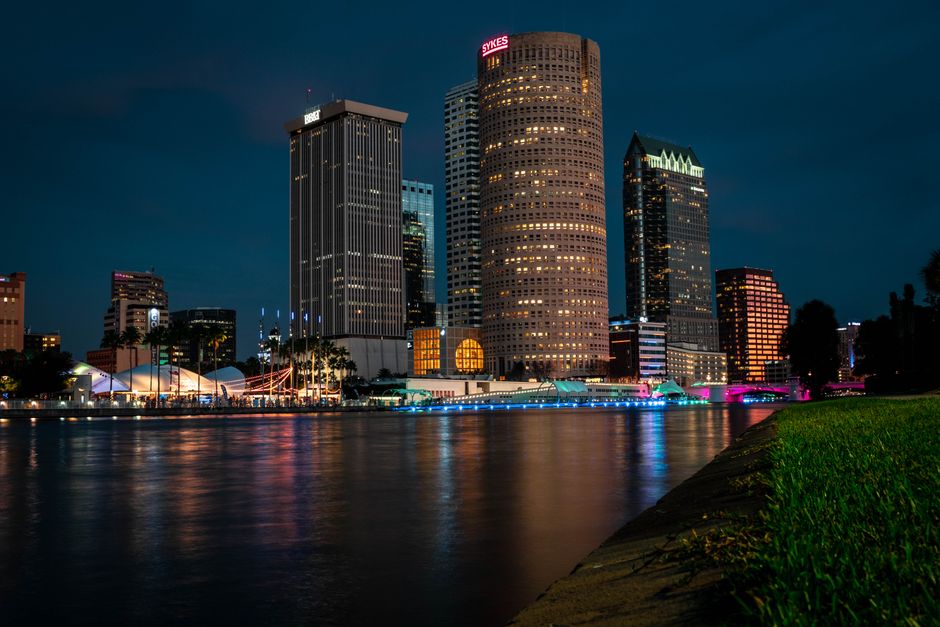
Decoding the Current Tampa Luxury Market
The landscape of premium real estate in Tampa has shifted dramatically, transitioning from an emerging secondary market to a primary destination for high-net-worth capital. Buyers face a complex environment defined by constrained inventory and stringent valuation metrics. Success requires moving beyond superficial indicators and understanding the nuanced drivers of demand across coveted corridors. Today’s acquisitions demand rigorous due diligence and a clear understanding of asset performance. The trajectory of Tampa’s real estate evolution demands that prospective buyers adopt a highly analytical mindset. Evaluating properties based solely on historical appreciation models is no longer sufficient; instead, one must project future value based on zoning modifications, neighborhood demographic shifts, and the long-term durability of the chosen architectural style.
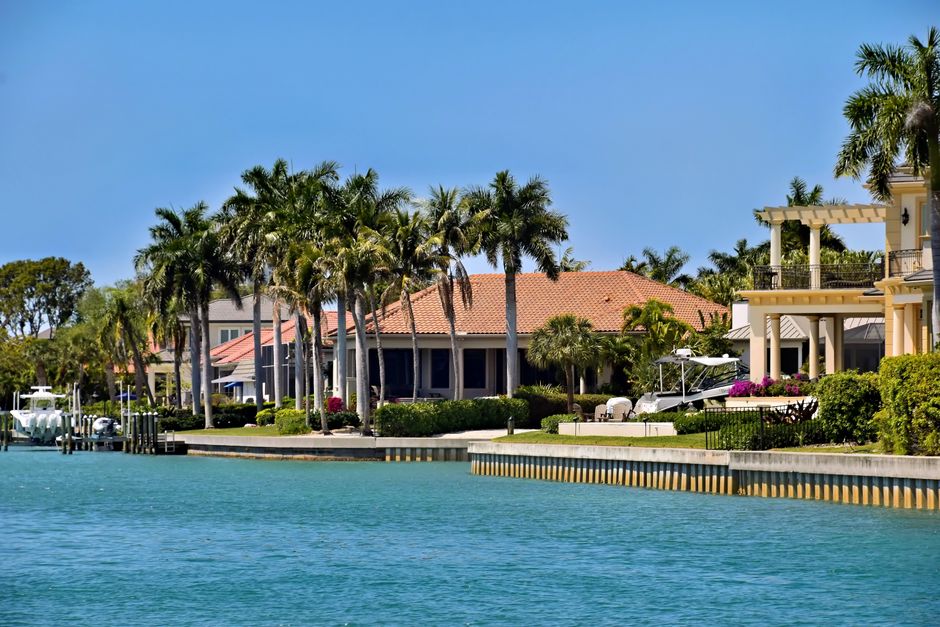
Recent data underscores the resilience of our local market. Even as broader national trends show signs of cooling, Tampa Bay’s luxury sector maintains robust momentum, driven by sustained inbound migration. This demand is reshaping established neighborhoods and accelerating development. Buyers must recognize that top-tier properties, particularly those offering turnkey modern amenities or waterfront access, continue to command premium valuations and attract multiple sophisticated offers.
To contextualize the current environment, it is helpful to observe the top end of the market. High-profile transactions consistently set new benchmarks, with recent landmark sales across Tampa Bay proving affluent buyers remain willing to deploy substantial capital for the right asset. This willingness is tethered to strict expectations regarding construction quality and locational supremacy. Navigating this landscape means aligning acquisition criteria with the realities of active inventory.

Inventory Constraints and Pricing Realities
A snapshot of our live market reveals approximately 120 active luxury listings, highlighting the persistent supply-side constraints defining the Tampa landscape. With a median list price currently near $2.27 million and an average approaching $2.98 million, the barrier to entry remains elevated. These figures often mask hyper-localized pricing dynamics. A waterfront estate on Davis Islands commands a fundamentally different premium than a historic renovation in Hyde Park.
Understanding these realities is crucial for formulating a competitive offer. Current examples of market pricing range from contemporary builds on Dr. Martin Luther King Jr. Boulevard listed near $2.9 million to established properties on Grady Avenue and Waters Avenue positioned between $1.5 million and $2.3 million. Buyers must calibrate their expectations based on specific street-level comparables. Overbidding on an asset with functional obsolescence is just as detrimental as underbidding on a highly sought-after turnkey property.
Furthermore, the interplay between residential and commercial sectors increasingly influences housing availability. As detailed by industry analysts, commercial real estate trends significantly impact housing deals, driving infrastructure improvements that boost residential property values. Buyers evaluating transitional areas should pay close attention to incoming commercial investments, as these serve as leading indicators for future residential appreciation.
The top end of the pricing spectrum also serves as a barometer for regional prestige. When we observe historic asking prices reaching nine figures for expansive estates, it signals a structural shift in how global wealth perceives Tampa. While these outliers may not directly dictate the pricing of a $3 million home, they elevate the overall market ceiling and reinforce the region’s status.
Neighborhood Dynamics: South Tampa and Beyond
Locational strategy remains the paramount consideration for any luxury acquisition. The South Tampa peninsula, encompassing revered enclaves like Hyde Park, Golfview, and Palma Ceia, continues to dictate the highest demand. Here, the appeal lies in the mature canopy of oaks, proximity to elite preparatory schools, and established infrastructure. Purchasing in these areas often requires navigating off-market networks, as generational assets rarely reach the public MLS before changing hands.
Davis Islands offers a distinct value proposition, functioning almost as an autonomous community with deep-water canal access and immediate proximity to Downtown Tampa. The architectural landscape here is diverse, ranging from 1920s Mediterranean Revivals to expansive contemporary waterfront compounds. Buyers targeting the Islands must prioritize elevation certificates, seawall integrity, and the specific navigability of the canals, as these factors drastically influence current valuation and long-term insurability.
Bayshore Boulevard remains the definitive address for high-rise living and sweeping views of Hillsborough Bay. The avenue is undergoing a significant architectural renaissance, with legacy structures sharing the skyline with ultra-modern towers. Evaluating assets along this corridor demands careful attention to view protections, building reserve funds, and the quality of on-site management. A comprehensive understanding of the homeowner association’s financial health is critical.
Evaluating Condominium Versus Single-Family Assets
The decision between acquiring a detached single-family estate or a luxury condominium involves significant lifestyle and financial trade-offs. The Tampa skyline is rapidly evolving, yet as experts note, the region remains an early-stage market for premium condos compared to established vertical cities. This dynamic presents both opportunities for significant appreciation and the need for meticulous vetting of developer track records and building amenities.
Condominium living offers undeniable advantages in terms of security, low-maintenance ownership, and immediate access to urban centers. For buyers seeking a secondary residence, the vertical market in Downtown and the Channel District provides compelling options. However, buyers must carefully review the declarations, specifically regarding rental restrictions, assessment histories, and the exact delineation of common elements versus private property.
Conversely, single-family homes in established neighborhoods provide greater autonomy, land value appreciation, and space. The trade-off involves assuming direct responsibility for maintenance and structural upkeep. When analyzing single-family homes, particular attention must be paid to the age of critical systems—HVAC, roofing, and plumbing—as deferred maintenance in luxury properties can lead to substantial, unforeseen capital expenditures shortly after closing. Additionally, the integration of smart home technologies and sustainable building materials has become a baseline expectation rather than a premium upgrade in the single-family sector. Evaluating a home’s digital infrastructure and energy efficiency is now a crucial component of the initial inspection process, directly impacting the property’s long-term utility.
The Anatomy of a Winning Acquisition Strategy
Securing a premium property in a constrained market requires a methodology that extends beyond simply submitting the highest bid. Sellers of luxury assets prioritize certainty of execution. Structuring an offer that minimizes seller risk while protecting the buyer’s interests is a strategic exercise. This involves proactive preparation, clear communication, and an intimate understanding of the seller’s specific motivations and timeline.
Before drafting an offer, buyers should implement a rigorous evaluation protocol to ensure the asset aligns with their long-term objectives and risk tolerance. Consider the following critical elements when finalizing your acquisition strategy:
- Verify the structural integrity of seawalls, docks, and marine infrastructure.
- Review the terms of existing flood insurance policies and updated elevation certificates.
- Analyze recent comparable sales, adjusting meticulously for micro-location differences.
- Assess the age and condition of all major mechanical systems and roof structures.
- Confirm the financial health and upcoming assessment schedule of any governing associations.
- Evaluate the potential impact of nearby commercial zoning changes.
The financing structure of the offer plays a pivotal role. While cash transactions offer the highest degree of certainty, strategic financing can be equally competitive. Including robust proof of funds, waiving non-essential contingencies, and demonstrating flexibility regarding closing dates or leaseback arrangements can distinguish an offer in a multiple-bid scenario. The goal is to present a clean, sophisticated proposal.
Navigating Summer Market Conditions
The seasonality of the Tampa real estate market introduces specific variables that buyers must navigate. Summer months in Florida present unique logistical challenges, defined by intense heat and frequent afternoon precipitation. Evaluating a property under these conditions provides a practical stress test for the home’s infrastructure. Buyers should pay close attention to the performance of climate control systems, foundation drainage, and the resilience of exterior materials.
Furthermore, the summer season often brings a shift in local activity and inventory levels. While the traditional spring surge may taper off, serious sellers who list during the summer are typically highly motivated. This period can offer strategic advantages for buyers willing to remain active when competition temporarily thins. It is also a prime time to assess the true livability of a neighborhood.
Summer also coincides with a robust calendar of cultural and social activities across the region. From theatrical performances to various weekend festivals and events, Tampa Bay’s cultural scene remains active year-round. Understanding this civic rhythm is important for buyers integrating into the community, as proximity to these cultural hubs often correlates with sustained property values.
Final Strategic Considerations for Buyers
Approaching the Tampa luxury market requires patience, discipline, and a reliance on empirical data rather than emotional impulse. The most successful acquisitions are the result of deliberate planning and an unwavering adherence to established investment criteria. Buyers must resist the pressure to compromise on critical factors—such as location or structural integrity—simply to secure a property in a low-inventory environment.
Engaging the market effectively also means recognizing when to pivot your strategy. If primary target neighborhoods are presenting insurmountable inventory barriers, astute buyers will analyze adjacent corridors that offer similar architectural profiles and lifestyle amenities. This analytical flexibility allows buyers to identify mispriced assets or emerging enclaves before they are fully recognized by the broader market.
As you move toward a purchasing decision, require absolute transparency from your advisory team regarding market conditions and property histories. To begin evaluating the current inventory against your specific requirements, browse our current luxury portfolio. For a confidential consultation tailored to your acquisition strategy, contact our advisory team to discuss how we can position you for success in the Tampa market.
Your next move in Tampa luxury
Get current inventory, pricing guidance, and private-tour support from our brokerage team.
Source highlights
- How Commercial Real Estate Can Navigate Tampa Bay Housing Deals, From Affordable To Luxury – Bisnow
- Tampa Bay luxury market grows stronger despite national declines – The Business Journals
- Tampa Bay’s most expensive luxury home sales of 2025 – Tampa Bay Times
- Tampa’s Price Record Is $22.5 Million. This Huge Estate Is Asking $115 Million. – WSJ
- Why Tampa remains an early-stage luxury condo market – Tampa Bay Business & Wealth
- San Francisco’s Luxury Home Sales Jump 22% As Median Price Nears $7M – 01net
- Tampa Bay area events this weekend: A 'Wicked' performance, Broadway Unhinged and cliff diving – WUSF
- Tampa weekend events: Concerts, festivals and downtown family fun — What to know before you go – FOX 13 Tampa Bay


