


The Resilience of the Tampa Luxury Sector
As we move through the second quarter of 2026, the Tampa luxury real estate market continues to demonstrate a decoupling from broader national trends. While many Tier-1 markets have experienced a softening in demand due to shifting fiscal policies, the local landscape remains robust. According to recent data from The Business Journals, Tampa Bay’s high-end segment has grown stronger despite national declines, driven by a sustained influx of private wealth and corporate relocations from the Northeast and Midwest. This persistence is not merely anecdotal; it is reflected in the current median list price of $2,272,925 across our active inventory.
For the sophisticated buyer, this environment requires a move away from speculative purchasing toward a data-driven strategy. The current inventory of 120 premium residences represents a highly competitive selection where the average list price now approaches $3,000,000. Acquisitions in neighborhoods such as Davis Islands and Hyde Park are increasingly treated as equity preservation plays rather than simple residential upgrades. The scarcity of available land in these established corridors has created a floor for valuations that appears resistant to temporary interest rate fluctuations.
Understanding the velocity of this market is essential. Buyers are no longer competing solely against other residents but are often positioned against institutional capital looking for high-yield residential holds. This convergence of interests has accelerated the pace of transactions, particularly for properties that feature unique architectural significance or rare waterfront positioning. Navigating this requires a nuanced understanding of local zoning and the long-term infrastructure plans currently being deployed by the city.
Inventory Constraints and the South Tampa Corridor
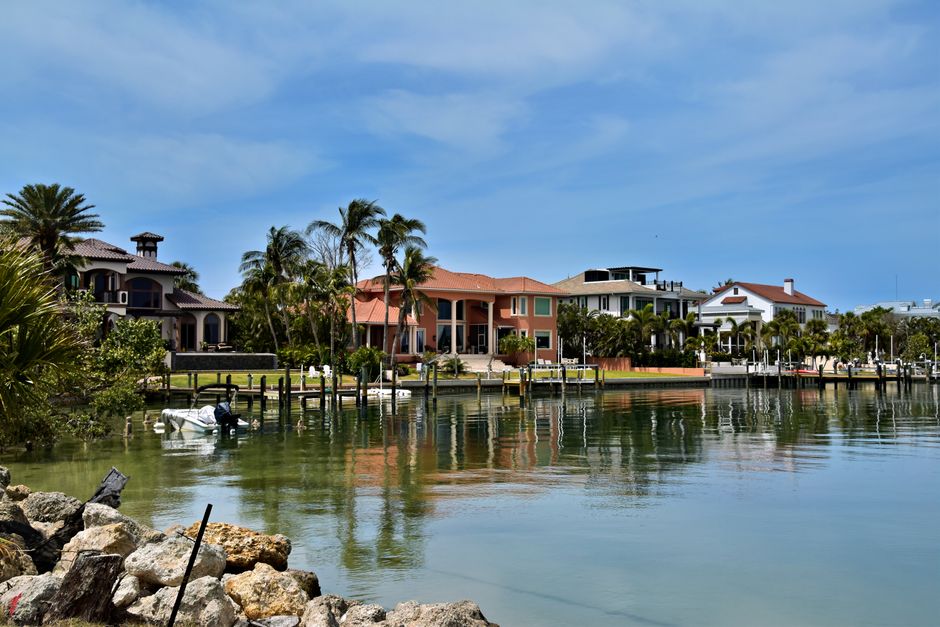
South Tampa remains the primary focus for luxury activity, characterized by its historic charm and proximity to the urban core. Areas surrounding Bayshore Boulevard and the quiet enclaves of Sunset Park are seeing a specific type of buyer behavior: the preference for ‘legacy’ properties. These are homes designed for multi-generational occupancy, often featuring expansive floor plans and high-specifications for storm resilience. The market movement here is dictated by a lack of new construction starts, which has pushed many buyers toward comprehensive renovations of existing mid-century estates.
Pricing in these neighborhoods has reached new milestones. While the median list price remains around $2.3 million, we are seeing a significant number of off-market transactions that far exceed this figure. This ‘shadow inventory’ is a hallmark of a mature luxury market where the most desirable assets never reach the public eye. Buyers looking for specific opportunities, such as the parcels recently listed near Grady Avenue or the commercial-to-residential conversion potential along the Martin Luther King Jr corridor, must maintain a state of constant readiness to secure a position.
Furthermore, the demand for large-scale lots has reached a fever pitch. In a city where land is increasingly at a premium, a half-acre or larger parcel in a prime neighborhood is viewed as a trophy asset. We are observing a trend where buyers are willing to purchase older structures at land value simply to secure the footprint for future custom builds. This level of commitment underscores the long-term confidence in the region’s appreciation potential, even as luxury prices surge across the top U.S. metro areas.
The Evolution of the High-Rise Condo Market
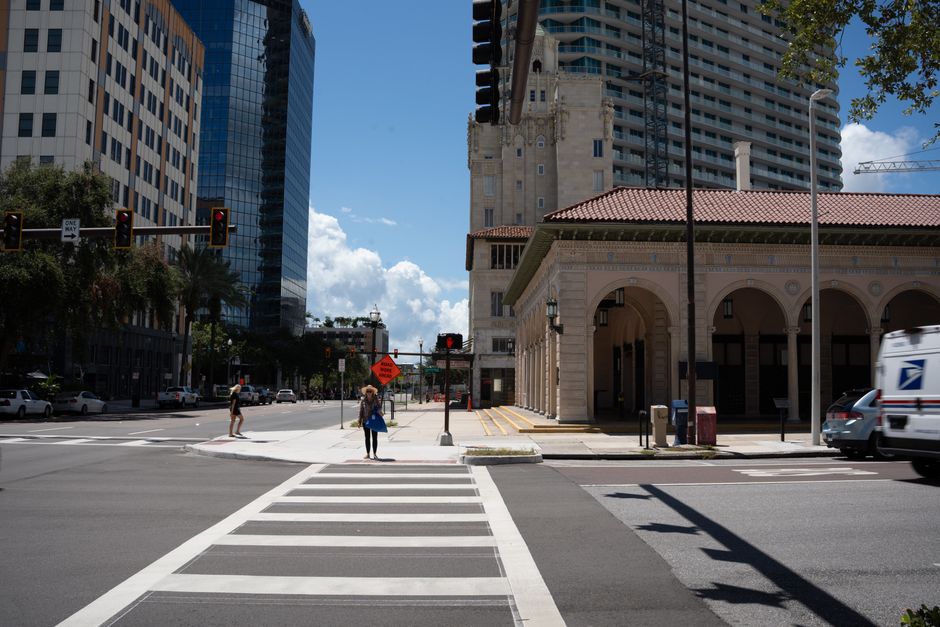
Historically, Tampa was viewed as a single-family home market, but the current cycle has firmly established the city as a viable high-rise destination. This transition is highlighted in recent reports from Tampa Bay Business & Wealth, which describes the area as an early-stage luxury condo market with significant upside. Developments along Water Street and the downtown waterfront have redefined the expectations for service-oriented living, attracting a demographic that prioritizes security, amenities, and walkable access to cultural hubs.
The shift toward vertical living is not just about convenience; it is about the integration of residential and commercial excellence. Many of the newer towers offer floor plates and ceiling heights that rival the most prestigious buildings in Miami or New York. For investors, these units represent a lower-maintenance alternative to estate management while providing a similar level of privacy. The presence of 24-hour concierge services, private elevators, and integrated wellness centers has become the baseline for new projects entering the pipeline.
Prospective residents are encouraged to browse current luxury listings to compare the value proposition of these high-rise assets against traditional waterfront estates. Often, the price-per-square-foot in a premium tower reflects the inclusion of amenities that would be prohibitively expensive to replicate in a private home. As the skyline continues to evolve, we expect the condo segment to capture a larger share of the total luxury transaction volume through the end of 2026.
Strategic Verification for High-End Acquisitions
Acquiring a high-value asset in the Florida climate demands a rigorous due diligence process that goes beyond standard inspections. The environmental and regulatory landscape in the coastal South is unique, and failure to account for specific local variables can result in unforeseen carrying costs. Buyers should focus on the structural integrity of the property, specifically regarding the newer building codes implemented after recent weather events. Verification of elevation certificates and the status of seawalls for waterfront properties is non-negotiable.
When evaluating a potential purchase, the following checklist serves as a baseline for risk mitigation and value confirmation:
- Validation of riparian rights and submerged land leases for all waterfront parcels.
- Comprehensive review of the elevation certificate to determine future flood insurance implications.
- Assessment of non-ad valorem assessments in special taxing districts or community development districts.
- Review of historical preservation constraints for properties located in Hyde Park or Seminole Heights.
- Evaluation of the property’s drainage infrastructure and civil engineering for heavy rain mitigation.
- Analysis of recent comparable sales within a strictly defined 18-month window to verify appraisal stability.
By following these steps, buyers can ensure that their acquisition is based on a sound structural and financial foundation. The complexity of these transactions is why working with an advisor who understands the local nuances is paramount. We often see buyers overlook the long-term impact of non-ad valorem assessments, which can significantly alter the annual cost of ownership. Transparency in these matters is what separates a successful acquisition from a liability.
Commercial Synergy and Residential Values
One of the more interesting trends in the 2026 market is the synergy between commercial developments and residential desirability. As noted by Bisnow, the way commercial real estate navigates housing deals is directly impacting the luxury sector. Mixed-use developments that bring high-end retail and office space to previously underutilized areas are creating new micro-markets. This ‘lifestyle’ proximity is a major driver for younger high-net-worth individuals who want the vibrancy of an urban core without sacrificing the privacy of a luxury residence.
The revitalization of corridors like West Kennedy Boulevard and the Heights area has expanded the traditional boundaries of luxury. Buyers are now looking at areas that were once considered peripheral but now offer some of the most exciting architectural opportunities in the city. These developments bring with them a level of infrastructure investment that benefits the surrounding residential property values, including improved lighting, streetscapes, and security presence.
This commercial growth also brings a new level of sophistication to the rental market, which in turn supports the sales market. As executives move to Tampa to staff new regional headquarters, they often start as high-end renters before transitioning into buyers. This steady pipeline of demand ensures that the luxury market remains liquid, even during periods of broader economic uncertainty. The ability to pivot between a commercial-grade investment and a personal residence is a strategy we are seeing more frequently among our client base.
Market Records and the Upper Tier
The ceiling for Tampa real estate is being redefined in real-time. While a record sale of $22.5 million stood for some time, we are now seeing listings that challenge the $100 million mark. As reported by the Wall Street Journal, the introduction of ultra-high-end estates with nine-figure asking prices has placed Tampa in the same conversation as Palm Beach and the Hamptons. This shift is a signal to global investors that Tampa has the capacity to support and maintain values at the highest possible level.
These trophy estates are more than just homes; they are private resorts. They often feature specialized amenities such as professional-grade home theaters, multi-car gallery spaces, and extensive outdoor kitchens designed for large-scale entertaining. The buyers for these properties are often looking for a primary residence that functions as a secure compound, allowing them to conduct business and host guests with complete autonomy. The privacy factor in these sales cannot be overstated, as many of these transactions utilize complex trust structures to maintain anonymity.
Even for those not operating at the $100 million level, the presence of these properties lifts the entire market. It creates a psychological shift where a $5 million or $10 million purchase is viewed as a conservative entry point rather than a peak price. This ‘halo effect’ is particularly visible in the luxury land market, where developers are increasingly willing to pay a premium for the best locations, knowing that the ultimate exit price for a custom build has been significantly elevated.
Seasonal Rhythms and the Advisory Perspective
Entering the summer months in Tampa requires an understanding of the local climate and the social calendar. June typically brings higher humidity and the start of our seasonal rain patterns, with temperatures frequently reaching the mid-90s. This weather often correlates with a slight shift in showing activity, as the ‘winter’ residents return north, leaving a more focused pool of local and serious relocation buyers. It is during this time that the most astute deals are often negotiated, away from the frenzy of the high season.
Furthermore, the city’s infrastructure is currently managing a heavy load of events and growth. According to the City of Tampa, traffic advisories for large-scale events and weekend festivals are a regular occurrence, highlighting the need for buyers to consider commute times and accessibility when choosing a neighborhood. Whether it is a Broadway performance downtown or a major sporting event, the vibrancy of the city is a double-edged sword that requires careful residential selection to ensure a peaceful living environment.
The 2026 market is one of nuance and calculated moves. We are seeing a shift from the ‘buying at any cost’ mentality of previous years to a more measured, analytical approach. High-net-worth individuals are prioritizing property health, long-term zoning stability, and the ability to customize their environment. To navigate these complexities successfully, it is essential to have a partner who provides objective data and discreet representation. We invite you to contact an advisor to discuss your specific requirements and gain access to our private portfolio of off-market opportunities. Our team is dedicated to providing the clarity and local expertise necessary to secure your next significant acquisition in the Tampa Bay region.
Your next move in Tampa luxury
Get current inventory, pricing guidance, and private-tour support from our brokerage team.
Source highlights
- How Commercial Real Estate Can Navigate Tampa Bay Housing Deals, From Affordable To Luxury – Bisnow
- Luxury home prices are surging fastest in these 7 U.S. cities in 2026 – qz.com
- Tampa Bay luxury market grows stronger despite national declines – The Business Journals
- Tampa Bay’s most expensive luxury home sales of 2025 – Tampa Bay Times
- Tampa’s Price Record Is $22.5 Million. This Huge Estate Is Asking $115 Million. – WSJ
- Why Tampa remains an early-stage luxury condo market – Tampa Bay Business & Wealth
- Tampa Bay area events this weekend: A 'Wicked' performance, Broadway Unhinged and cliff diving – WUSF
- Tampa weekend events: Concerts, festivals and downtown family fun — What to know before you go – FOX 13 Tampa Bay


