


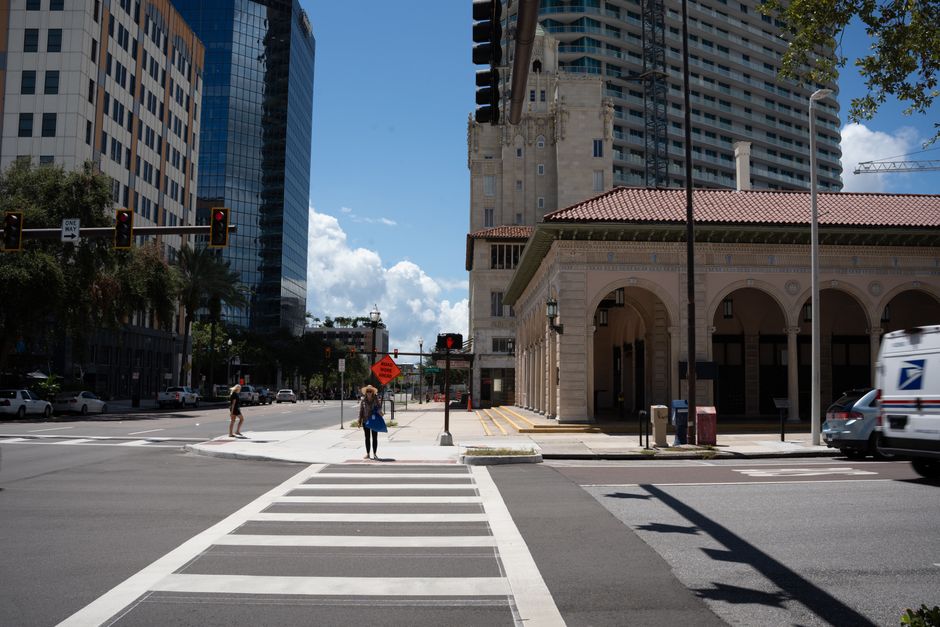
Capital Appreciation and National Benchmarks
The Tampa luxury market continues to demonstrate remarkable resilience and growth, even as other national hubs experience stabilization. Current data indicates that luxury home prices in Tampa have seen the highest increase in the United States, a trend corroborated by recent Redfin reports. This sustained momentum is not a product of speculation but a reflection of a fundamental shift in buyer demographics and a persistent supply-demand imbalance. With a median list price currently holding at $2,272,925 and an average list price approaching $3,000,000, the entry point for high-tier assets has shifted significantly over the last twenty-four months.
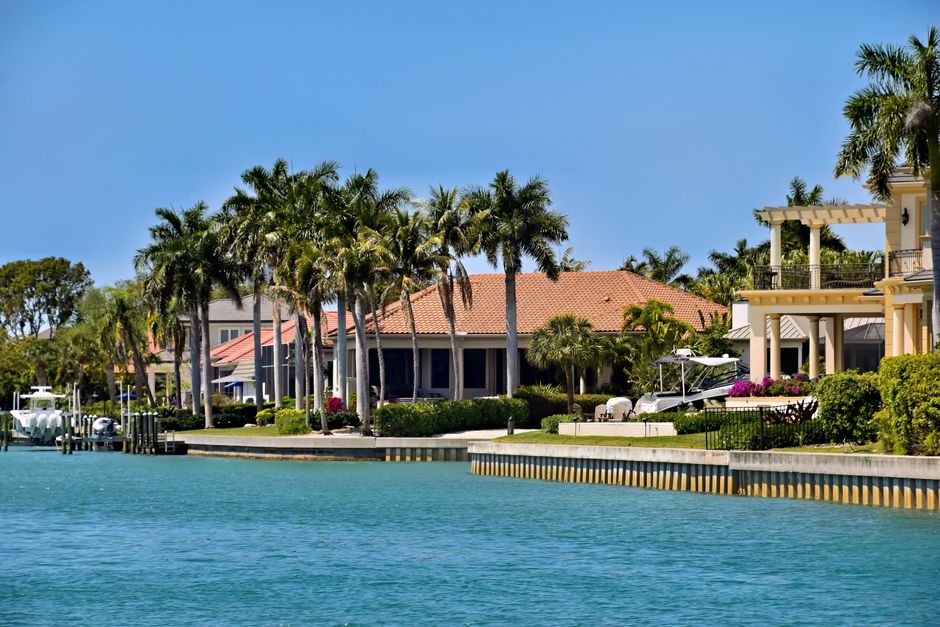
As of June 2026, there are only 120 active luxury listings across the region, representing a tight inventory that favors sellers with well-maintained, modern assets. High-net-worth individuals relocating from the Northeast and West Coast are prioritizing move-in-ready estates, often opting for substantial acquisitions like the $2,900,000 commercial-residential hybrid opportunities on West Dr. Martin Luther King Jr. Boulevard. This concentration of capital is driving a sophisticated competitive environment where decision-speed and technical due diligence are paramount. Strategic buyers are no longer looking for general value but are instead focused on capital preservation and long-term appreciation within specific enclaves.
Understanding these price surges requires a look at the broader Florida landscape. Tax shifts and record-breaking listings across the state have created a unique environment for wealth migration, as detailed in recent MSN analysis. For the Tampa market, this means that while prices are rising, the relative value compared to markets like Miami or Palm Beach remains a primary driver for institutional and private investors. The current trajectory suggests that the ceiling for premium properties in areas like Davis Islands and Hyde Park has yet to be reached, particularly as modern inventory remains scarce.
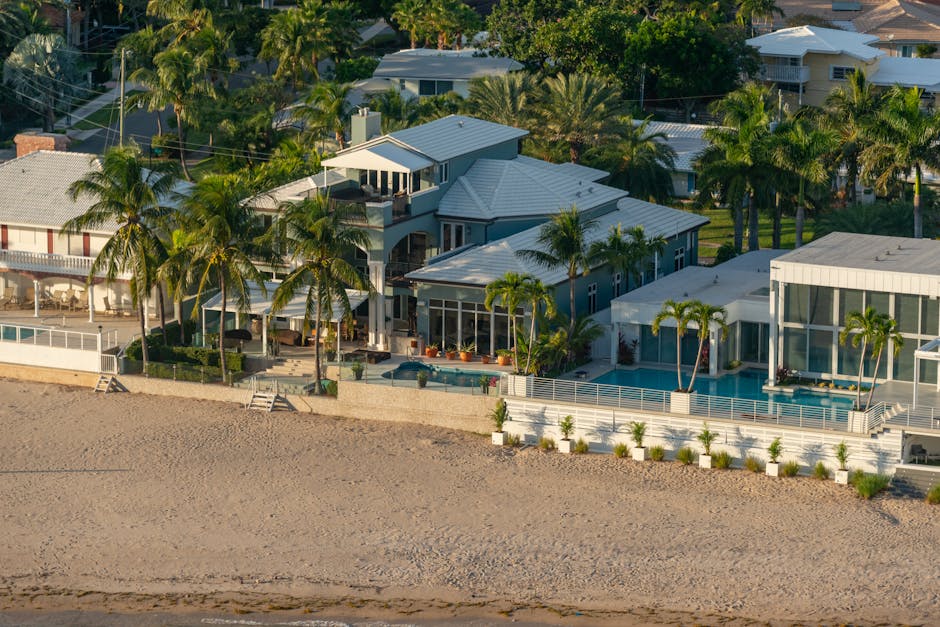
The South Tampa Corridor: Neighborhood Micro-Trends
Neighborhood selection in 2026 requires a more granular approach than in previous cycles. South Tampa remains the epicenter of demand, but the nuances between Beach Park, Culbreath Isles, and Palma Ceia have intensified. Beach Park has seen a surge in demand for larger, contemporary lots, while Culbreath Isles continues to command a premium for its gated security and deep-water access. We are observing a trend where buyers are willing to pay a 15-20% premium for properties that feature updated seawalls and elevated finished floor elevations, reflecting a growing sophistication regarding environmental resilience.
Davis Islands continues to serve as a bellwether for the ultra-luxury segment. The proximity to the downtown core, combined with a distinct sense of seclusion, keeps turnover exceptionally low. On the mainland, Hyde Park remains the preferred choice for those seeking walkable urban luxury, where historic preservation meets modern interior integration. Listings like the $1,550,000 property on North Grady Avenue illustrate the demand for high-quality residential assets that offer proximity to both the Westshore business district and the refined dining corridors of South Tampa. These micro-markets are behaving independently of broader national trends, sustained by local wealth creation and corporate relocations.
The Westshore Yacht Club and the surrounding Bayshore Boulevard areas are also seeing a shift toward high-service vertical living. The demand for low-maintenance, high-security condominiums has increased as a segment of the market transitions away from large estate maintenance. These buyers are prioritizing amenities such as private elevators, concierge services, and integrated smart-home technology. When evaluating these neighborhoods, it is essential to look beyond the list price and analyze the historical turnover and the percentage of off-market transactions, which frequently account for a significant portion of the highest-value deals in the region.
The Synergy of Commercial and Residential Growth
One of the primary catalysts for the current residential price trajectory is the unprecedented expansion of Tampa’s commercial sector. The integration of institutional-grade office space, high-end retail, and luxury hospitality has created a wealth effect that directly impacts residential valuations. According to Bisnow, the ability of commercial real estate to navigate housing deals is a critical factor in the region’s overall economic health. This commercial-residential synergy is most visible in the Water Street and Westshore districts, where corporate headquarters are increasingly situated within walking distance of luxury residential developments.
For the private advisor, this means that residential property value is now more closely tied to commercial infrastructure than ever before. Properties located near major employment hubs or upcoming mixed-use developments are seeing faster appreciation. For example, the $2,300,000 asset on West Waters Avenue represents a segment of the market where commercial accessibility meets residential privacy. Buyers are increasingly looking at the proximity to high-end grocery anchors, private schools, and health-tech corridors as a primary metric for long-term desirability. This is a shift from the traditional focus on waterfront views alone, as functional luxury becomes a higher priority.
This trend is also influenced by the growing number of professional service firms moving to Tampa Bay. As legal, financial, and technology firms establish a larger presence, the demand for executive-level housing continues to outpace new construction. This has led to a competitive landscape for land, with developers and private buyers competing for the same prime parcels. Understanding the zoning shifts and commercial development pipelines is now a standard part of the residential acquisition process for any serious investor or buyer seeking to protect their equity over the next decade.
Strategic Acquisition and Asset Selection Checklist
Navigating a market with 120 active luxury listings and a $2.9M average price point requires a disciplined approach. The following checklist outlines the critical technical and market factors that advisors prioritize during the vetting process for high-value Tampa assets:
- Verification of seawall integrity and remaining lifespan for all waterfront assets.
- Assessment of finished floor elevation relative to updated 2026 flood maps and insurance requirements.
- Analysis of recent comparable sales within a 0.5-mile radius, specifically filtering for off-market transactions.
- Review of local zoning for adjacent parcels to ensure the permanence of views and privacy.
- Evaluation of smart-home integration and energy-efficient building envelopes for long-term sustainability.
- Confirmation of proximity to tier-one private education and healthcare facilities.
By focusing on these technical aspects, buyers can mitigate risk in a high-appreciation environment. The goal is to identify assets that offer both immediate utility and structural longevity. In a market where prices are surging, the difference between a high-value acquisition and an over-leveraged asset often comes down to these specific, data-backed details that general market reports might overlook.
Cultural Maturation: The Influence of Arts and Lifestyle
Tampa’s evolution into a premier luxury destination is further supported by its maturing cultural landscape. The availability of high-end cultural events is a significant factor for affluent buyers who view their residence as part of a broader social and lifestyle ecosystem. This weekend, for instance, the region features a performance of Puccini’s La Bohème and other high-profile music events, as noted by WUSF. The presence of world-class opera, Broadway performances, and professional arts organizations adds a layer of sophistication that appeals to international and domestic buyers alike.
The city’s event calendar, which includes everything from cliff diving to major Broadway unhinged performances, creates a dynamic environment that supports high-end residential demand. Local news sources like FOX 13 Tampa Bay highlight the sheer volume of activities available in the downtown core, which in turn drives the value of nearby luxury properties. Buyers are increasingly asking about the quality of the local culinary scene, the proximity to the Straz Center for the Performing Arts, and the accessibility of major festivals as part of their lifestyle criteria.
This cultural density is a key differentiator for Tampa when compared to other Florida markets. It provides a sense of community and permanence that is essential for retaining the wealth that has migrated to the region over the past few years. For families, the availability of high-quality family-centric events and parks in neighborhoods like Hyde Park and South Tampa ensures that the city remains a primary residence choice rather than a secondary seasonal destination. This year-round residency supports a more stable and predictable real estate market, reducing the volatility often seen in more tourist-dependent regions.
Strategic Entry and Acquisition Timing
The current climate, characterized by high temperatures and low rain chances, mirrors the intensity of the real estate market itself. With temperatures reaching the mid-90s this week, the summer market remains active, defying the traditional seasonal slowdown. The decision to enter the market now versus waiting for more inventory is a common point of discussion. However, given the record-highest price increases seen in Tampa compared to the rest of the U.S., waiting has historically resulted in higher entry costs and fewer choices. The 120 available properties represent the current peak of quality, and those who delay may find themselves competing for a even smaller pool of premium assets in the fall.
Successful buyers in 2026 are those who have prepared their financing and due diligence teams in advance. The ability to move quickly on a new listing in a high-demand area like Beach Park or Davis Islands is often the difference between securing a prime asset and missing out. We advise focusing on the fundamentals: location, lot size, and structural integrity. While aesthetic updates can be made post-closing, the core attributes of the property—its elevation, its neighborhood standing, and its proximity to Tampa’s growth engines—are what will drive its value over the next ten to twenty years.
Ultimately, the Tampa luxury market is no longer a localized secret; it is a nationally recognized leader in high-end real estate performance. For those seeking to secure a position within this high-growth corridor, the current inventory provides a unique window of opportunity. The focus should remain on identifying properties that offer a balance of lifestyle benefits and investment security. By applying a rigorous, analytical approach to asset selection, buyers can navigate this record-setting market with confidence and precision.
For those ready to evaluate the current market inventory or discuss a specific acquisition strategy, we invite you to browse our curated Tampa luxury listings. Our advisors are available to provide the data-backed insights and local expertise necessary to navigate this competitive landscape. To schedule a private consultation and review your specific requirements, please contact an advisor today. We prioritize your objectives with a focus on long-term value and sophisticated market positioning.
Your next move in Tampa luxury
Get current inventory, pricing guidance, and private-tour support from our brokerage team.
Source highlights
- How Commercial Real Estate Can Navigate Tampa Bay Housing Deals, From Affordable To Luxury – Bisnow
- Luxury home prices are surging fastest in these 7 U.S. cities in 2026 – qz.com
- Tampa Bay luxury market grows stronger despite national declines – The Business Journals
- Tampa’s luxury home prices saw highest increase in U.S.: Redfin – AOL.com
- Florida luxury real estate surges amid record listings, tax shifts – MSN
- Tampa Bay’s most expensive luxury home sales of 2025 – Tampa Bay Times
- Tampa Bay area events this weekend: A 'Wicked' performance, Broadway Unhinged and cliff diving – WUSF
- Tampa weekend events: Concerts, festivals and downtown family fun — What to know before you go – FOX 13 Tampa Bay


