


National Leadership and the Velocity of Tampa Luxury
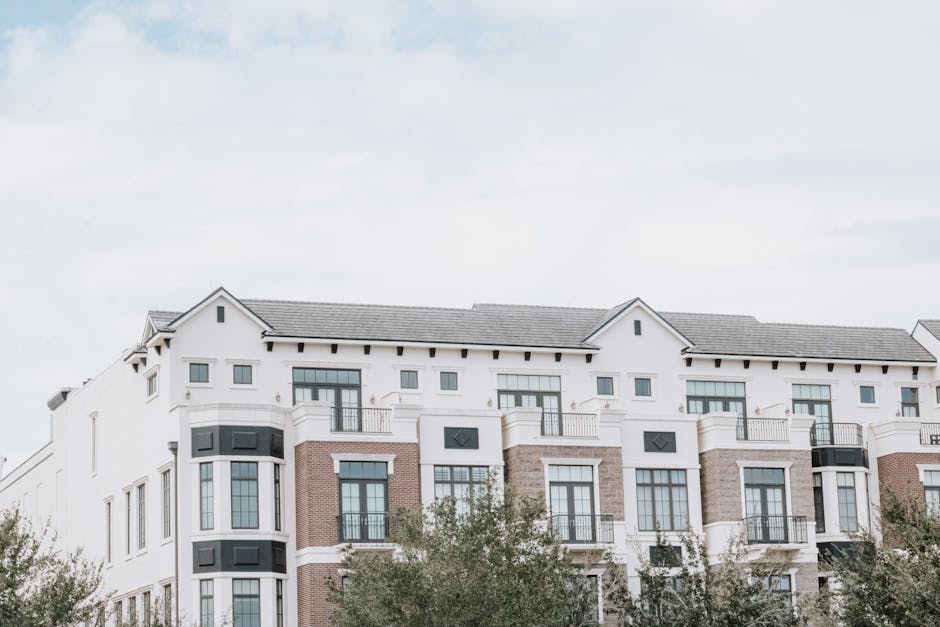
The Tampa luxury real estate market entered 2026 as a primary focal point for national investment, consistently outperforming broader market trends. While some coastal regions have seen a stabilization of values, the high-end sector in the Tampa Bay area continues to demonstrate significant price appreciation. According to recent data from Redfin, Tampa’s luxury home prices saw the highest increase in the United States, signaling a fundamental shift in how the region is perceived by affluent buyers.

This performance is not merely a localized anomaly but part of a broader trend where Florida cities are dominating the luxury landscape. Analysis from Quartz identifies Tampa among the seven U.S. cities where luxury prices are surging fastest in 2026. For the sophisticated buyer, this indicates that the entry point for quality assets is moving rapidly, requiring a more proactive approach to acquisition and a deeper understanding of the underlying value drivers in specific sub-markets.
The current median list price for luxury assets in the region has reached $2,272,925, with an average list price approaching $3,000,000. These figures represent a mature market that has moved beyond its historical reputation as a secondary destination. Today, the velocity of transactions in areas like South Tampa and Davis Islands reflects a high-conviction buyer base that prioritizes immediate utility and long-term equity preservation over speculative gains.
Inventory Dynamics and the Scarcity of Prime Assets
As of June 2026, the active inventory for luxury properties remains constrained, with approximately 120 high-end residences available across the most sought-after corridors. This limited supply creates a competitive environment for properties that meet specific criteria regarding construction quality and architectural significance. We are observing a divergence in the market where modern, turn-key residences command a substantial premium, often transacting before they reach traditional public platforms.
Buyer behavior has evolved from general interest to a granular focus on specific street-level positioning. In neighborhoods like Hyde Park and Bayshore Beautiful, the proximity to established amenities and the stability of the surrounding environment are the primary metrics for valuation. For example, recent inventory includes significant land and commercial-to-residential conversion opportunities, such as the $2,900,000 listing on West Dr. Martin Luther King Jr. Boulevard and specialized residential offerings on North Grady Avenue priced at $1,550,000.
The scarcity of prime inventory is further complicated by a shift in seller expectations. With many owners having locked in favorable cost bases years ago, the incentive to list is driven more by lifestyle changes than by financial necessity. This requires an advisor who can navigate off-market opportunities and maintain direct relationships with owners of legacy properties who may be open to a discreet transaction. To understand the current landscape, sophisticated participants frequently monitor the latest listings to gauge pricing trends in real-time.
The Intersection of Commercial Growth and Residential Value
One cannot analyze the 2026 luxury residential market without acknowledging the significant influence of commercial development. The influx of corporate headquarters and the expansion of the technology and financial sectors in downtown Tampa have created a symbiotic relationship with the high-end housing market. As noted by Bisnow, the navigation of Tampa Bay housing deals increasingly involves an understanding of commercial shifts, ranging from affordable initiatives to the ultra-luxury tier.
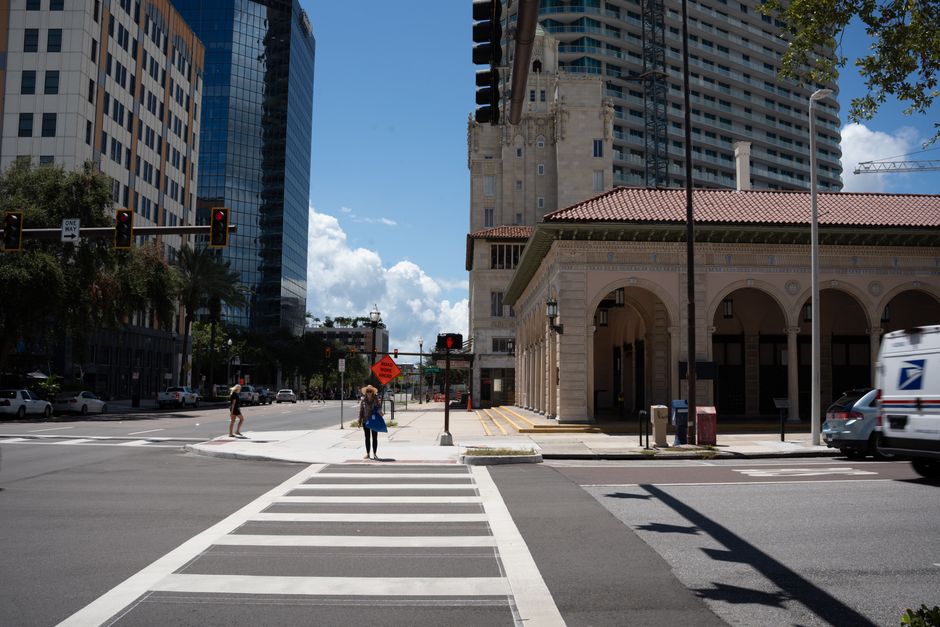
This commercial synergy is most visible in the Water Street and Channel District areas, where high-density luxury living is integrated with corporate hubs. Buyers are increasingly looking for properties that offer a compressed commute and immediate access to professional networks. This has led to a surge in demand for luxury condominiums and townhomes that provide the same level of finish as traditional estates but with a focus on urban efficiency and connectivity.
The long-term value proposition of Tampa luxury is anchored by this institutional investment. When large-scale commercial developers commit to multi-decade projects, it provides a level of market stability that is often absent in more speculative regions. For the residential buyer, this means that their property value is supported by a growing infrastructure of high-end retail, Michelin-recognized dining, and professional services that cater specifically to an affluent demographic.
Strategic Evaluation: A 2026 Luxury Buyer’s Checklist
Given the current market velocity and the complexity of high-value transactions, we recommend a more rigorous due diligence process. The following factors should be prioritized when evaluating a potential acquisition in the current environment to ensure the asset aligns with both lifestyle requirements and long-term financial objectives.
- Verification of recent elevation and drainage improvements in waterfront or low-lying areas.
- Analysis of surrounding commercial zoning to prevent future encroachment on residential privacy.
- Evaluation of construction materials and their resilience against local climate patterns.
- Assessment of smart-home integration and its scalability for future technological shifts.
- Review of historical price-per-square-foot trends within a three-block radius of the subject property.
Each of these points represents a critical layer of protection for the buyer. In a market where prices are moving quickly, it is easy to overlook the technical nuances that define a truly superior asset. We advise our clients to look beyond the aesthetic presentation and focus on the structural and legal integrity of the property, particularly as local regulations continue to evolve in response to the region’s growth.
Furthermore, the timing of an acquisition can be as important as the location. Understanding the seasonal cycles of the Tampa market—though becoming less pronounced as the area transitions to a year-round primary residency hub—still offers strategic advantages. Working with a dedicated advisor allows for a more nuanced approach to negotiation, particularly when dealing with complex estates that may involve multiple parcels or unique historical designations.
Community Integration and the Cultural Velocity of the Region
The appeal of Tampa luxury extends beyond the physical structures to the cultural and social infrastructure of the region. As the city grows, its arts and entertainment offerings have scaled accordingly, providing a lifestyle that rivals major metropolitan centers. For instance, the current season features high-caliber performances ranging from Broadway productions like “Wicked” to classical masterpieces such as Puccini’s “La Bohème,” as highlighted by WUSF.
This cultural density is a major draw for buyers relocating from the Northeast and West Coast. The ability to access world-class entertainment, professional sports, and elite educational institutions within a relatively small geographic footprint is a significant competitive advantage for Tampa. However, the region’s popularity also necessitates an awareness of local infrastructure and event-driven logistics. The City of Tampa frequently issues advisories for heavy traffic during event-packed weekends, a factor that sophisticated residents account for when selecting their primary neighborhood.
The environmental context also remains a constant consideration. With June temperatures reaching highs of 97 degrees Fahrenheit, the demand for properties with sophisticated climate control systems and extensive outdoor living spaces that incorporate shade and water features is paramount. The integration of indoor and outdoor environments is no longer an optional feature but a foundational requirement for luxury residences in this climate.
Strategic Alignment and Advisory
Navigating the 2026 Tampa market requires more than just access to data; it requires the ability to interpret that data within the context of local neighborhood dynamics and individual buyer goals. The transition of Tampa from a regional center to a national luxury leader has fundamentally changed the rules of engagement. Buyers who succeed in this environment are those who leverage professional expertise to identify value where others see only price.
As we look toward the second half of the year, we expect the demand for high-end residential assets to remain robust, driven by continued migration and the ongoing expansion of the region’s economic base. The focus will likely remain on the established luxury enclaves, but we are also seeing emerging interest in adjacent areas that offer larger lot sizes and more privacy while maintaining proximity to the urban core. This outward expansion is a natural progression for a city that is rapidly reaching its geographic and density limits.
For those ready to move forward, the first step is a comprehensive review of current opportunities and a consultation to align your specific requirements with the realities of the 2026 landscape. Please browse our current collection of listings to see the standard of excellence currently available, and contact our advisory team to begin a confidential discussion regarding your real estate objectives.
Your next move in Tampa luxury
Get current inventory, pricing guidance, and private-tour support from our brokerage team.
Source highlights
- How Commercial Real Estate Can Navigate Tampa Bay Housing Deals, From Affordable To Luxury – Bisnow
- Luxury home prices are surging fastest in these 7 U.S. cities in 2026 – qz.com
- Tampa Bay luxury market grows stronger despite national declines – The Business Journals
- Tampa’s luxury home prices saw highest increase in U.S.: Redfin – AOL.com
- Florida luxury real estate surges amid record listings, tax shifts – MSN
- Tampa Bay’s most expensive luxury home sales of 2025 – Tampa Bay Times
- Tampa Bay area events this weekend: A 'Wicked' performance, Broadway Unhinged and cliff diving – WUSF
- Tampa weekend events: Concerts, festivals and downtown family fun — What to know before you go – FOX 13 Tampa Bay



