



The Evolution of High-End Acquisitions in Tampa
Tampa’s premium residential sector has matured significantly over the past few years, transitioning from an emerging coastal alternative into a primary destination for affluent buyers. As of mid-2026, the local market dynamics reflect a more discerning buyer pool. The current active inventory of approximately 120 premium properties presents a landscape where scarcity still dictates terms for the most coveted assets, yet buyers are taking measured, calculated approaches to their acquisitions. This environment demands precision rather than haste, as the era of blind bidding has been replaced by meticulous valuation analysis. Buyers entering the market today are highly educated, arriving with a deep understanding of localized metrics and a clear set of architectural requirements.
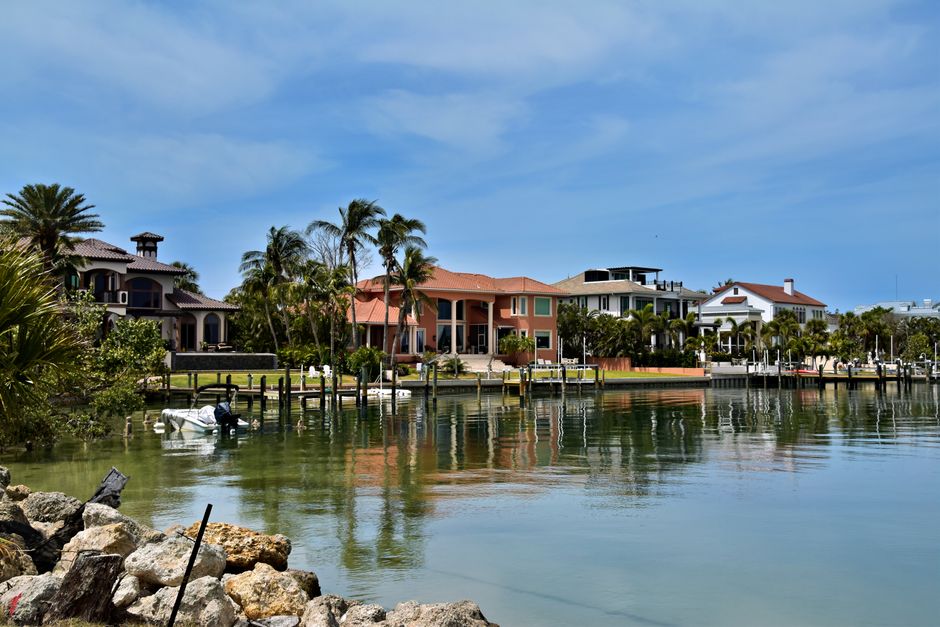
The metrics reveal a fascinating shift in the median valuation of high-end real estate locally. With the median list price currently sitting at $2.275 million and the average stretching toward $3 million, it is evident that the market is heavily weighted toward custom, architecturally significant estates and waterfront compounds. We are seeing a distinct polarization: properties that offer immediate, turnkey sophistication command premiums, while those requiring extensive renovation face a more critical audience. The cost of capital and the complexities of managing contractors have shifted the premium firmly onto completed, masterfully designed residences. Consequently, properties that offer seamless transitions are commanding record prices per square foot, setting new benchmarks for the region.
This maturation is not happening in a vacuum. National economic shifts and regional tax advantages continue to direct wealth toward Florida’s Gulf Coast. Tampa, in particular, consistently ranks among the top metropolitan areas for high-net-worth migration. Recent data indicates that luxury home prices are surging fastest in specific U.S. cities, with Tampa leading the charge due to its balance of corporate infrastructure and coastal accessibility. Buyers must recognize that they are not just competing with local executives, but with a national pool of capitalized purchasers who view Tampa as a long-term hold. The lack of a state income tax, combined with a rapidly expanding cultural footprint, makes the region an undeniable alternative to traditional financial centers.
Neighborhood Nuance and Buyer Behavior
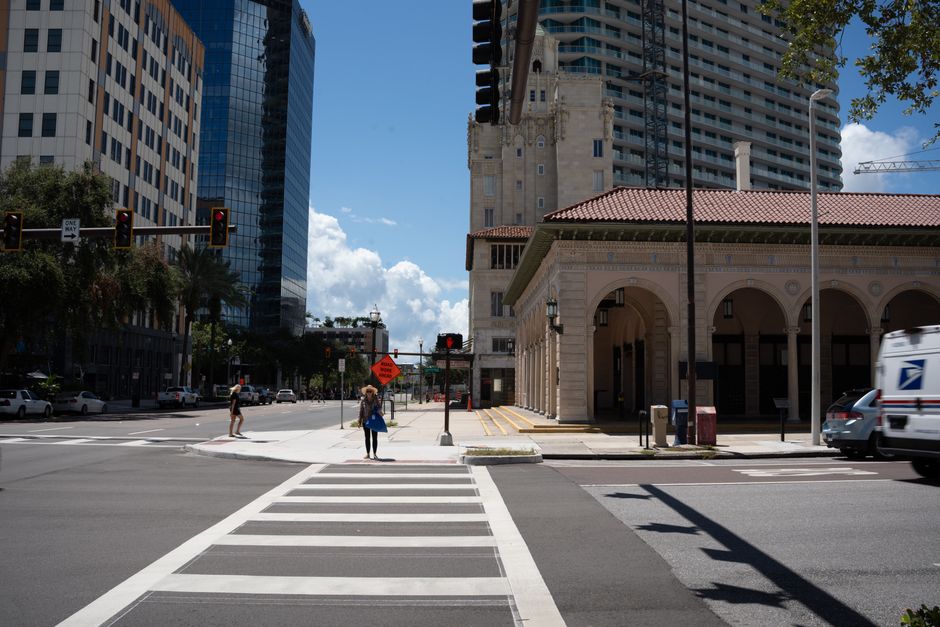
The defining characteristic of Tampa’s current market is hyper-localization. The value of a property can shift dramatically from one block to the next, particularly in established enclaves like Hyde Park, Davis Islands, and Palma Ceia. Affluent buyers are no longer satisfied with generalized market reports; they require street-level intelligence. In historic districts, the tension between preserving architectural heritage and integrating modern amenities is a primary consideration. Buyers are carefully weighing the restrictions of historic overlay districts against the intrinsic value of possessing a piece of Tampa’s architectural history. A successful acquisition here often involves bringing in specialized inspectors who understand the unique structural demands of century-old estates.
Conversely, the downtown core and Harbour Island are witnessing a different kind of evolution. Here, the emphasis is heavily skewed toward low-maintenance, high-security environments with immediate access to urban amenities. The vertical living sector is drawing empty-nesters and transient executives alike. Industry analysis explains why Tampa remains an early-stage luxury condo market, highlighting the significant upside potential as the city’s skyline expands and matures. These vertical estates offer a distinct value proposition, prioritizing panoramic water views and integrated concierge services over sprawling acreage. As developers continue to refine their offerings, we expect to see an increase in amenities tailored specifically to wellness and exclusive social access.
Beyond the physical footprint of the real estate, lifestyle proximity plays a critical role in valuation. Buyers frequently structure their searches around walkability to boutique dining, private schooling, and cultural hubs. The integration of the arts and community events is a strong draw. For instance, proximity to venues hosting Tampa Bay area music events and cultural festivals adds a tangible premium to properties in the urban core. Discerning purchasers are buying into a specific daily rhythm as much as they are acquiring brick and mortar. When evaluating potential homes, we strongly advise our clients to physically walk the neighborhood during different times of day to truly gauge the lifestyle cadence they are buying into.
Evaluating Inventory and Making Informed Offers
With roughly 120 properties available in the uppermost echelon of the market, purchasers must approach the evaluation process methodically. The current inventory presents a dichotomy: properly priced, well-maintained homes are absorbed rapidly, often drawing multiple competitive offers, while properties with aspirational pricing or deferred maintenance languish. To navigate this effectively, buyers must separate emotional appeal from structural and locational reality. A successful acquisition strategy relies on rigorous due diligence before drafting an offer. The disparity between list price and final closed price is directly correlated to the thoroughness of the pre-offer analysis.
For coastal and riverfront properties, the analysis must extend far beyond the aesthetic appeal of a water view. Buyers are scrutinizing elevation certificates, the structural integrity of seawalls, and the long-term implications of flood zones. The condition of major systems—such as HVAC units adapted for high humidity, roofing materials rated for severe weather, and impact-resistant glazing—directly informs the negotiation process. These elements represent significant capital expenditures that must be factored into the total cost of ownership. Engaging with seasoned marine contractors during the inspection period is not just recommended; it is a critical step in verifying the true value of the asset.
To assist in standardizing this evaluation, we advise our clients to utilize a structured framework when touring potential acquisitions. This ensures that critical factors are not overlooked amidst the impressive staging and architectural grandeur of Tampa’s finest homes. A systematic approach mitigates the risk of oversight and provides a clear, objective baseline for comparing disparate properties across different neighborhoods.
- Analyze the property’s elevation certificate alongside recent flood insurance policy premiums to project carrying costs.
- Verify the age, wind mitigation rating, and material quality of the roof and impact windows.
- Review neighborhood-specific zoning restrictions, particularly when evaluating properties within designated historic overlay districts.
- Assess the proximity to major commercial thoroughfares and the potential impact of slated municipal infrastructure projects.
- Scrutinize the micro-location for tidal influence, deep-water access limitations, and the current structural condition of any seawalls or docks.
The Convergence of Commercial and Residential Growth
The sustained strength of Tampa’s residential sector is deeply intertwined with its commercial expansion. Massive capital injections into districts like Water Street and Midtown have fundamentally altered the city’s economic center of gravity. As these mixed-use developments mature, they attract a steady influx of corporate executives, specialized medical professionals, and tech entrepreneurs. This demographic shift provides a solid foundation for the multi-million dollar residential market, ensuring consistent demand for properties situated within a reasonable commute to these newly established hubs. The modern executive prioritizes time above all else, making properties with frictionless access to primary business centers highly coveted.
Understanding the relationship between these sectors is vital for long-term residential positioning. Recent reports dissect how commercial real estate navigates Tampa Bay housing deals, illustrating that proximity to modern office space and premium retail directly supports residential valuations. Buyers evaluating neighborhoods like Tampa Heights or the expanding corridors near the Westshore business district should factor this commercial proximity into their long-term equity projections. The synergy between high-end retail, class-A office space, and luxury residential is undeniable, providing a buffer against broader economic fluctuations.
Furthermore, infrastructure development must be a core component of any acquisition strategy. As the city expands its transit options and reconfigures arterial roadways to handle increased capacity, the definition of a prime location continues to expand. Savvy buyers are identifying pockets of residential housing that are poised to benefit from upcoming municipal improvements, securing positions before these enhancements are fully priced into the surrounding real estate. Evaluating a property strictly on its current surroundings is shortsighted; the most successful acquisitions consider the five-to-ten-year master plan of the surrounding municipality.
Strategic Timing and Negotiation Tactics
The concept of timing in the Tampa luxury market has shifted dramatically. Historically, the region experienced pronounced seasonal spikes corresponding with winter migrations. Today, the influx of full-time residents and corporate relocations has smoothed out these peaks, resulting in a robust year-round market. While there are still micro-fluctuations in inventory levels, waiting for a traditional seasonal dip is an outdated strategy. Premium properties—those with exceptional water frontage or significant architectural pedigree—rarely follow a predictable calendar. Opportunities arise independently of the season, often triggered by corporate relocations, portfolio restructuring, or life events.
Consequently, negotiation strategies must adapt. Sellers of elite properties are generally well-capitalized and willing to hold firm on their valuations if they believe the market will eventually meet their expectations. Lowball offers rarely initiate productive dialogue; instead, they often alienate the seller and close the door to future negotiations. Buyers must present clean, compelling offers that demonstrate financial capacity and a serious intent to close. Cash transactions, abbreviated inspection periods, and flexibility regarding post-occupancy agreements are powerful levers in a highly competitive environment.
It is also crucial to leverage the specific context of the property. If a home has lingered on the market, it is rarely due to a lack of overall demand; rather, it indicates a misalignment in pricing, condition, or marketing. Identifying these specific friction points allows a buyer to structure an offer that solves the seller’s problem while securing a favorable basis for the acquisition. Whether it involves understanding a seller’s timeline or recognizing the constraints of an estate sale, uncovering the underlying motivations is key to a masterful negotiation.
Next Steps for Discerning Buyers
Successfully securing a high-end property in Tampa requires more than passive browsing; it demands a proactive, highly targeted approach. As the market continues its upward trajectory, the window for casual observation is closing. Buyers must define their parameters with absolute clarity, prioritizing their non-negotiable requirements while remaining flexible on secondary preferences. The complexities of evaluating waterfront setbacks, navigating historic preservation guidelines, and anticipating commercial development patterns require a sophisticated advisory relationship. You are not just buying a structure; you are making a substantial capital allocation in a dynamic, evolving environment.
The first step is to immerse yourself in the current data. Understanding the nuances of price per square foot across different neighborhoods, recognizing the premium commanded by new construction, and tracking the absorption rate of waterfront estates will provide the necessary context for your search. This empirical foundation empowers you to act decisively when the right opportunity presents itself. We recommend establishing a direct line of communication with an advisor well before your intended purchase timeline to allow for the curation of off-market opportunities.
We invite you to begin this process by exploring our curated portfolio of Tampa luxury homes for sale. Analyzing the active inventory will help you calibrate your expectations and refine your criteria. When you are ready to transition from observation to acquisition, we encourage you to contact our advisory team for a private consultation. We provide discreet, data-driven guidance to ensure your next real estate transaction is executed with precision and confidence.
Your next move in Tampa luxury
Get current inventory, pricing guidance, and private-tour support from our brokerage team.
Source highlights
- How Commercial Real Estate Can Navigate Tampa Bay Housing Deals, From Affordable To Luxury – Bisnow
- Tampa Bay’s most expensive luxury home sales of 2025 – Tampa Bay Times
- Luxury home prices are surging fastest in these 7 U.S. cities in 2026 – qz.com
- Florida luxury real estate surges amid record listings, tax shifts – MSN
- Tampa Bay luxury market grows stronger despite national declines – The Business Journals
- Why Tampa remains an early-stage luxury condo market – Tampa Bay Business & Wealth
- Things To Do In Tampa This Weekend: Fun Festivals & Events In Tampa This Weekend – That's So Tampa
- Tampa Bay area music events this weekend: Emo Night and Puccini’s La Bohème – WUSF



