


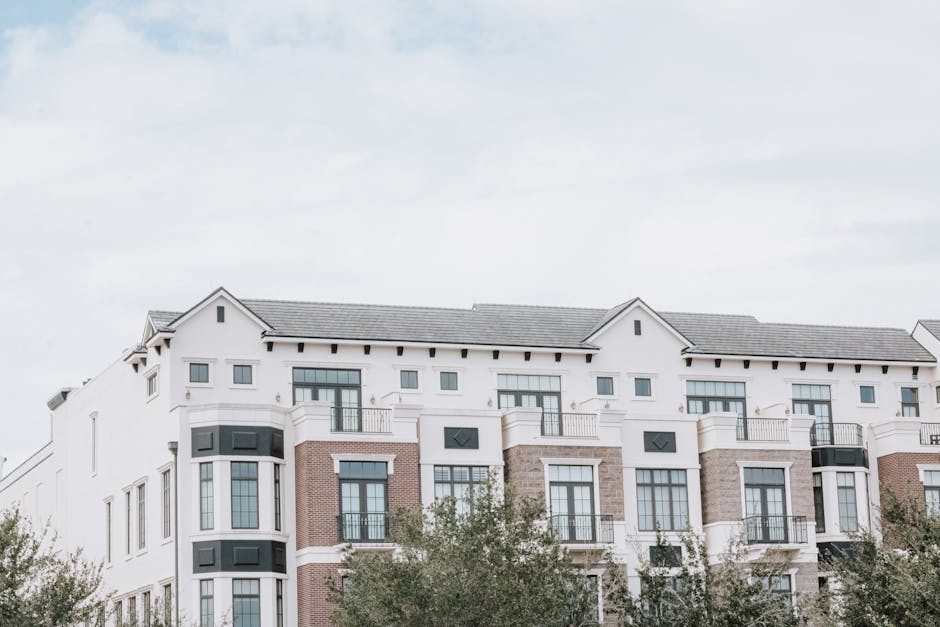
The Maturation of Tampa’s High-End Sector
The maturation of Tampa’s high-end real estate sector requires a highly analytical approach from prospective buyers. Currently, market data indicates a highly selective inventory of exactly 120 active luxury properties across the region. The divergence between the median list price of $2,275,000 and the average list price nearing $2.94 million signals a heavy concentration of ultra-premium, legacy assets at the top of the pricing spectrum. This empirical data illustrates that the pricing floor for institutional-grade residential real estate in this region has permanently shifted upward.
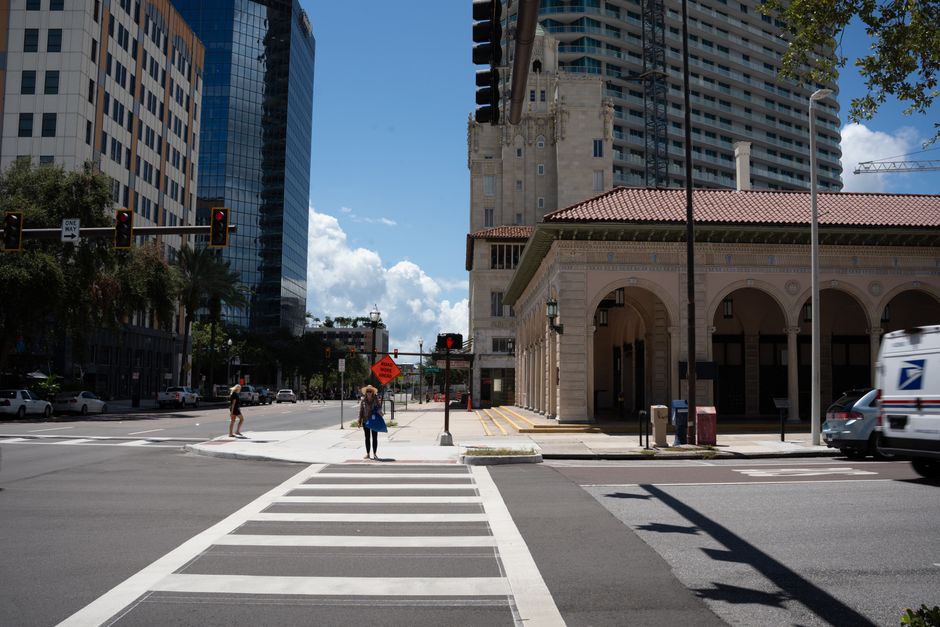
National economic observers continue to validate this localized pricing strength. Recent economic forecasts and reports projecting Tampa among the fastest-surging U.S. cities for luxury home prices in 2026 highlight the sustained influx of executive relocation and corporate expansion. Buyers entering the market this season must recognize that historical pricing models are no longer applicable. Acquiring prime real estate now demands a forward-looking valuation model that accounts for continued equity appreciation and regional economic density.
It is no longer sufficient to simply secure an address in South Tampa. Buyers must heavily scrutinize macro-economic trends, neighborhood development pipelines, and long-term asset liquidity. The focus has rapidly shifted toward understanding specific micro-markets, evaluating the distinct privacy of the Hillsborough River against the open-water exposure found along the coastal inlets of Tampa Bay. Each corridor presents a different risk and reward profile for long-term capitalization.
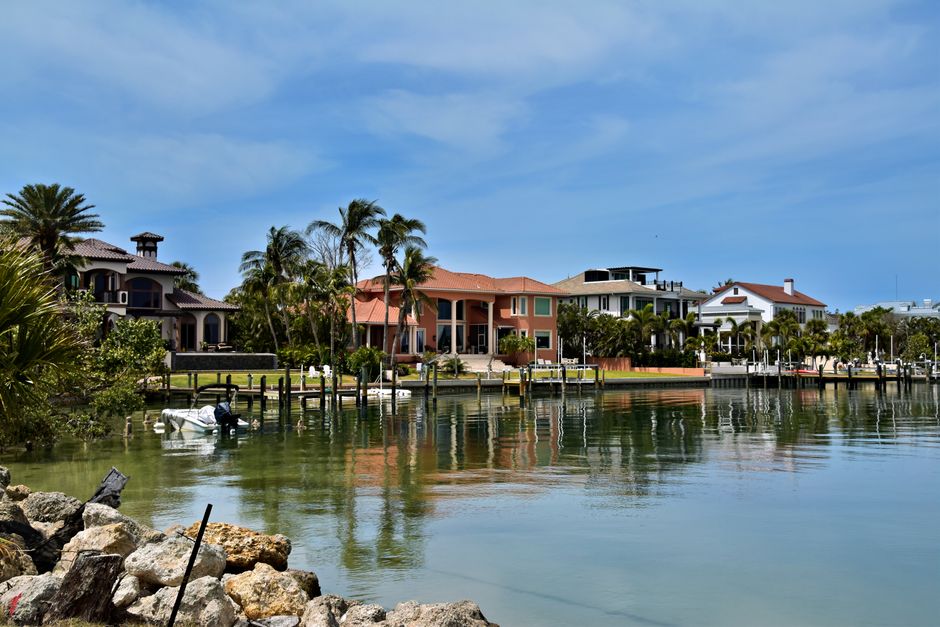
When analyzing the most expensive luxury home sales of the previous year, clear purchasing patterns emerge. Waterfront primacy remains intact, but we are simultaneously seeing expanded premium footprints moving inward. Heavily shaded, established corridors like Palma Ceia and Golfview are commanding extraordinary valuations, driven by buyers who prioritize expansive lot sizes and mature landscaping over immediate water access.
Evaluating Vertical Assets Versus Traditional Estates
The choice between a sprawling single-family estate on Davis Islands and a high-rise condominium in the downtown core represents a fundamental divergence in asset management and daily utilization. Traditional estates offer absolute control over the land footprint, a critical factor given the region’s finite waterfront acreage. For generational wealth preservation, holding fee-simple land in established neighborhoods provides a highly defensible hedge against market volatility.
Conversely, the vertical market introduces a distinct value proposition centered on architectural recency and integrated, hotel-style amenities. As noted by industry observers analyzing why Tampa remains an early-stage luxury condo market, early adopters in these developments often capture significant equity upside. Developments within Water Street and the Channel District exemplify this trajectory, shifting the city’s center of gravity and attracting buyers seeking frictionless urban integration.
Buyers must weigh the predictable holding costs of a traditional estate against the variable association structures inherent to luxury towers. Condominium living requires thorough diligence into reserve studies, master association governance, and the specific ratios of owner-occupancy versus investor holdings within the building. These metrics directly dictate the long-term financial health of the tower and the eventual resale liquidity of the unit.
For many affluent buyers, the final decision hinges on the frequency of their presence in Tampa. Those utilizing the city as a seasonal base often prefer the security and operational ease of a continuously managed tower. Meanwhile, primary residents anchoring their family or business operations locally tend to lean toward the absolute privacy and spatial expansiveness of custom-built construction in Beach Park or Culbreath Isles.
Due Diligence and Structural Assessment Parameters
Executing a successful acquisition at the multi-million dollar threshold demands rigorous structural and environmental diligence. Coastal Florida’s specific climate conditions necessitate advanced construction methodologies, from impact-rated fenestration to elevated mechanical systems. Buyers must ensure that any premium paid for architectural aesthetics is matched by commercial-grade structural resilience.
When touring properties, sophisticated buyers look entirely beyond the staging and interior decor. It is imperative to assess the integrity of the building envelope, the age and capacity of the HVAC systems, and the quality of foundational elements. In older, historically significant neighborhoods like Hyde Park, balancing preservation board guidelines with the need for modern structural reinforcement requires highly specialized architectural counsel.
To standardize the evaluation of high-end listings and remove emotional bias from the purchasing equation, we advise our clients to utilize a strict structural assessment framework before submitting an initial offer.
- Verify FEMA flood zone designations and review the current elevation certificate to accurately model long-term insurance carrying costs.
- Commission specialized inspections for seawalls, private docks, and marine infrastructure, ensuring all necessary municipal permits are active and compliant.
- Audit the integration of smart home systems, focusing specifically on the scalability of the existing low-voltage wiring and core control panels.
- Review the property’s wind mitigation report, detailing roof-to-wall connections and the presence of secondary water resistance barriers.
- Analyze recent neighborhood zoning variances to anticipate any potential disruptions to existing view corridors or localized traffic patterns.
Adhering to this checklist ensures that the underlying asset possesses the structural integrity required to support its premium valuation. Empirical data and professional engineering assessments must continually outweigh emotional attachment when finalizing your target property.
Cultural Proximity and Neighborhood Micro-Economies
An estate’s valuation is inextricably linked to its integration within the broader cultural and economic fabric of the municipality. Proximity to premier culinary institutions, private aviation hubs, and executive business centers directly influences long-term asset stability. High-net-worth buyers are not merely purchasing square footage; they are acquiring access to a highly curated daily routine.
Tampa’s cultural calendar increasingly rivals traditional metropolitan centers, offering sophisticated programming that enhances the appeal of nearby residential enclaves. Integrating into the local rhythm, such as attending performances of Puccini’s La Bohème and curated weekend music events, provides qualitative value to the residential experience. Neighborhoods that facilitate immediate access to these venues see a corresponding lift in demand.
We consistently observe that residential zones offering high walkability to these cultural nodes command a measurable premium per square foot. The Bayshore Boulevard corridor, for instance, balances panoramic water views with immediate, walkable accessibility to downtown’s commercial districts and evening entertainment venues, creating a highly resilient micro-economy.
Buyers should meticulously map their anticipated daily routines against the city’s current and projected infrastructure. Evaluate the efficiency of transit routes from prospective homes to Tampa International Airport, specialized medical centers, and top-tier educational institutions. Conducting this functional analysis prevents the logistical friction that often leads to premature property turnover.
Strategic Offer Mechanics in a Refined Market
With current luxury inventory constrained to approximately 120 active properties, the market operates with distinct and unforgiving efficiency. Highly desirable homes—those combining recent architectural updates with premium lot positioning—rarely linger on the open market. Securing these top-tier assets requires a highly sophisticated approach to offer construction and contract negotiation.
Cash remains a potent lever, but its utility extends far beyond the final purchase price. Unencumbered capital allows for the strategic waiver of appraisal contingencies and the compression of closing timelines. In many multiple-offer scenarios, these variables are heavily prioritized by sellers over marginal, incremental increases in the top-line financial offer.
When financing is employed, utilizing localized private wealth institutions rather than retail banking channels can significantly expedite the underwriting process. This specialized routing ensures the structural integrity of the offer closely mirrors the strength of a cash position, providing the seller with absolute transactional certainty from the moment of signature.
Ultimately, successful negotiations rely on accurately identifying the seller’s specific underlying motivations. Whether they require a post-occupancy agreement to facilitate their own complex relocation, or a rapid closing to deploy capital into another venture, tailoring the contract terms to resolve their logistical friction often secures the property at a highly favorable valuation.
Executing Your Market Entry
Approaching Tampa’s high-end real estate sector requires a definitive shift from passive observation to active, data-driven execution. The current environment, characterized by strong pricing floors and highly selective inventory, heavily rewards those who arrive thoroughly prepared. Hesitation in this market equates to missed opportunities on legacy assets.
Begin the process by defining strict operational parameters for your acquisition. Categorize your requirements into non-negotiable structural elements, desired architectural styling, and acceptable geographic radii. This clarity accelerates the initial filtering process, allowing you to focus your attention exclusively on assets that directly align with your broader strategic objectives.
Continuously monitor active market data, but recognize that publicly available metrics always represent a lagging indicator. Real-time, actionable valuation requires insights derived from off-market transactions, pending contract details, and direct, daily interaction with the localized brokerage community. This is where professional advisory becomes indispensable.
To begin calibrating your search against the current inventory, we highly recommend reviewing our curated portfolio of Tampa luxury homes for sale. For a private, confidential consultation tailored to your specific acquisition timeline and portfolio goals, please contact our advisory team today. We provide the localized intelligence necessary to execute your next transaction with absolute confidence.
Your next move in Tampa luxury
Get current inventory, pricing guidance, and private-tour support from our brokerage team.
Source highlights
- How Commercial Real Estate Can Navigate Tampa Bay Housing Deals, From Affordable To Luxury – Bisnow
- Tampa Bay’s most expensive luxury home sales of 2025 – Tampa Bay Times
- Luxury home prices are surging fastest in these 7 U.S. cities in 2026 – qz.com
- Florida luxury real estate surges amid record listings, tax shifts – MSN
- Tampa Bay luxury market grows stronger despite national declines – The Business Journals
- Why Tampa remains an early-stage luxury condo market – Tampa Bay Business & Wealth
- Tampa Bay area music events this weekend: Emo Night and Puccini’s La Bohème – WUSF
- Things to do with kids this weekend in Tampa, FL – That's So Tampa



