


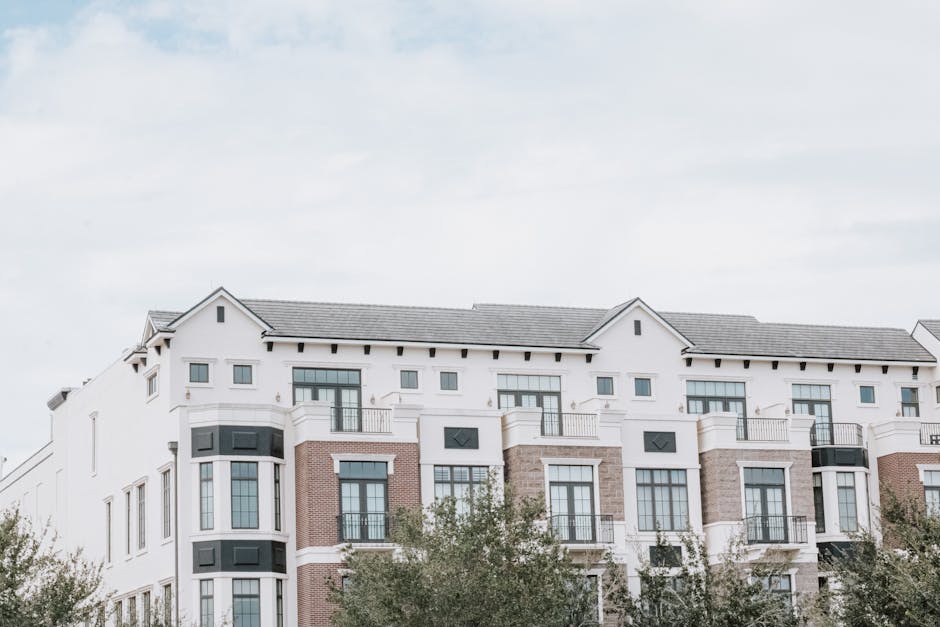
Evaluating the Resilience of Tampa Luxury Assets
The Tampa luxury real estate sector continues to demonstrate a unique decoupling from broader national trends. While many Tier-1 markets have faced significant cooling due to shifting interest rates and macroeconomic uncertainty, Tampa’s high-end segment remains anchored by a persistent influx of domestic wealth. This resilience is not merely anecdotal; it is supported by a fundamental imbalance between the demand for modern, turn-key properties and a restricted supply of premium inventory. Buyers in this bracket are increasingly prioritizing functional luxury—assets that provide security, proximity to the city’s expanding commercial hubs, and architectural permanence.
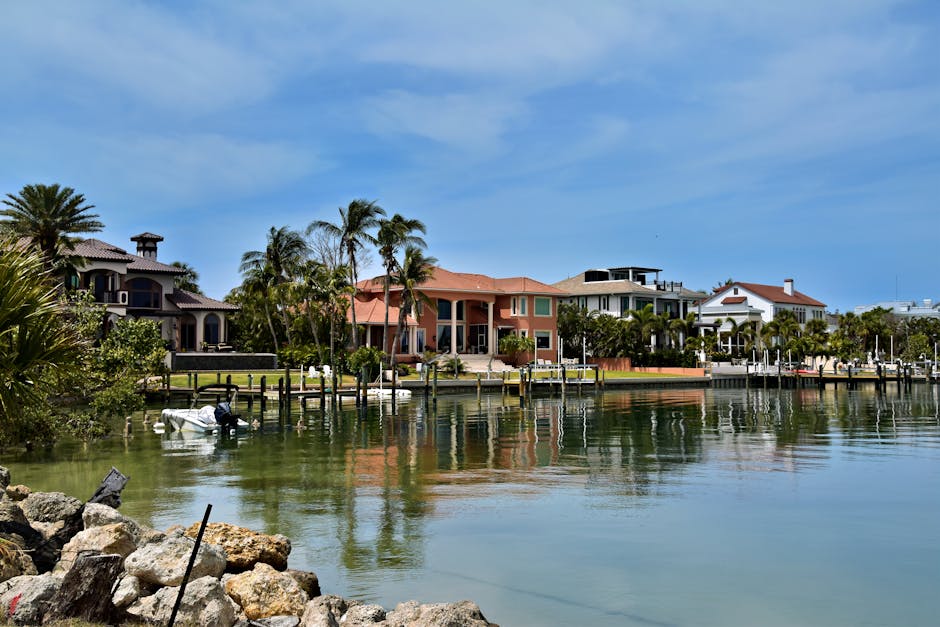
Data indicates that Tampa Bay’s luxury market grows stronger even as other regions witness price adjustments. This strength is driven by a demographic shift where affluent individuals are moving from high-tax environments to the Florida Gulf Coast, viewing real estate as a long-term hedge. The current median list price in the luxury tier stands at approximately $2,285,000, with an average list price approaching $3,000,000. This suggests that the top end of the market is pulling the average upward, reflecting a high concentration of ultra-premium listings that rarely surfaced in previous cycles.
Navigating this landscape requires an understanding of neighborhood-level micro-trends. Acquisitions on Davis Islands or within the historic confines of Hyde Park operate under different valuation metrics than emerging luxury corridors in the Westshore district. For the serious buyer, the goal is to identify properties where the land value is fortified by historic significance or unique geographical advantages, such as deep-water access or unobstructed views of the downtown skyline.
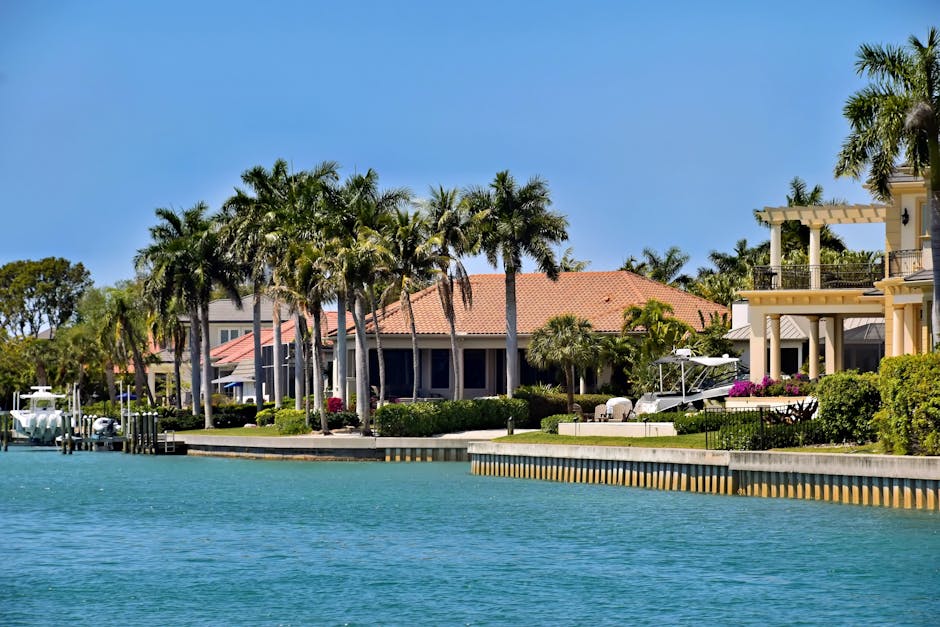
The Maturation of Tampa’s Vertical Luxury Sector
For decades, Tampa was defined by sprawling single-family estates. However, we are currently witnessing a pivot toward high-density, full-service luxury. Analysts often describe this as an early-stage luxury condo market, characterized by a new wave of developments that offer amenities previously found only in Miami or New York. This shift is particularly attractive to buyers who split their time between multiple cities and require a lock-and-leave lifestyle without compromising on finishes or service levels.
The expansion of Water Street Tampa has fundamentally altered the gravity of the luxury market. Properties in this district are achieving price per square foot records because they integrate residential living with world-class hospitality and wellness infrastructure. Buyers are no longer just purchasing a residence; they are securing a position within a curated ecosystem. This trend toward vertical living is also a response to the scarcity of developable land in premium waterfront areas, making high-rise acquisitions a strategic play for those seeking modern construction and comprehensive security.
Sophisticated advisors suggest that while the initial entry price for these condos may seem high, the long-term maintenance costs and security advantages often outweigh the overhead of a traditional waterfront estate. The integration of high-end retail and Michelin-recognized dining within walking distance further solidifies the value proposition for this asset class. We advise clients to scrutinize the developer’s track record and the long-term sustainability of association reserves before committing to these emerging high-rises.
Inventory Dynamics and Pricing Benchmarks
Current market inventory sits at approximately 120 active luxury listings. This tight supply environment means that well-priced, high-specification homes move quickly, often with multiple back-up offers in place. The average list price of $2,957,993 reflects a market that is increasingly catering to the $5 million-plus buyer. Large-scale estates, such as those occasionally listed for eight or nine figures, are setting new psychological benchmarks for the entire region. For example, recent reports highlight that record-breaking asking prices are reaching well into the nine-figure range for signature properties.
Inventory composition is currently split between classic Mediterranean revivals and contemporary glass-and-steel designs. The demand for the latter has surged, as younger high-net-worth individuals prioritize open floor plans, smart-home integration, and energy-efficient building envelopes. Older estates often require significant capital expenditure to meet modern standards, which has created a price premium for turn-key, recently renovated properties. Buyers should be prepared to evaluate the cost of modernization when looking at established neighborhoods like Beach Park or Culbreath Isles.
Understanding the velocity of the market is crucial. While the median list price provides a snapshot, the ‘days on market’ for high-quality inventory remains low. This indicates that while the total number of listings may seem stable, the most desirable properties are rotating out of the market rapidly. To stay ahead of the competition, serious buyers must have their financing or proof of funds established and be ready to execute a clean contract with minimal contingencies.
Strategic Acquisition Checklist
- Verify the structural integrity and elevation certificates for waterfront properties to ensure long-term insurability.
- Analyze the comparative market data for specific street-level performance rather than broad neighborhood averages.
- Assess the proximity to private aviation facilities and high-end logistics hubs if travel is a primary lifestyle component.
- Review the property’s historical tax assessment and potential impacts of Florida’s recent property tax shifts.
- Confirm the availability of modern infrastructure, including fiber-optic connectivity and advanced security integration.
- Evaluate the potential for future development in the immediate vicinity that could impact views or privacy.
Economic Catalysts Driving Long-Term Appreciation
The underlying strength of Tampa’s real estate market is tethered to its economic expansion. Tampa’s population growth and economic expansion are not temporary post-pandemic spikes but rather the result of a multi-decade strategy to diversify the regional economy. The growth of the financial services, healthcare, and technology sectors has created a stable base of local high-earners, which provides a floor for property values even during national downturns.
Infrastructure investments, including the modernization of Tampa International Airport and the continued development of the Riverwalk, have increased the city’s global profile. For real estate investors, these public-private partnerships signal a commitment to maintaining a high quality of life and a business-friendly environment. Furthermore, Florida’s lack of state income tax continues to be a primary motivator for wealth migration, effectively increasing the purchasing power of buyers coming from the Northeast or West Coast.
Climate considerations are also shaping the market. Advanced building codes and the proliferation of ‘smart’ irrigation and landscaping mean that newer luxury homes are more resilient and cheaper to operate than their predecessors. Buyers are increasingly asking about LEED certification and impact-rated glass, recognizing that these features are essential for preserving value in a coastal environment. We recommend prioritizing properties that exceed current building standards to ensure maximum appreciation over the next decade.
Negotiating Value in a Competitive Inventory Landscape
In a market where the median price exceeds $2.2 million, negotiation is less about price reduction and more about terms and due diligence. A successful acquisition strategy often involves identifying off-market opportunities or properties that have been mismanaged during the listing process. Our advisory team focuses on data-backed valuations that account for lot size, linear feet of water frontage, and architectural pedigree. In many cases, the value of the land in prime South Tampa locations accounts for more than 60% of the total asset value.
Due diligence should be exhaustive. This includes not only the standard home inspection but also specialized assessments of sea walls, dock structures, and pool systems. For condominiums, a deep dive into the association’s financial health and any upcoming special assessments is mandatory. We also encourage buyers to consider the impact of local events on their quality of life. For instance, the region hosts various festivals and events, from weekend festivals to high-profile concerts, which can influence traffic patterns and neighborhood privacy during peak seasons.
The current market favors the prepared. While inventory has increased slightly, the quality of that inventory varies significantly. Distinguishing between a ‘lifestyle’ property and a sound ‘investment’ property requires an analytical eye and local expertise. Whether you are looking for a primary residence on the water or a strategic secondary home in a high-rise, the fundamentals of location and construction quality remain the ultimate arbiters of value. By focusing on these core principles, buyers can navigate the current complexity of the market with confidence and precision.
To explore the most exclusive inventory currently available, we invite you to browse our curated LISTINGS URL. Our team of senior advisors is prepared to provide the granular data and local context necessary to make an informed decision in this fast-moving environment. For a confidential consultation regarding your specific real estate objectives, please CONTACT URL an advisor today. Secure your position in one of Florida’s most resilient and sophisticated luxury markets.
Your next move in Tampa luxury
Get current inventory, pricing guidance, and private-tour support from our brokerage team.
Source highlights
- Tampa Bay’s most expensive luxury home sales of 2025 – Tampa Bay Times
- Florida luxury real estate surges amid record listings, tax shifts – MSN
- Tampa Bay luxury market grows stronger despite national declines – The Business Journals
- Tampa’s Price Record Is $22.5 Million. This Huge Estate Is Asking $115 Million. – WSJ
- Why Tampa remains an early-stage luxury condo market – Tampa Bay Business & Wealth
- Tampa Bay’s Population Growth and Economic Expansion Reflect Strength in the Housing Market – citybiz
- Things To Do In Tampa This Weekend: Fun Festivals & Events In Tampa This Weekend – That's So Tampa
- Tampa Bay area events this weekend: Laser light music show, Sneaker Kulture and Badge Bowl – WUSF



