


Navigating Current Inventory Constraints and Pricing Thresholds
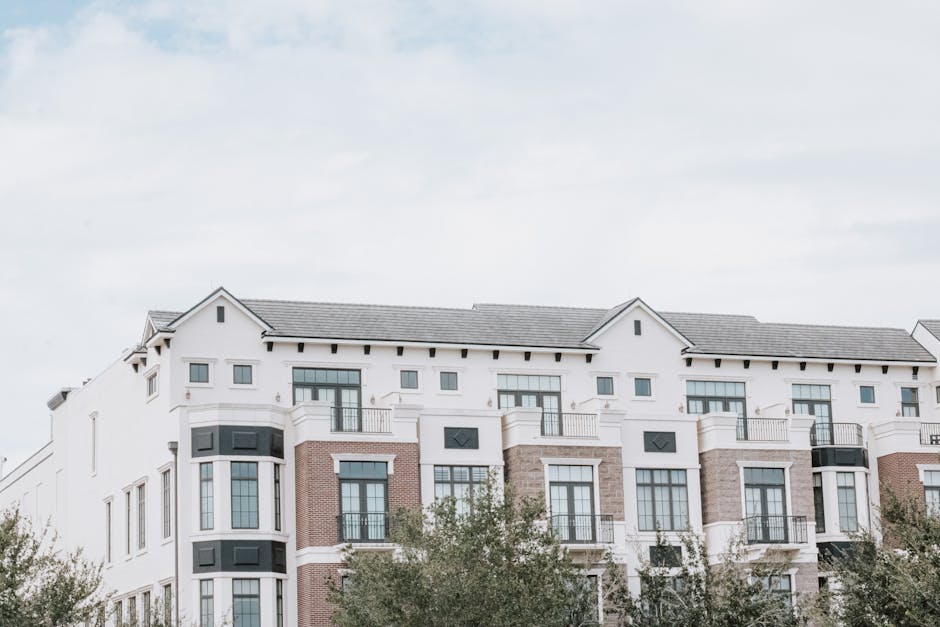
The Tampa luxury real estate sector continues to operate under significant supply constraints, with active inventory for high-end residences holding steady at approximately 120 units. For the sophisticated buyer, this limited selection necessitates a proactive approach to acquisition, particularly as the median list price for luxury assets has stabilized near $2,272,925. We are seeing a distinct flight to quality, where properties with superior architectural provenance and modern infrastructure command substantial premiums over traditional ranch-style homes or older renovations. The competition is most acute for turnkey estates that minimize the need for post-sale capital improvements, a trend driven by the rising cost of high-grade materials and specialized labor.
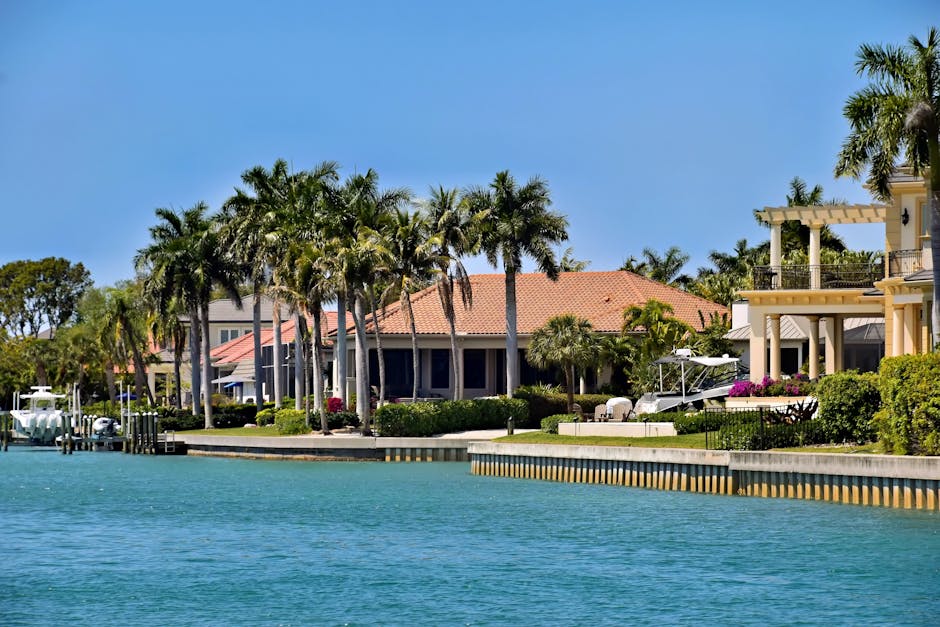
Market movement in mid-2026 reflects a deeper institutional confidence in the region’s long-term appreciation. Analysis of recent transaction data suggests that while the average list price remains near $2,960,243, the actual closing figures for ‘trophy assets’—those uniquely positioned on Davis Islands or along Bayshore Boulevard—frequently exceed initial expectations. This upward pressure is reinforced by Tampa Bay’s consistent population growth and economic expansion, which provide a robust floor for residential valuations. Buyers should anticipate shorter contingency periods and the necessity of proof-of-funds documentation prior to securing private showings for the market’s most exclusive offerings.
Understanding the distinction between list price and underlying asset value is paramount. In neighborhoods like Beach Park and Hyde Park, land value often accounts for more than sixty percent of the total appraisal, especially for oversized lots. Investors are increasingly looking at commercial-to-residential adjacent opportunities, such as the recent listings near the Westshore business district, to hedge against inflation. This strategic positioning requires a nuanced understanding of local zoning and the future development pipeline, which continues to transform the city’s skyline and residential density patterns.
The Evolution of Vertical Living and Condo Valuation
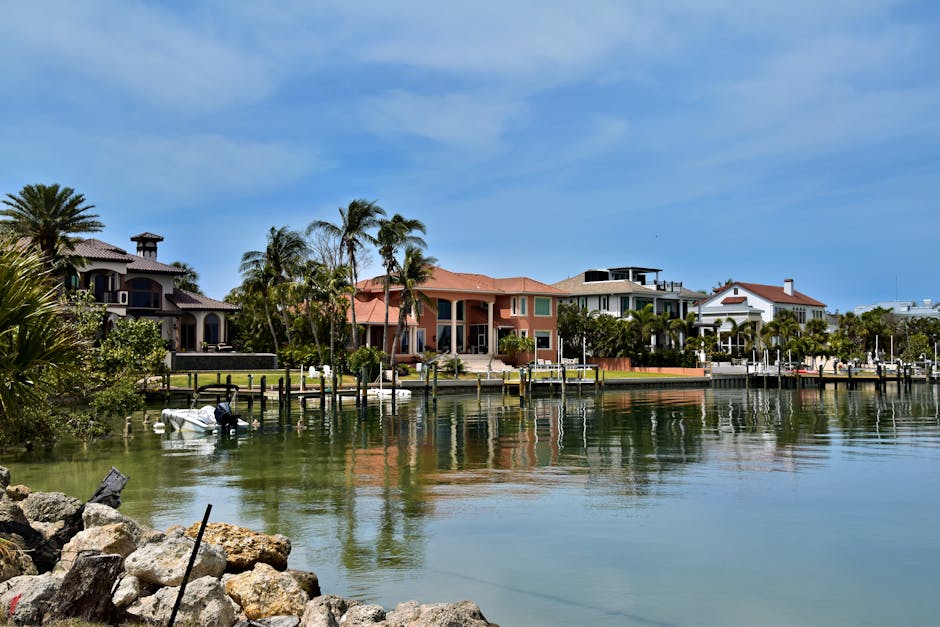
Tampa is currently identified as an early-stage luxury condominium market, presenting a unique window for investors who missed the initial surges in South Florida. Unlike established vertical markets, Tampa’s high-rise inventory is dominated by a select few developers focusing on low-density, service-heavy projects. This scarcity of high-end vertical product has shifted buyer behavior, with many affluent residents migrating from traditional estates to large-format condos that offer the security and maintenance-free lifestyle required by frequent travelers. This transition is not merely about convenience; it is a calculated move toward assets with predictable carrying costs and superior storm resiliency.
The pricing for these vertical assets is increasingly decoupled from standard residential metrics. Instead of price-per-square-foot alone, buyers are evaluating the health and reserves of the Homeowners Associations (HOA) and the long-term viability of the amenity packages. As noted by industry reports on the Tampa condo market, the demand for three-plus bedroom units is outstripping supply, leading to a premium on floor plans that mimic the privacy of a single-family home. Strategic buyers are focusing on developments in Water Street and the Channel District, where infrastructure is integrated into the living experience, providing a level of walkability previously unavailable in the region.
When assessing a condominium acquisition, the verification of developer track records and future neighboring developments is essential. The potential for ‘view blockage’ or changes in local traffic patterns can significantly impact future liquidity. We advise clients to scrutinize the glass specifications and acoustic insulation of newer builds, as these technical details often differentiate a standard luxury unit from a world-class residence. As the city continues to densify, these internal specifications will become the primary drivers of secondary market value, protecting the owner’s equity against newer, competing inventory.
Comparative Analysis of Historic Estates vs. Modern New Builds
The architectural landscape of Tampa offers a stark contrast between Mediterranean Revival estates from the 1920s and contemporary minimalist builds. For the advisor-led buyer, this choice involves more than aesthetic preference; it is a decision on maintenance cycles and insurance feasibility. Historic homes in areas such as Palma Ceia or Old Hyde Park carry a prestige that new construction cannot replicate, yet they require specialized contractors familiar with lath-and-plaster repair and vintage electrical systems. Conversely, new builds offer the immediate benefit of full compliance with the most recent Florida Building Codes, which can lead to significant savings on annual insurance premiums.
Current market movement shows a strong preference for ‘organic modern’ designs that incorporate local limestone, floor-to-ceiling glass, and integrated outdoor living spaces. These homes are designed to withstand the May and June rain cycles, where high-efficiency drainage systems and elevated foundations are not just luxury features but functional necessities. Buyers should also consider the impact of smart-home integration; a truly modern estate now requires a centralized network for climate control, security, and automated shading to manage the Florida sun. The absence of these systems in a high-end listing is often a sign of deferred technological maintenance that must be addressed in the negotiation phase.
Valuation methodology for historic properties must account for the rarity of the lot. In many South Tampa neighborhoods, the land itself is the primary asset, and the structure serves as a placeholder for future redevelopment. However, for homes with historical designations, the inability to demolish or significantly alter the exterior creates a ‘scarcity premium’ that appeals to certain collectors. We recommend a dual-track appraisal process for these assets: one focused on the replacement cost of the structure and another on the historical significance and land value, ensuring that the offer reflects the true market position of the property.
The Essential Due Diligence Framework for Tampa Acquisitions
Acquiring a high-value asset in the current environment requires a rigorous verification process that extends beyond a standard home inspection. The complexity of coastal Florida real estate demands specialized expertise in soil stability, seawall integrity, and elevation certificates. Buyers should prioritize the following checklist to ensure the structural and financial health of their potential investment:
- Verify the structural integrity of seawalls and docks for waterfront properties, including a professional dive inspection for underwater piling health.
- Review the most recent Elevation Certificate and compare it against projected FEMA flood zone adjustments to anticipate future insurance costs.
- Perform a comprehensive HVAC analysis, specifically checking for humidity control systems and ductwork sanitation in older South Tampa renovations.
- Request a detailed ‘Clue Report’ and historical insurance claim data to identify any previous water intrusion or structural repairs not disclosed in standard filings.
- Examine the roof’s age and material specifications against current insurance carrier requirements for windstorm coverage eligibility.
- Analyze the local zoning for neighboring parcels to prevent future encroachment on privacy or unexpected commercial development.
The timing of these inspections is critical. With current weather patterns showing moderate rain and high temperatures, now is the ideal time to observe how a property manages water runoff and how well its thermal envelope performs under peak load. Identifying drainage issues before the more intensive late-summer storm season can save hundreds of thousands in remediation costs. Furthermore, understanding the proximity to local cultural hubs and schools is vital for long-term resale value, as proximity to these amenities remains the most consistent driver of demand in the Tampa market.
Economic Drivers and the Impact of Wealth Migration
The surge in Florida’s luxury market is not a transient trend but a structural shift driven by national tax policies and the migration of high-net-worth individuals. As reported by financial news outlets analyzing the Florida real estate surge, the relocation of corporate headquarters and private equity firms to the Tampa Bay area has created a new class of ‘hyper-local’ buyers. These individuals are less sensitive to interest rate fluctuations and more focused on capital preservation and tax efficiency. The lack of state income tax remains a significant incentive, but the primary driver in 2026 is the maturity of Tampa’s lifestyle infrastructure—private clubs, high-end dining, and world-class health facilities.
The price ceiling for the region is also being redefined. The recent market entry of estates with record-breaking asking prices has recalibrated what is possible in the Tampa market. According to a report on Tampa’s pricing records, the expansion of the ‘ultra-luxury’ tier above $20 million is forcing a re-evaluation of the ‘standard’ luxury tier. This creates a halo effect, where properties priced in the $5 million to $10 million range appear increasingly undervalued compared to national peers in Austin, Miami, or Nashville. This comparative value is a key metric for out-of-state buyers who recognize that Tampa still offers a significant ‘buy-in’ discount relative to the quality of life provided.
We advise our clients to monitor the commercial development of the Westshore and Downtown corridors as a lead indicator for residential demand. When institutional capital invests in high-end office space and luxury hospitality, residential appreciation inevitably follows. The synergy between these sectors has reached a tipping point, where the professional and personal lives of the city’s residents are now supported by a seamless infrastructure of high-end services. This maturity signal is what distinguishes the current market from the speculative bubbles of the past; today’s valuations are backed by real economic activity and permanent residency shifts.
Local Navigation and Cultural Integration for the Modern Buyer
For the luxury buyer, a home is not just an asset but an entry point into a community. Understanding the rhythm of Tampa requires a focus on local events and neighborhood-specific lifestyles. Whether it is attending premier local festivals and events or participating in the city’s evolving sports and arts culture, the modern resident values access as much as privacy. South Tampa buyers, for instance, often prioritize proximity to the Yacht Club or the social hubs of Hyde Park Village, while those in North Tampa may seek the secluded privacy of expansive estates with integrated equestrian or sporting facilities.
The decision-useful guidance for those new to the area is to visit potential neighborhoods during various times of the week. Traffic patterns around the Gandy Bridge or the Howard Frankland Bridge can drastically alter the daily experience of living in Beach Park versus Davis Islands. Furthermore, the availability of high-end private education and specialized medical care is a primary consideration for families. These factors, while not directly listed on a property’s spec sheet, are the true determinants of long-term satisfaction and asset liquidity. A property that offers easy egress to the airport and the business district will always maintain a premium over a similar home in a less connected location.
Finally, we emphasize the importance of working with an advisor who understands the ‘off-market’ landscape. In a supply-constrained environment, many of the city’s most significant transactions occur privately, without ever reaching a public portal. This hidden inventory represents a significant portion of the luxury market movement, and access to these listings requires deep-rooted local connections. As the market continues to evolve toward a more sophisticated, global model, having an advocate who can navigate both the data-backed analytics and the nuanced local social landscape is the only way to ensure a successful and secure acquisition.
To successfully navigate this complex environment, you require a partner who prioritizes data over hype and long-term value over quick transactions. Our team specializes in the strategic acquisition and disposition of Tampa’s most prestigious residential assets, providing the analytical briefs and local market intelligence necessary for informed decision-making. We invite you to explore our curated portfolio of luxury homes for sale and connect with a senior advisor to discuss your specific requirements. By aligning your investment goals with our deep understanding of neighborhood-level implications, you can secure a position in one of Florida’s most resilient and promising luxury markets. Please contact our office today to schedule a confidential consultation and begin your journey toward a strategic acquisition in the Tampa Bay area.
Your next move in Tampa luxury
Get current inventory, pricing guidance, and private-tour support from our brokerage team.
Source highlights
- Tampa Bay’s most expensive luxury home sales of 2025 – Tampa Bay Times
- Florida luxury real estate surges amid record listings, tax shifts – MSN
- Tampa Bay luxury market grows stronger despite national declines – The Business Journals
- Tampa’s Price Record Is $22.5 Million. This Huge Estate Is Asking $115 Million. – WSJ
- Why Tampa remains an early-stage luxury condo market – Tampa Bay Business & Wealth
- Tampa Bay’s Population Growth and Economic Expansion Reflect Strength in the Housing Market – citybiz
- Things To Do In Tampa This Weekend: Fun Festivals & Events In Tampa This Weekend – That's So Tampa
- Tampa Bay area events this weekend: Laser light music show, Sneaker Kulture and Badge Bowl – WUSF



