


The Structural Maturation of Tampa’s High-End Sector
The Tampa luxury real estate market has transcended its former status as a regional value alternative, evolving into a sophisticated primary destination for global capital. As of mid-2026, the inventory landscape reflects this transition, with a median list price for luxury assets holding steady above $2.2 million. This stability is not merely a byproduct of inflation but a result of fundamental shifts in buyer demographics. We are seeing a sustained influx of high-net-worth individuals who are prioritizing permanent residency over seasonal occupancy, fundamentally altering the velocity and pricing floors of South Tampa and the surrounding waterfront corridors.
While historical data often pointed toward a volatile high-end sector, the current inventory of approximately 120 premium listings demonstrates a disciplined market. Average list prices currently hover near $3 million, driven by a scarcity of buildable land in prestigious enclaves like Davis Islands and Hyde Park. For the sophisticated buyer, the focus has shifted from simple square footage to the architectural integrity and technological integration of the property. The entry of institutional-grade management into the residential space has further professionalized the acquisition process, making the role of a private advisor more critical than ever.
Neighborhood Nuance: Comparing Davis Islands and the South Tampa Corridor
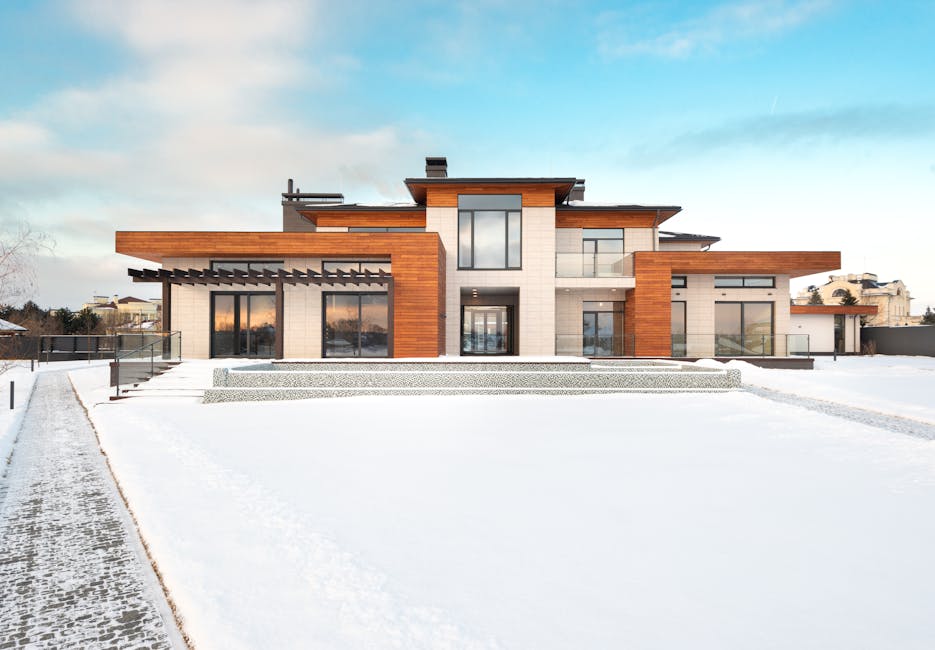
Davis Islands remains the benchmark for waterfront value in the region, yet the nature of its inventory is changing. The traditional Mediterranean revival estates are increasingly competing with modern, minimalist glass structures that prioritize floor-to-ceiling vistas of Hillsborough Bay. This architectural shift is more than an aesthetic trend; it represents a demand for higher elevation and more robust storm-resilient engineering. Buyers are no longer just looking at the finished interior but are scrutinizing the foundational specifications and drainage systems that define long-term viability in Florida’s coastal environment.

In contrast, the inland pockets of South Tampa offer a different value proposition. Areas surrounding Bayshore Boulevard are seeing a resurgence in high-end renovations where the heritage of the neighborhood is preserved while the internal systems are modernized to 2026 standards. The proximity to the growing commercial core and elite private schools continues to sustain demand in these non-waterfront luxury segments. We observe that properties in these neighborhoods often trade with fewer days on market compared to their coastal counterparts, primarily due to the established infrastructure and lower insurance premiums associated with higher ground.
The Vertical Expansion: Downtown’s Entry into Ultra-Luxury
The skyline of Downtown Tampa is undergoing a radical transformation that is redefining the local definition of a primary residence. For years, the city was considered an early-stage luxury condo market, but recent developments have accelerated its maturity. Massive demolition projects are making way for ultra-luxury towers that offer full-service concierge living, appealing to a demographic that values security and convenience over the maintenance requirements of a traditional estate.
These vertical communities are attracting a global audience that may have previously looked toward Miami or Naples. The integration of high-end retail, wellness centers, and private club access within these buildings has created a self-contained ecosystem for residents. As supply in these new developments begins to reach the market, we expect a secondary effect on the pricing of older condominiums. Buyers must carefully evaluate the long-term assessment risks in older buildings compared to the premium pricing of new construction. The shift toward vertical living is a clear indicator that Tampa has entered the next phase of urban density and luxury demand.
Acquisition Strategy: A 2026 Buyer’s Checklist
Navigating a high-value transaction in today’s environment requires a tactical approach that goes beyond the initial viewing. Precision in due diligence is what separates a successful acquisition from a long-term liability. Before moving to a formal offer, consider the following technical and strategic benchmarks:
- Verification of current elevation certificates and a comprehensive review of revised FEMA flood maps for coastal parcels.
- Audit of the Homeowners Association or Condo Association financial reserves, particularly in light of recent Florida legislative changes regarding building safety.
- Assessment of property-specific insurance quotes from at least three high-limit providers to understand the carrying cost of the asset.
- Analysis of nearby development permits to ensure that existing views or neighborhood density will not be adversely affected in the near future.
- Review of the property’s history in the off-market database to identify previous attempts at sale or private listing notes.
- A detailed inspection of the HVAC and smart-home integration systems to ensure they meet the demands of a high-humidity environment.
By adhering to this level of scrutiny, buyers can mitigate the risks associated with rapid market appreciation. The goal is to identify assets that possess intrinsic value—such as prime lot positioning or exceptional build quality—rather than just following current aesthetic trends. Data-backed decision-making remains the most effective tool for wealth preservation in the real estate sector.
Environmental Resilience and Long-Term Value
In 2026, environmental design is no longer an optional upgrade; it is a fundamental pillar of property value. Buyers are increasingly focused on the “hardiness” of a home. This includes everything from impact-rated glazing to advanced rainwater harvesting and mitigation systems. As weather patterns show increased precipitation—evidenced by recent forecasts showing significant rain probabilities over the weekend—the ability of a property to manage water flow is a top-tier concern. Sophisticated buyers are asking about the thickness of seawalls and the depth of piling systems before they ever inquire about the kitchen finishes.
The trends in Florida real estate suggest that properties with integrated sustainable features maintain their value better during market corrections. This is particularly true for estates that incorporate backup power solutions, such as whole-home generators or industrial-scale battery storage. These features are becoming standard expectations in the $3 million-plus price bracket. When evaluating two comparable properties on Davis Islands or in Harbour Island, the one with superior environmental engineering will consistently command a shorter closing window and a higher price per square foot.
The Velocity of the Private Placement Economy
A significant portion of Tampa’s high-end activity occurs away from the public eye. Off-market transactions, or private placements, have become the preferred method for many sellers in South Tampa to maintain privacy while testing the market. These deals often involve the most prestigious properties—those that would set records for the most expensive luxury home sales. For a buyer, accessing this hidden inventory requires deep local connections and a reputation for being a qualified, decisive closer.
The private placement market moves on a different set of metrics than the public MLS. Relationships and reputation are the primary currencies. Sellers in this bracket are often not motivated by necessity but by the opportunity to trade into a different asset class or a newer build. Consequently, these transactions require a high degree of discretion and a nuanced negotiation strategy. Understanding the motivations of a seller in a private deal is often more important than the initial price point. This is where the expertise of a senior advisor becomes indispensable, acting as the bridge between two private parties looking for a seamless, quiet transition of ownership.
Strategic Positioning for 2026 Portfolio Growth
As we look toward the remainder of 2026, the Tampa market continues to offer compelling opportunities for those who understand its underlying mechanics. The transition from a speculative market to a mature, primary-residence-driven economy provides a level of security that was previously absent. Buyers should focus on acquiring assets in established neighborhoods that are undergoing a revitalization of their core infrastructure. Whether it is a modern waterfront estate on Davis Islands or a refined high-rise in Downtown Tampa, the emphasis should remain on quality, resiliency, and strategic location.
Success in this market is reserved for those who view real estate through an analytical lens. The current inventory provides a unique window for acquisition before the next wave of institutional investment further compresses cap rates and raises pricing floors. We recommend a proactive approach: monitoring movement in the off-market sector and being prepared to move quickly when a property meets your specific criteria for engineering and architectural excellence. To explore current opportunities and understand the nuances of the local landscape, we invite you to browse our exclusive listings and contact a senior advisor for a confidential consultation on your next move.
Your next move in Tampa luxury
Get current inventory, pricing guidance, and private-tour support from our brokerage team.
Source highlights
- ‘Selling Tampa’ Star Sharelle Rosado Slid into Chad ‘Ochocinco’ Johnson’s DMs – Netflix
- Tampa Bay’s most expensive luxury home sales of 2025 – Tampa Bay Times
- Demolition begins to make way for luxury condos in downtown Tampa – The Business Journals
- Why Tampa remains an early-stage luxury condo market – Tampa Bay Business & Wealth
- The highest-value homes in Tampa – WFTV
- Florida Trend Real Estate – Florida Trend
- Tampa Bay area music events this weekend: Bob Dylan's birthday celebrations – WUSF
- Things to do with kids this weekend in Tampa, FL – That's So Tampa


