The Maturation of Tampa’s High-End Sector
Tampa is no longer merely a speculative or secondary market. The shift toward establishing primary legacy residences here is evident in current purchasing patterns and inventory composition. Affluent buyers are approaching acquisitions with a longer hold period in mind, focusing on structural integrity, architectural provenance, and immediate community infrastructure. This evolution requires a recalibration of how properties are evaluated, demanding comprehensive assessments of building quality over superficial aesthetics.

Recent data reflects this stabilization and the increasing sophistication of the buyer pool. With approximately 120 active luxury properties available across the region, the market is offering selective buyers more leverage to negotiate terms. The median list price currently sits at $2.3 million, while the average approaches $3.1 million, underscoring a stark divergence between entry-level luxury assets and ultra-premium custom estates.
This transition is well documented by industry observers. For instance, legal analyses note Tampa Bay’s waterfront emerging as a primary luxury market. Buyers are demanding properties that can serve as substantial primary bases, complete with the requisite infrastructure for remote executive work and long-term family habitation.

Evaluating the Waterfront Premium vs. Inland Estates
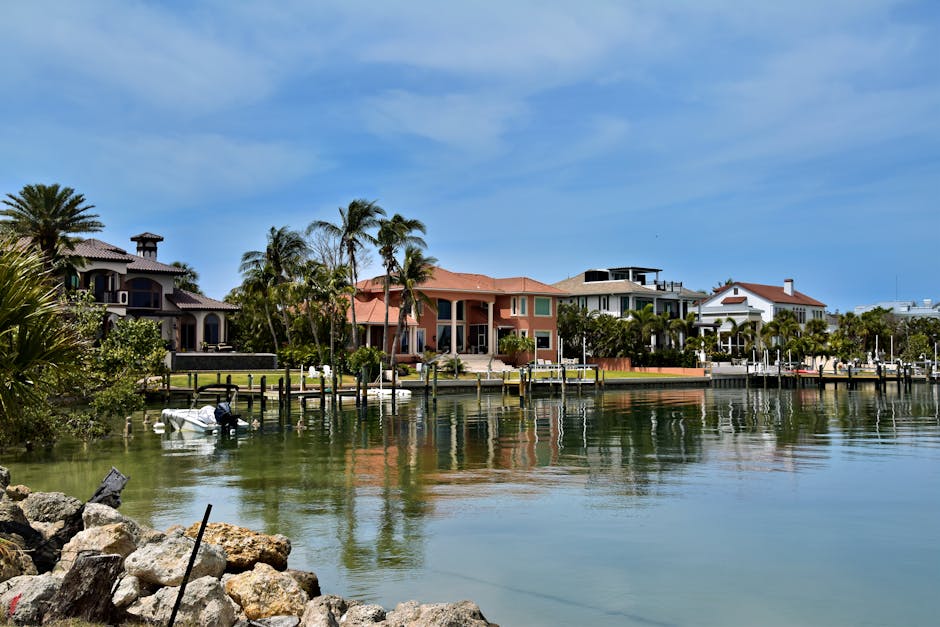
The decision between coastal proximity and inland acreage remains the defining choice for high-net-worth purchasers. Davis Islands and Bayshore Beautiful continue to command significant premiums driven by scarcity and navigable open-water access. However, acquiring these assets requires careful auditing. Buyers must meticulously review recent seawall improvements and current elevation certificates to ensure long-term viability against rising insurance overheads.
Conversely, inland enclaves such as Golfview and Parkland Estates are capturing a distinct buyer demographic that prioritizes larger lot sizes and historic architectural character over immediate water access. These neighborhoods offer dense oak canopies and immediate access to established commercial corridors. They present a different value proposition that frequently requires significant capitalization for modernization to meet contemporary structural standards.
The ongoing evolution of the broader region heavily influences Tampa buyers. As corporate executives frequently evaluate both sides of the bay before finalizing an acquisition, cross-bay comparative analyses are critical. Understanding the distinct property tax implications and municipal zoning regulations is crucial for buyers holding diversified regional portfolios.
Strategic Due Diligence for High-Net-Worth Buyers
Navigating a market with an average list price exceeding $3.1 million demands rigorous, objective assessment that strips away emotion. High-end purchasing based on staging or initial impressions often leads to substantial post-closing capitalization burdens. Buyers must separate cosmetic updates from core structural soundness and aggressively verify all municipal permits for recent renovations, especially in older, established neighborhoods.
When evaluating properties, such as those listed around the $2.2 million to $2.9 million mark in historic districts, it is absolutely essential to conduct forensic-level inspections. This includes utilizing specialized contractors to assess the remaining functional lifespan of critical systems such as roof membranes, complex HVAC networks, and integrated smart home infrastructure, which are frequently outdated even in homes with premium valuations.
To mitigate risk, protect the initial capital outlay, and ensure a structurally sound acquisition, buyers should mandate the following verifications prior to the expiration of the standard inspection period:
- Review current elevation certificates and assess any pending FEMA flood map revisions.
- Verify closed municipal permits for all structural additions, roof replacements, and hardscaping.
- Audit the property’s current wind mitigation credits to accurately project future insurance liabilities.
- Commission a specialized marine contractor for a thorough inspection of seawalls, docks, and lifts.
- Confirm zoning allowances and setback requirements if future expansion or accessory structures are planned.
- Assess the age, warranty status, and integration capacity of existing smart home operating systems.
The Condominium Sector: Maturation and Future Supply
The vertical living sector in Tampa is experiencing its own specific maturation cycle. While the high-end residential estate market is well established, the luxury condominium market is still actively defining its standards for comprehensive amenities, acoustic privacy, and architectural significance. Buyers transitioning from highly developed vertical markets often find that the local inventory requires discerning filtering to meet baseline expectations.
As highlighted in recent regional business reporting, Tampa remains an early-stage luxury condo market. This dynamic presents both distinct opportunity and tangible risk. Early entrants can potentially secure favorable pricing, but they must carefully evaluate the developer’s historical track record and the projected financial health of the nascent homeowner’s association.
For those considering opportunities in the Channel District or along the Riverwalk, intense scrutiny must be applied to the declaration of condominium. Understanding the exact allocation of monthly maintenance fees and the trajectory of reserve funding is non-negotiable for protecting the asset’s future liquidity and operational flexibility.
Buyers must also factor in the broader cultural landscape when evaluating a specific tower’s location. Proximity to weekend events and regional festivals can significantly enhance the appeal of a primary urban residence, but it introduces variables that must be assessed during the selection process.
Architectural Provenance and Capital Improvements
A critical component of evaluating Tampa’s high-end real estate is understanding the distinct value assigned to architectural provenance versus new construction. Historic properties in neighborhoods like Hyde Park offer irreplaceable character, but they demand a buyer fully prepared for the intricacies of historic preservation. Navigating the architectural review commission requires patience and significant capital allocation, meaning these properties are rarely suitable for buyers seeking immediate occupancy without modifications.
Conversely, the influx of modern, speculative builds across South Tampa offers the appeal of zero deferred maintenance and contemporary floor plans. However, not all new construction is created equal. The rapid pace of development means that material quality and execution vary wildly. Buyers must demand construction logs, verify the reputations of the sub-contractors utilized, and scrutinize the warranties provided on foundational elements.
When analyzing properties, the focus must remain on the cost of necessary capital improvements. A lower initial acquisition price is quickly offset if the property requires a total overhaul of the HVAC system or extensive structural remediation. Calculating the true cost of ownership requires projecting these capital expenditures over a long-term hold period.
Pricing Realities and Negotiation Leverage
The current inventory of 120 active luxury listings indicates a market steadily moving toward a balanced equilibrium. Sellers can no longer rely on sheer scarcity or historical momentum to drive premium valuations without justification. Properties lacking recent, high-quality renovations, or those suffering from functional obsolescence, are experiencing extended days on market and requiring decisive price adjustments to attract sophisticated, data-driven buyers.
In this environment, buyers possess the leverage to demand tangible seller concessions. This can take the form of direct price reductions to reflect the current interest rate environment, or substantial closing cost credits applied directly toward necessary infrastructure upgrades. The days of unconditional offers on compromised assets have ended, replaced by a climate of rigorous negotiation and stringent contract contingencies.
Executing a successful acquisition requires aligning with an advisor who interprets raw data. Buyers must demand customized comparative market analyses that adjust for hyper-local variables—such as specific street positioning and architectural pedigree—rather than relying on generalized, often misleading, neighborhood averages. This analytical approach ensures the final acquisition price reflects the property’s true market position.
Securing Your Position in Tampa
As the Tampa real estate market continues its maturation into a primary destination for affluent buyers, the window for strategic acquisitions remains open for those prepared to act decisively based on verifiable data. The focus must remain steadfastly on long-term asset performance, prioritizing structural integrity, prime location, and strict legal compliance over temporary aesthetic trends.
Whether evaluating a meticulously preserved historic estate in South Tampa, a modern waterfront compound requiring marine infrastructure audits, or a high-floor condominium in a developing district, thorough due diligence is paramount. Expert, objective guidance is the sole differentiator between executing a financially prudent investment and acquiring a compromised asset burdened with unforeseen liabilities.
Begin your comprehensive market assessment by reviewing our curated portfolio of Tampa luxury properties to establish a clear baseline of current offerings. When you are ready to initiate a highly targeted search or require an independent evaluation of a specific real estate asset, contact our advisory team to schedule a confidential, data-driven consultation.
Your next move in Tampa luxury
Get current inventory, pricing guidance, and private-tour support from our brokerage team.
Source highlights
- Tampa Bay’s most expensive luxury home sales of 2025 – Tampa Bay Times
- Column: Why executives keep choosing St. Pete – The Business Journals
- Why Tampa remains an early-stage luxury condo market – Tampa Bay Business & Wealth
- Tampa Bay’s Waterfront Emerges as a Primary Luxury Real Estate Market – The National Law Review
- Florida Trend Real Estate – Florida Trend
- Jennifer Zales Unveils Venetian Isles Waterfront Luxury Now Offered At A New Price – Haute Living
- Things To Do In Tampa This Weekend: Fun Festivals & Events In Tampa This Weekend – That's So Tampa
- Tampa Bay-area events this weekend: Sharkapalooza and St. Pete Italian Fest – WUSF