The Maturation of Tampa’s Premium Real Estate Market
Tampa’s luxury real estate landscape has fundamentally shifted. Once viewed as an emerging alternative to established South Florida markets, Tampa now commands attention as a primary destination for high-net-worth buyers. The shift is measurable. With active luxury inventory remaining tight—hovering around 120 properties—and an average list price exceeding three million dollars, the market requires a strategic, analytical approach. Buyers are no longer simply looking for warm weather; they are acquiring architectural significance and prime waterfront positioning.

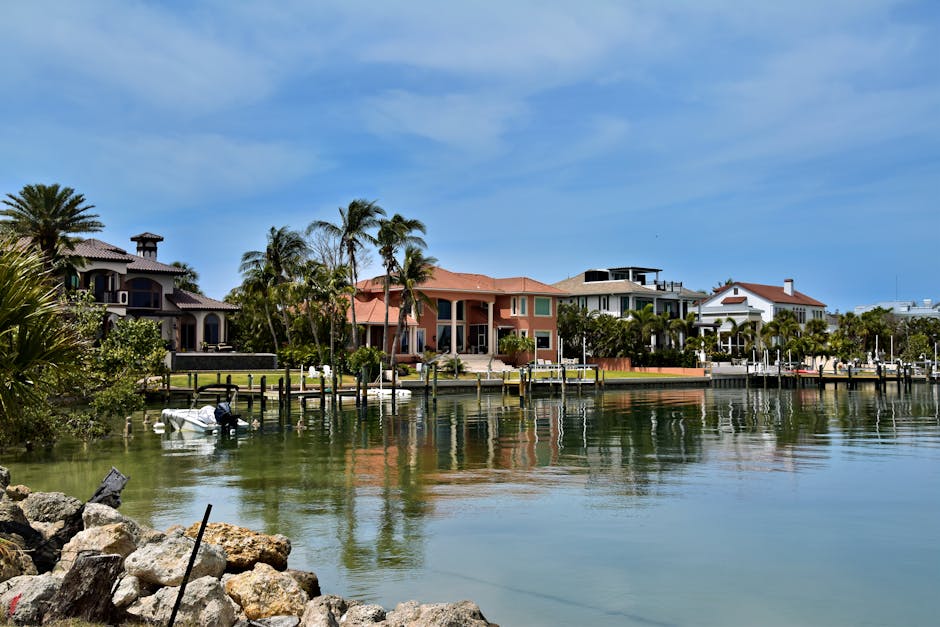
The evolution of our local market is particularly evident along the coastlines. Waterfront properties have historically held their value, but recent trends indicate a surge in demand for estates that offer both deep-water access and modern, resilient construction. According to a recent legal analysis, Tampa Bay’s Waterfront Emerges as a Primary Luxury Real Estate Market, underscoring the shift toward coastal exclusivity. This transition requires buyers to act with precision, prioritizing empirical data over emotional responses when evaluating potential acquisitions.
Neighborhoods such as Davis Islands and Culbreath Isles exemplify this elevated demand. These areas offer a blend of privacy, expansive lot sizes, and immediate access to the open bay. For affluent buyers, the focus has shifted from basic location to nuanced neighborhood dynamics, including architectural guidelines, future development constraints, and the pedigree of recent neighborhood sales. Understanding these micro-market variables is essential for executing a successful acquisition without overexposing capital.

Why Executive Relocation Drives Demand
Corporate migration continues to act as a primary catalyst for Tampa’s high-end property sector. The influx of C-suite executives and business founders has recalibrated buyer expectations. These individuals require residences that facilitate a seamless transition between professional obligations and private leisure. The demand centers on specific amenities: dual executive home offices, comprehensive smart-home infrastructure, and proximity to major commercial hubs and private aviation facilities.
The appeal of the region extends beyond Tampa proper, with neighboring enclaves drawing significant executive interest. A recent report from The Business Journals, Column: Why executives keep choosing St. Pete, highlights the parallel growth across the bay. Executives are methodically evaluating the distinct advantages of South Tampa’s historic prominence versus St. Petersburg’s burgeoning downtown waterfront. This comparative analysis is a critical phase of the relocation process, demanding an advisor who understands the distinct rhythms of both micro-markets.
For relocating buyers, time is often the most constrained resource. They rely on sophisticated market intelligence to quickly identify properties that meet stringent criteria. They are not touring dozens of homes; they are reviewing highly curated portfolios. Current market data shows properties ranging from a two million dollar estate on North Florida Avenue to a nearly three million dollar compound on West Dr. Martin Luther King Jr. Boulevard. Each represents a distinct lifestyle and investment profile, requiring careful vetting against the buyer’s specific mandate and timeline.
The Strategic Value in Early-Stage Condo Markets
While single-family waterfront estates remain a cornerstone of Tampa’s luxury portfolio, the high-end condominium sector is undergoing a profound transformation. The skyline along Bayshore Boulevard and the Water Street district reflects a new standard of vertical living. These developments cater to buyers seeking turn-key convenience without sacrificing space, privacy, or premium finishes. The amenity packages rival those of five-star resorts, offering private elevator foyers, dedicated concierge services, and robust security protocols.
Despite this rapid development, the market still presents distinct opportunities for discerning buyers. As highlighted by Tampa Bay Business & Wealth, there is substantial value in understanding Why Tampa remains an early-stage luxury condo market. Entering an early-stage market allows buyers to secure prime floor plans, negotiate favorable terms, and customize finishes prior to completion. This foresight often translates to strong retention of value as the building matures and the surrounding infrastructure develops.
Evaluating a luxury condominium requires a different framework than assessing a single-family home. Buyers must scrutinize the developer’s track record, the financial health of the condominium association, and the specific rights regarding rentals and renovations. The goal is to ensure the building’s operational structure aligns with the buyer’s long-term utilization plan, whether as a primary residence, a seasonal retreat, or a strategic pied-à-terre. Tracking these metrics is essential, as noted by ongoing observations from Florida Trend Real Estate.
Evaluating High-End Properties: A Strategic Approach
Securing a premium property in a competitive market requires a disciplined evaluation process. Buyers must move beyond aesthetic appeal and conduct rigorous due diligence. This involves assembling a team of specialized inspectors, real estate attorneys, and market analysts to thoroughly vet every aspect of the transaction. The objective is to identify potential liabilities before they become financial burdens and to validate the property’s intrinsic value against current market comparables.
When touring properties, affluent buyers should employ a methodical checklist to ensure no critical detail is overlooked. This structured approach separates emotional impulses from sound investment principles and establishes a baseline for comparative analysis across multiple listings.
- Verify structural resilience and latest elevation standards for waterfront estates to mitigate environmental risks.
- Assess long-term privacy by reviewing adjacent zoning protections and potential future commercial developments.
- Review HOA covenants for premium condo or gated community restrictions to ensure strict alignment with lifestyle preferences.
- Evaluate proximity to exclusive private schooling, private aviation hubs, and executive transit routes.
- Commission specialized inspections for marine infrastructure, including seawalls, deep-water docks, and high-capacity boat lifts.
- Scrutinize the quality and integration of existing smart-home technology, redundant power systems, and physical security measures.
This level of scrutiny is standard operating procedure for sophisticated buyers. It ensures that the acquired property not only meets immediate lifestyle requirements but also stands as a solid, long-term asset within their broader financial portfolio. The focus remains steadfastly on empirical data and structural integrity, removing conjecture from the negotiation table.
Balancing Lifestyle with Investment Acumen
While the acquisition of luxury real estate is inherently a significant financial transaction, it is deeply intertwined with lifestyle optimization. Tampa’s appeal is amplified by its rich cultural fabric, premier culinary scene, and immediate access to world-class boating and golf facilities. The integration of these elements into the daily routine is a primary driver for many buyers. The challenge lies in quantifying these lifestyle benefits and weighing them accurately against the property’s market value.
The region offers a diverse array of experiences that enhance the intrinsic value of its real estate. From sophisticated dining in Hyde Park to exclusive events across the bay, the lifestyle is robust and varied. For instance, the local calendar frequently features high-profile cultural gatherings. Even on a typical weekend, residents might choose between private yacht charters or attending cultural events, such as the St. Pete Italian Fest and other Tampa Bay-area events. These cultural touchstones contribute to the region’s overall desirability and, consequently, its property values.
A strategic buyer evaluates a neighborhood not just by its current status, but by its trajectory. The continuous influx of high-end retail, Michelin-starred restaurants, and luxury hospitality brands signals sustained economic health. Properties situated in or adjacent to these evolving cultural hubs tend to experience robust appreciation. The decision-making process must factor in these macroeconomic indicators to ensure the property remains a highly liquid and desirable asset in the years to come.
Navigating Your Acquisition Strategy
The current Tampa luxury market, with its median list price holding steady at 2.3 million dollars, demands specialized expertise. Navigating the 120 active luxury listings requires a partner who understands the nuances of off-market opportunities, discreet negotiations, and complex contract structuring. Buyers need unvarnished advice on what to prioritize, what to compromise on, and when to confidently walk away. The focus must remain on acquiring properties that offer distinct competitive advantages.
Whether you are evaluating a modern estate on North Grady Avenue or a historic compound in South Tampa, the approach should be uniform: demand transparency, require exhaustive due diligence, and execute with precision. The market rewards those who are prepared and punishes hesitation. By leveraging comprehensive market data and specialized insights, buyers can secure properties that align with both their lifestyle aspirations and their investment criteria.
To begin an analytical review of the current market and identify properties that match your specific mandate, browse our curated Tampa luxury homes for sale. For a private consultation regarding your acquisition or disposition strategy, contact our advisory team today.
Your next move in Tampa luxury
Get current inventory, pricing guidance, and private-tour support from our brokerage team.
Source highlights
- Tampa Bay’s most expensive luxury home sales of 2025 – Tampa Bay Times
- Column: Why executives keep choosing St. Pete – The Business Journals
- Why Tampa remains an early-stage luxury condo market – Tampa Bay Business & Wealth
- Tampa Bay’s Waterfront Emerges as a Primary Luxury Real Estate Market – The National Law Review
- Florida Trend Real Estate – Florida Trend
- Jennifer Zales Unveils Venetian Isles Waterfront Luxury Now Offered At A New Price – Haute Living
- Things To Do In Tampa This Weekend: Fun Festivals & Events In Tampa This Weekend – That's So Tampa
- Tampa Bay-area events this weekend: Sharkapalooza and St. Pete Italian Fest – WUSF