


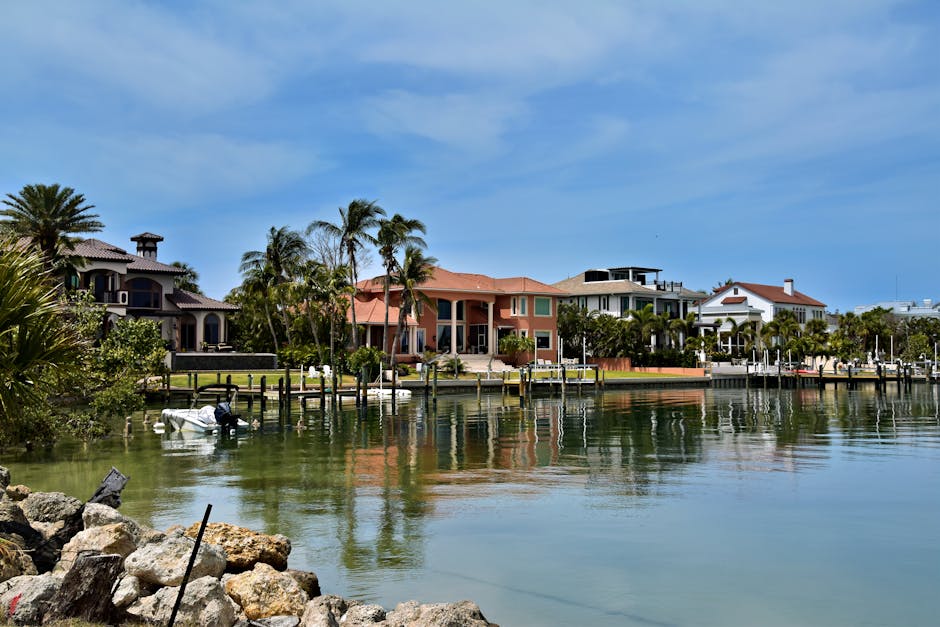
Calibrating Value in a High-Inventory Environment
The Tampa luxury sector enters the second quarter of 2026 with 120 active premium listings, signaling a market that favors the patient, data-informed buyer. With a median list price currently holding at $2,300,000 and an average reaching beyond $3,117,000, the spread between asking prices and realized value requires a granular approach to appraisal. Investors and primary residents alike are navigating a landscape where the initial ‘surge pricing’ of previous years has been replaced by a more calculated, analytical environment. Understanding the delta between these figures is essential for anyone looking to secure assets that will maintain liquidity in the long term.

Recent data indicates that Florida luxury real estate surges amid record listings and tax shifts, a trend that is particularly visible in the local corridor. The influx of inventory provides a rare window for buyers to demand higher specifications in construction and finishing. Rather than rushing into a transaction, high-net-worth individuals are increasingly scrutinizing the underlying fundamentals of each property, from architectural pedigree to the long-term viability of the surrounding infrastructure. This shift toward a professionalized buyer sentiment is reshaping how sellers must position their assets to attract serious interest.
The current market movement suggests that while the volume of listings is higher, the quality of ‘move-in ready’ inventory remains the primary driver of top-tier pricing. Properties that have undergone recent, high-spec renovations are commanding a significant premium over those requiring even minor cosmetic updates. This divergence in the market means that buyers must carefully weigh the cost of capital against the convenience of a finished product. In this environment, an advisor’s role is not just to find a property, but to dissect the replacement cost and potential for appreciation within a tightening local economy.
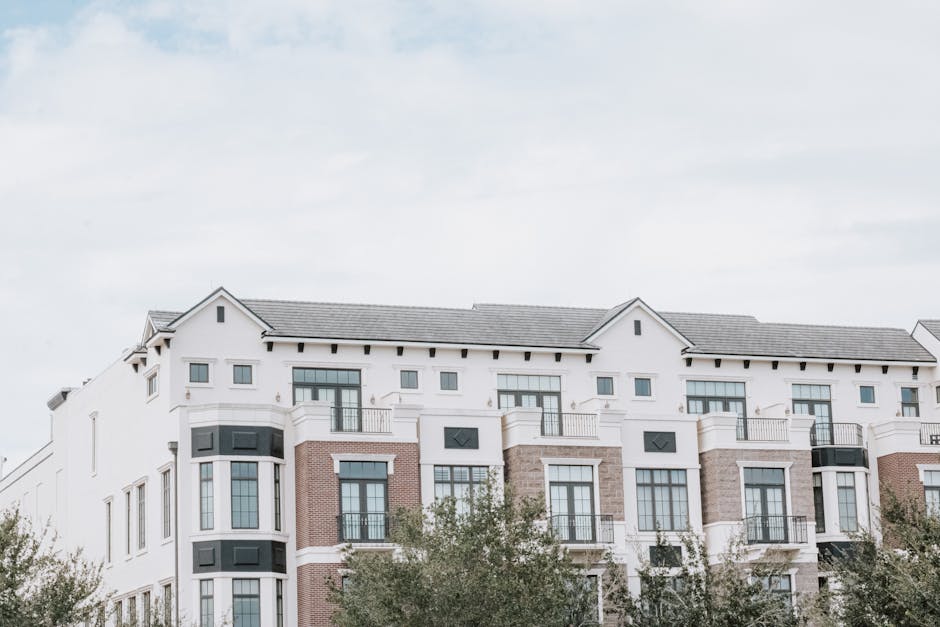
Neighborhood Divergence: South Tampa vs. The Heights
As we examine specific sub-markets, the contrast between established enclaves like Hyde Park and Davis Islands versus the emerging high-value corridors in Seminole Heights and Riverside Heights becomes clear. In areas like North Florida Avenue, we are seeing residential and mixed-use opportunities, such as listings near the $2,200,000 mark, which represent a significant shift in the neighborhood’s historical price ceiling. These areas are no longer just for ‘pioneer’ buyers; they have become legitimate targets for luxury developers looking for larger lot sizes and unique architectural opportunities that are increasingly scarce in the traditional South Tampa footprint.
Furthermore, the movement along West Dr. Martin Luther King Jr. Boulevard and North Grady Avenue illustrates a widening of the luxury map. Recent listings priced at $2,900,000 and $1,550,000 respectively show that the demand for premium space is pushing beyond traditional boundaries. This expansion is driven by buyers who prioritize square footage and privacy without sacrificing proximity to the city’s commercial hubs. Analyzing Tampa Bay’s most expensive luxury home sales of 2025 provides a roadmap for where the ‘smart money’ is moving, showing a clear preference for large-scale estates that offer multi-generational utility.
Sophisticated buyers are now evaluating the ‘walkability versus privacy’ trade-off with more precision. While Davis Islands continues to attract those seeking waterfront prestige and a golf-cart community atmosphere, the newer developments in the Westshore and Heights areas are appealing to a demographic that values modern aesthetics and immediate access to the burgeoning culinary and cultural scenes. This geographic diversification is healthy for the market, as it prevents any single neighborhood from becoming a bottleneck for high-end growth, ensuring a broader range of options for diverse buyer profiles.
The Vertical Shift: Navigating the Luxury Condo Sector
The evolution of Tampa’s skyline is perhaps the most visible indicator of its maturing luxury market. However, experts note that Tampa remains an early-stage luxury condo market compared to established hubs like Miami. This ‘early-stage’ status presents a unique opportunity for buyers to enter high-rise developments that are often integrated with five-star hospitality brands. These managed luxury products offer a level of service and security that traditional single-family homes cannot match, making them ideal for part-time residents or those with a global footprint.
Navigating the condo sector requires a different set of metrics than land-based acquisitions. Prospective owners must look beyond the floor plan to evaluate the strength of the homeowners association, the quality of the developer’s track record, and the long-term feasibility of the amenity package. In Tampa, the transition from a ‘horizontal’ city to a ‘vertical’ one is being met with enthusiasm by executives who prefer the ease of a ‘lock-and-leave’ lifestyle. This shift is also supported by the city’s investment in parks and pedestrian infrastructure, making downtown living more practical than ever before.
As these new towers come online, we expect to see a stabilization in the rental market for premium units as well. Many buyers are purchasing these condos as part of a broader real estate portfolio, intending to use them as city bases while maintaining larger estates in more secluded areas. This dual-property strategy is becoming increasingly common among the regional elite, who want the peace of a waterfront enclave but the convenience of a metropolitan pied-à-terre for business and social engagements.
Strategic Checklist for Premium Property Acquisition
Before finalizing a high-value purchase in the current Tampa climate, it is vital to verify several key factors that directly impact long-term valuation and liability. The following points represent the minimum due diligence required for a sophisticated acquisition in 2026:
- Verify the structural integrity and elevation certificates to ensure long-term flood resilience and insurance stability.
- Analyze the historical price-per-square-foot trends within a two-mile radius to identify any artificial inflation.
- Assess the proximity to upcoming municipal infrastructure projects that could impact noise levels or property access.
- Review the property’s rental history or potential, even if intended as a primary residence, to understand its fallback liquidity.
- Confirm the status of all high-end mechanical systems, including smart home integration and climate control efficiency.
- Investigate any pending zoning changes in adjacent lots that could affect your view or privacy in the coming decade.
- Consult with a specialized advisor to compare the subject property against off-market opportunities not visible on the public MLS.
External Drivers: Tax Policy and Executive Inbound
The migration of corporate leadership into the region continues to be a primary catalyst for the luxury sector. Observations on why executives keep choosing St. Pete and Tampa highlight a preference for Florida’s tax environment combined with the lifestyle benefits of the Gulf Coast. This isn’t just a trend for retirees; it is a movement of active founders and C-suite professionals who are bringing their companies and capital with them. This influx creates a secondary demand for commercial real estate and land, further buoying the residential market.
Tax policy remains a significant lever for these movements. As other states adjust their fiscal strategies, Florida’s relative stability continues to attract high-earners. This ‘tax migration’ has a direct correlation with the demand for homes in the $5,000,000 to $10,000,000 range, where the savings on state income tax can often offset a substantial portion of the mortgage or carry costs. Buyers at this level are not just looking for a home; they are making a strategic financial decision that impacts their entire wealth management plan.
Furthermore, the ‘executive effect’ is seen in the types of amenities being requested in new builds. We are seeing a higher demand for sophisticated home offices, high-speed fiber connectivity, and secure, private entrances. The home has become a primary place of business for many of these arrivals, and the real estate market is reacting by providing more flexible, technology-forward spaces. This shift ensures that Tampa’s luxury inventory remains relevant to the needs of the modern, globally connected professional.
Benchmarking the Record Breakers: From $2M to $100M+
While the median price provides a useful baseline, the extreme high end of the market is where the most significant headlines are being made. For instance, Tampa’s price record is $22.5 million, but a new estate is asking $115 million, representing a massive leap in what the market believes is possible. While such a listing is an outlier, it serves to redefine the ceiling for the entire region. It signals to national and international investors that Tampa is now a city capable of supporting trophy assets on par with New York or Palm Beach.
Even the ‘average’ luxury sale, which sits around $3,100,000, reflects a city that is growing in confidence. Large-scale events, such as the WWE Memorial Day weekend takeover, demonstrate Tampa’s ability to host major global brands, which in turn increases its visibility as a premier destination for high-end lifestyle consumers. This cultural momentum is a critical component of the real estate value proposition, as it ensures the city remains a place people want to live, work, and play.
Ultimately, benchmarking success in this market requires looking beyond the sticker price. One must consider the quality of life, the resilience of the local economy, and the long-term growth trajectory of the metropolitan area. Whether you are looking at a $1.5 million modern build in the Heights or a $20 million waterfront compound on Davis Islands, the fundamentals remain the same: location, build quality, and future utility. Tampa’s market is no longer a secondary choice; it is a primary destination for those who recognize value and potential.
Executing Your 2026 Real Estate Strategy
In a market with 120 active luxury options, the key to success is specificity. Broad searches yield generic results, but a targeted strategy focused on particular corridors and architectural styles will reveal the true opportunities. Success in 2026 requires more than just browsing; it requires a deep dive into the data and a clear understanding of your own priorities. Whether you are seeking a primary residence with historic charm or a modern investment with high growth potential, the current inventory offers a range of choices that were unavailable just a few years ago.
As we move further into the year, the stability of the median price suggests that the market has found its footing. This creates a more predictable environment for both buyers and sellers, reducing the risk of sudden volatility. For the buyer, this is a time to be diligent but decisive. The best properties—those that combine location, quality, and fair pricing—still move quickly, even in a high-inventory market. Having your financing and due diligence teams ready before you find the right property is essential to securing a favorable outcome.
To truly understand the nuances of these neighborhoods and the specific value of the current inventory, we invite you to take the next step in your journey. Review the latest curated selections to see how they align with your portfolio goals, or speak with an advisor who can provide a private brief on off-market opportunities. The Tampa luxury landscape is more sophisticated than ever, and navigating it requires a partner who understands the data as well as the lifestyle. Browse our current luxury listings to begin your search or contact a private advisor today to discuss a tailored acquisition strategy for your next premium investment.
Your next move in Tampa luxury
Get current inventory, pricing guidance, and private-tour support from our brokerage team.
Source highlights
- Florida luxury real estate surges amid record listings, tax shifts – MSN
- Tampa Bay’s most expensive luxury home sales of 2025 – Tampa Bay Times
- Tampa’s Price Record Is $22.5 Million. This Huge Estate Is Asking $115 Million. – WSJ
- Column: Why executives keep choosing St. Pete – The Business Journals
- Why Tampa remains an early-stage luxury condo market – Tampa Bay Business & Wealth
- Florida Trend Real Estate – Florida Trend
- 40+ Best Things to Do in Tampa Bay this Month: Events and MORE! – Tampa Bay Date Night Guide
- Tampa leaders, WWE star Titus O’Neil promote alternative event for young people amid 'teen takeover' trend – FOX 13 Tampa Bay
