


The Structural Shift in Tampa’s Luxury Inventory
The Tampa luxury residential market has transitioned from a high-growth regional pocket into a primary destination for national and international capital. This maturation is evidenced by a significant expansion in the ultra-luxury tier, where properties are now regularly entering the market at price points previously reserved for Miami or Palm Beach. Recent data indicates that while the broader Florida market is seeing a surge in listings, the specific sub-sector for premium properties in Tampa maintains a selective tension between supply and high-net-worth demand. Understanding this movement requires looking beyond simple appreciation rates and focusing on the underlying quality of the current inventory.
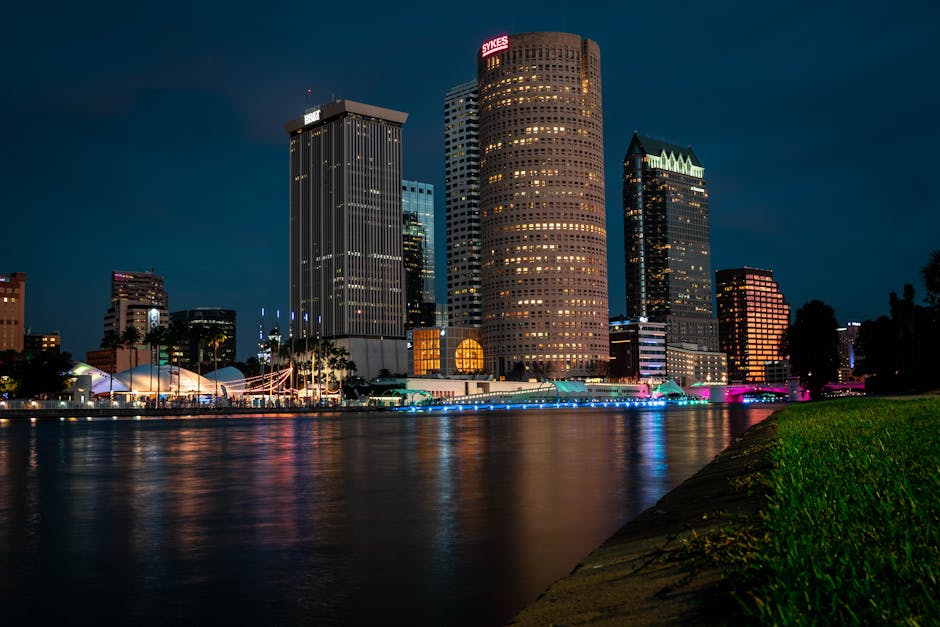
We are currently observing a market with approximately 120 active luxury listings, where the median list price has stabilized around $2,300,000. However, the ceiling for what is possible in Tampa has been completely redefined. For example, a landmark estate in the region recently set a new benchmark by entering the market with a nine-figure valuation, a stark contrast to the previous record of $22.5 million. This price discovery phase signals a profound confidence in the long-term value of the region’s most exclusive waterfront enclaves. Buyers are no longer just looking for a residence; they are securing a stake in an increasingly scarce coastal asset class.
According to reports from The Wall Street Journal, the introduction of ultra-high-end inventory is attracting a new profile of buyer who prioritizes security, privacy, and architectural significance over mere square footage. This shift is driving developers and sellers to upgrade existing structures or commission custom builds that meet global standards for smart home integration and environmental resilience. The result is a more sophisticated market where data-driven valuation and architectural pedigree are the primary drivers of successful transactions.
The Vertical Evolution: Condominium Development vs. Traditional Estates
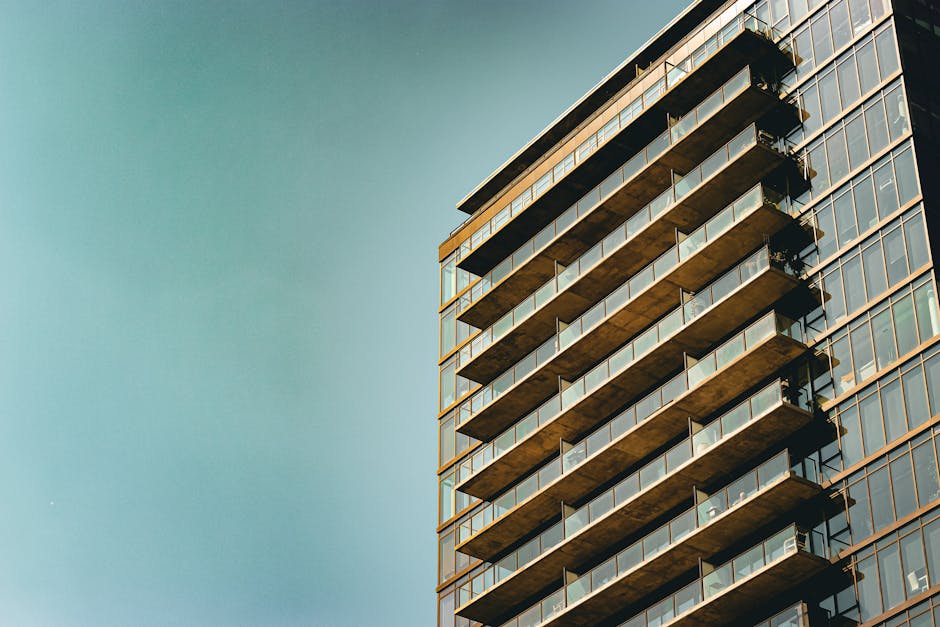
For decades, the pinnacle of Tampa luxury was defined exclusively by the sprawling waterfront estates of Davis Islands and the historic charm of Hyde Park. While these areas remain the bedrock of the market, there is a clear pivot toward high-service vertical living. The luxury condo sector in Tampa is currently in an early but aggressive development stage, offering an alternative for executives and seasonal residents who require a lock-and-leave lifestyle without compromising on the amenities found in five-star hospitality environments. This segment is particularly appealing to those transitioning from denser urban centers who are used to concierge-level management.
The rise of these vertical communities is documented as a strategic shift by Tampa Bay Business & Wealth, noting that the demand for full-service buildings often outpaces the construction timeline. This mismatch creates a unique opportunity for early-stage entry into developments along the Westshore waterfront and the burgeoning downtown corridor. These properties are not just residences but are increasingly viewed as lifestyle platforms that integrate wellness centers, private dining, and advanced security protocols directly into the residential experience.
When comparing a vertical acquisition to a traditional estate, buyers must evaluate the trade-off between private land ownership and the collective efficiency of high-end associations. Traditional estates in neighborhoods like Beach Park or Culbreath Isles offer the benefit of significant lot sizes and long-term land appreciation. In contrast, luxury condos provide an immediate social infrastructure and a reduction in the overhead of property maintenance. For many advisors, the recommendation often hinges on the buyer’s anticipated duration of stay and their tolerance for the management responsibilities inherent in coastal single-family homes.
Executive Migration and the St. Petersburg Crossover
The narrative of the Tampa luxury market is incomplete without discussing the broader regional ecosystem, particularly the influx of corporate leadership into the area. There is a documented trend of executives choosing to anchor their operations and personal lives in the region, often oscillating between the business centers of Tampa and the cultural hubs of St. Petersburg. This cross-bay movement has unified the high-end market, as buyers look for properties that provide convenient access to the private aviation facilities and professional sports venues that define the region’s social calendar.
Insights from The Business Journals highlight why corporate leaders are consistently drawn to the Gulf Coast: the combination of a favorable tax environment and a robust infrastructure that supports both professional growth and personal leisure. This migration is not merely a seasonal trend but a permanent relocation of human and financial capital. As more firms establish regional headquarters here, the demand for high-tier housing remains insulated from the broader economic fluctuations that might affect more speculative markets.
This executive demand is also shaping the types of properties that achieve the highest premiums. Features such as integrated home offices with high-bandwidth connectivity, private screening rooms, and extensive outdoor entertainment spaces are no longer optional. They are standard requirements for a demographic that views their home as a multifunctional environment. The ability to host high-level business functions while maintaining a private family sanctuary is the hallmark of the modern Tampa estate, a balance that is becoming increasingly refined in new architectural designs.
Critical Due Diligence for High-Net-Worth Acquisitions
Navigating a market with a median list price of over $2.3 million requires a rigorous approach to due diligence that goes beyond the standard home inspection. Buyers must account for the specific environmental and structural requirements of Florida’s coastal geography. This involves analyzing seawall integrity for waterfront properties, evaluating the elevation certificates against the latest FEMA standards, and understanding the implications of recent legislative shifts regarding property insurance and tax assessments. A successful acquisition is one that has been thoroughly vetted for both current enjoyment and future liquidity.
- Verification of seawall age, material composition, and structural stability.
- Analysis of recent tax assessment shifts and their impact on long-term carry costs.
- Assessment of environmental resilience features, including impact-rated glass and backup power systems.
- Review of neighborhood-specific architectural guidelines and historic preservation restrictions.
- Evaluation of the property’s historical appreciation relative to the South Tampa median.
- Confirmation of proximity to tier-one private education and healthcare facilities.
Sophisticated buyers are also paying closer attention to the “hidden” value of a property’s location. This includes the proximity to exclusive social clubs, high-end retail, and the regional centers of commerce. As the city continues to expand, being positioned within the established luxury corridors provides a level of price stability that outlying areas may lack. We recommend focusing on neighborhoods with a proven track record of sustaining value through multiple market cycles, such as the established streets of Bayshore Boulevard or the private enclaves of Davis Islands.
Valuation Realities: Analyzing the $3.1 Million Average
While the median price provides a useful baseline, the average list price in the Tampa luxury sector is currently closer to $3,117,232. This discrepancy is caused by the influence of several high-value assets that pull the average upward, reflecting a market that is increasingly bifurcated between “standard” luxury and “ultra” luxury. For buyers, this means that comparative market analysis must be extremely localized. A home on a deep-water canal on Davis Islands commands a significantly different price per square foot than a similar structure in a landlocked portion of Hyde Park or Beach Park.
Market analysts at MSN have noted that the surge in Florida luxury listings is providing buyers with more options, yet the most desirable properties—those with unique architectural features or prime waterfront positioning—continue to move quickly. In the current environment, timing is less about waiting for a market crash and more about identifying the right asset when it becomes available. Inventory compression in the top 1% of the market remains a reality, as owners of these trophy assets are often under no financial pressure to sell.
Furthermore, the diversification of property types is expanding. While residential homes dominate the luxury conversation, there is an increasing interest in commercial sales and land acquisition for custom development. Investors are looking at land as a way to control the final product, ensuring that the architecture and finishes meet their specific standards. This “build-to-suit” trend is particularly prevalent in areas like South Tampa, where older homes are being replaced by modern masterpieces that maximize the utility and aesthetic potential of the lot.
Lifestyle Anchors and Cultural Integration
The value of a luxury property in Tampa is deeply connected to the city’s evolving cultural landscape. The region is no longer just a destination for leisure; it is a center for high-profile events and entertainment that draw global attention. From major professional sports championships to unique cultural festivals, the social calendar of a Tampa resident is as dense as it is diverse. This cultural density adds a layer of intangible value to residential real estate, as proximity to these events becomes a sought-after amenity for active families and individuals.
For instance, the city frequently hosts large-scale events that redefine its public image, such as the upcoming WWE Memorial Day weekend takeover. These activations bring a significant number of visitors to the downtown and Westshore areas, highlighting the city’s capacity to handle major international gatherings. For luxury homeowners, this means living in a city that is constantly investing in its own infrastructure and global visibility. The ongoing development of the Water Street district and the expansion of the Riverwalk are physical manifestations of this commitment to a high-quality urban experience.
As the market continues to evolve, the distinction between a house and a home is found in the connection to the community. Whether it is attending a vintage market in a historic neighborhood or participating in an alternative youth event promoted by local leaders, the opportunities for engagement are vast. This sense of place is a critical factor for long-term residents who want their real estate investment to be more than just a financial entry on a balance sheet. It is an investment in a way of life that is becoming increasingly unique to the Florida Gulf Coast, as tracked by regional publications like Florida Trend.
Selecting the right property in Tampa’s competitive luxury landscape requires a combination of local market intuition and a data-backed advisory approach. As the city matures and attracts more significant capital, the opportunities for strategic acquisition will continue to favor those who are well-informed and prepared to act. Whether you are seeking a historic estate in Hyde Park or a modern architectural masterpiece on the water, the focus should remain on long-term value and structural integrity. To explore the current inventory and discuss your specific requirements for a premium acquisition, we invite you to browse our curated Tampa luxury listings or contact a private advisor today to schedule a confidential consultation.
Your next move in Tampa luxury
Get current inventory, pricing guidance, and private-tour support from our brokerage team.
Source highlights
- Florida luxury real estate surges amid record listings, tax shifts – MSN
- Tampa Bay’s most expensive luxury home sales of 2025 – Tampa Bay Times
- Tampa’s Price Record Is $22.5 Million. This Huge Estate Is Asking $115 Million. – WSJ
- Column: Why executives keep choosing St. Pete – The Business Journals
- Why Tampa remains an early-stage luxury condo market – Tampa Bay Business & Wealth
- Florida Trend Real Estate – Florida Trend
- 40+ Best Things to Do in Tampa Bay this Month: Events and MORE! – Tampa Bay Date Night Guide
- Tampa leaders, WWE star Titus O’Neil promote alternative event for young people amid 'teen takeover' trend – FOX 13 Tampa Bay
