


The Current State of Tampa’s High-End Inventory
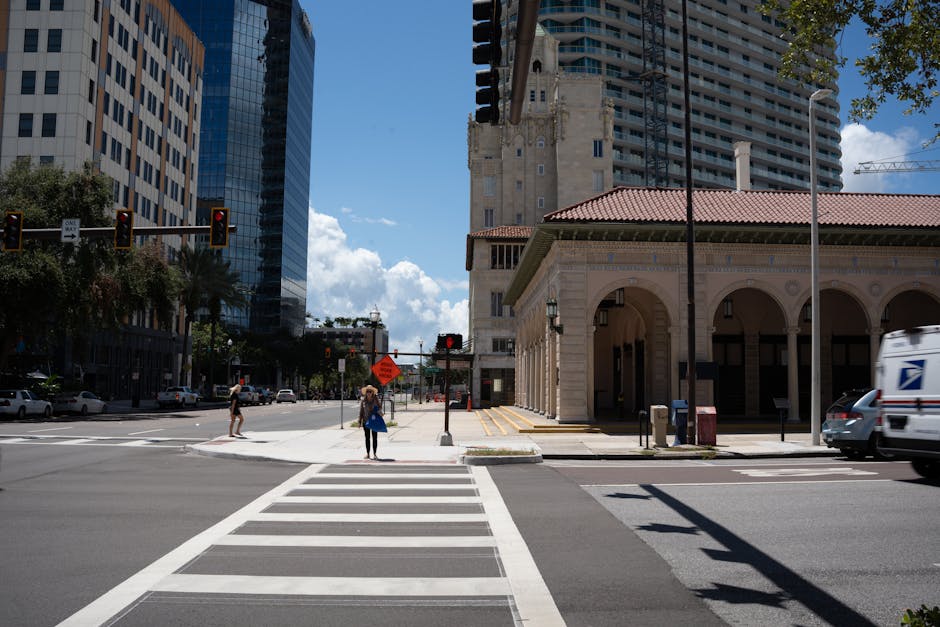
As we navigate the middle of 2026, the Tampa luxury sector has moved past the volatile fluctuations of the early 2020s into a phase of disciplined appreciation. Current data indicates a tight inventory environment with approximately 120 active luxury listings. This scarcity creates a competitive floor, particularly for properties that meet modern standards for resilience and smart-home integration. The median list price has stabilized around $2,300,000, while the average list price has climbed to $3,127,691, reflecting a significant concentration of ultra-high-net-worth assets entering the market.
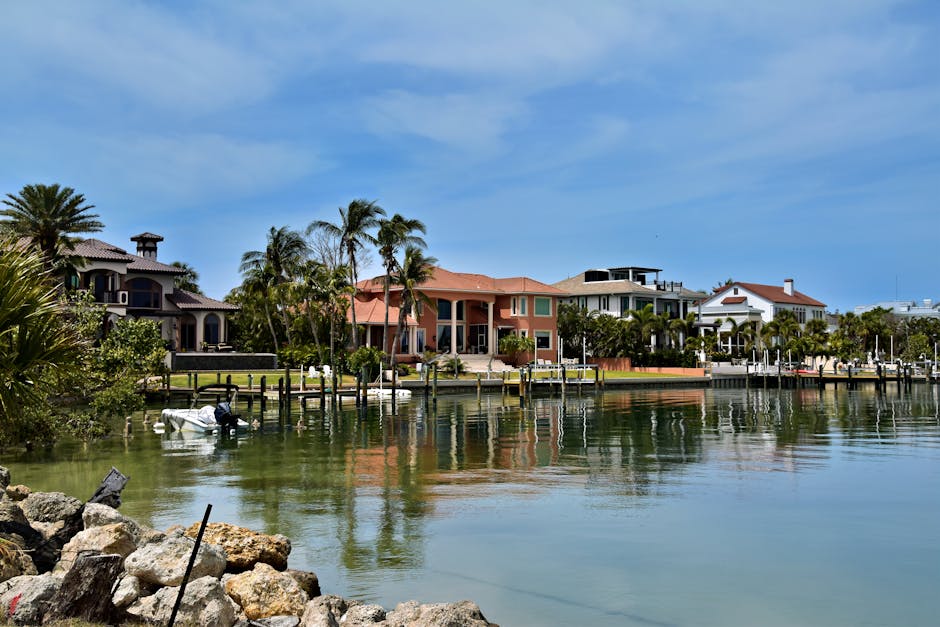
Buyer behavior in this cycle is characterized by a preference for move-in-ready assets over speculative renovations. With the average list price exceeding the median by nearly a million dollars, it is clear that the top tier of the market is pulling the overall average upward, driven by expansive waterfront estates and premium penthouse offerings. Advisors are noticing that days-on-market metrics are secondary to property-specific utility; a well-positioned asset in neighborhoods like Davis Islands or Hyde Park often moves before reaching public portals, emphasizing the importance of private network access.
For those evaluating the current landscape, the pricing spread between entry-level luxury and the ultra-prime segment has widened. While properties such as those on North Grady Avenue may enter the market around $1,550,000, they represent a different value proposition than the $2,900,000 commercial-residential hybrid assets found along West Dr. Martin Luther King Jr. Boulevard. Understanding these micro-market variations is essential for accurate valuation and long-term equity protection in a landscape where generic comps often fail to capture the nuances of specific street-level prestige.
Price Floors and the Luxury Ceiling Shift
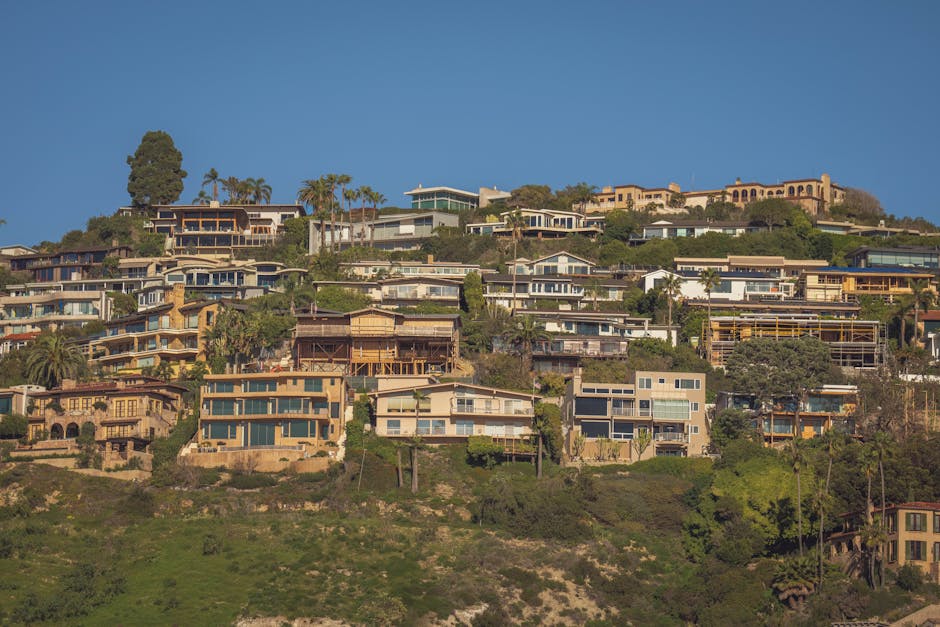
The ceiling for Tampa real estate is being redefined by historic listings that challenge previous valuation models. While the standing price record for a residential sale in the region is $22.5 million, the emergence of estates with nine-figure aspirations has shifted the conversation. According to reports from the Wall Street Journal, a massive estate recently entered the market asking $115 million, signaling a profound confidence in Tampa’s ability to compete with established global hubs. This move suggests that the local market is no longer viewed merely as a regional alternative, but as a primary destination for significant capital allocation.
This shift in the ceiling has a trickle-down effect on the entire luxury ecosystem. When ultra-prime properties command these figures, it validates the pricing of secondary luxury assets in the $5 million to $15 million range. Buyers are increasingly looking at the cost of replacement and the scarcity of land in established enclaves. Waterfront availability, in particular, has become the primary driver of these record-breaking figures, as seen in the Tampa Bay Times coverage of the most expensive sales of 2025. These transactions are not just anomalies; they are benchmarks for the new normal in the Florida Gulf Coast market.
Strategic buyers are now analyzing properties through a lens of total cost of ownership and future liquidity. The rapid absorption of high-value inventory in early 2026 demonstrates that despite higher entry prices, the perceived value of Tampa’s lifestyle and economic stability remains high. We are seeing a more sophisticated analytical approach to acquisitions, where buyers prioritize the structural integrity of a seawall or the elevation of a build site as much as the aesthetic finishes of the interior. This maturation is a healthy sign for the long-term stability of the region’s luxury sector.
The Vertical Evolution: Assessing Luxury Condominiums
Tampa has historically been a market defined by single-family estates, but the vertical luxury sector is undergoing a necessary expansion. Current analysis from Tampa Bay Business & Wealth suggests that the city remains an early-stage luxury condo market compared to South Florida peers. This represents a significant opportunity for investors and residents who prefer the amenities and security of high-rise living. The development of Water Street and the Westshore district has introduced a level of full-service residential living that was previously unavailable in the local market.
The transition to high-density luxury is driven by a desire for a lower-maintenance lifestyle without compromising on scale or quality. Many of the newer units offer square footage that rivals traditional homes in Beach Park or Culbreath Isles, often exceeding 3,500 square feet with expansive terraces. This shift is particularly appealing to executives and seasonal residents who value the lock-and-leave capability provided by 24-hour concierge services and integrated security systems. As these projects mature, they are creating a new inventory class that bridges the gap between urban convenience and residential privacy.
When evaluating these vertical assets, it is critical to look beyond the view. Investors must scrutinize the developer’s track record, the long-term solvency of the homeowners association, and the exclusivity of the common areas. In an early-stage market, not all projects are created equal. The most successful developments are those that integrate seamlessly with the surrounding walkable infrastructure, providing immediate access to the city’s burgeoning culinary and cultural scenes. This trend toward urban luxury is a permanent shift in Tampa’s architectural and economic identity.
Due Diligence Essentials for 2026 Acquisitions
Navigating a luxury purchase in today’s environment requires a checklist that extends beyond the standard home inspection. The focus has shifted toward resilience, future-proofing, and verifiable data. For those looking to secure a position in the current market, certain non-negotiable factors must be addressed to ensure the long-term viability of the investment. This structured approach helps differentiate between properties that merely look high-end and those that are built to sustain their value through changing market conditions.
- Verification of seawall integrity and cap elevation for all waterfront parcels.
- Audit of smart-home infrastructure and high-speed connectivity redundancy.
- Review of recent architectural permits and compliance with 2026 building codes.
- Analysis of the current insurance landscape and historical premium trends.
- Evaluation of the property’s elevation relative to local drainage and storm surge models.
- Assessment of nearby infrastructure projects that may impact privacy or transit.
Each of these points represents a potential risk or value-add in the final negotiation. For instance, a property with a recently updated seawall or a fully integrated solar-plus-storage system may command a premium that is well-justified by the future savings and peace of mind it provides. Conversely, overlooking these technical details can lead to unexpected capital expenditures that erode the initial equity position. A thorough advisor will prioritize these technical assessments over cosmetic upgrades every time.
Economic Anchors and the Executive Influx
The strength of the Tampa luxury market is deeply tied to the broader economic growth of the Tampa Bay region. A notable trend is the consistent choice of St. Petersburg and Tampa by high-level executives relocating from traditional financial centers. As noted by The Business Journals, this influx of corporate leadership is bringing more than just wealth; it is bringing a demand for a specific caliber of professional infrastructure and residential quality. This migration is a primary driver behind the sustained demand for properties in the $2 million to $5 million range.
Beyond corporate relocations, the region’s commitment to major infrastructure and lifestyle improvements keeps it competitive. Developments in the arts, professional sports, and healthcare sectors provide a robust foundation for a diverse economy. This prevents the luxury real estate market from becoming overly dependent on a single industry, providing a buffer against sector-specific downturns. Properties in areas like Seminole Heights or the North Florida Avenue corridor are seeing increased interest as the luxury footprint expands outward from the traditional core, driven by a desire for larger lots and unique architectural styles.
The integration of lifestyle and commerce is perhaps most evident in the waterfront developments that have redefined the skyline. The synergy between high-end retail, Michelin-starred dining, and residential towers creates a holistic environment that appeals to global citizens. This is not a speculative boom but a strategic expansion of the city’s core capabilities. For the private advisor, the task is to identify which neighborhoods are most likely to benefit from the next phase of this economic evolution, ensuring that clients are positioned in the path of progress.
Strategic Closing: Beyond the Transaction
Successful acquisition in the Tampa market requires a blend of local intuition and hard data. Whether one is considering a historic renovation in Hyde Park or a modern masterpiece in Venetian Isles, the fundamentals remains the same: location, quality, and future utility. We are seeing a new class of waterfront luxury that emphasizes sustainable luxury and architectural boldness, as highlighted in Haute Living. These properties represent the pinnacle of Florida living, combining aesthetic beauty with the structural resilience required for our coastal environment.
For those entering the market now, the strategy should focus on long-term hold potential and the inherent value of the land itself. With only 120 luxury units available across the metropolitan area, the leverage remains with those who act decisively on high-quality inventory. The market is efficient, and the most desirable properties are often absorbed quickly by those who have done their homework. Monitoring the broader trends in Florida real estate will continue to provide a macro-level context for these local decisions.
Understanding the nuances of the Tampa landscape is the first step toward a successful acquisition. From analyzing price-per-square-foot trends to evaluating the impact of new cultural festivals on neighborhood desirability, the modern buyer must be well-informed. For a tailored perspective on current opportunities, including off-market inventory and detailed neighborhood briefs, we encourage you to browse our latest LISTINGS URL. When you are ready to refine your strategy or schedule a private viewing of a specific asset, please CONTACT URL to speak with a senior advisor who can provide the analytical depth your search requires.
Your next move in Tampa luxury
Get current inventory, pricing guidance, and private-tour support from our brokerage team.
Source highlights
- Tampa Bay’s most expensive luxury home sales of 2025 – Tampa Bay Times
- Tampa’s Price Record Is $22.5 Million. This Huge Estate Is Asking $115 Million. – WSJ
- Column: Why executives keep choosing St. Pete – The Business Journals
- Why Tampa remains an early-stage luxury condo market – Tampa Bay Business & Wealth
- Florida Trend Real Estate – Florida Trend
- Jennifer Zales Unveils Venetian Isles Waterfront Luxury Now Offered At A New Price – Haute Living
- Things To Do In Tampa This Weekend: Fun Festivals & Events In Tampa This Weekend – That's So Tampa
- Tampa weekend events: Vintage market, murder mystery dinner and more – MSN
