


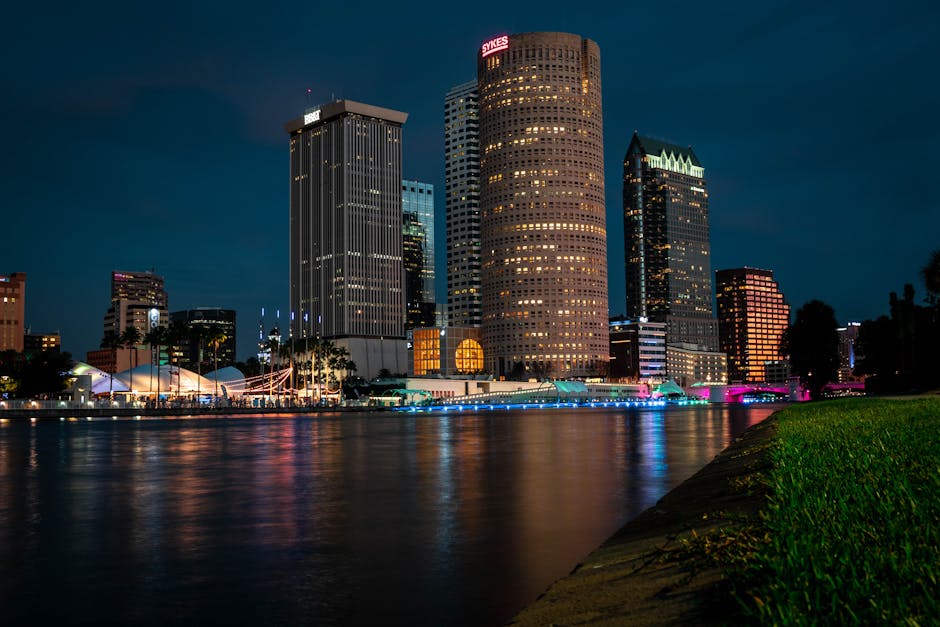
The Shifting Ceiling of Tampa’s Luxury Real Estate
The Tampa luxury market is no longer defined merely by its proximity to the coast; it is now characterized by a sophisticated maturation that rivals established Tier 1 cities. Recent market activity, including a notable estate reaching for a record-breaking valuation, indicates a fundamental shift in how high-net-worth individuals perceive the region. While the previous record stood at approximately $22.5 million, the entry of properties positioned well into the nine-figure range suggests a newfound confidence in the area’s long-term capital appreciation and lifestyle permanence. This isn’t just about higher prices; it’s about a structural change in the market’s ceiling.
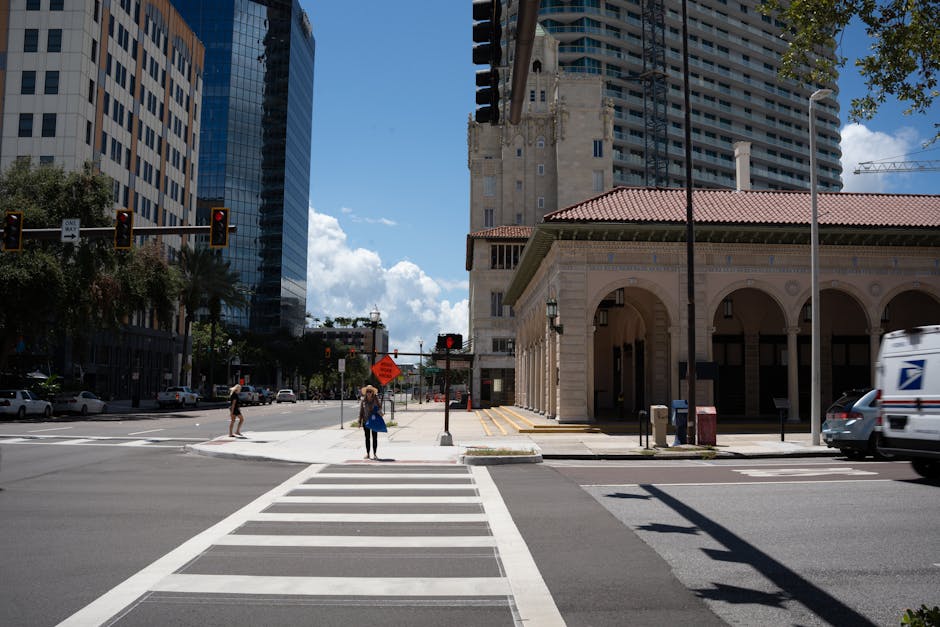
Current inventory data reveals a median list price of $2,300,000 across the luxury sector, with roughly 120 active listings catering to the most discerning buyers. This concentration of high-value assets allows for a more analytical approach to acquisition. Unlike the speculative spikes seen in previous cycles, today’s movement is supported by significant infrastructure improvements and a steady influx of out-of-state wealth. For the senior advisor, the focus remains on identifying which sub-markets offer the most resilient liquidity during broader economic shifts. Understanding the nuances between a $2 million property in Beach Park and a $10 million estate on Davis Islands requires more than just looking at square footage; it requires an understanding of land value and architectural scarcity.
As reported by the Wall Street Journal, the emergence of ultra-luxury estates signals that Tampa is being viewed as a primary residence hub for global executives. This trend is further validated by the types of properties entering the market—homes that emphasize security, privacy, and integrated technology. Buyers are moving away from the ‘vacation home’ mentality and are instead investing in estates designed for year-round living, complete with sophisticated home offices and wellness suites. This shift in buyer behavior is a critical indicator of market stability.
Neighborhood-Level Implications and Growth Nodes
The geographic focus of luxury acquisitions has tightened around key neighborhoods like South Tampa, Davis Islands, and the burgeoning Water Street district. Each of these areas offers a distinct value proposition that must be weighed against individual lifestyle requirements and investment horizons. Davis Islands remains the gold standard for many due to its secluded feel and deep-water access, making it a primary target for those with significant maritime interests. Meanwhile, the historic streets of Hyde Park and the waterfront mansions of Bayshore Boulevard continue to hold their value due to their timeless appeal and limited inventory.
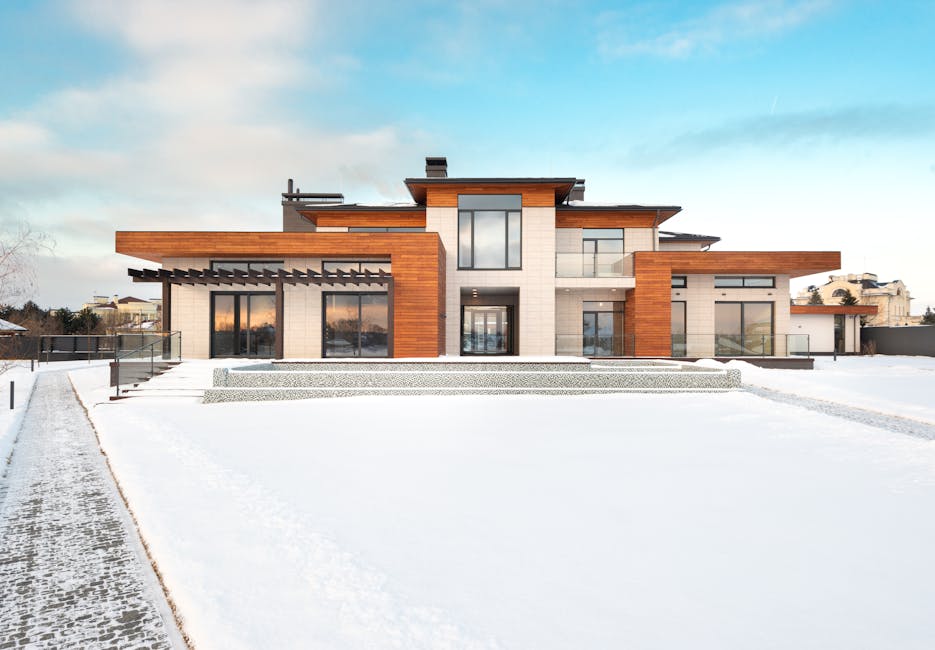
Inland nodes like Beach Park and Culbreath Isles are seeing increased interest as buyers look for larger lot sizes and newer construction. The architectural landscape is evolving from traditional Mediterranean styles to more contemporary, organic designs that prioritize indoor-outdoor flow. Advisors are increasingly seeing buyers prioritize the ‘build-out’ quality of a home—specifically the structural integrity and the caliber of materials used—over mere cosmetic finishes. In a market where the average list price exceeds $3.1 million, the margin for error in due diligence has narrowed significantly, making local expertise indispensable.
The synergy between Tampa and St. Petersburg is also playing a role in the region’s overall luxury narrative. As noted by The Business Journals, the corporate migration to St. Pete is creating a cross-bay demand for high-end housing. Executives are often choosing their residential location based on a combination of commute times, educational institutions, and social club proximity. This interconnectedness ensures that the luxury market remains buoyed by professional talent and corporate investment, rather than just transient wealth.
Condominium Maturation and Vertical Living
The high-rise sector in Tampa is currently in what many experts call an ‘early-stage’ maturation phase. While other Florida markets have long-established condo rows, Tampa’s luxury vertical living options are relatively new and concentrated. This presents a unique opportunity for buyers who prefer the security and convenience of a managed building but want to enter the market before it reaches full saturation. Developments in the downtown core and along the Bayshore waterfront are setting new benchmarks for price-per-square-foot, driven by high-end amenities and concierge services that were previously unavailable in the area.
According to Tampa Bay Business & Wealth, this early-stage market allows for more customization and choice for initial purchasers. However, it also requires a discerning eye to separate projects with lasting architectural value from those that are merely following a trend. The emphasis for future-proofing these investments lies in the quality of the building’s common areas, the reputation of the developer, and the long-term viability of the surrounding neighborhood’s development plan.
For those considering a move from a traditional single-family home to a luxury condominium, the transition often hinges on the trade-off between private outdoor space and shared luxury amenities. Newer projects are addressing this by offering expansive balconies and private rooftop terraces that mimic the feel of a backyard. As the skyline continues to evolve, these vertical estates are becoming an increasingly popular choice for both downsizers and professionals looking for a primary residence that offers a ‘lock-and-leave’ lifestyle without compromising on the standard of living.
Essential Due Diligence for High-Value Acquisitions
Navigating the upper echelons of the real estate market requires a rigorous approach to verification and assessment. When looking at luxury homes for sale, the superficial aesthetics are often less important than the underlying fundamentals. A strategic buyer looks beyond the kitchen finishes and evaluates the land’s elevation, the age of the seawall, and the capacity of the home’s mechanical systems. These factors have a direct impact on the home’s long-term maintenance costs and its insurability in the Florida climate.
- Verify the structural integrity of waterfront bulkheads and seawalls via independent engineering reports.
- Analyze neighborhood-specific zoning changes that could impact future views or privacy.
- Review the property’s elevation certificate and flood mitigation history relative to current standards.
- Assess the reputation and historical performance of the architect and builder for custom estates.
- Evaluate the neighborhood’s historical price resilience during market downturns.
Beyond the physical structure, understanding the social and economic fabric of the area is vital. This includes assessing the quality of local private schools, the proximity to private aviation facilities, and the availability of high-end lifestyle services. In Tampa, certain neighborhoods offer a more established social infrastructure, while others are in the process of defining their identity. An advisor’s role is to help the buyer align their personal lifestyle goals with the neighborhood’s trajectory, ensuring a cohesive fit for years to come.
The Role of Data in Buyer Decision-Making
In a market with an average list price of over $3 million, data-backed decisions are the only way to mitigate risk. Buyers should look at the ‘velocity’ of the market—how quickly high-end homes are moving compared to historical averages—and the ‘discount rate’ or the difference between the initial asking price and the final sale price. Currently, the presence of 120 active luxury listings indicates a healthy but competitive environment where well-priced, high-quality assets move quickly, while overpriced properties tend to languish.
Analyzing recent sales data from Florida Trend suggests that the most successful transactions are those where the buyer has a clear understanding of the ‘intrinsic value’ of the land. In land-constrained areas like South Tampa, the value of the dirt often makes up a significant portion of the total acquisition cost. This provides a natural floor for the investment, as land in these prime locations is a finite resource. Buyers who recognize this are often more comfortable making aggressive offers on properties that offer unique geographic advantages.
Furthermore, the seasonal calendar in Tampa provides distinct windows for acquisition. While the market remains active year-round, the influx of visitors for winter events and festivals often brings a new wave of prospective buyers into the fold. Understanding these cycles can help a buyer time their entry into the market for maximum leverage. Whether it is attending a charity gala or exploring local festivals as highlighted by That’s So Tampa, getting a feel for the community’s pulse is an essential part of the qualitative due diligence process.
Risk Mitigation and Future-Proofing the Investment
Risk mitigation in the luxury sector goes beyond simple insurance policies; it involves a holistic look at the home’s adaptability to future needs. As technology evolves, homes that are ‘wired’ for the future—with robust networking infrastructure and smart home integrations—will maintain their relevance longer. Similarly, sustainability is becoming a key factor in luxury real estate. Homes that utilize energy-efficient glass, high-efficiency cooling systems, and sustainable building materials are not only more cost-effective to operate but also more attractive to the next generation of buyers.
Another aspect of future-proofing is the home’s floor plan flexibility. Multi-generational living suites, flexible office spaces, and adaptable recreation rooms allow the home to grow with the owner’s changing needs. In the Tampa market, where properties like those on North Florida Avenue or Dr. Martin Luther King Jr. Boulevard are fetching millions, the expectation for a bespoke living experience is at an all-time high. Buyers are looking for homes that don’t just meet their current needs but anticipate their future requirements.
Finally, the importance of a strong professional network cannot be overstated. A successful acquisition is the result of a coordinated effort between the real estate advisor, legal counsel, and financial planners. This team-based approach ensures that every aspect of the transaction—from title search to tax implications—is handled with the highest level of professionalism. In a market as dynamic as Tampa’s, having access to off-market opportunities and early-stage information can be the difference between a standard purchase and a truly strategic acquisition.
The current state of the Tampa luxury market offers a compelling narrative for the sophisticated investor. With a maturing inventory, a shifting price ceiling, and a steady influx of corporate and private wealth, the region is well-positioned for continued prominence. To navigate this landscape effectively, you need an advisor who understands the underlying data and the neighborhood-level nuances that drive value. If you are ready to explore the highest tier of the market, please browse our current listings and contact one of our senior advisors to discuss your specific requirements and acquisition strategy.
Your next move in Tampa luxury
Get current inventory, pricing guidance, and private-tour support from our brokerage team.
Source highlights
- Tampa Bay’s most expensive luxury home sales of 2025 – Tampa Bay Times
- Tampa’s Price Record Is $22.5 Million. This Huge Estate Is Asking $115 Million. – WSJ
- Column: Why executives keep choosing St. Pete – The Business Journals
- Why Tampa remains an early-stage luxury condo market – Tampa Bay Business & Wealth
- Florida Trend Real Estate – Florida Trend
- New Signature Real Estate Team Emerges Across Tampa Bay: The Nick Janovsky Group Launches with Premier Sotheby’s International Realty – citybiz
- Things To Do In Tampa This Weekend: Fun Festivals & Events In Tampa This Weekend – That's So Tampa
- Tampa weekend events: Vintage market, murder mystery dinner and more – Axios
