


Strategic Positioning in Tampa’s Low-Inventory High-End Market
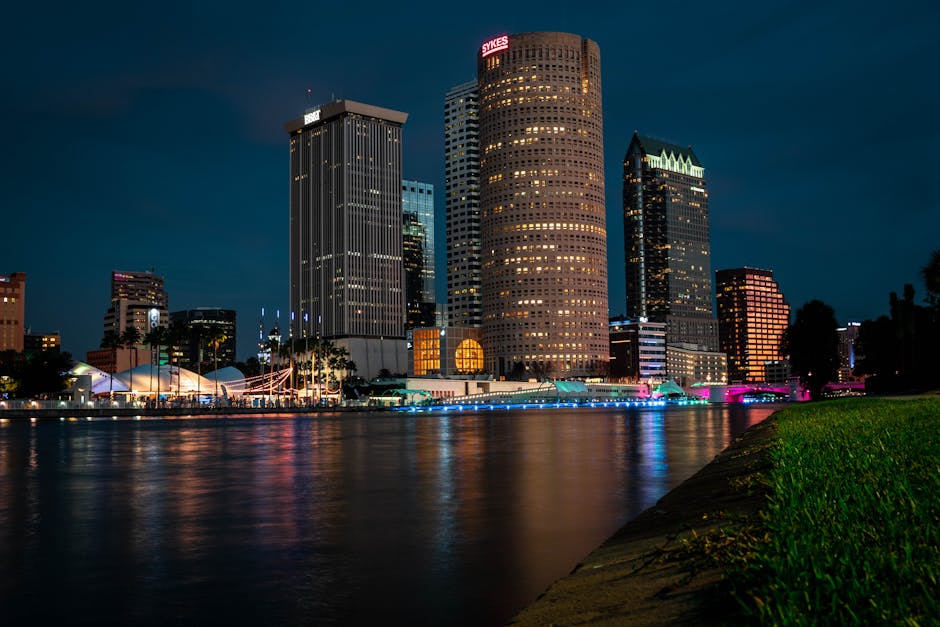
The Tampa luxury real estate sector has transitioned into a sophisticated primary market, moving well beyond its historical reputation as a secondary or seasonal destination. As of May 2026, the inventory for properties exceeding the two-million-dollar threshold remains constrained, with only 120 active luxury listings currently available. This scarcity has fundamentally altered buyer behavior, forcing a shift from casual browsing to highly focused, data-driven acquisitions. For the high-net-worth individual, the challenge is no longer finding a property, but securing an asset that preserves value in a climate where the median list price has stabilized near $2,300,000.
Market movement in early 2026 indicates a preference for turnkey estates and high-amenity vertical living. We are observing a divergence between standard residential offerings and the ultra-luxury tier, where the average list price now reaches approximately $3,127,691. This discrepancy highlights the importance of neighborhood-level analysis; a property on Davis Islands carries a significantly different risk profile and utility value than a similarly priced estate in the Westshore Yacht Club or the increasingly popular Beach Park area. Understanding these micro-market dynamics is essential for any principal looking to deploy capital effectively in the current cycle.
Success in this environment requires a proactive stance. Many of the most significant transactions occurring this year are not reaching the public MLS, as private placements and off-market networking become the standard for properties at the highest price points. Buyers must align with advisors who maintain deep local ties and can provide early access to emerging inventory. Those who wait for public notifications often find themselves in competitive bidding scenarios that rarely favor the buyer’s long-term equity position. To view the current public inventory, you may browse available listings to establish a baseline for current market standards.
The Shift from Coastal Retreat to Primary Executive Hub
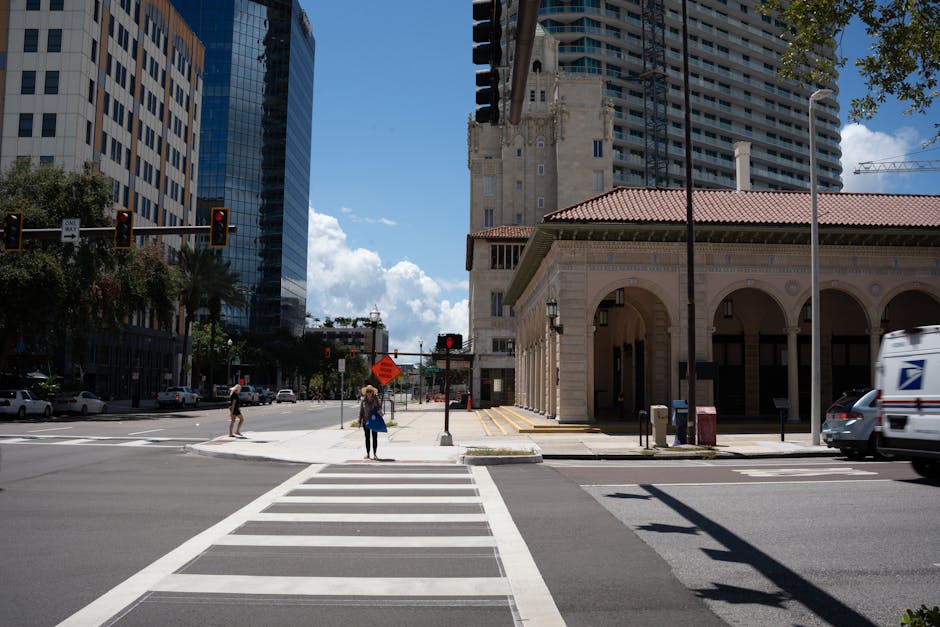
Recent data from The Business Journals suggests a notable trend: corporate executives are increasingly choosing the Tampa Bay region for its infrastructure and professional connectivity rather than just its climate. This shift is particularly evident in the South Tampa corridors, where proximity to the Westshore Business District and Tampa International Airport is a primary driver of value. The demand is no longer just for a residence, but for a strategic home base that supports a demanding professional life. This has led to a surge in interest for properties with advanced home offices, integrated smart technology, and high-level security protocols.
The migration of wealth into the region continues to put upward pressure on historical price ceilings. While the area once celebrated million-dollar sales as anomalies, the current market routinely sees transactions that dwarf previous records. For instance, the Tampa Bay Times recently documented some of the most expensive sales of 2025, illustrating a robust appetite for legacy estates. This trend is not localized to a single neighborhood but is felt across the region, from the historic streets of Old Hyde Park to the sprawling waterfront lots of Culbreath Isles.
Buyers are also paying closer attention to the long-term viability of their locations. Factors such as elevation, infrastructure resilience, and local governance are now as critical as architectural style. In a market where a single-family home on North Florida Avenue might list for $2,200,000, or a commercial-mixed-use property on MLK Boulevard commands nearly $3,000,000, the underlying land value and its future utility are paramount. This analytical approach to real estate ensures that an acquisition serves as a stable component of a broader investment portfolio.
Analyzing the Premium Condo Sector Maturity
Despite the proliferation of new glass towers along the skyline, Tampa remains an early-stage luxury condo market. This maturity gap presents both a challenge and an opportunity for the discerning buyer. Unlike more established markets like Miami or New York, Tampa’s high-end vertical inventory is still finding its identity. Buyers are currently comparing the maintenance-free lifestyle of the Water Street district against the traditional prestige of a Bayshore Boulevard address. The decision often hinges on the desired level of service and the specific suite of amenities, from private rooftop pools to 24-hour concierge support.
The value proposition for condos in 2026 is heavily tied to brand associations and architectural pedigree. Developments that partner with recognized hospitality brands tend to command a premium, reflecting a buyer preference for predictable, high-standard service. However, the resale market for these units requires careful scrutiny. Prospective owners must evaluate the health of the homeowners’ association, the long-term capital improvement plans, and the potential for new developments to obstruct views or alter the neighborhood character. It is a sector where professional guidance is indispensable to avoid the pitfalls of over-capitalizing on a trend rather than a tangible asset.
Asset Verification and Privacy Protocols
In the current high-stakes environment, the standard due diligence process has become more rigorous. Sophisticated buyers are now implementing professional-grade verification protocols before proceeding to contract. This level of scrutiny is necessary given the complexity of modern luxury builds and the significant financial commitment involved. Whether evaluating a $1,550,000 residence on North Grady Avenue or a significantly larger estate, the following factors are now standard considerations for a successful acquisition:
- Comprehensive structural and environmental assessment by independent engineering firms.
- Verification of all permit history and compliance with modern building codes for renovated properties.
- Detailed analysis of historical and projected insurance costs within specific flood zones.
- Privacy and security audits to ensure the perimeter and digital infrastructure meet executive standards.
- Review of local zoning developments that may impact future property values or neighborhood density.
- Assessment of specialized mechanical systems, including high-efficiency HVAC and integrated automation.
These steps are not merely optional; they are the foundation of a sound real estate strategy. Buyers who bypass these protocols in an attempt to move quickly often face unforeseen liabilities that can complicate the ownership experience. Our advisory team prioritizes these technical evaluations to ensure that every transaction is grounded in empirical data rather than aesthetic appeal. To discuss the specific requirements for your next acquisition, you can contact an advisor for a confidential consultation.
Distinguishing Value in Neighborhood Micro-Climates
While the broader Tampa market shows general growth, the specific performance of neighborhoods varies widely. Davis Islands remains the gold standard for waterfront privacy, maintaining its allure through a combination of limited access and significant lot sizes. Conversely, Hyde Park offers a more integrated urban experience, where walkability to high-end dining and retail at Village Circle adds a lifestyle premium that is difficult to quantify but clearly reflected in price per square foot. These differences require a buyer to be very clear about their daily priorities before starting a search.
Recent developments in Florida Trend Real Estate reports highlight how infrastructure improvements are shifting the centers of gravity within the city. The expansion of green spaces and the continuous development of the Riverwalk have bolstered property values in the downtown core and its immediate peripheries. For buyers who previously only considered South Tampa, these emerging areas now offer viable alternatives with modern construction and high-level finishes. The key is to identify which neighborhoods are benefiting from long-term public and private investment.
Buyer behavior also reflects a growing interest in the St. Petersburg market, particularly for those seeking a more coastal, arts-centric environment. The comparison between a Bayshore estate and a Snell Isle property is a common exercise for high-net-worth individuals relocating to the region. Both offer distinct advantages, but the decision usually comes down to the buyer’s professional requirements and social preferences. Analyzing these trade-offs with a neutral, data-backed perspective is the most effective way to ensure long-term satisfaction with a purchase.
Macro Trends and the $100 Million Benchmark
The upper echelon of the market is currently watching a significant psychological and financial threshold. According to the Wall Street Journal, while the previous price record for a Tampa home stood at $22.5 million, new listings are now testing the market with asks as high as $115 million. This massive leap in valuation suggests that sellers believe Tampa is ready to compete with the most expensive real estate markets in the world. While these trophy assets are rare, their presence on the market recalibrates the expectations for all luxury tiers below them.
For the typical luxury buyer, these outlier listings serve as market bellwethers. They indicate a long-term confidence in the region’s ability to attract and retain global wealth. However, it is important to distinguish between an aspirational listing price and a realistic market valuation. Success in the current market requires a cold, analytical look at recent comparable sales and an understanding of the specific attributes that justify a premium price point. Factors such as linear waterfront footage, architectural significance, and historical provenance remain the primary drivers of extreme value.
As we move through the second quarter of 2026, the local events and cultural calendar also play a role in market momentum. High-profile gatherings and festivals, as noted by That’s So Tampa, continue to showcase the region’s lifestyle to visiting executives and potential residents. This constant influx of interest ensures that the luxury market remains liquid, even during periods of broader economic fluctuation. The integration of high-end real estate with a robust social and professional ecosystem is what ultimately sustains the region’s premium valuations.
Navigating the complexities of the Tampa luxury market requires more than just a search for the right floor plan; it demands a comprehensive understanding of local dynamics, asset integrity, and future growth patterns. In a low-inventory environment, the advantage goes to the buyer who is prepared to act with precision and backed by exhaustive research. Whether you are looking to acquire a historic estate in Hyde Park or a modern penthouse overlooking the bay, the focus must remain on the long-term viability of the asset. We invite you to browse our curated selection of listings and reach out to our advisory team to begin a strategic conversation regarding your real estate objectives in the Tampa Bay region.
Your next move in Tampa luxury
Get current inventory, pricing guidance, and private-tour support from our brokerage team.
Source highlights
- Tampa Bay’s most expensive luxury home sales of 2025 – Tampa Bay Times
- Tampa’s Price Record Is $22.5 Million. This Huge Estate Is Asking $115 Million. – WSJ
- Column: Why executives keep choosing St. Pete – The Business Journals
- Why Tampa remains an early-stage luxury condo market – Tampa Bay Business & Wealth
- Florida Trend Real Estate – Florida Trend
- New Signature Real Estate Team Emerges Across Tampa Bay: The Nick Janovsky Group Launches with Premier Sotheby’s International Realty – citybiz
- Things To Do In Tampa This Weekend: Fun Festivals & Events In Tampa This Weekend – That's So Tampa
- Tampa weekend events: Vintage market, murder mystery dinner and more – Axios
