


The Tampa luxury residential sector has transitioned from a period of rapid appreciation into a more nuanced phase of institutional-quality maturation. As of mid-May 2026, the market is characterized by a high degree of geographic specificity and a flight to quality that transcends simple square footage. For the affluent buyer, the current landscape requires a pivot from speculative acquisition toward a long-term capital preservation strategy, focusing on assets that offer both intrinsic architectural value and proximity to the region’s expanding commercial hubs.
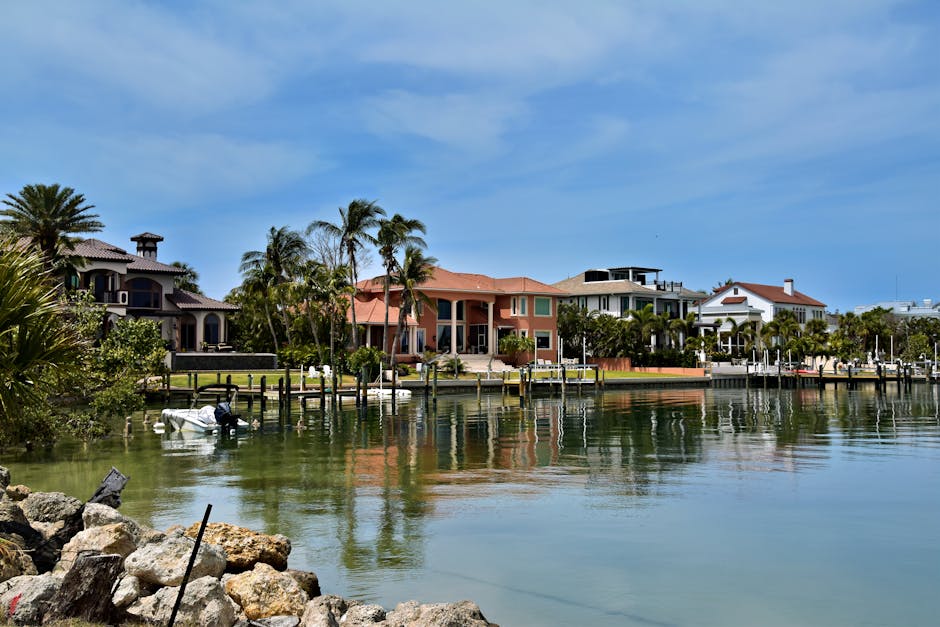
With 120 active luxury units currently on the market and a median list price established at $2,300,000, the inventory remains restricted relative to historical norms. This scarcity is particularly evident in established enclaves such as Davis Islands and Beach Park, where lot availability is nearly exhausted. Advisors are observing a shift in buyer behavior: the focus has moved toward highly customized, ready-to-occupy estates that mitigate the rising costs and timelines associated with bespoke construction in coastal environments.
Transitioning Toward Institutional Quality Assets
The definition of luxury in Tampa is being redefined by institutional-grade developments that prioritize lifestyle integration and resilient infrastructure. No longer is a waterfront view sufficient; today’s acquisitions are evaluated on their technological sophistication, environmental sustainability, and proximity to the urban core. This shift is exemplified by the growth of the Water Street district and the continued desirability of Hyde Park, where walkability is now a primary driver of valuation. Buyers are increasingly looking for properties that function as both a private sanctuary and a seamless extension of their professional lives.
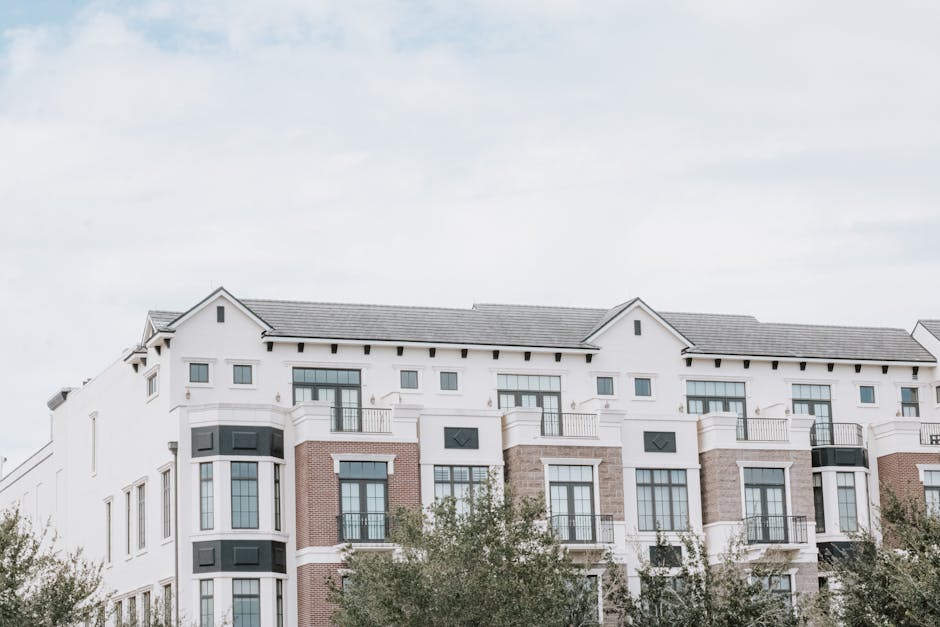
Recent activity in the ultra-high-net-worth segment underscores this trend. The regional price record, which stood at $22.5 million, is being challenged by massive estates that command significant premiums for land assembly and privacy. According to the Wall Street Journal, the upper echelon of the market is reaching heights previously unseen in the Gulf Coast, with some properties now seeking valuations that rival top-tier international markets. This indicates a growing confidence in Tampa as a permanent destination for global capital.
For those navigating the current selection of Tampa luxury homes for sale, the distinction between a trend-driven property and a timeless asset is critical. Senior advisors recommend prioritizing floor plans that offer flexibility for remote executive management while ensuring the building’s envelope meets or exceeds the most recent stringent wind and flood mitigation standards. In a market where the average list price hovers above $3.1 million, the margin for error in due diligence has narrowed significantly.
Geographic Divergence in South Tampa Neighborhoods
While the broader Tampa market shows resilience, there is a clear divergence between specific neighborhoods. South Tampa remains the epicenter of demand, yet within this sub-market, buyer preferences are fragmenting. Palma Ceia and Culbreath Isles continue to attract families seeking established prestige and top-rated school districts, while younger executives are gravitating toward the modern aesthetics found in Westshore and the North Franklin Street corridor. This fragmentation means that price-per-square-foot metrics are less reliable than they were two years ago, as neighborhood-specific premiums fluctuate based on local development projects.
Buyer behavior is also being influenced by the regional events and lifestyle offerings that define the Tampa experience. Whether it is attending high-profile festivals or engaging with the local culinary scene, the lifestyle component is now a quantifiable metric in real estate appraisals. For instance, the demand for proximity to downtown social hubs is reflected in the popularity of weekend events documented by That’s So Tampa, which highlights the city’s evolving cultural density. This cultural growth supports higher property values by attracting a consistent stream of out-of-state residents.
Market movement data from the Tampa Bay Times indicates that the most expensive sales of the previous year were concentrated in areas that offered a blend of historic charm and modern utility. Strategic buyers are currently focusing on properties that require minimal renovation, as the premium for “new” remains at an all-time high. Investors should be wary of over-improving properties in neighborhoods that have already reached their valuation ceiling, instead looking for under-utilized parcels in the path of growth toward the Westshore Marina District.
The Maturation of the Regional Condominium Sector
Tampa was historically a single-family home market, but the luxury condominium sector is now coming of age. The supply of high-rise residences has provided an alternative for those seeking “lock-and-leave” convenience without sacrificing the amenities of a traditional estate. This market segment is particularly attractive to the influx of executives from the Northeast and California who are accustomed to vertical living and professional building management. The emergence of full-service residential towers has fundamentally altered the skyline and the local tax base.
Industry insights from Tampa Bay Business & Wealth highlight why the city remains an early-stage luxury condo market with significant upside. Unlike established markets like Miami, Tampa offers a higher level of personalization and a lower density of investor-owned units, leading to a more stable resident-owner ratio. This stability is a key factor for buyers who prioritize community and long-term occupancy over speculative flipping. The recent price adjustments in Venetian Isles also demonstrate that waterfront luxury is finding a new, sustainable equilibrium.
Strategic Acquisition: A Tactical Checklist
- Verify the elevation and drainage infrastructure of the specific street, as micro-neighborhoods vary significantly.
- Assess the age and efficiency of HVAC and smart-home integration systems to ensure they meet modern energy standards.
- Evaluate the proximity to private aviation facilities if regular national or international travel is required.
- Confirm the presence of a dedicated home office suite with independent fiber-optic connectivity for executive operations.
- Analyze the historical appreciation rates of the immediate four-block radius rather than general city-wide data.
- Review the building’s HOA reserves and long-term maintenance schedules if considering a vertical residential asset.
Macroeconomic Resilience and Executive Relocation Trends
The primary engine behind Tampa’s sustained real estate health is the continuous migration of high-level executives and business owners. The decision for corporations to relocate or expand into the region is driven by a favorable tax environment and a high standard of living that attracts top-tier talent. As noted by The Business Journals, many executives are specifically choosing the Tampa and St. Petersburg area for its unique combination of economic opportunity and coastal access. This migration provides a solid floor for luxury valuations, as these buyers typically enter the market with significant liquidity.
Market data shows that these buyers are less sensitive to interest rate fluctuations than the general population, focusing instead on the long-term utility of the asset. They are looking for properties that can accommodate multi-generational living or provide space for extensive private collections. The result is a market that remains active even during periods of national economic uncertainty. Real estate trends reported by Florida Trend suggest that the state’s commercial and residential sectors are increasingly intertwined, with luxury housing following the trail of corporate headquarters relocations.
Inventory Velocity and the Median Price Benchmark
Understanding inventory velocity is essential for timing an entry into the Tampa market. Currently, properties priced correctly at the $2.3 million median are moving at a steady pace, while homes over $5 million require more targeted marketing and longer absorption periods. For sellers, this means that professional staging and high-end digital representation are non-negotiable. For buyers, it indicates that there is room for negotiation on properties that have been on the market for more than 90 days, provided there are no underlying structural issues.
The average list price of over $3 million is skewed slightly by several ultra-luxury listings on Bayshore Boulevard and Davis Islands, but it accurately reflects the rising costs of land and premium finishes. Savvy investors are increasingly looking at land-value-only acquisitions in Beach Park, recognizing that the replacement cost for older structures often exceeds the value of the building itself. This strategy allows for the creation of a truly modern estate on a legacy parcel, ensuring future liquidity and desirability in a competitive market.
Success in the 2026 Tampa luxury market depends on a combination of local expertise and analytical rigor. Whether you are seeking a waterfront estate in Culbreath Isles or a modern penthouse overlooking the Sparkman Wharf district, the importance of working with an advisor who understands the subtle shifts in neighborhood dynamics cannot be overstated. We invite you to explore our curated selection of properties and contact our advisory team to discuss how we can assist in your next strategic acquisition or the disposition of a significant residential asset.
Your next move in Tampa luxury
Get current inventory, pricing guidance, and private-tour support from our brokerage team.
Source highlights
- Tampa Bay’s most expensive luxury home sales of 2025 – Tampa Bay Times
- Tampa’s Price Record Is $22.5 Million. This Huge Estate Is Asking $115 Million. – WSJ
- Column: Why executives keep choosing St. Pete – The Business Journals
- Why Tampa remains an early-stage luxury condo market – Tampa Bay Business & Wealth
- Florida Trend Real Estate – Florida Trend
- Jennifer Zales Unveils Venetian Isles Waterfront Luxury Now Offered At A New Price – Haute Living
- Things To Do In Tampa This Weekend: Fun Festivals & Events In Tampa This Weekend – That's So Tampa
- Tampa weekend events: Vintage market, murder mystery dinner and more – Axios
