


The Transition from Secondary to Primary Luxury Hub
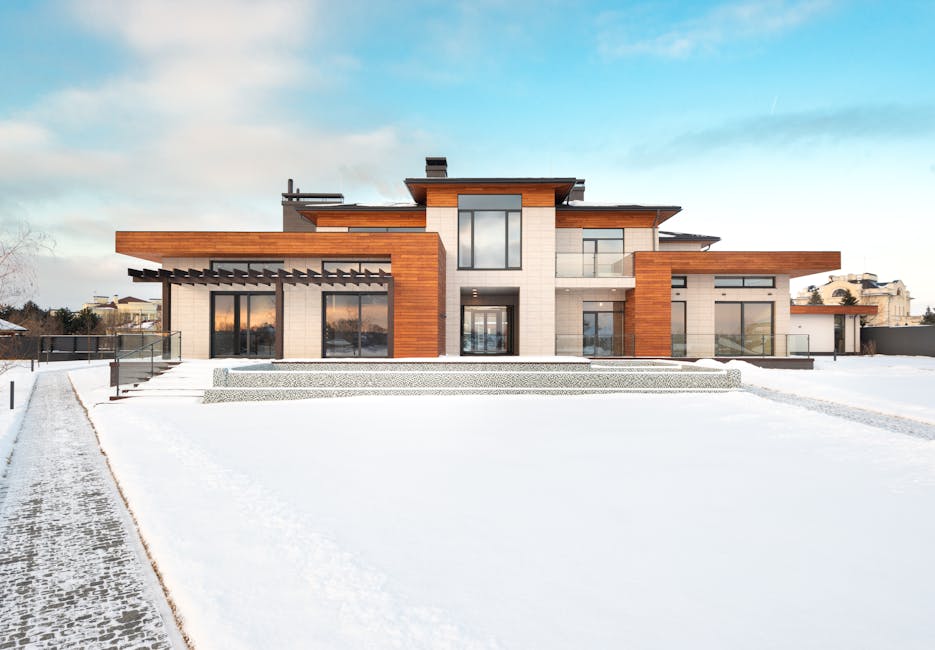
The Tampa Bay luxury real estate landscape has undergone a fundamental structural shift. Historically viewed as a secondary market characterized by seasonal fluctuations, the region has matured into a primary destination for permanent high-net-worth residency. This transition is evidenced by the current inventory profile, where the median list price for luxury properties has stabilized at $2,300,000, while the average list price has climbed to $3,126,055. These figures reflect more than simple appreciation; they signal a market that is pricing in long-term institutional and executive interest. The influx of capital is no longer speculative but is driven by a genuine demand for primary residences that offer a specific combination of privacy, architectural significance, and proximity to emerging commercial centers.

A significant driver of this evolution is the maturation of the waterfront sector. According to analysis by The National Law Review, Tampa Bay’s waterfront is increasingly recognized as a primary luxury market, rather than a regional alternative. This shift influences how properties are valued, with a greater emphasis placed on coastal resilience and modern infrastructure. Buyers are moving away from legacy structures in favor of new-builds or comprehensive renovations that meet updated 2026 building codes. This demand for modern technical standards is a hallmark of an affluent buyer pool that prioritizes risk mitigation alongside aesthetic appeal.
Current market dynamics show approximately 120 active luxury listings, a concentration that allows for sophisticated comparison but requires a disciplined approach to valuation. For those navigating this space, success depends on identifying assets that maintain utility and value across varying economic cycles. We are observing a departure from generic high-end finishes toward bespoke, functional design that caters to the specific needs of modern executives and multi-generational families. The market is no longer just about the square footage; it is about the integration of the home into a broader professional and personal ecosystem.
The Shifting Price Ceiling and Market Benchmarks
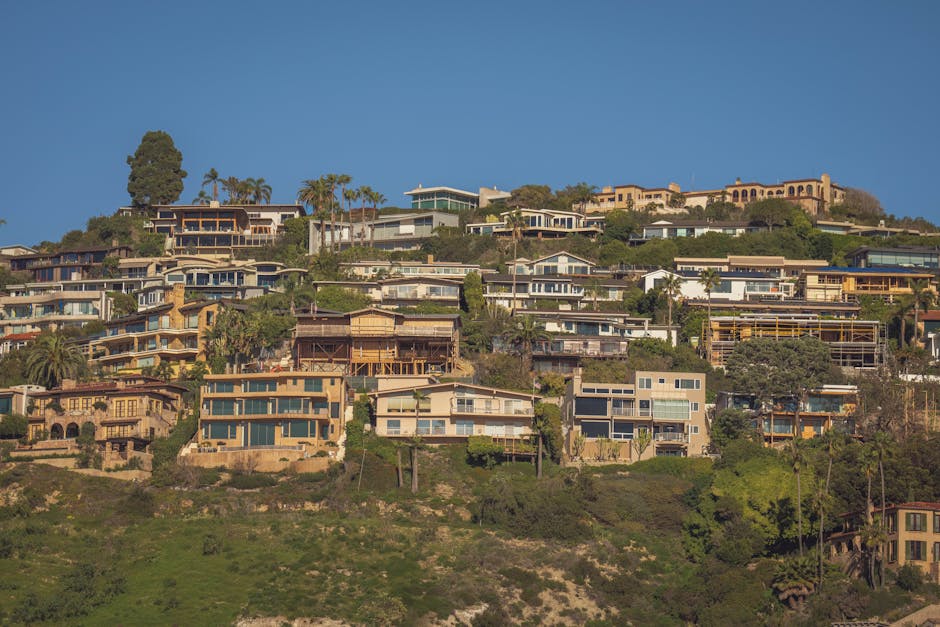
Valuation benchmarks in Tampa are being redefined by record-breaking transactions and ambitious new offerings. In recent years, the market has seen properties move from traditional high-end ranges into the stratosphere of nine-figure valuations. As reported by The Wall Street Journal, while the current price record stands at $22.5 million, new estates are entering the market with asking prices as high as $115 million. While these outlier listings represent the extreme end of the spectrum, they effectively elevate the perceived value and potential of the entire region, creating a new ‘upper-tier’ that was virtually non-existent a decade ago.
The data from The Tampa Bay Times regarding the most expensive sales of 2025 further validates this upward trajectory. These transactions are concentrated in established enclaves like Davis Islands and the historic corridors of South Tampa. For a senior advisor, these data points are critical when assessing the long-term appreciation potential of a property. A $3 million acquisition today must be evaluated not just against historical local sales, but against the broader national context of primary luxury markets. The price-per-square-foot metrics are beginning to align with those seen in established hubs like Miami or North Palm Beach, though Tampa still offers a distinct value proposition in terms of land availability and lifestyle density.
Understanding these benchmarks requires a granular look at the inventory. High-value sales are often driven by land value and the rarity of the lot, particularly on the Bayshore Boulevard corridor or the secluded cul-de-sacs of Old Hyde Park. Buyers must differentiate between ‘market-priced’ luxury and ‘intrinsic’ luxury—the latter being properties that possess irreplaceable geographical or historical attributes. When we review the available luxury listings, we focus on identifying these intrinsic assets before they are influenced by broader market hype. The ability to distinguish between a temporary price surge and a fundamental shift in land value is what separates a successful acquisition from a standard purchase.
The Executive Migration and St. Petersburg Synergy
A significant component of the local market’s strength is the ongoing executive migration. High-level professionals are increasingly choosing the Tampa Bay area for its favorable tax environment and growing corporate infrastructure. This trend is particularly visible in the St. Petersburg sub-market, where executives are drawn to the walkable urban core and the burgeoning tech scene. As noted by The Business Journals, the choice for executives often involves a balance between the suburban prestige of South Tampa and the dynamic, arts-centric environment of St. Pete. This cross-bay synergy creates a more robust regional market that is less susceptible to localized downturns.
In 2026, the distinction between ‘work’ and ‘home’ has become increasingly blurred for this demographic. Luxury properties are now expected to feature professional-grade home offices, advanced security protocols, and wellness-focused amenities. We are seeing a high volume of interest in properties like those on N Florida Avenue or W Dr Martin Luther King Jr Boulevard, which offer a unique mix of residential privacy and strategic proximity to the city’s commercial arteries. The buyers in this segment are analytical; they are looking for properties that function as both a sanctuary and a strategic base of operations. This requires a sophisticated understanding of local zoning and future commercial developments that could impact residential tranquility.
Furthermore, the regional real estate landscape is being shaped by broader state-wide trends. Florida Trend highlights the consistent movement of wealth into the Gulf Coast, which reinforces the stability of the Tampa market. For a buyer, this means that an investment in a primary residence is supported by a continuous flow of high-net-worth individuals into the state. When evaluating properties, we look at the ‘executive’ utility of the home—how it facilitates a high-performance lifestyle while maintaining the privacy essential for public-facing figures.
Strategic Acquisition Benchmarks for 2026
Navigating a market with a $3.1 million average list price requires a structured approach to due diligence. Affluent buyers must move beyond surface-level aesthetics and focus on the structural and financial integrity of the asset. The following benchmarks are essential for any serious acquisition in the current environment:
- Verification of elevation and modern drainage systems to ensure long-term coastal resilience.
- Assessment of smart-home integration and off-grid capabilities for energy independence.
- Audit of historical tax assessments and potential future adjustments in high-growth zones.
- Analysis of surrounding development permits to protect views and privacy corridors.
- Evaluation of property management requirements for seasonal or secondary usage.
- Review of existing insurance binders and the availability of private-market coverage.
The complexity of these transactions often involves multiple stakeholders, from legal counsel to specialized inspectors. In a market where inventory is limited to 120 prime units, the speed of due diligence is a competitive advantage. Buyers who have pre-vetted their advisory teams are better positioned to secure high-demand properties before they reach the broader public market. This proactive stance is particularly important for waterfront assets, where the technical requirements for dockage and sea wall maintenance can significantly impact the total cost of ownership.
The Vertical Luxury Sector: Early-Stage Condo Dynamics
While estate homes remain the cornerstone of the Tampa luxury market, the vertical sector is currently in a fascinating early-stage development phase. High-end condominiums in the downtown core and along the Bayshore waterfront are providing a new alternative for those seeking a low-maintenance, high-security lifestyle. Analysis from Tampa Bay Business & Wealth suggests that Tampa is still in the nascent stages of its luxury condo evolution. This presents a unique window for buyers to enter projects that are setting the standard for future high-rise living in the city.
The appeal of these vertical residences lies in their integrated amenities and communal prestige. For the modern executive, the ability to transition from a downtown office to a high-rise residence with concierge services is a significant draw. These properties often feature the same level of interior finish as a custom estate home but with the added benefits of 24/7 security and professional management. However, the condo market requires a different set of analytical tools. Potential owners must scrutinize association health, long-term capital improvement plans, and the density of the surrounding neighborhood to ensure their investment remains protected as the skyline continues to grow.
We are also seeing a trend where buyers maintain both a vertical residence in the city and a larger estate in the more secluded areas of the region. This dual-property strategy allows for maximum flexibility, catering to both professional requirements and family privacy. When browsing Tampa listings, it is useful to compare the lifestyle implications of a high-floor unit in Water Street against a traditional gated estate in Avila or South Tampa. Both offer distinct advantages, and the choice often depends on the buyer’s specific proximity needs to the city’s logistical and social hubs.
Market Resilience and Long-Term Stability
The stability of the Tampa market is reinforced by its diverse economic base. Unlike markets that rely solely on tourism or a single industry, Tampa’s growth is supported by healthcare, finance, and technology. This economic diversity provides a safety net for luxury real estate values, as there is a constant underlying demand for high-end housing from a variety of sectors. Even during periods of broader market volatility, the core luxury areas of Tampa have shown remarkable resilience, maintained by limited land supply and high barriers to entry.
Local events and cultural growth also play a role in sustaining property values. From major sporting events to high-profile community festivals, the city’s social calendar is increasingly aligned with the interests of an affluent demographic. Resources like That’s So Tampa and Axios Tampa Bay provide a glimpse into the lifestyle density that supports the region’s desirability. A luxury home is an investment in a specific way of life, and Tampa’s ability to offer a sophisticated urban experience alongside its natural coastal beauty is a significant factor in its continued upward trajectory.
For the long-term investor, the focus should remain on the scarcity of the asset. Whether it is a sprawling property on N Grady Avenue or a meticulously preserved historic home in Hyde Park, the value is anchored in the fact that these locations cannot be replicated. As the city matures, the focus will shift from ‘growth’ to ‘refinement,’ where the quality of the architecture and the exclusivity of the location become the primary drivers of value. Understanding this shift is essential for making a decision that will stand the test of time.
Final Considerations for the Affluent Buyer
Acquiring a luxury property in Tampa in 2026 is an exercise in precision. With a median price point of $2,300,000 and a highly competitive inventory of approximately 120 units, the margin for error is slim. Buyers must approach the market with a clear set of objectives, a vetted team of professionals, and a deep understanding of the local neighborhood dynamics. The transition of Tampa into a primary luxury hub is complete; the task now is to identify the specific assets that will define the next decade of the city’s architectural and cultural history.
As you evaluate your next move, prioritize properties that offer a balance of technical excellence and lifestyle utility. The most successful acquisitions are those where the buyer has looked beyond the immediate marketing and focused on the fundamental value of the land and the integrity of the build. Whether you are seeking a waterfront sanctuary or an urban estate, the current market offers opportunities for those who are prepared to act with confidence and discipline. To begin a focused search of the most exclusive inventory, we invite you to browse our curated selection of properties and connect with an advisor for a private consultation.
Navigating the complexities of the Tampa luxury market requires more than just access to data; it requires the insight of an advisor who understands the nuances of local executive migration and the technical demands of coastal living. We recommend reviewing the current active inventory to establish a baseline for your specific requirements. Once you have identified potential areas of interest, please contact our advisory team to discuss a strategic acquisition plan. Our focus is on providing the analytical depth and local expertise necessary to secure an asset that aligns with your professional and personal standards.
Your next move in Tampa luxury
Get current inventory, pricing guidance, and private-tour support from our brokerage team.
Source highlights
- Tampa Bay’s most expensive luxury home sales of 2025 – Tampa Bay Times
- Tampa’s Price Record Is $22.5 Million. This Huge Estate Is Asking $115 Million. – WSJ
- Column: Why executives keep choosing St. Pete – The Business Journals
- Why Tampa remains an early-stage luxury condo market – Tampa Bay Business & Wealth
- Florida Trend Real Estate – Florida Trend
- Tampa Bay’s Waterfront Emerges as a Primary Luxury Real Estate Market – The National Law Review
- Things To Do In Tampa This Weekend: Fun Festivals & Events In Tampa This Weekend – That's So Tampa
- Tampa weekend events: Vintage market, murder mystery dinner and more – Axios
