


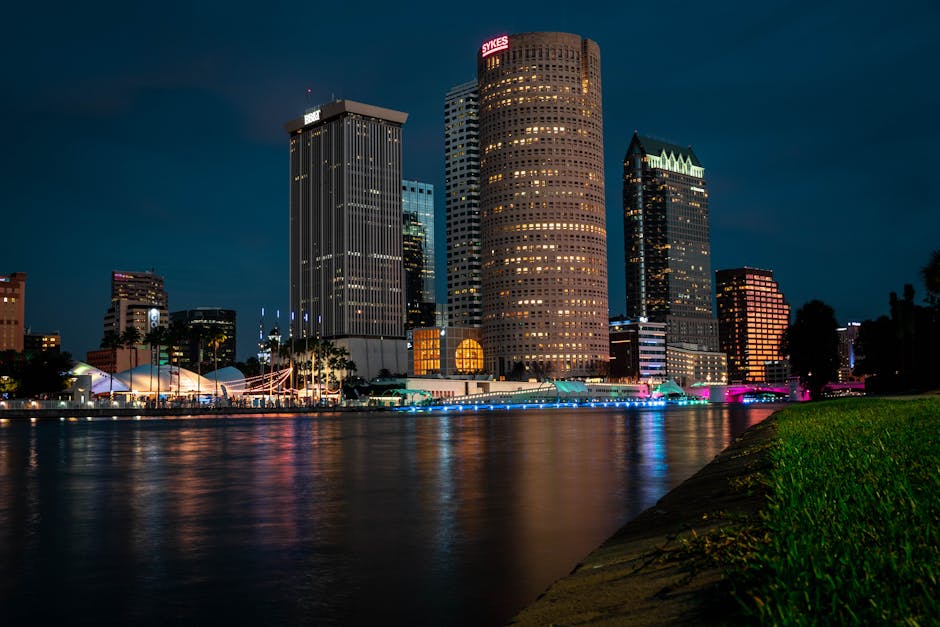
The Structural Transition from Seasonal Retreat to Primary Residence
For decades, the luxury narrative in the Tampa Bay region was defined by its utility as a secondary or tertiary residence hub. However, 2026 marks a definitive shift in this paradigm. High-net-worth buyers are no longer merely looking for a wintering spot; they are seeking primary residences that support long-term professional and family infrastructure. This evolution is driven by the sustained migration of C-suite executives who are choosing the Gulf Coast for its tax advantages and maturing corporate landscape. We are seeing a significant trend where executives keep choosing the region to plant their permanent roots, fundamentally altering the demand for high-end educational facilities and private club memberships.
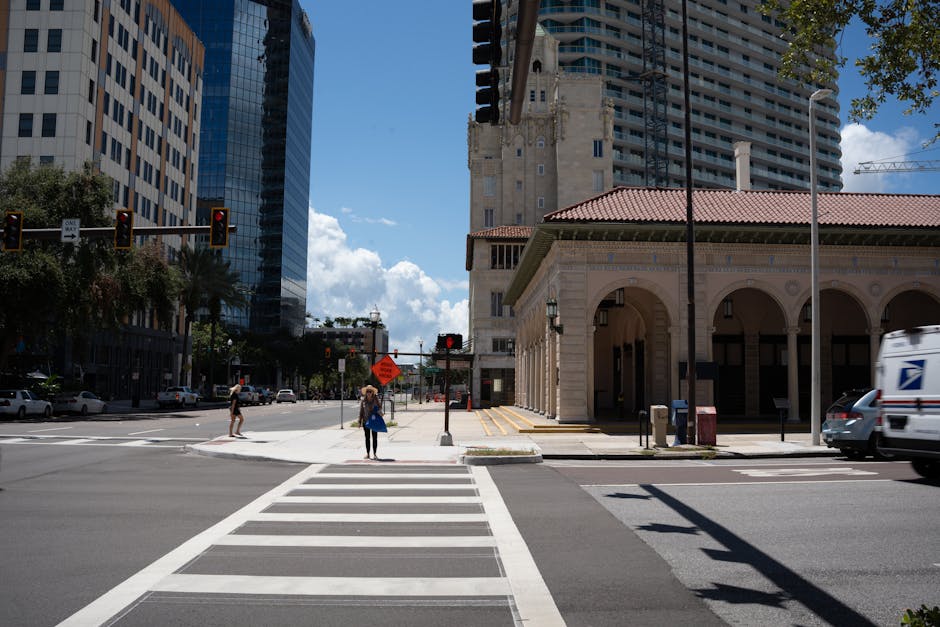
This demographic shift is reflected in the current inventory dynamics. With 120 active luxury units currently on the market and a median list price of approximately $2,388,780, the floor for entry into the premium segment has stabilized. Buyers are now prioritizing properties that offer integrated home offices, sophisticated security systems, and proximity to high-performing independent schools. The acquisition strategy has moved away from speculative appreciation and toward functional longevity. In neighborhoods like Hyde Park and Culbreath Isles, the focus is on estates that can accommodate a full-time family lifestyle rather than just the occasional coastal holiday.
Understanding this movement requires an analytical lens. The market is increasingly bifurcated between legacy estates and the new wave of ultra-luxury developments. While the average list price hovers around $3,147,389, the top-tier segment is pushing boundaries that were previously unseen in Central Florida. This is a primary-market mentality: buyers are investing in the infrastructure of their lives, not just a square-footage footprint. The result is a more resilient pricing environment, less susceptible to the seasonal fluctuations that once defined the Florida real estate cycle.

The $100 Million Ceiling and Waterfront Revaluation
The ceiling of what is possible in Tampa Bay real estate has been shattered. Recent listings and sales have recalibrated the expectations for waterfront value. While the record for the area previously sat at $22.5 million, the entry of mega-estates into the market—some asking well over $100 million—signals a new era of global competition. As reported by the Wall Street Journal, the introduction of nine-figure price tags indicates that Tampa is now competing for the same ultra-high-net-worth capital as Palm Beach and Miami. This is not just about a single property; it is a signal of the region’s arrival as a primary destination for global wealth.
Waterfront assets are being viewed through a new lens of scarcity and durability. According to research from the National Law Review, Tampa Bay’s waterfront is emerging as a primary luxury real estate market due to its unique combination of deep-water access and suburban-style privacy. This differentiates the local market from the denser, more urbanized waterfronts on the Atlantic coast. Buyers here are looking for the ability to dock significant vessels while maintaining a quiet, private residential experience in enclaves like Davis Islands or Snell Isle.
For the strategic investor, the focus should be on the rarity of the parcel. While modern architecture can be replicated, the deep-water frontage on these historic islands cannot. We advise our clients to look beyond the current aesthetic of a home and evaluate the land’s intrinsic value and its position relative to the open bay. Current inventory includes notable opportunities, such as the $2.9 million MLK Boulevard commercial-sale properties and residential estates like the $2.2 million North Florida Avenue listing, which offer different entry points into the evolving local landscape.
Strategic Due Diligence for the Modern Buyer
In a market characterized by rapid growth and record-setting valuations, the importance of rigorous due diligence cannot be overstated. The sophisticated buyer must look beyond the curated staging and high-end finishes to understand the underlying fundamentals of the asset. This involves a multi-layered approach to property evaluation, including environmental resilience, zoning stability, and neighborhood-level infrastructure. As the region continues to attract investment, staying informed on Florida real estate trends is essential for making a sound decision.
A significant factor in current decision-making is the quality of life offered by the immediate surrounding area. Buyers often coordinate their acquisitions with local cultural and lifestyle beats. For instance, the timing of a site visit might coincide with high-profile events in Tampa, allowing for a firsthand assessment of the neighborhood’s energy and accessibility. This qualitative data is just as important as the quantitative sales figures when selecting a primary residence.
Before moving forward with a contract, we recommend the following strategic checklist to ensure your acquisition aligns with long-term wealth preservation goals:
- Verify the current elevation and the status of any recent flood mitigation upgrades to the infrastructure.
- Audit the capacity and admissions timelines for local private and independent educational institutions.
- Analyze the neighborhood’s historical absorption rate for properties priced above the $3 million mark.
- Evaluate the impact of planned municipal developments on local traffic patterns and privacy.
- Confirm the extent of riparian rights and coastal construction control lines for any waterfront parcel.
- Assess the property’s historical maintenance records with a focus on seawall and dock structural integrity.
The Vertical Frontier: Analyzing the Early-Stage Condo Market
While single-family estates remain the cornerstone of Tampa’s luxury market, a sophisticated high-rise culture is beginning to take shape. This is an “early-stage” luxury condo market compared to more mature urban centers, which presents a unique window of opportunity for early movers. As noted by Tampa Bay Business & Wealth, the demand for maintenance-free living combined with five-star amenities is driving a new wave of vertical development in the downtown core and along the Bayshore corridor.
These developments are attracting a specific buyer profile: the transitioner. These are individuals who are moving from large estates in the suburbs to a more urbanized, lock-and-leave lifestyle. The value proposition here is centered on service and security. Concierge services, private wellness centers, and exclusive social clubs are now standard requirements for any project hoping to command the $2,000-per-square-foot prices that are becoming more common in the market. This vertical growth is a sign of a maturing city that can support multiple high-end lifestyle options simultaneously.
When comparing vertical acquisitions, we focus on the developer’s track record and the exclusivity of the resident base. In an early-stage market, the first few high-profile projects set the benchmark for everything that follows. Investors should pay close attention to the ratio of guest parking, the sophistication of the air filtration systems, and the long-term viability of the HOA reserves. These functional details often dictate the resale value far more than the initial finish level.
Neighborhood-Level Implications and Market Movement
The geography of Tampa luxury is expanding beyond its traditional borders. While South Tampa remains the most sought-after destination for those prioritizing historic charm and school access, areas like Riverside Heights and the Westshore district are seeing substantial capital investment. This movement is driven by a lack of inventory in the core island neighborhoods, forcing buyers to look for larger lots and newer construction in adjacent enclaves. This “spillover effect” is creating new luxury pockets where the average list price is rising faster than the regional median.
Buyer behavior in 2026 is characterized by a high degree of patience. With 120 properties to choose from, clients are willing to wait for a home that meets 90% or more of their criteria rather than settling for a compromised asset. This has led to an increase in days-on-market for properties that are poorly priced or outdated, while turnkey, architecturally significant homes continue to attract multiple offers within their first week of listing. This selectivity is a hallmark of a healthy, mature market where the value is driven by quality rather than pure FOMO (fear of missing out).
For those navigating the current inventory, we emphasize the importance of local context. A home in Palma Ceia offers a vastly different lifestyle than a penthouse in the Water Street district. Understanding the nuances of each street, the reputations of the local developers, and the future commercial projects slated for the area is critical. Our role as advisors is to provide this neighborhood-level intelligence, ensuring that your capital is allocated to a property that will appreciate in both value and utility over the next decade.
Decision-Useful Takeaways for 2026 Buyers
The current market environment requires a shift in perspective. Instead of asking “Is this the right time to buy?”, the more relevant question is “Is this the right asset for my long-term portfolio?” In a primary-resident market, the utility of the home and its alignment with your personal and professional needs are the primary drivers of value. The stability of the Tampa Bay economy, bolstered by the continuous influx of high-earning professionals, provides a strong foundation for long-term equity growth. We are no longer in a market of rapid spikes and corrections, but rather one of steady, quality-driven appreciation.
Investors should also consider the broader lifestyle infrastructure of the region. The proximity to world-class medical facilities, the accessibility of private aviation hubs like Peter O. Knight Airport, and the ongoing investment in the downtown waterfront are all factors that support high-end valuations. When you acquire a property here, you are not just buying a home; you are buying into the future of a city that is rapidly becoming the intellectual and financial capital of Florida’s west coast.
As you evaluate your next move, consider the current inventory of 120 units as a starting point. The median price of $2.38 million represents a broad range of opportunities, from boutique condos to substantial suburban estates. By focusing on the fundamentals—land value, construction quality, and neighborhood trajectory—you can navigate this evolving landscape with confidence. Our team is dedicated to providing the analytical brief and neighborhood-level implications you need to make an informed, strategic decision in this primary market.
Navigating the nuances of the current market requires more than just access to data; it requires the perspective of a seasoned advisor who understands the subtle movements of the neighborhood. To refine your search and gain access to off-market opportunities, we encourage you to browse our current curated listings and contact a private advisor today. Whether you are seeking a legacy waterfront estate or a modern vertical retreat, our team is prepared to provide the specific, analytical guidance necessary for a successful acquisition.
Your next move in Tampa luxury
Get current inventory, pricing guidance, and private-tour support from our brokerage team.
Source highlights
- Tampa Bay’s most expensive luxury home sales of 2025 – Tampa Bay Times
- Tampa’s Price Record Is $22.5 Million. This Huge Estate Is Asking $115 Million. – WSJ
- Column: Why executives keep choosing St. Pete – The Business Journals
- Why Tampa remains an early-stage luxury condo market – Tampa Bay Business & Wealth
- Florida Trend Real Estate – Florida Trend
- Tampa Bay’s Waterfront Emerges as a Primary Luxury Real Estate Market – The National Law Review
- Things To Do In Tampa This Weekend: Fun Festivals & Events In Tampa This Weekend – That's So Tampa
- Tampa weekend events: Vintage market, murder mystery dinner and more – Axios
