


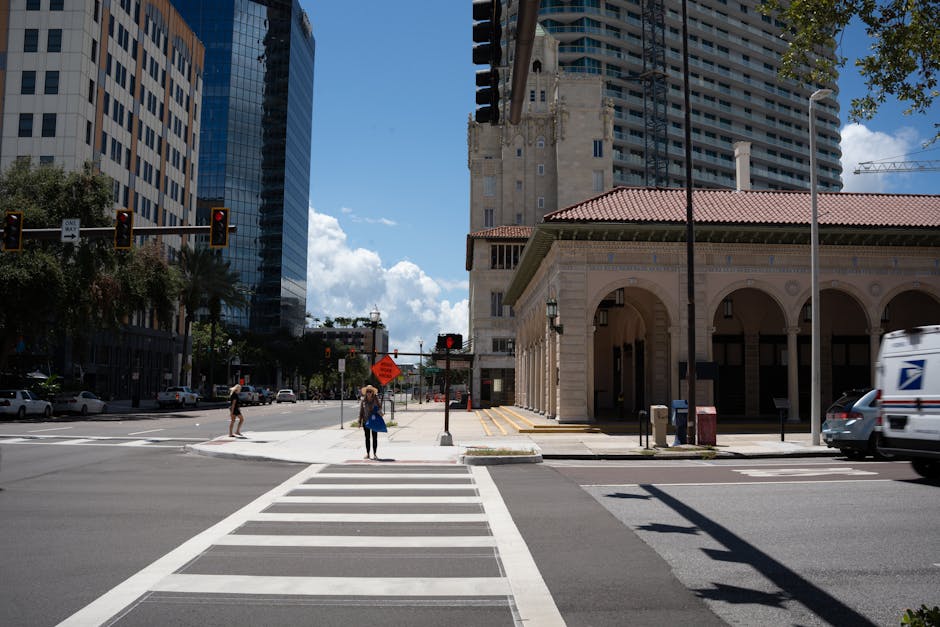
The Structural Shift in Tampa High-End Inventory
The Tampa luxury residential sector has undergone a fundamental transition from a seasonal secondary market to a primary destination for global capital and executive relocation. With a median list price currently holding at $2,388,780, the barrier to entry for tier-one assets has solidified. This pricing floor reflects a broader commitment from buyers who are no longer seeking transient vacation properties but are instead investing in permanent architectural legacies. The current inventory of 120 active luxury listings demonstrates a curated selection of properties that prioritize technological integration, privacy, and long-term utility over mere aesthetic appeal.
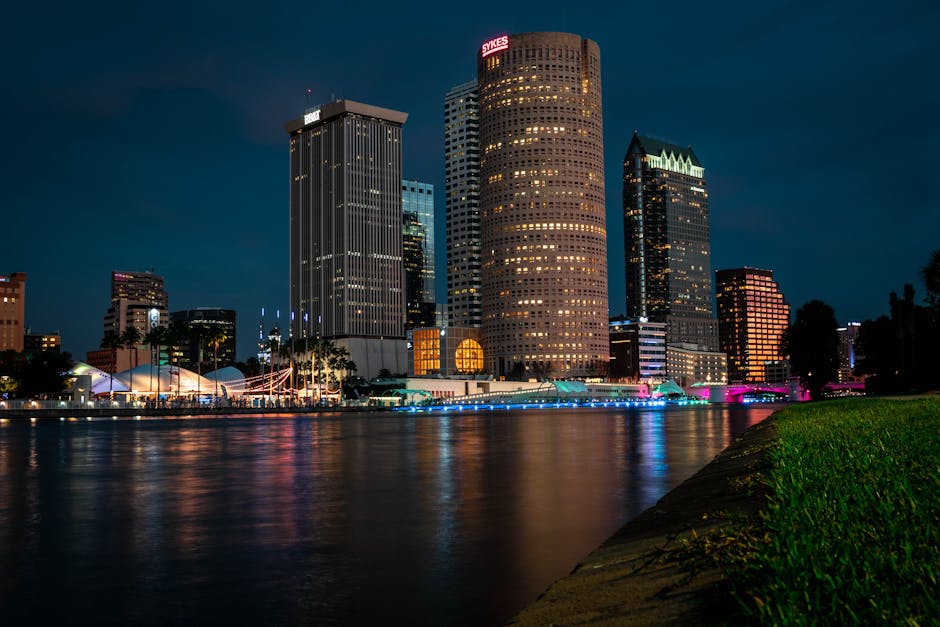
Market participants are observing a notable decrease in speculative flipping within the $2M+ bracket. Instead, the focus has pivoted toward deep-value acquisitions where historical significance or exceptional location provides a hedge against broader economic fluctuations. Buyers are increasingly analytical, scrutinizing build quality and long-term maintenance costs with the same rigor applied to a corporate merger. This sophistication is driving developers to move beyond standard finishes, opting instead for bespoke materials and site-specific designs that resonate with a global aesthetic. The shift is not just about price; it is about the maturation of the local ecosystem into a world-class residential hub.
This institutionalization of the market is further evidenced by the caliber of recent transactions. While the average list price hovers near $3,147,389, the top-tier sales of the previous year indicate a market that can comfortably support nine-figure valuations for the right asset. Understanding this movement requires looking past the surface numbers to the underlying demand for quality. Sophisticated investors are tracking these trends carefully, recognizing that the window for early-stage luxury entry is closing as the region’s profile continues to rise on the international stage.

Waterfront Dominance and Neighborhood Nuance
Waterfront assets remain the primary driver of value in the Tampa region, yet the definition of desirable frontage is expanding. Historically, Davis Islands and Bayshore Boulevard commanded the highest premiums, but we are seeing a strategic emergence of alternative waterfront corridors. According to recent reports from the National Law Review, Tampa’s waterfront is now being viewed as a primary primary luxury real estate market, competing directly with established hubs in South Florida. This shift is particularly visible in areas where legacy estates are being reimagined for the modern era, blending traditional Florida architecture with contemporary transparency.
Neighborhoods like Beach Park and Culbreath Isles continue to offer a unique proposition for buyers who require deep-water access combined with a secluded residential feel. In these enclaves, the value is often found in the lot size and the ability to secure multi-acre parcels that are increasingly rare in urban centers. Buyers here are often coming from higher-density markets and are willing to pay a premium for the physical space that allows for extensive private amenities. The competition for these parcels is fierce, often involving off-market negotiations before a property ever reaches the public eye.
Beyond the water, the inland luxury market is also seeing significant movement. Neighborhoods such as Hyde Park and Palma Ceia are attracting a demographic that values walkability and proximity to the region’s growing culinary and cultural scene. These buyers are often less concerned with riparian rights and more focused on the historical integrity of the architecture and the intimacy of the streetscape. The interplay between these different neighborhood profiles creates a diverse market where price discovery is driven by specific buyer utility rather than a monolithic trend. Analyzing these nuances is essential for any successful acquisition strategy in the current environment.
The Rise of Ultra-Luxury Estates and Record Valuations
The ceiling for Tampa real estate is being pushed to unprecedented heights. While the previous price record stood at $22.5 million, the market is now seeing entries that challenge the very definition of local luxury. A notable example is a massive estate recently brought to market with an asking price of $115 million, as detailed by the Wall Street Journal. This escalation is not an anomaly but a reflection of Tampa’s ability to attract ultra-high-net-worth individuals who require the highest level of security, scale, and exclusivity. These properties function as private resorts, equipped with comprehensive health suites, secure communications, and multi-generational living quarters.
This trend toward ‘compound-style’ living is a direct response to global shifts in how wealth is managed and enjoyed. The estate model allows for a self-contained environment that mitigates the need for public interaction while providing every conceivable convenience. For the sophisticated buyer, these assets represent more than just a home; they are a safe-haven asset class. The level of craftsmanship required for these builds often necessitates importing materials and expertise from across the globe, further cementing Tampa’s position as a destination for top-tier residential design.
However, the ultra-luxury segment also demands a more rigorous valuation process. When comparing a $10M property to a $100M estate, the metrics of price-per-square-foot become less relevant than the uniqueness of the site and the replacement cost of the improvements. Buyers in this space are often advised by multidisciplinary teams that include architects, security consultants, and asset managers. The decision-making process is slow and deliberate, focused on how the property integrates into a broader global portfolio. As more of these flagship properties come to market, they set new benchmarks that influence the pricing of all high-end inventory in the surrounding areas.
Executive Migration and the Cross-Bay Synergy
The luxury market is being significantly bolstered by a steady influx of corporate executives and business owners. St. Petersburg and Tampa are increasingly viewed as a single, synergistic economic engine. As reported by The Business Journals, executives are consistently choosing the St. Pete side of the bay for its lifestyle and business-friendly environment, which in turn creates a ripple effect across the entire luxury residential landscape. This migration is bringing a new level of professional demand for high-end housing that can accommodate remote work without sacrificing elegance.
Due Diligence Checklist for High-Value Acquisitions
- Verify coastal construction control lines and modern elevation requirements for all waterfront parcels.
- Audit the property for smart-home integration and the redundancy of critical mechanical systems.
- Assess the neighborhood’s long-term development pipeline to identify potential view obstructions or traffic shifts.
- Review historical tax assessments and potential portability benefits for Florida residents.
- Investigate private school availability and commute times during peak morning hours.
- Analyze the structural integrity of seawalls and dockage facilities, including depth at mean low tide.
Vertical Luxury: The Maturing Condo Market
While single-family estates often dominate the headlines, the vertical luxury market in Tampa is reaching a critical stage of maturity. The region is no longer just an ‘early-stage’ condo market; it has become a proven destination for high-rise living that rivals major urban centers. Analysts at Tampa Bay Business & Wealth have noted that the condo sector is evolving rapidly, with new developments offering amenities that were previously unavailable in the market. From private elevator entries to concierge services that handle everything from travel arrangements to fine dining reservations, the expectations for high-rise living have been reset.
This shift toward vertical living is driven by a desire for a ‘lock-and-leave’ lifestyle among affluent buyers who maintain multiple residences. These individuals value the security and maintenance-free aspect of a managed building, provided the service levels meet institutional standards. The competition among developers has led to an ‘amenity arms race,’ where wellness centers, private wine cellars, and sky-lounges are now considered standard for the $3M+ condo bracket. This segment of the market is particularly attractive to those transitioning from large suburban estates who wish to remain in the urban core without the burdens of property management.
Investment in high-rise luxury also requires a different analytical approach. Prospective buyers must look closely at the reputation of the developer, the health of the homeowners’ association, and the long-term capital improvement plans for the building. As more towers rise along the skyline, the differentiation will come down to the quality of the service and the exclusivity of the community. For the savvy investor, the condo market offers a more liquid alternative to the estate model, with a clear trajectory of appreciation as the urban core continues to densify and attract high-paying jobs in the tech and finance sectors.
Market Velocity and Valuation Benchmarks
Data from the Tampa Bay Times regarding the most expensive sales of 2025 illustrates a market with robust velocity and strong price support. We are seeing a compression in days-on-market for properties that are priced accurately and presented at a high standard. This indicates that while buyers are analytical, they are also ready to move quickly when an asset aligns with their strategic objectives. The ability to identify these opportunities requires a deep understanding of local market movements and an established network that can provide access to inventory before it is widely publicized.
As we look toward the remainder of 2026, the inventory levels will be the primary factor to watch. With only 120 active luxury listings, the supply remains constrained relative to the growing demand from out-of-state buyers and local upgraders. This scarcity is a key driver of the average list price of over $3 million. For those considering a divestment, the current climate offers a favorable exit environment, particularly for well-maintained assets in premier neighborhoods like South Tampa or Davis Islands. Conversely, for buyers, the focus must be on identifying value through long-term hold strategies and capital improvements that can further differentiate a property in a crowded high-end field.
Strategic acquisition in this landscape requires more than just a search for a residence; it requires an advisor who understands the intersection of real estate, lifestyle, and wealth preservation. Whether evaluating a historic manor in Hyde Park or a modern masterpiece on the water, the goal is to secure an asset that will appreciate in both value and utility over the coming decade. As the Tampa market continues to mature, those who act with precision and local insight will be best positioned to benefit from the region’s sustained growth. To explore current opportunities and begin your acquisition journey, we invite you to browse our curated LISTINGS URL. For a private consultation regarding your specific portfolio requirements, please CONTACT URL our senior advisory team to discuss your next strategic move in the Tampa market.
Your next move in Tampa luxury
Get current inventory, pricing guidance, and private-tour support from our brokerage team.
Source highlights
- Tampa Bay’s most expensive luxury home sales of 2025 – Tampa Bay Times
- Tampa’s Price Record Is $22.5 Million. This Huge Estate Is Asking $115 Million. – WSJ
- Column: Why executives keep choosing St. Pete – The Business Journals
- Why Tampa remains an early-stage luxury condo market – Tampa Bay Business & Wealth
- Florida Trend Real Estate – Florida Trend
- Tampa Bay’s Waterfront Emerges as a Primary Luxury Real Estate Market – The National Law Review
- Things To Do In Tampa This Weekend: Fun Festivals & Events In Tampa This Weekend – That's So Tampa
- Tampa weekend events: Vintage market, murder mystery dinner and more – Axios
