


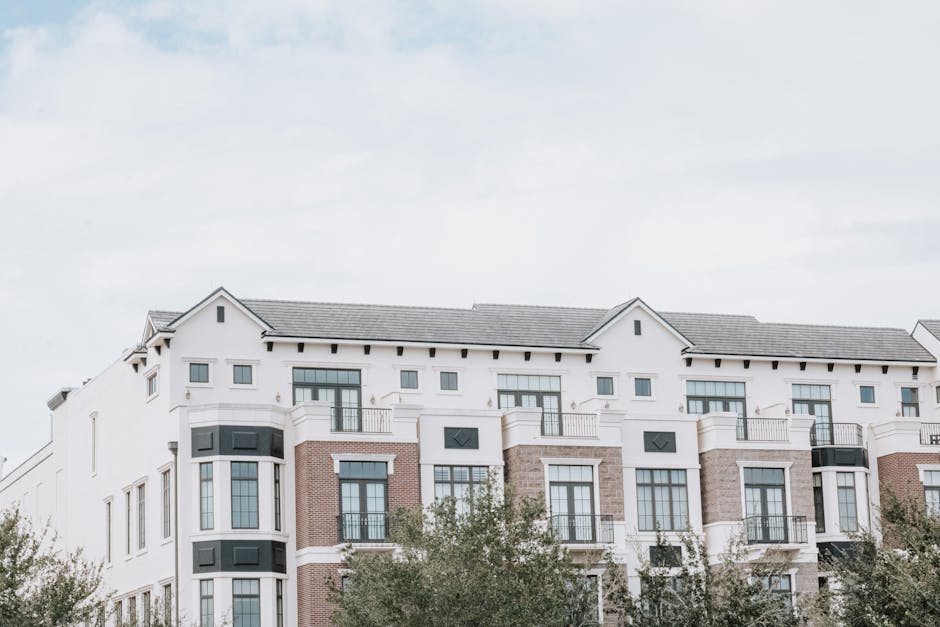
The Institutionalization of Tampa Luxury Real Estate
The transition of the Tampa Bay region from a seasonal leisure destination to a primary economic engine has fundamentally redefined the risk profile for high-net-worth acquisitions. In mid-2026, we are witnessing a structural shift where luxury assets are increasingly viewed through the lens of institutional-grade stability rather than speculative appreciation. This maturation is evidenced by the widening gap between entry-level residential products and the true high-end tier, where a median list price of $2,388,780 now serves as a baseline for premium expectations in core neighborhoods like Hyde Park and Davis Islands.

Market ambition reached new heights recently as high-profile listings shifted the local ceiling. While the local price record stood at $22.5 million for several years, the introduction of massive estates seeking nine-figure valuations—including one significant property asking $115 million—highlights the growing confidence in Tampa as a global wealth hub. For the sophisticated buyer, these benchmarks are not mere outliers but signals of a market that is finally catching up to the valuations seen in traditional coastal strongholds like Palm Beach or Greenwich.
Current data indicates a resilient inventory environment. With only 120 active luxury listings across the metropolitan core, the scarcity of high-quality, turn-key inventory continues to provide a price floor. This supply-demand imbalance is particularly acute for modern architectural builds that meet the aesthetic and technological demands of modern executive residents. As capital continues to flow into the region, the focus has shifted from simple square footage to the intrinsic value of the lot, the sophistication of the build, and the proximity to the city’s evolving commercial and social infrastructure.
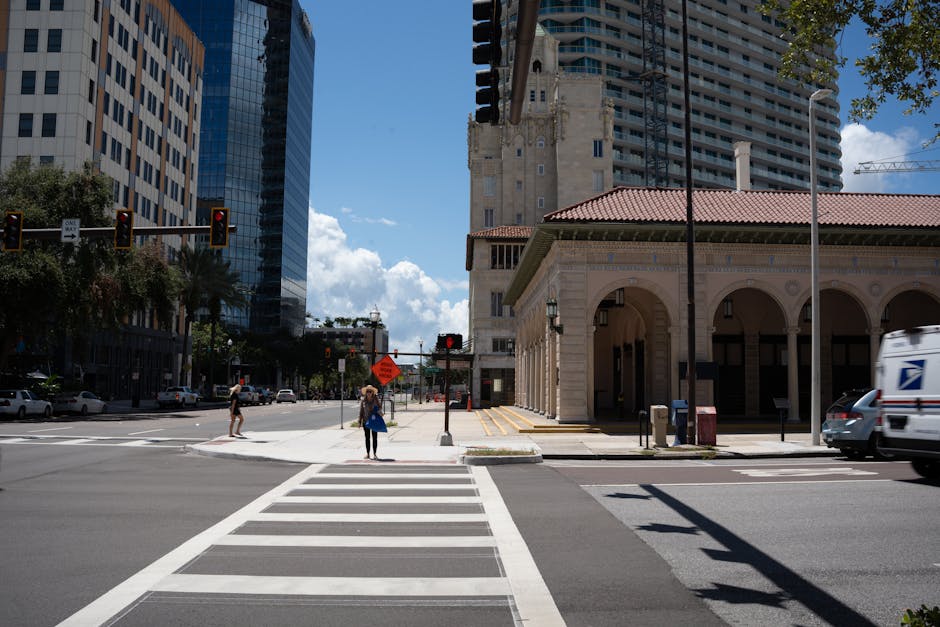
Waterfront Resilience and Primary Market Evolution
Waterfront property in Tampa has officially crossed the threshold from a luxury amenity to a primary asset class. Historically, waterfront holdings were often secondary residences or seasonal escapes, but the current buyer profile is overwhelmingly looking for permanent homesteads. This shift toward primary residency is driving a demand for larger floor plans, dedicated home offices with enterprise-grade connectivity, and integrated wellness suites. According to analysis from The National Law Review, Tampa Bay’s waterfront is emerging as a primary luxury real estate market, outperforming national trends that have seen cooling in less specialized sectors.
The geographical constraints of the bay ensure that waterfront supply remains finite, creating a natural hedge against volatility. Buyers are increasingly prioritizing the Northview and Bayshore corridors, where the integration of urban accessibility and marine access is most seamless. This preference is reflected in the average list price of over $3.1 million for prime inventory, a figure that is supported by a consistent influx of out-of-state capital seeking tax efficiency and lifestyle continuity. The buyer’s objective is no longer just a view; it is the acquisition of a secure, long-term position in one of the most stable coastal markets in the United States.
As we navigate the middle of 2026, the resilience of the Tampa market remains notable even as other Florida regions face inventory gluts. The strength of the local employment base, particularly in the financial and healthcare technology sectors, provides a diversified economic foundation that supports sustained luxury consumption. This is not a market driven by transient sentiment, but rather by a calculated migration of high-net-worth individuals who view Tampa as a viable long-term base for both family and professional interests.
The Vertical Shift: Assessing Luxury Condominium Fundamentals
The evolution of the Tampa skyline is perhaps the most visible indicator of the market’s trajectory. While the single-family market remains the preference for many, a sophisticated segment of the buyer pool is gravitating toward luxury condominiums. This vertical shift is driven by a desire for a low-maintenance, lock-and-leave lifestyle that does not compromise on the privacy or scale of a traditional estate. However, the condo market here is still in its early stages compared to Miami or Naples, presenting both opportunity and a need for rigorous analysis of project fundamentals.
Strategic investors are paying close attention to the pipeline of upcoming developments along the Westshore Marina District and Water Street. Research from Tampa Bay Business & Wealth suggests that Tampa remains an early-stage luxury condo market, which typically implies a favorable entry point for those seeking long-term capital appreciation. The key is identifying buildings with high owner-occupancy rates and robust reserve funds, as these factors directly correlate with future liquidity and price stability. High-end amenities—such as private elevator lobbies, 24-hour concierge services, and climate-controlled storage—have moved from optional features to mandatory requirements for the discerning buyer.
When evaluating these vertical assets, one must consider the quality of the developer and the structural integrity of the project. The current environment favors established entities with a proven track record of delivering high-specification finishes on schedule. For those prioritizing urban density and walkability, the new residential towers in the metropolitan core offer a compelling alternative to suburban sprawl, providing immediate access to the city’s cultural venues and high-end dining without the logistical burdens of large-scale estate management.
Acquisition Due Diligence Checklist
Before committing capital to a luxury acquisition in the current market, we recommend a standardized verification process to ensure the asset aligns with your long-term portfolio goals. The following points represent the minimum standard for professional due diligence:
- Verify the finished floor elevation and confirm adherence to the latest FEMA flood mapping to ensure long-term insurance viability.
- Conduct a comprehensive audit of HOA or COA reserve studies, specifically looking for capital improvement plans over the next ten years.
- Review the historical shoreline stabilization records for waterfront properties, including the condition of existing seawalls and docks.
- Assess the modern telecommunications infrastructure of the property, ensuring redundancy for high-capacity remote operations.
- Evaluate the environmental efficiency of the HVAC and building envelope systems to mitigate rising utility and maintenance costs.
- Confirm the presence of integrated security systems, including perimeter monitoring and secure access points.
Comparative Value in Established and Emerging Nodes
The strategic buyer must distinguish between the intrinsic value of established neighborhoods and the growth potential of emerging corridors. Hyde Park and Davis Islands remain the gold standard for prestige, with historical significance and architectural consistency that provide a layer of protection against market swings. In these areas, the premium is paid for a sense of permanence and a highly curated social environment. Recent transactions, as tracked by Tampa Bay Times in their reporting on the most expensive luxury sales of 2025, show that these nodes continue to command the highest price-per-square-foot ratios in the county.
Conversely, emerging areas like the Heights and portions of the Westshore corridor offer a different value proposition. These nodes are attracting a younger, tech-focused demographic that prioritizes modern aesthetics and proximity to the city’s growing commercial hubs. While these areas may lack the historical cachet of South Tampa, they offer significant upside through regional redevelopment and infrastructure investment. The decision between these nodes often comes down to a choice between capital preservation in a mature area and the pursuit of higher yields in a developing one.
Monitoring the broader state-level trends is also essential for maintaining perspective. Reports from Florida Trend indicate that while some Florida markets are seeing a normalization of prices, Tampa’s high-end sector remains bolstered by a consistent flow of wealth and corporate relocation. This macro-economic tailwind provides a level of security that is absent in many other national luxury markets, making the region a preferred destination for defensive capital deployment.
Transaction Velocity and Negotiation Strategy
While the broader market may experience fluctuations, the luxury segment in Tampa operates on its own timeline. Transaction velocity for well-priced, turn-key assets remains high, often resulting in limited marketing periods. However, for properties requiring significant renovation or those with idiosyncratic floor plans, the days-on-market metric can expand significantly. This creates a bifurcated market where sellers of pristine assets hold significant leverage, while buyers can find opportunities in properties that have been overlooked due to minor aesthetic deficiencies.
In the current environment, the most successful negotiations are those grounded in data rather than emotion. Sellers are increasingly sophisticated, often backed by institutional-level market analysis. To navigate this, buyers should be prepared with a clear understanding of recent comparable sales, specifically focusing on properties with similar lot values and construction quality. The goal is to identify the ‘intrinsic floor’ of a property—the value it would hold regardless of market sentiment—to ensure that the acquisition price is supported by long-term fundamentals.
Local knowledge also plays a critical role in timing an acquisition. Understanding the seasonal rhythm of the city, such as the influx of activity around major regional events, can provide tactical advantages. For instance, monitoring the Tampa weekend events reported by Axios can give a sense of the city’s social density and which neighborhoods are currently in high demand. A property’s value is often tied to its integration into the local lifestyle, and observing these patterns firsthand is an essential component of the advisory process.
Advisory Outlook: Portfolio Integration and Timing
Looking ahead toward the remainder of 2026, we anticipate that the Tampa luxury market will continue to consolidate its gains. The influx of sophisticated capital is not a temporary trend but a permanent realignment of the city’s economic standing. For those considering an entry or an expansion of their local holdings, the current window offers a rare combination of relative value compared to other global hubs and the security of a maturing primary market. The emphasis should remain on high-quality assets in established nodes or meticulously vetted projects in emerging corridors.
Success in this market requires more than just a search for properties; it requires a strategic partnership with advisors who understand the nuances of the local landscape and the complexities of high-value transactions. Whether your objective is capital preservation, lifestyle optimization, or long-term growth, the current inventory of 120 luxury homes provides a curated selection of opportunities for the decisive buyer. As we move further into the year, the importance of acting on accurate, real-time data cannot be overstated.
To navigate the complexities of this evolving landscape, we invite you to consult with a senior advisor who can provide a bespoke analysis of your real estate objectives. We encourage you to browse our exclusive listings to gain a clearer understanding of the current inventory standards. Once you have identified potential assets of interest, please contact an advisor to initiate a private consultation and begin the process of securing your position in Tampa’s most prestigious market.
Your next move in Tampa luxury
Get current inventory, pricing guidance, and private-tour support from our brokerage team.
Source highlights
- Tampa Bay’s most expensive luxury home sales of 2025 – Tampa Bay Times
- Tampa’s Price Record Is $22.5 Million. This Huge Estate Is Asking $115 Million. – WSJ
- Tampa Bay luxury market grows stronger despite national declines – The Business Journals
- Why Tampa remains an early-stage luxury condo market – Tampa Bay Business & Wealth
- Florida Trend Real Estate – Florida Trend
- Tampa Bay’s Waterfront Emerges as a Primary Luxury Real Estate Market – The National Law Review
- Things To Do In Tampa This Weekend: Fun Festivals & Events In Tampa This Weekend – That's So Tampa
- 40+ Best Things to Do in Tampa Bay this Month: Events and MORE! – Tampa Bay Date Night Guide
