


The Evolution of Tampa Inventory and Asset Maturity
The Tampa luxury real estate sector has undergone a fundamental structural shift, moving from a secondary vacation-home market to a primary destination for high-net-worth capital. This transition is evidenced by the current inventory profile, which features a median list price of $2,388,780 across approximately 120 active luxury listings. Unlike previous cycles where pricing was driven by speculative turnover, the current landscape is defined by long-term asset retention and substantial capital improvements. Buyers are no longer looking for seasonal retreats; they are acquiring primary residences that serve as cornerstones for both personal lifestyle and diversified investment portfolios.
As the market matures, the ceiling for property values continues to ascend, signaling a new era of confidence among ultra-high-net-worth individuals. A prime example of this confidence is the recent emergence of estate listings that defy historical precedents, such as the massive estate currently asking $115 million. While such outliers are rare, they set a new valuation benchmark that trickles down to the $2 million to $10 million segments, reinforcing the notion that Tampa is now capable of supporting world-class pricing structures. This trend is not isolated to single-family estates but is increasingly visible in the land and commercial sectors as well.
To navigate this landscape, advisors must look beyond top-line numbers and evaluate the intrinsic value of the location and the quality of construction. Recent sales data indicates that the average list price in the luxury segment now nears $3.15 million, yet the velocity of these transactions remains steady. This suggests that the buyer pool is sophisticated and prepared to meet higher entry points, provided the property meets rigorous standards for design and utility. Investors are increasingly focusing on neighborhoods like South Tampa and the established enclaves along the waterfront, where scarcity continues to provide a natural floor for valuations.

Waterfront Assets as a Primary Market Driver
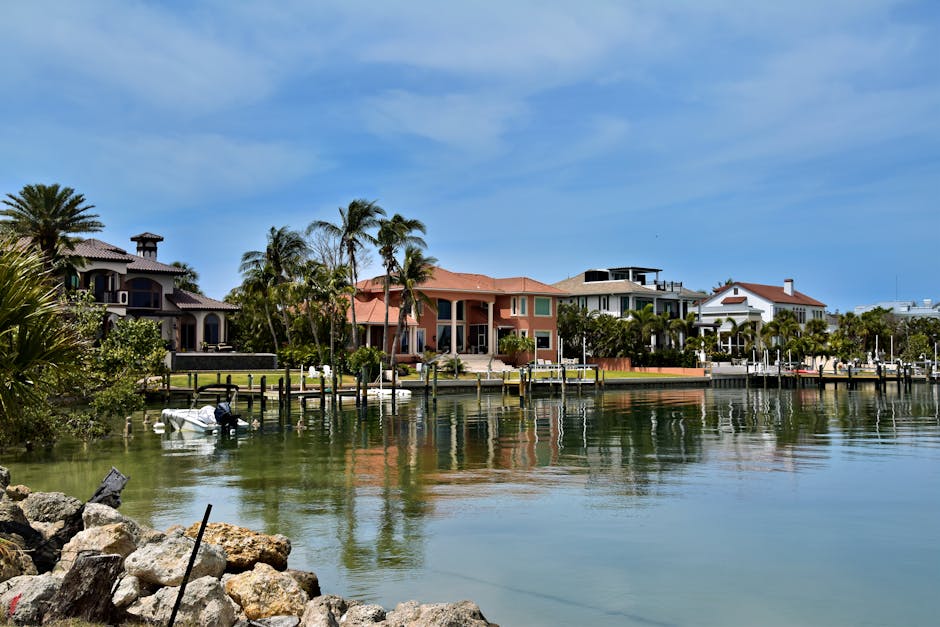
Tampa’s waterfront has transitioned from a localized amenity to a global primary market driver. Historically, waterfront properties in the region were often viewed as secondary or seasonal assets, but recent data from the National Law Review highlights how these areas are emerging as focal points for permanent residency. This shift is driven by a desire for larger footprints, modern infrastructure, and the direct access to Tampa Bay that these locations provide. The demand for deep-water docks and seawall integrity has become a central part of the due diligence process for modern buyers.
The coastal areas, particularly those in South Tampa and Davis Islands, are seeing a concentration of new construction that replaces aging mid-century structures with high-elevation, storm-resilient estates. These modern builds often feature advanced architectural designs that maximize bay views while adhering to the latest environmental and structural codes. Buyers are prioritizing these newer assets, recognizing that the long-term cost of ownership and insurance is significantly mitigated by modern engineering. This trend has created a two-tiered market where updated, resilient properties command a significant premium over older inventory.
Furthermore, the cultural and economic integration of the waterfront into the broader metropolitan area has enhanced its appeal. Proximity to the growing urban core, including the Water Street development, allows waterfront residents to enjoy a secluded environment without sacrificing access to top-tier dining and professional services. This connectivity is a key factor for the modern executive who requires a seamless transition between a private home environment and a dynamic business hub. The result is a sustained pressure on inventory that keeps the luxury count tight and competition high for the best-positioned lots.
The Vertical Shift in the Luxury Condo Segment
While single-family estates dominate the headlines, Tampa is currently in the early stages of a significant luxury condominium expansion. For years, the region was considered a laggard in the high-end vertical space compared to Miami or Naples, but that perception is rapidly changing. Analysis from Tampa Bay Business & Wealth suggests that the market is just beginning to realize the potential of full-service luxury towers. These developments cater to a demographic that values security, amenity-rich environments, and the simplicity of a lock-and-leave residence.
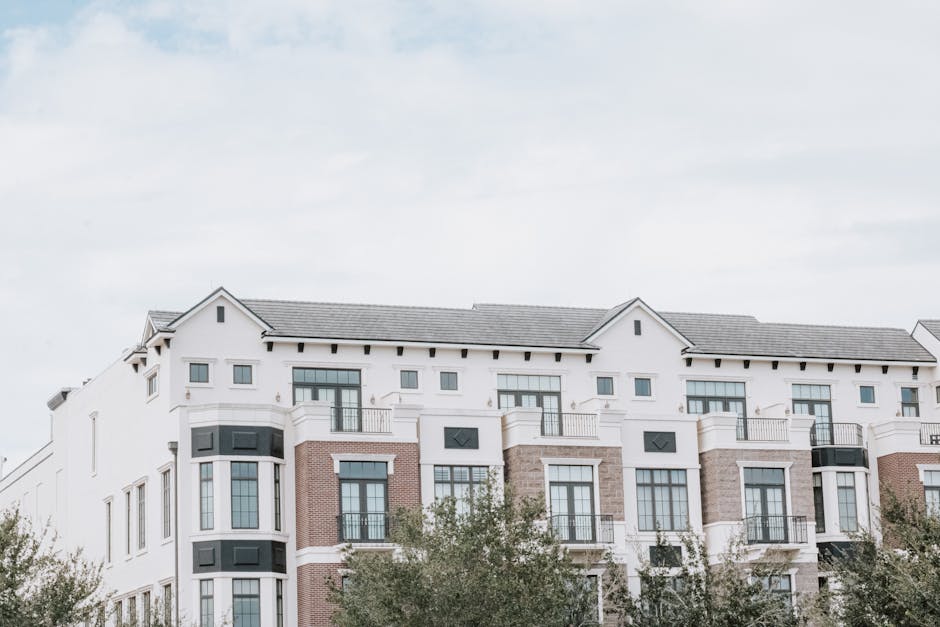
New developments in the downtown corridor and along Bayshore Boulevard are setting new standards for price per square foot in the vertical market. These units often feature private elevators, expansive terraces, and 24-hour concierge services that rival international five-star hotels. For many buyers moving from more established urban centers, these condo offerings provide a familiar level of service and convenience that was previously unavailable in the Tampa market. This influx of demand is accelerating the development timeline for several high-profile projects that are expected to redefine the skyline over the next several years.
The growth of the condo market also serves as a bellwether for the city’s overall urban health. As more high-earners move into the urban core, the surrounding infrastructure—including retail, entertainment, and professional services—expands to meet their needs. This creates a feedback loop that increases the desirability of the entire region. Savvy investors are watching these vertical developments closely, as they often offer a lower entry point into the luxury segment than waterfront estates while still providing strong potential for appreciation as the city’s density increases.
Strategic Acquisition: A Buyer Advisor’s Checklist
Acquiring a high-end property in the current environment requires a more technical approach than simply evaluating aesthetics. Diligence must extend into the technical specifications of the home, its legal standing, and its resilience against local environmental factors. For those currently navigating the market, the following checklist represents the core areas of focus for a successful acquisition in 2026:
- Elevation and Flood Mitigation: Verify the finished floor elevation and ensure the property meets or exceeds current FEMA standards to manage insurance costs effectively.
- Seawall and Dock Infrastructure: For waterfront properties, a professional inspection of the seawall’s structural integrity and the condition of any existing dockage is mandatory.
- Smart Home and Security Integration: Ensure the property features a centralized management system for climate, lighting, and advanced security protocols suitable for an executive estate.
- HOA and CDD Analysis: Review the financial health and restrictive covenants of any Homeowners Association or Community Development District to understand long-term cost structures.
- Construction Standards: Prioritize homes built with impact-rated glass, reinforced concrete structures, and high-efficiency HVAC systems to ensure longevity and comfort.
- Historic Preservation Status: In neighborhoods like Hyde Park, confirm if the property is subject to specific architectural restrictions that could impact future renovations.
By focusing on these specific technical metrics, buyers can move beyond the surface-level appeal and identify properties with the strongest long-term fundamentals. This level of diligence is what separates a standard home purchase from a strategic real estate acquisition. As the market continues to evolve, these factors will become increasingly important in determining the resale value and liquidity of the asset.
Regional Nuances: Comparing Davis Islands and South Tampa
Understanding the micro-markets within Tampa is essential for making an informed decision. Davis Islands continues to be one of the most sought-after enclaves, offering a unique blend of privacy, a private airport, and proximity to the city’s best medical facilities. The islands’ inventory is often more varied, featuring everything from meticulously restored Mediterranean Revivals to cutting-edge modern glass structures. Buyers here are often paying for a specific island lifestyle that is difficult to replicate anywhere else in the Florida Gulf Coast.
In contrast, the broader South Tampa area offers a more traditional residential feel with a focus on top-tier school districts and neighborhood connectivity. Areas like Beach Park and Culbreath Isles provide large lots and a sense of established community that appeals to families and those seeking a quieter environment. The inventory in these neighborhoods is seeing a significant uptick in custom-built estates that cater to the needs of modern households, with an emphasis on open floor plans and integrated outdoor living spaces. Comparing these two regions requires an understanding of one’s own priorities regarding privacy versus community access.
Furthermore, the growth of the Water Street and Channel District areas has introduced a new dynamic to the luxury conversation. These neighborhoods offer a high-density, walkable environment that appeals to a younger demographic of high earners and empty nesters alike. The choice between a sprawling estate in South Tampa and a penthouse in the urban core often comes down to how a buyer intends to interact with the city on a daily basis. Each area offers distinct advantages, and the current LISTINGS URL reflects the diversity of these localized markets.
Market Resiliency and the National Context
Despite shifts in the national real estate landscape, the Tampa luxury market has demonstrated remarkable resiliency. Reports from The Business Journals indicate that Tampa Bay’s luxury segment has remained strong even as other major metros have seen significant cooling. This strength is attributed to a combination of favorable tax environments, a diverse local economy, and a consistent influx of residents from higher-tax states. These factors provide a steady stream of demand that helps insulate the local market from broader economic fluctuations.
The data from Florida Trend further supports this outlook, highlighting the sustained interest in Florida real estate as a whole, with Tampa emerging as a preferred destination for those seeking a balance of economic opportunity and lifestyle quality. The city is no longer just a retirement destination; it is a hub for technology, finance, and healthcare. This economic diversification ensures that the buyer pool for luxury homes is not dependent on a single industry, providing a level of stability that is rare in high-end real estate.
As we look toward the remainder of 2026, the outlook remains cautiously optimistic. While interest rates and global economic conditions are always factors, the local supply-demand imbalance continues to favor sellers of high-quality assets. For buyers, this means that while the market is competitive, the long-term fundamentals of the region suggest that well-chosen real estate remains a sound vehicle for capital preservation. The key is to remain disciplined and focus on properties that offer genuine scarcity and modern utility.
Decision-Useful Takeaways for the Sophisticated Buyer
When evaluating a multi-million dollar acquisition, the distinction between a house and a strategic asset lies in the details of the transaction. Modern buyers must prioritize liquidity—the ability to exit a position should market conditions change. This is achieved by focusing on properties in prime locations with architectural integrity and modern resilience features. Avoid properties with significant functional obsolescence or those in areas without a clear path for future appreciation. The goal is to secure a residence that serves your immediate needs while maintaining its status as a premier piece of the Tampa real estate landscape.
Current market conditions suggest that the 120 active luxury listings will continue to turn over as new buyers enter the market, but the most desirable properties will always command the most attention. Staying informed about neighborhood-level developments, infrastructure projects, and local economic shifts is essential for maintaining a competitive edge. Whether you are looking for a historic estate in Hyde Park or a modern waterfront masterpiece on Davis Islands, the approach must be analytical and data-driven. The era of emotional overpayment is over; the current market rewards the diligent and the well-advised.
To begin your search for an exceptional property or to receive a private evaluation of your current real estate holdings, we invite you to explore our curated selection of properties and connect with our advisory team. Navigate the complexities of the current market with a partner who understands the nuances of the Tampa luxury landscape. View the current available listings or CONTACT URL an advisor today to schedule a private consultation and secure your place in one of Florida’s most resilient markets.
Your next move in Tampa luxury
Get current inventory, pricing guidance, and private-tour support from our brokerage team.
Source highlights
- Tampa Bay’s most expensive luxury home sales of 2025 – Tampa Bay Times
- Tampa’s Price Record Is $22.5 Million. This Huge Estate Is Asking $115 Million. – WSJ
- Tampa Bay luxury market grows stronger despite national declines – The Business Journals
- Why Tampa remains an early-stage luxury condo market – Tampa Bay Business & Wealth
- Florida Trend Real Estate – Florida Trend
- Tampa Bay’s Waterfront Emerges as a Primary Luxury Real Estate Market – The National Law Review
- Things To Do In Tampa This Weekend: Fun Festivals & Events In Tampa This Weekend – That's So Tampa
- 40+ Best Things to Do in Tampa Bay this Month: Events and MORE! – Tampa Bay Date Night Guide
