


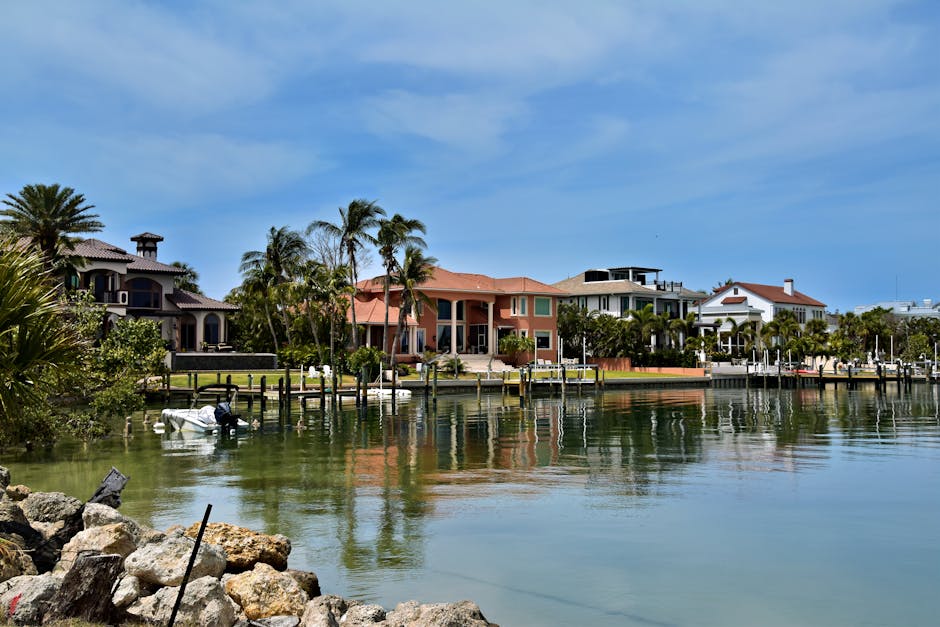
The Transition from Emerging to Primary Luxury Market Status
As of May 7, 2026, the Tampa Bay luxury sector has officially transcended its historical designation as an emerging market. With daytime temperatures reaching 32 degrees Celsius and local humidity signaling the early onset of summer, the real estate landscape reflects a similar heat. We are seeing a fundamental shift in buyer profile and capital allocation. No longer just a secondary retreat for seasonal residents, the region is now a primary destination for permanent relocation among ultra-high-net-worth individuals and corporate leadership. This maturation is evidenced by the scale of current inventory and the record-breaking nature of recent transactions.
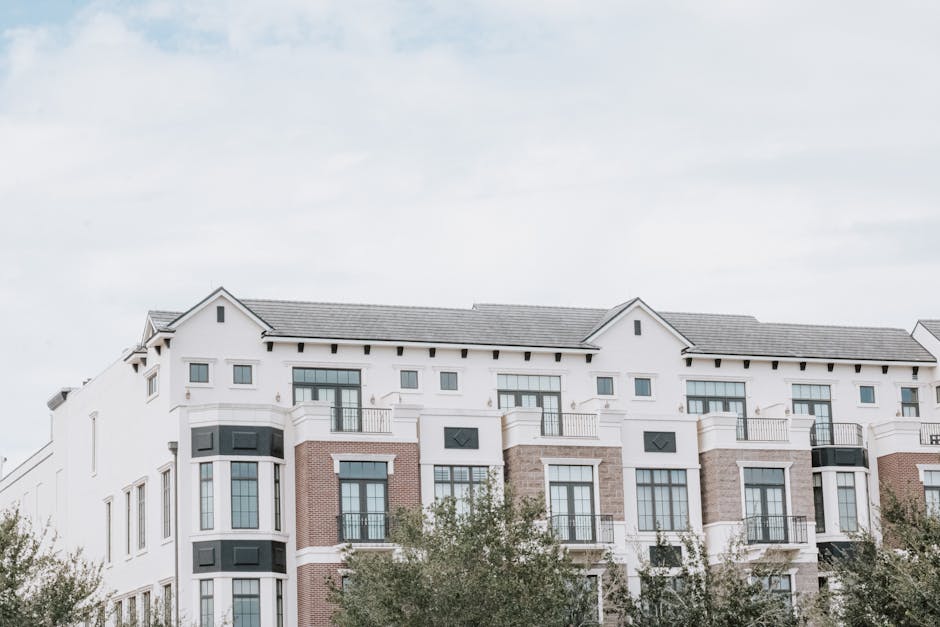
Market intelligence indicates a median list price for luxury assets at approximately $2,490,000, while the average list price has climbed to $3,163,639. This gap suggests a significant concentration of value at the very top of the market, where bespoke waterfront estates command substantial premiums. The current inventory of 120 active luxury units provides a balanced selection, yet the velocity of movement in high-demand pockets like Davis Islands and Culbreath Isles remains brisk. Buyers are moving away from speculative plays toward established neighborhoods with proven historical appreciation and robust infrastructure.
This elevation in status is further validated by institutional and legal analysis of the region’s trajectory. According to The National Law Review, Tampa Bay’s waterfront has emerged as a primary luxury real estate market, competing directly with established hubs in South Florida and the Northeast. The sophistication of the legal and financial frameworks supporting these transactions has evolved alongside the architecture, ensuring that sophisticated investors find a familiar and professional environment for high-stakes acquisitions.

Waterfront Scarcity and the New Development Frontiers
The defining characteristic of the 2026 market is the absolute scarcity of developable waterfront parcels. On Bayshore Boulevard and the surrounding deep-water canals, the focus has shifted from simple acquisitions to complex redevelopment. Buyers are increasingly comfortable purchasing aging structures purely for land value, particularly on Davis Islands where deep-water access is non-negotiable for large-vessel owners. This has led to a architectural renaissance in Beach Park and Culbreath Isles, where modern coastal designs are replacing mid-century footprints at an unprecedented rate.
For those prioritizing turn-key solutions, the Westshore Marina District and the expanding downtown core offer high-altitude alternatives. These developments cater to a demographic that values lock-and-leave convenience without sacrificing the privacy and amenities of a traditional estate. While single-family residential properties remain the anchor of the local market, the vertical luxury segment has matured significantly. According to Tampa Bay Business & Wealth, the region remains in the strategic early stages of a high-end condo cycle, offering entry points that may not exist in more saturated markets.
Prospective owners should carefully evaluate properties such as those located near North Florida Avenue or the expansive parcels currently available on North Grady Avenue. These locations offer a blend of residential privacy and strategic proximity to the central business district. As the market tightens, the ability to identify off-market opportunities or recently listed assets becomes the primary differentiator for successful acquisition. Investors are encouraged to browse current listings to understand the nuance of available inventory before the next seasonal surge.
Selection Criteria for High-Value Tampa Assets
Acquiring a luxury asset in the current environment requires a rigorous due diligence process that extends beyond aesthetic appeal. The following checklist identifies the critical pillars of a sound acquisition in the Tampa market:
- Elevation and Flood Resilience: Verify the finished floor elevation and modern drainage integration.
- Riparian Rights: Confirm deep-water access and permitting status for dockage and seawall integrity.
- Structural Modernity: Prioritize properties with post-2020 impact glass and HVAC systems optimized for Gulf Coast humidity.
- Neighborhood Governance: Analyze the history of local homeowner associations and architectural review boards.
- Proximity to Connectivity: Evaluate the drive times to private aviation hubs and major professional sports corridors.
- Historical Land Value: Track the appreciation of the underlying parcel independent of the structure.
Corporate Relocation and the Executive Migration Pattern
The sustained demand in the Tampa luxury sector is heavily influenced by the persistent trend of corporate leadership migration. Executives from the Northeast and West Coast are choosing the region not only for the tax advantages but for the lifestyle efficiency. This is not limited to Tampa proper; the surrounding areas are seeing a similar influx. For instance, recent reports highlight why executives keep choosing St. Pete for their operations and residences, reinforcing the multi-nodal strength of the regional economy.
This executive presence has a direct impact on the type of inventory being produced. We are seeing a high demand for ‘smart’ estates that feature integrated security, high-speed fiber connectivity, and home offices that rival corporate headquarters. The convergence of professional requirements with residential luxury is no longer a luxury—it is a baseline expectation. Buyers are looking for properties like the significant commercial and land opportunities on West Dr. Martin Luther King Jr. Boulevard, which offer strategic positioning for those managing regional portfolios.
Furthermore, the broader real estate climate in Florida supports this localized growth. Insights from Florida Trend suggest that the state’s real estate sector continues to outperform national averages, with Tampa Bay acting as a primary engine for that growth. This macro-level stability provides a layer of confidence for individuals moving significant liquid assets into tangible local property.
Navigating the Price Records and Market Extremes
Understanding the ceiling of the market is essential for placing current valuations in context. While the median list price is a useful benchmark, the true extent of Tampa’s luxury potential is seen in its upper-echelon listings. The market has seen a dramatic expansion in what is considered possible. As noted by the Wall Street Journal, while the current price record sits at $22.5 million, new entries into the market are asking significantly more, signaling a belief in the region’s long-term value proposition among global investors.
This upward pressure on pricing is a double-edged sword for buyers. While it guarantees the high-end nature of the neighborhoods, it also requires a more sophisticated approach to negotiation and valuation. It is no longer enough to look at historical comparables from eighteen months ago. The market has moved so rapidly that data-backed, neighborhood-level implications are the only reliable guide for making an offer that is both competitive and fiscally responsible. The current active count of 120 properties represents a diverse range of these high-tier assets, requiring a discerning eye to separate intrinsic value from temporary market hype.
For those observing the market from a distance, it is worth noting that the social and cultural infrastructure of Tampa has evolved to match this residential growth. The frequency of high-profile festivals and events, such as those covered by That’s So Tampa, creates a lifestyle density that rivals much larger metropolitan areas. This combination of economic robustness and cultural vibrancy is what sustains luxury valuations over the long term.
The Role of Infrastructure and Long-Term Urban Planning
A critical but often overlooked component of luxury real estate value is the surrounding infrastructure and urban planning. In Tampa, the expansion of the downtown corridor and the ongoing improvements to the waterfront transit systems are pivotal. Buyers are increasingly concerned with traffic patterns and ease of access to the city’s private social clubs and dining districts. Recent traffic advisories from the City of Tampa emphasize the increasing density of the urban core, particularly during event-heavy weekends, which influences the desirability of certain quiet enclaves like Harbor Island or the gated portions of Culbreath Isles.
Investing in the Tampa luxury market in 2026 requires an understanding of how these public-sector movements will impact private-sector value. The most resilient assets will be those that offer a sanctuary from the city’s growth while remaining close enough to benefit from its amenities. This balance is difficult to achieve and requires localized expertise to navigate effectively. The successful buyer today is one who views their residence as both a private retreat and a strategic piece of a much larger, rapidly evolving urban puzzle.
As you consider your next move in this sophisticated market, the importance of professional guidance cannot be overstated. Navigating the nuances of waterfront rights, architectural restrictions, and the shifting landscape of high-value inventory requires a partner who understands the data as well as the lifestyle. We invite you to browse our exclusive listings or contact an advisor today to schedule a private briefing on the current market state and discuss your specific requirements for a primary or secondary residence in the Tampa Bay area.
Your next move in Tampa luxury
Get current inventory, pricing guidance, and private-tour support from our brokerage team.
Source highlights
- Tampa Bay’s most expensive luxury home sales of 2025 – Tampa Bay Times
- Tampa’s Price Record Is $22.5 Million. This Huge Estate Is Asking $115 Million. – WSJ
- Column: Why executives keep choosing St. Pete – The Business Journals
- Why Tampa remains an early-stage luxury condo market – Tampa Bay Business & Wealth
- Florida Trend Real Estate – Florida Trend
- Tampa Bay’s Waterfront Emerges as a Primary Luxury Real Estate Market – The National Law Review
- Things To Do In Tampa This Weekend: Best Festivals & Events Going On – That's So Tampa
- 40+ Best Things to Do in Tampa Bay this Month: Events and MORE! – Tampa Bay Date Night Guide
