


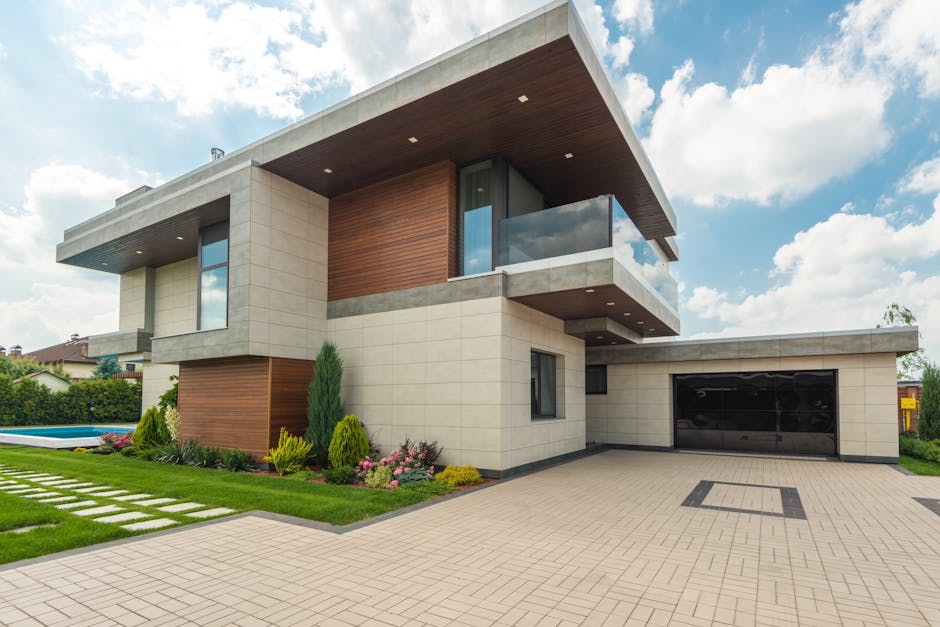
The Transition to a Primary Luxury Destination
The Tampa luxury real estate sector is currently undergoing a fundamental transformation, evolving from a secondary regional market into a primary destination for national and international capital. This shift is characterized by a significant increase in median list prices, which now hover around $2,490,000, and a growing inventory of estates that rival those in established hubs like Palm Beach or the Hamptons. Investors and residents are no longer viewing the region as a seasonal retreat but as a permanent base for enterprise and legacy wealth preservation. This maturation is supported by a robust infrastructure that supports high-density vertical living alongside traditional sprawling waterfront estates.
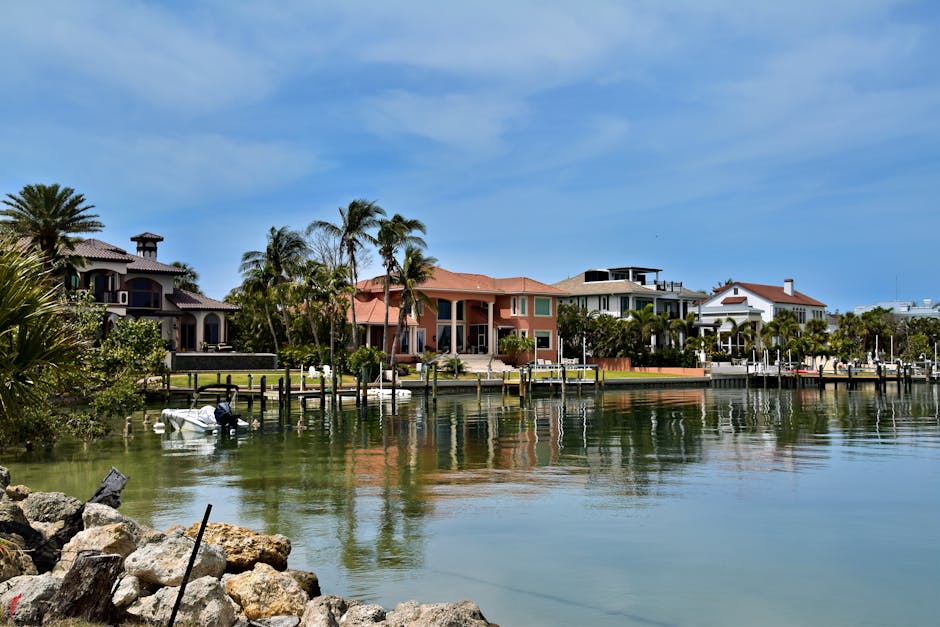
Market participants are observing a record-setting environment where historical price ceilings are being consistently challenged. For instance, the demand for expansive acreage and privacy has pushed listing expectations to unprecedented levels, as seen in recent reports from the Wall Street Journal regarding estates asking well into the nine-figure range. This trend indicates a profound confidence in the long-term appreciation of local land and a recognition of the scarcity of prime coastal acreage. Acquisitions are being driven by a desire for architectural distinction and site-specific value rather than generic luxury amenities.
The emergence of the Tampa waterfront as a primary market signifies a structural change in how capital is deployed within the region. Unlike historical cycles that were often fueled by speculative retail buyers, the current movement is anchored by institutional-grade residential acquisitions and permanent executive relocation. According to analysis by The National Law Review, the waterfront sector has moved beyond a niche interest to become a cornerstone of the regional luxury economy. This transition has necessitated a more analytical approach to valuation, focusing on riparian rights, seawall integrity, and long-term environmental resilience.
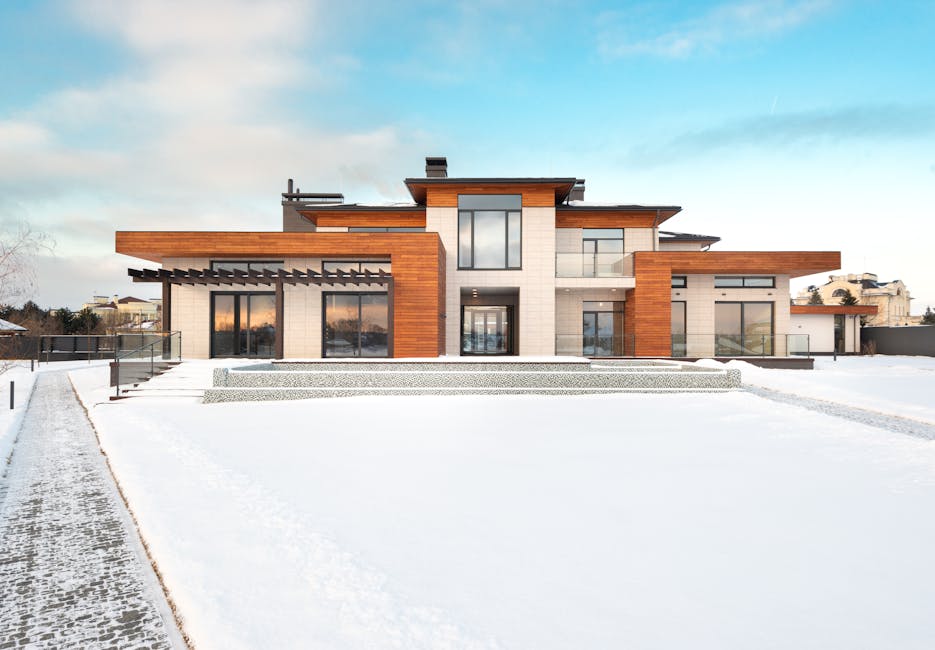
Neighborhood Dynamics and Micro-Market Specialization
Neighborhood selection in the current environment requires a granular understanding of micro-market dynamics, particularly in areas like Davis Islands, Beach Park, and Culbreath Isles. Each of these enclaves offers distinct advantages regarding lot size, architectural heritage, and proximity to downtown commercial centers. Buyers are increasingly prioritizing walkability and security, leading to a surge in demand for gated communities and properties with integrated smart-home defensive systems. The inventory in these areas is often tightly held, with off-market transactions becoming a common mechanism for high-profile acquisitions.
Old Seminole Heights and the surrounding corridors are also seeing a revaluation as luxury buyers look for unique historical properties. A notable example includes the listed asset at 6304 North Florida Avenue, priced at $2,200,000, which reflects the premium being placed on revitalized residential architecture in traditionally eclectic areas. This diversification of the luxury footprint suggests that value is being found not just on the water, but in locations that offer character and proximity to the region’s growing culinary and cultural scene. The expansion of the luxury perimeter is a healthy indicator of a maturing urban core.
Further west, the Grady Avenue corridor and the Westshore district are benefiting from substantial infrastructure investments. Properties like the modern residential offering at 5010 North Grady Avenue, listed at $1,550,000, highlight the shift toward contemporary design and functional luxury for the modern professional. These areas provide efficient access to the airport and major business districts, making them ideal for individuals who maintain a high-frequency travel schedule. The balance between residential tranquility and logistical efficiency is a key decision factor for the current demographic of buyers.
Vertical Living and the Early-Stage Condo Market
The vertical luxury market in Tampa is still in its early stages of development, presenting a unique opportunity for early adopters to secure assets in flagship developments. High-rise living is no longer an alternative to a traditional home but a preferred choice for those seeking a lock-and-leave lifestyle with comprehensive concierge services. These developments are often integrated into larger mixed-use districts, providing immediate access to premium retail and office spaces. The shift toward verticality is a direct response to the limited availability of developable land in core coastal areas.
Industry experts suggest that the condo sector is a critical component of the region’s overall real estate health. As noted by Tampa Bay Business & Wealth, the region remains an early-stage luxury condo market, which allows for significant design innovation and market-shaping projects. For the sophisticated buyer, this means the ability to influence finish levels and floor plans during the pre-construction phase. The emphasis on high-design common areas and wellness-centric amenities is setting new standards for communal luxury living.
Understanding the nuances of horizontal vs. vertical living is essential when evaluating long-term portfolio balance. While waterfront estates offer land value and privacy, luxury condos provide an unmatched level of security and maintenance-free convenience. We are seeing a trend where affluent families maintain both a primary estate in neighborhoods like Hyde Park and a secondary urban residence to facilitate access to the downtown business district and sporting venues. This dual-asset strategy is becoming increasingly common among the region’s executive class.
Strategic Acquisition Checklist for 2026
Navigating a primary market transition requires a disciplined approach to due diligence. The complexity of high-value transactions has increased, necessitating a thorough verification of structural and environmental factors. When evaluating potential acquisitions in the current climate, buyers should utilize a rigorous framework to ensure their investment is protected against both market volatility and physical depreciation. The following factors are critical for any high-net-worth real estate strategy:
- Verification of elevation and flood mitigation infrastructure, specifically looking for recent seawall certifications and drainage systems.
- Analysis of historical price trends within a three-block radius to ensure the acquisition price aligns with localized appreciation rates.
- Review of existing and proposed zoning changes that could impact privacy or views in the immediate vicinity.
- Assessment of smart-home technology integration and the scalability of existing security systems for future upgrades.
- Evaluation of the property’s architectural provenance and its potential for long-term stylistic relevance.
- Confirmation of riparian rights and dockage specifications for waterfront assets to ensure compatibility with vessel requirements.
The importance of professional advisory cannot be overstated when managing these variables. Each property carries a unique set of risks and opportunities that may not be immediately apparent through a standard inspection. Engaging with a senior advisor who understands the intersection of construction quality, market timing, and neighborhood politics is essential for a successful transaction. The goal is to move beyond the aesthetic appeal and focus on the fundamental integrity of the asset.
Executive Relocation and Regional Synergy
The synergy between Tampa and St. Petersburg is creating a unified luxury corridor that attracts high-level executives from across the country. St. Petersburg’s growth as a business hub complements Tampa’s residential and commercial density, providing a diverse range of lifestyle options within a single metropolitan area. Executives are increasingly choosing this region due to the favorable business climate and the presence of established peer networks. This movement is documented in regional analyses, such as those from The Business Journals, which explore why corporate leaders are prioritizing the Suncoast for their headquarters and personal residences.
This executive influx is also driving demand for commercial and land assets that support business operations alongside residential life. The listing at 718-722 West Dr. Martin Luther King Jr. Boulevard, priced at $2,900,000, represents the type of strategic commercial property that appeals to those looking to establish a multi-faceted presence in the city. The ability to control both a primary residence and a nearby professional space is a luxury that more buyers are seeking as they consolidate their interests in Florida. This trend is expected to continue as the region’s infrastructure evolves to support higher levels of professional activity.
Furthermore, the broader real estate trends across the state suggest that Tampa is positioned for sustained resilience. According to data from Florida Trend, the state’s real estate market remains a primary driver of economic growth, with Tampa serving as a key pillar in that narrative. The diversification of the local economy into tech, healthcare, and finance has created a stable foundation for the luxury market, reducing the sensitivity to interest rate fluctuations that often impact more commodity-level housing segments.
Cultural Anchors and Infrastructure Resilience
The desirability of a luxury market is inextricably linked to its cultural vibrancy and the efficiency of its infrastructure. Tampa’s investment in its downtown core and public spaces has created an environment that supports an active and engaged lifestyle. However, the density of events and festivals, while beneficial for culture, requires residents to be aware of urban logistics. Local government updates, such as the City of Tampa traffic advisories, highlight the need for strategic planning when navigating the city during peak seasons. High-net-worth buyers often factor in these logistical details when selecting properties that offer multiple points of egress.
The spring season, particularly in May, offers an ideal climate for evaluating properties, with temperatures reaching a high of 32 degrees Celsius and minimal precipitation. This weather facilitates comprehensive inspections of exterior landscaping, pool systems, and roof conditions. It is also the peak time for the region’s most prominent outdoor events, which allow prospective residents to experience the cultural fabric of the city firsthand. Understanding how the city functions during high-traffic periods is a critical part of the due diligence process for any urban acquisition.
Luxury buyers are increasingly looking for properties that provide a sanctuary from the urban hustle while remaining connected to the city’s pulse. This has led to a premium on estates that offer significant acreage or advanced sound mitigation. The demand for peace and privacy is a recurring theme in buyer feedback, and it is a major factor in the valuation of properties in neighborhoods like Beach Park or the more secluded sections of South Tampa. As the city continues to grow, the value of silence and space will only increase.
Decision-Useful Guidance for the Discerning Buyer
In a market where the average list price exceeds $3.1 million, the margin for error in acquisition is slim. Buyers should approach each potential purchase as a long-term asset play, focusing on the fundamentals of location, build quality, and future utility. It is often more beneficial to wait for a property that meets 90% of a strategic criteria than to compromise on an asset that may have limited liquidity in a future market shift. Analyzing the specific buyer behavior in each neighborhood—such as the prevalence of cash offers or the average days on market—can provide a competitive edge during negotiations.
Ultimately, the decision to acquire property in Tampa should be based on a comprehensive understanding of the region’s growth trajectory and your personal lifestyle requirements. The current inventory of 120 active luxury listings provides a diverse range of options, but the most exceptional properties are often those that require a proactive search strategy. By focusing on site-specific value and architectural integrity, buyers can ensure their portfolio remains resilient through various economic cycles. The transition of Tampa into a primary market is not just a temporary trend; it is a permanent realignment of value in the American Southeast.
To navigate this complex landscape with precision, we invite you to browse our curated collection of listings or contact one of our senior advisors to discuss your specific acquisition criteria. Our team provides the analytical brief and neighborhood-level insight necessary for making informed decisions in a high-stakes market. We are committed to providing a sophisticated, data-backed approach to your real estate goals, ensuring that every transaction aligns with your long-term objectives.
Your next move in Tampa luxury
Get current inventory, pricing guidance, and private-tour support from our brokerage team.
Source highlights
- Tampa Bay’s most expensive luxury home sales of 2025 – Tampa Bay Times
- Tampa’s Price Record Is $22.5 Million. This Huge Estate Is Asking $115 Million. – WSJ
- Column: Why executives keep choosing St. Pete – The Business Journals
- Why Tampa remains an early-stage luxury condo market – Tampa Bay Business & Wealth
- Florida Trend Real Estate – Florida Trend
- Tampa Bay’s Waterfront Emerges as a Primary Luxury Real Estate Market – The National Law Review
- Things To Do In Tampa This Weekend: Best Festivals & Events Going On – That's So Tampa
- 40+ Best Things to Do in Tampa Bay this Month: Events and MORE! – Tampa Bay Date Night Guide
