


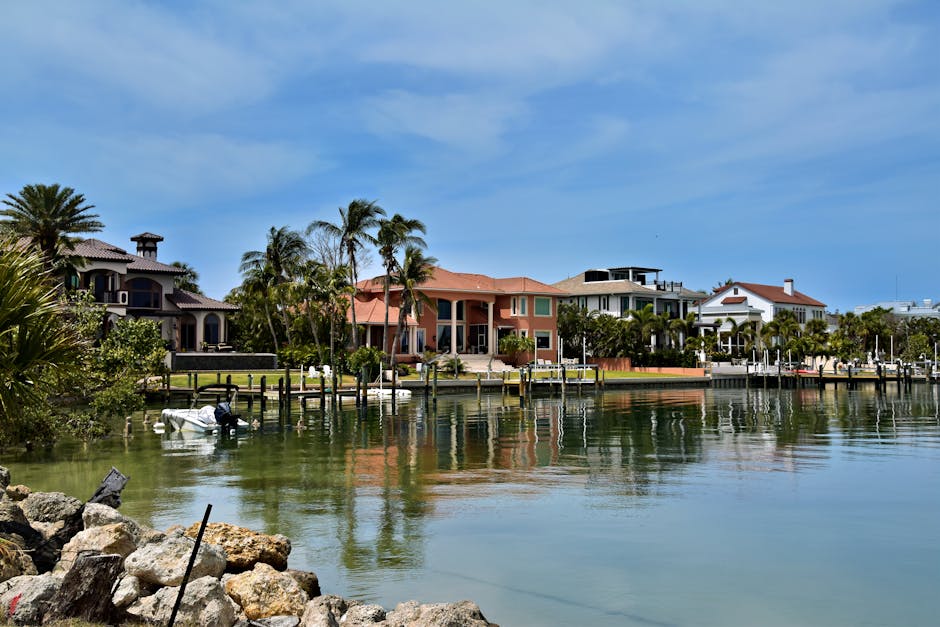
The Structural Shift Toward Primary Luxury Status
Tampa has transitioned from a high-growth regional market into a primary destination for global luxury capital. This evolution is marked not just by price appreciation, but by a fundamental change in buyer profile. We are seeing a significant influx of permanent residents who prioritize long-term utility over seasonal use. This shift is evidenced by the scale of current market entries, such as a massive estate recently coming to market with a record-shattering $115 million asking price, as detailed by the Wall Street Journal. Such listings signal a new era of confidence in the region’s ability to support ultra-high-net-worth valuations.
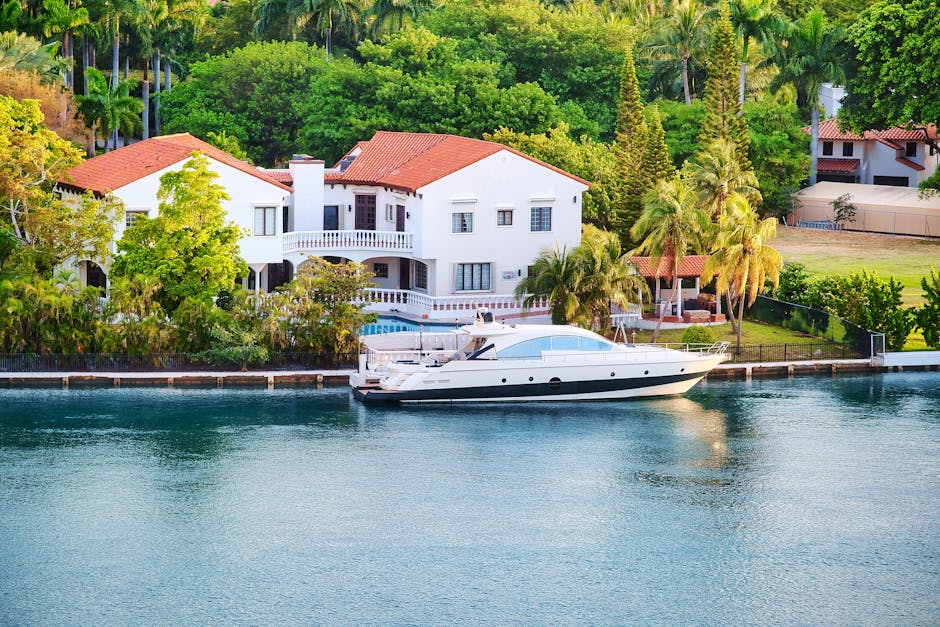
As the market matures, the definition of a premium property in Tampa is expanding beyond traditional waterfront estates. While the shoreline remains the gold standard, the luxury ecosystem now includes sophisticated vertical living in the urban core and meticulously renovated historic estates in inland enclaves. For the advisor, the task is no longer just finding a beautiful home, but identifying which sub-markets offer the most resilient infrastructure and long-term appreciation potential. Buyers are increasingly analytical, looking for data-backed reasons to commit to one neighborhood over another in a landscape where the median list price has solidified at $2,490,000.
The current inventory of approximately 120 active luxury listings suggests a balanced but competitive environment. While this number provides some choice, the highest quality assets—those with unique architectural pedigree or rare lot sizes—often move before reaching the open market. This requires a proactive approach where buyers must be prepared to act on high-signal inventory, such as the contemporary estates appearing in areas like the Florida Avenue corridor. Recent transactions in these emerging zones indicate that the market is willing to pay a premium for new construction even outside the traditional coastal boundaries.
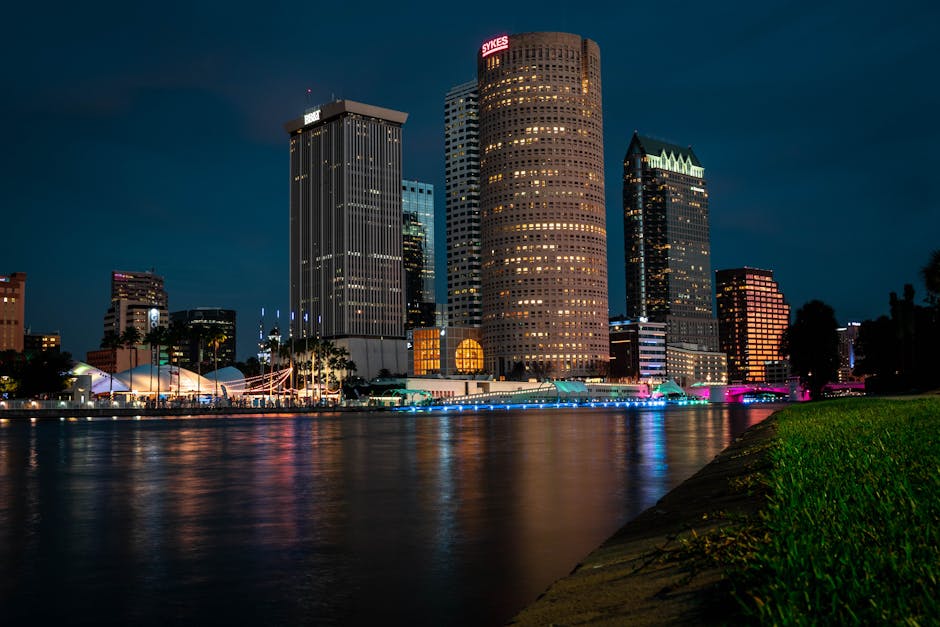
Market movement is currently dictated by a flight to quality. Sophisticated buyers are bypassing properties that require extensive mitigation or modernization in favor of turnkey solutions. This behavior is driving the average list price to $3,163,639, a figure that reflects the heavy weighting of new, high-specification builds in the current inventory. For those navigating this space, understanding the nuances of local development codes and the trajectory of neighborhood improvements is essential to making an informed acquisition that aligns with a broader wealth management strategy.
Waterfront Assets and the Primary Market Emergence
Tampa Bay’s waterfront is no longer a secondary luxury market; it has emerged as a primary destination for domestic and international buyers alike. This transition is documented by legal and market analysts who note the bay’s increased visibility on the global stage. According to the National Law Review, the waterfront sector has seen a surge in primary residence conversions, where buyers are opting for long-term residency over vacation usage. This has direct implications for property management, school district demand, and local infrastructure requirements.
The demand for waterfront privacy has driven interest toward Davis Islands and South Tampa’s coastal edges. These areas provide a rare combination of deep-water access and proximity to the financial heart of the city. However, with this proximity comes the necessity of rigorous due diligence. Buyers must evaluate sea wall integrity, flood elevation certificates, and the long-term impact of coastal management policies. The most successful acquisitions are those that balance aesthetic appeal with structural resilience, ensuring the asset remains viable through various weather cycles and regulatory shifts.
Inland buyers are also finding value in properties that offer water views without the direct maintenance requirements of a dock. The rise of luxury condominiums along Bayshore Boulevard has catered to this demographic, offering high-security, low-maintenance living with expansive vistas of the bay. This vertical shift represents a significant portion of the current luxury inventory and reflects a broader national trend toward urban luxury living that emphasizes lifestyle amenities and walkability over large private acreage.
Furthermore, the development of Water Street and its surrounding districts has fundamentally altered the value proposition of nearby residential assets. The massive investment in public spaces, high-end retail, and Michelin-rated dining has created a gravity that pulls luxury buyers toward the city center. This urban revitalization ensures that waterfront properties in proximity to these hubs retain a high degree of liquidity, even during periods of broader market stabilization. For the strategic buyer, the goal is to secure a position that benefits from these massive public-private investments.
Vertical Living and the Maturation of High-Rise Inventory
The Tampa high-rise sector is currently in what experts describe as an early-stage luxury condo market. This assessment, highlighted by Tampa Bay Business & Wealth, suggests that while we have seen a significant increase in vertical density, the market has not yet reached its full potential. For investors and primary residents, this indicates a window of opportunity to enter a sector that is still defining its upper limits. The newer developments are setting benchmarks for amenities that were previously unavailable in the region, including 24-hour concierge services, private elevators, and integrated wellness centers.
Choosing a vertical asset requires a different set of criteria than traditional land-based real estate. Floor height, directional orientation, and the long-term protection of views are paramount. In a city like Tampa, where the skyline is actively evolving, a panoramic view today could be partially obstructed by a new development tomorrow. Working with an advisor who understands the local zoning pipeline is critical to protecting the long-term value of a high-rise investment. Additionally, the quality of the building’s association and its reserve study should be scrutinized as closely as the finishes in the penthouse.
The shift toward luxury condominiums is also driven by a desire for a more curated living experience. Many of the city’s newest residents are coming from markets like New York or Chicago, where they are accustomed to full-service buildings. The transition to Tampa is made easier when the residential product mirrors the level of service they expect. This expectation has forced local developers to elevate their standards, resulting in a product that is increasingly competitive with other global luxury hubs. The focus has moved from simple square footage to the quality of the ‘amenity stack’ and the privacy of the communal spaces.
Despite the growth in condo inventory, the market remains nuanced. Older buildings on Bayshore are undergoing significant renovations to stay competitive with the glass towers of Water Street. This creates a secondary market for buyers who appreciate the larger floor plans of legacy buildings but want the modern aesthetics of a new build. Whether choosing a contemporary tower or a renovated classic, the vertical market offers a variety of entry points for those looking to enjoy the benefits of Tampa’s urban core without the responsibilities of a traditional estate.
Inland Enclaves and the Appreciation of Historic Corridors
While the waterfront often captures the headlines, Tampa’s inland luxury corridors are experiencing a renaissance of their own. Neighborhoods like Seminole Heights and the Florida Avenue corridor are attracting buyers who value architectural character and larger, more private lot sizes. We are seeing high-specification renovations and new construction projects, such as the estate at 6304 N Florida Avenue, which is positioned at $2,200,000. These properties offer a different kind of luxury—one rooted in neighborhood identity and a sense of place that is distinct from the master-planned feel of newer developments.
The appreciation in these areas is often driven by a younger demographic of professionals and creative executives who are moving away from the more conventional luxury neighborhoods. They are looking for properties that reflect a more modern, eclectic aesthetic while still offering the space and privacy required for a high-end lifestyle. This has led to the emergence of ‘pocket luxury’ enclaves where a single street may feature several multi-million dollar homes nestled within a historically significant area. This trend requires buyers to have a keen eye for neighborhood trajectory and a willingness to invest in the future of a corridor.
Infrastructure improvements are also playing a role in inland desirability. The expansion of high-end dining, boutique retail, and improved transit options in areas like Midtown and Westshore has made inland living more convenient than ever. Buyers are finding that they can have a substantial estate with modern amenities while still being within minutes of the city’s best cultural and commercial hubs. This balance of privacy and proximity is a key driver for the luxury residential market, which continues to see strong demand for properties priced between $1.5 million and $3 million, such as those found near Grady Avenue.
For those considering an inland acquisition, the focus should be on the quality of the lot and the integrity of the construction. In older neighborhoods, the value is often in the land and the potential for expansion or modernization. Many buyers are opting to purchase older homes on large lots and commissioning custom builds that maximize the property’s potential. This strategy allows for the creation of a bespoke estate that meets modern standards of luxury while benefiting from the established canopy and character of a historic neighborhood. It is a more complex path than buying a turnkey condo, but one that often yields a more unique and personal asset.
Critical Evaluations for the Sophisticated Buyer
Success in the Tampa luxury market requires more than just a cursory glance at listings; it demands a strategic approach to evaluation. Buyers must be prepared to navigate a landscape where environmental factors, regulatory changes, and economic shifts can all impact the long-term value of a property. A sophisticated advisor will look beyond the staging to assess the core fundamentals of the asset, ensuring that the acquisition aligns with the buyer’s overall financial and lifestyle goals. This involves a multi-disciplinary approach that often includes consultations with engineers, arborists, and legal professionals.
The following checklist serves as a baseline for any serious evaluation in the current market environment. These points are designed to help buyers focus on the decision-useful information that separates a high-quality asset from a potentially problematic one. In a market where the average list price is exceeding $3.1 million, the cost of an oversight can be substantial.
- Verify the structural integrity and elevation of sea walls and docks for all waterfront acquisitions.
- Assess the building’s amenity stack and long-term HOA reserve health in vertical developments.
- Review local zoning pipelines to ensure that planned neighboring projects will not obstruct views or privacy.
- Analyze neighborhood-level sales velocity and inventory turnover to gauge liquidity.
- Confirm that any historic renovations have been performed with the necessary permits and in compliance with local guidelines.
- Evaluate the property’s proximity to key infrastructure hubs like Water Street or the Westshore district.
By following a structured due diligence process, buyers can mitigate the risks associated with high-value transactions. This is particularly important in a market that is still adjusting to the post-pandemic reality of increased interest rates and evolving insurance requirements. While Tampa remains a highly attractive destination, the ability to discern value at the neighborhood level is what distinguishes a successful investor from a casual buyer. Knowledge of local market movement, such as the median list price of $2,490,000, provides a benchmark for evaluating whether a specific property is priced appropriately for its sub-market.
Executive Relocation and the Economic Backstop
One of the strongest supports for the Tampa luxury market is the consistent influx of corporate executives and entrepreneurs. The region has become a preferred destination for business leaders who are seeking a more favorable regulatory environment and a higher quality of life. This trend is not limited to Tampa proper; nearby areas are also seeing a surge in executive interest. For example, many executives are choosing to relocate their headquarters and homes to St. Petersburg, citing the city’s vibrant culture and growing infrastructure as key factors, according to The Business Journals. This regional growth provides a solid economic backstop that helps sustain luxury valuations even during broader market fluctuations.
The presence of these high-level professionals has a ripple effect throughout the local economy. It drives demand for high-end services, private education, and luxury retail, creating a self-reinforcing cycle of growth. For the real estate market, this means that demand for premium properties is driven by individuals with significant purchasing power and a long-term commitment to the region. These buyers are often looking for properties that can accommodate both their professional and personal needs, leading to increased interest in homes with dedicated office suites, high-speed connectivity, and expansive space for entertaining.
We also see this demographic influencing the type of commercial-residential hybrid properties coming to market. For instance, properties along Dr. Martin Luther King Jr Boulevard, like the listing at $2,900,000, cater to those who may want a mix of commercial visibility and residential proximity. This versatility is highly prized by entrepreneurs who are looking to integrate their business and personal lives more seamlessly. As the region continues to attract diverse industries—from tech to finance—the luxury real estate market will continue to evolve to meet these specialized requirements.
The impact of this executive migration is also visible in the city’s event calendar. High-profile festivals and business summits are becoming more frequent, often leading to increased traffic and demand for local hospitality. City officials have noted that event-packed weekends, such as those featuring major concerts or festivals, can lead to significant congestion in the urban core. For a buyer, understanding these patterns is essential for choosing a location that offers the desired level of tranquility or accessibility. Being aware of local event schedules is part of the ‘local knowledge’ that a sophisticated advisor provides to their clients.
Navigating Inventory Scarcity and Market Velocity
As we look toward the remainder of 2026, the primary challenge for luxury buyers will be navigating inventory scarcity. While there are currently 120 active luxury listings, the competition for the highest-tier assets remains intense. This is particularly true for properties that are priced correctly and offer a unique value proposition. Understanding the data, such as the average list price of $3,163,639, helps buyers contextualize the value of a specific offering within the broader market. The ability to distinguish between an aspirational price and a market-supported value is critical to a successful acquisition.
The pace of the market is also influenced by seasonal trends and local events. While Florida real estate was traditionally a winter-driven market, the shift toward primary residency has leveled out the sales cycle. However, local events still play a role in market visibility. Major festivals and concerts can draw thousands of visitors to the city, often leading to increased interest in local real estate. Buyers should be aware that peak event seasons can also be peak interest seasons for property tours, making it even more important to have a clear strategy and a ready advisor.
Strategic buyers are increasingly looking at land and redevelopment opportunities as a way to bypass the scarcity of turnkey inventory. Properties like the $1,550,000 listing on N Grady Avenue represent opportunities for those willing to undertake a project to achieve their specific vision. Whether through a ground-up build or a significant renovation, the ability to create value in a high-demand market is a proven strategy for long-term wealth preservation. This approach requires a thorough understanding of construction costs and timelines, but it can lead to a more personalized and potentially more valuable asset in the long run.
The long-term outlook for Florida real estate remains positive, as documented by Florida Trend. The combination of favorable taxes, a growing economy, and an enviable lifestyle continues to make the region a top choice for luxury buyers. For those navigating the Tampa market, the key is to remain disciplined, analytical, and well-advised. By focusing on the fundamentals and staying informed on neighborhood-level trends, buyers can secure a position in one of the most dynamic real estate markets in the country.
To navigate this complex landscape with precision, it is essential to have access to the most current inventory and expert guidance. We invite you to browse our current luxury listings to understand the breadth of the market, or contact a private advisor today to discuss a tailored strategy for your next acquisition in the Tampa Bay region.
Your next move in Tampa luxury
Get current inventory, pricing guidance, and private-tour support from our brokerage team.
Source highlights
- Tampa’s Price Record Is $22.5 Million. This Huge Estate Is Asking $115 Million. – WSJ
- Tampa Bay’s most expensive luxury home sales of 2025 – Tampa Bay Times
- Column: Why executives keep choosing St. Pete – The Business Journals
- Why Tampa remains an early-stage luxury condo market – Tampa Bay Business & Wealth
- Florida Trend Real Estate – Florida Trend
- Tampa Bay’s Waterfront Emerges as a Primary Luxury Real Estate Market – The National Law Review
- Things To Do In Tampa This Weekend: Best Festivals & Events Going On – That's So Tampa
- Things To Do In St Pete This Weekend: Best Festivals & Events Going On In St Petersburg – I Love the Burg
