


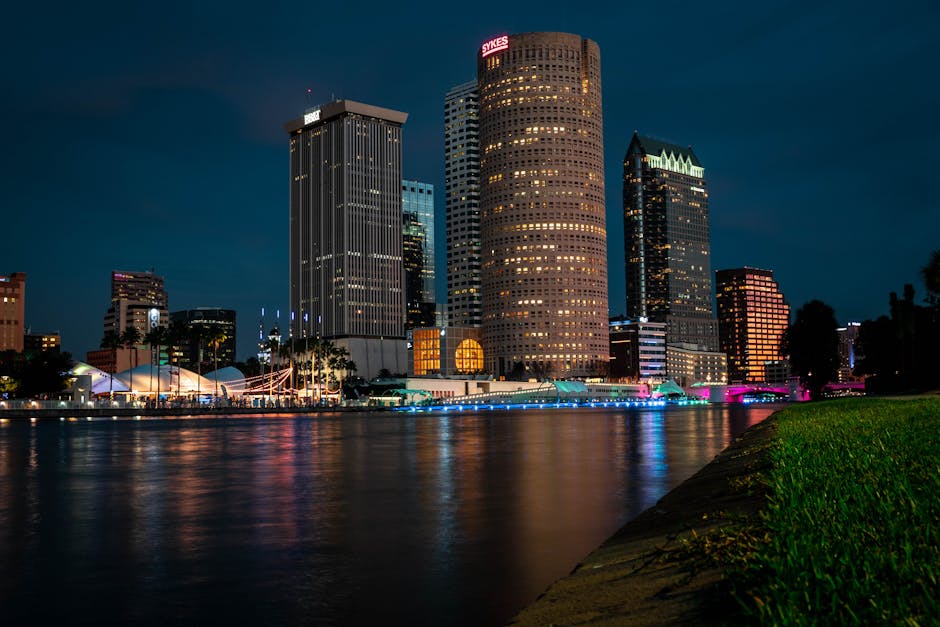
The Maturity of Tampa’s Waterfront Assets
The Tampa luxury real estate sector has undergone a fundamental structural shift, moving away from its historical status as a seasonal retreat toward a permanent, primary residence market for high-net-worth individuals. This evolution is most visible along the waterfront corridors of Davis Islands and Bayshore Boulevard, where architectural standards and price points now rival established enclaves in South Florida and the Northeast. Recent market activity indicates that buyers are no longer merely seeking a secondary home; they are investing in long-term infrastructure and lifestyle integration that supports year-round executive operations.
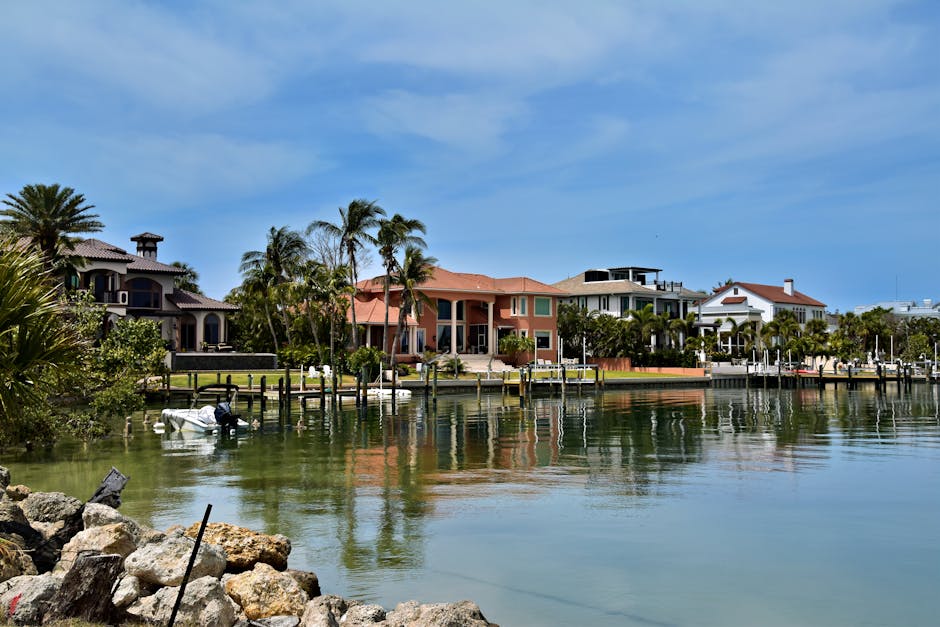
As the region matures, the definition of luxury has expanded to include sophisticated technological integration and resilient building practices. The emergence of the waterfront as a primary market is corroborated by legal and developmental trends that prioritize long-term sustainability and high-density luxury options. This shift is attracting a new demographic of wealth that prioritizes logistical efficiency and proximity to the city’s burgeoning commercial hubs. According to analysis from the National Law Review, the waterfront’s emergence as a primary market is a testament to the region’s economic durability and the strategic concentration of capital.
Comparative Valuation: Davis Islands vs. Bayshore
Valuation models in Tampa’s most prestigious neighborhoods have reached unprecedented heights, with benchmarks being reset by significant single-family acquisitions. The price record in Tampa recently stood at $22.5 million, yet the market is currently being tested by estates with asking prices exceeding $100 million. This drastic leap in valuation signals a new era of ultra-luxury that was previously nonexistent in the Gulf Coast market. Davis Islands, in particular, continues to command a premium due to its privacy, deep-water access, and proximity to Water Street Tampa.
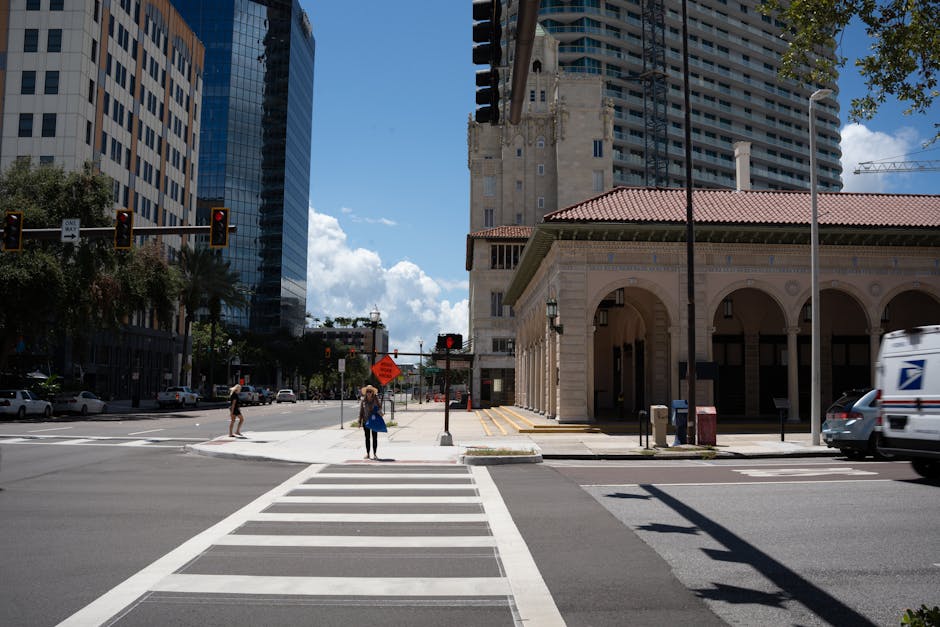
Investors and residents are closely monitoring these trophy properties as barometers for the broader market. For instance, a massive estate recently entered the market with a record-shattering $115 million price tag, as reported by the Wall Street Journal. While such outliers represent the extreme end of the spectrum, they provide the necessary ceiling for the rest of the market to climb. Areas like Beach Park and Hyde Park are seeing a ripple effect, where properties that were once considered at their peak are now being traded at significantly higher multiples based on these new local benchmarks.
Vertical Luxury: The Executive Condo Shift
While single-family estates remain the cornerstone of the market, the executive condominium sector is seeing rapid absorption. Tampa is still considered an early-stage luxury condo market compared to Miami or New York, but the pipeline of high-rise developments is filling quickly. These new developments are designed specifically for the modern executive, offering full-service amenities that reduce the friction of property management. The demand for vertical living is driven by a desire for security, panoramic views of Hillsborough Bay, and immediate access to the city’s financial district.
The inventory context remains relatively tight for this caliber of property. There are currently approximately 120 active luxury listings in the primary Tampa area, with a median list price holding steady at $2,490,000. This concentration of high-value inventory suggests a disciplined market where sellers are confident in their valuations. Insights from Tampa Bay Business & Wealth highlight that the local condo market is still in its infancy regarding price-per-square-foot potential, offering a unique window for buyers to secure prime real estate before the next wave of price appreciation. You can review the current selection of these high-rise and estate properties on our page for LISTINGS URL.
Essential Due Diligence for Tampa Acquisitions
Navigating a multi-million dollar real estate transaction in the current environment requires more than just a cursory walkthrough. Buyers must engage in a rigorous discovery process that accounts for environmental factors, municipal zoning changes, and long-term infrastructure plans. In a market where the average list price exceeds $3.1 million, the margin for error in due diligence is slim. Sophisticated buyers are now prioritizing technical specifications—such as seawall integrity and elevation certificates—over purely aesthetic upgrades.
- Verify seawall construction dates and structural integrity reports for all waterfront properties.
- Analyze 24-month historical sales data for specific neighborhood micro-pockets to ensure valuation alignment.
- Confirm current flood insurance requirements and evaluate any pending changes to FEMA mapping.
- Assess proximity to upcoming municipal projects or commercial developments that may impact privacy.
- Review the HOA or condo association’s financial reserves and long-term capital improvement plans.
- Evaluate the smart-home infrastructure and its compatibility with modern executive security requirements.
The Regional Context: St. Petersburg’s Corporate Draw
Understanding the Tampa market also requires an analysis of its relationship with St. Petersburg. The cross-bay dynamic is more than just a geographical curiosity; it is a significant factor in how executives choose their home base. St. Petersburg has become a magnet for corporate leaders who value its walkable downtown and curated cultural scene. The migration of talent across the bridge has created a symbiotic real estate environment where price movements in one city often mirror or catalyze shifts in the other.
Executive decision-making is increasingly influenced by the corporate landscape of the entire region. Many business leaders are choosing to reside in Tampa while their operations expand in Pinellas County, or vice versa. The Business Journals have noted that executives frequently choose St. Pete for its specific lifestyle offerings, yet Tampa remains the preferred choice for those requiring immediate access to the airport and major legal hubs. This regional interconnectedness ensures that luxury assets on both sides of the bay maintain high liquidity and enduring appeal.
Investment Stability in Waterfront Corridors
Stability in the luxury sector is often a reflection of the underlying land value, particularly in areas with limited remaining inventory. In neighborhoods like Beach Park and Palma Ceia, the scarcity of available lots has turned real estate into a defensive asset class. While the broader market may experience fluctuations, the intrinsic value of a 100-foot lot on a deep-water canal remains remarkably consistent. This is why we see properties such as those on North Florida Avenue or Dr. Martin Luther King Jr. Boulevard commanding multi-million dollar figures even when the structures themselves may be slated for total renovation.
The 2025 sales data confirms this trend, with the most expensive home sales concentrated in waterfront enclaves that offer both privacy and utility. Reports from the Tampa Bay Times highlight that the appetite for top-tier properties has not waned, even as interest rates have shifted the dynamics of the mid-market. For the luxury buyer, the focus remains on long-term capital preservation and the acquisition of unique assets that cannot be replicated in the current development cycle.
Navigating Local Logistics and Seasonal Activity
Operating within the Tampa market also requires an understanding of its logistical rhythms. As of early May 2026, the city is experiencing a high volume of seasonal activity, with temperatures consistently reaching the upper 80s and low 90s. This period often coincides with a peak in local festivals and events, which can significantly impact traffic patterns and neighborhood accessibility. For example, major weekend events often lead to traffic advisories in the downtown and Westshore areas, as noted by That’s So Tampa.
Being a resident of these high-end neighborhoods means navigating these patterns with local expertise. Whether it is a concert at the amphitheater or a festival in Curtis Hixon Park, the city’s calendar is full, reflecting the social density that many luxury buyers now crave. Prospective residents should consider how these events interact with their preferred neighborhoods. Identifying the balance between the tranquility of a private estate and the accessibility of the city’s cultural offerings is a key part of the selection process. This logistical awareness is just one of the many facets that a senior advisor brings to the table when evaluating a potential acquisition.
Success in Tampa’s luxury market is defined by timely information and a nuanced understanding of neighborhood-level movements. As inventory levels remain constrained and demand from executive relocations continues to rise, the importance of having a strategic partner cannot be overstated. We invite you to browse our curated selection of high-end listings and CONTACT URL to speak with an advisor who can provide the analytical depth required for your next move.
Your next move in Tampa luxury
Get current inventory, pricing guidance, and private-tour support from our brokerage team.
Source highlights
- Tampa’s Price Record Is $22.5 Million. This Huge Estate Is Asking $115 Million. – WSJ
- Tampa Bay’s most expensive luxury home sales of 2025 – Tampa Bay Times
- Column: Why executives keep choosing St. Pete – The Business Journals
- Why Tampa remains an early-stage luxury condo market – Tampa Bay Business & Wealth
- Florida Trend Real Estate – Florida Trend
- Tampa Bay’s Waterfront Emerges as a Primary Luxury Real Estate Market – The National Law Review
- Things To Do In Tampa This Weekend: Best Festivals & Events Going On – That's So Tampa
- Things To Do In St Pete This Weekend: Best Festivals & Events Going On In St Petersburg – I Love the Burg
