



The Evolution of Tampa as a Primary Luxury Market
For decades, the Tampa Bay region was often categorized as a secondary market, characterized by seasonal residents and retirees. However, the current landscape reflects a profound structural shift. Tampa is now firmly established as a primary luxury market, a transition validated by the increasing permanence of its high-net-worth population. Unlike traditional resort markets that experience significant volatility based on vacation trends, Tampa’s growth is anchored by corporate relocation and a robust professional ecosystem. This maturity is evident in the record-breaking valuations seen across the region, where a recent estate listing reached a staggering nine-figure threshold, challenging historical pricing ceilings and signaling a new era of capital concentration.
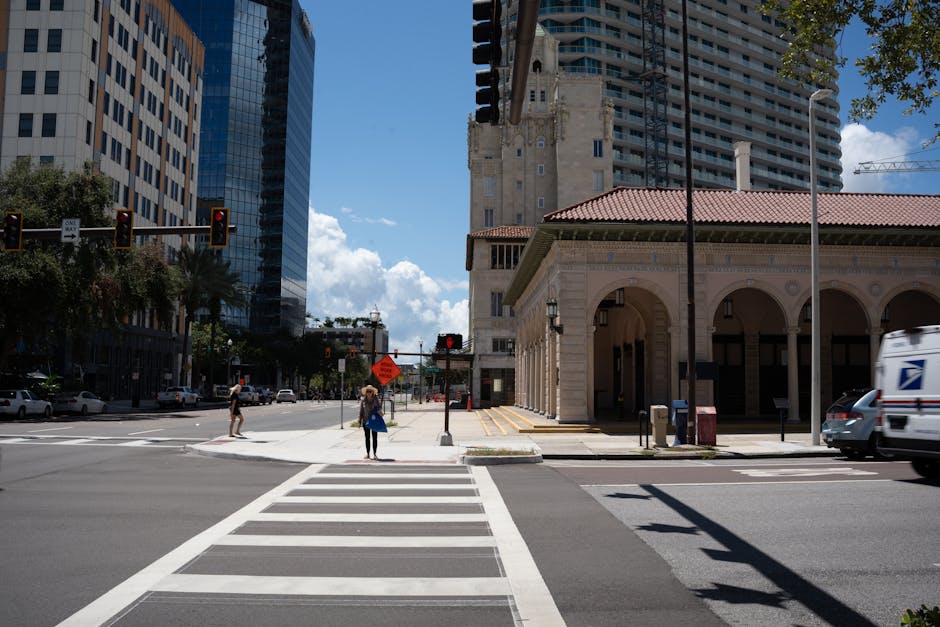
According to research from The National Law Review, the region’s waterfront has emerged as a critical asset for global investors. This shift is driven by a combination of limited inventory—currently hovering around 120 active luxury units—and a surge in demand for high-spec, modern construction. The median list price of $2,490,000 serves as a baseline, but the upper decile of the market is where the most aggressive movement occurs. Buyers are no longer looking for mere square footage; they are prioritizing architectural integrity, advanced security, and seamless integration with the coastal environment.
Market movement is particularly visible in areas like Davis Islands and Hyde Park, where the scarcity of available land has created a high-barrier entry point for new residents. The premium placed on deep-water access and proximity to the urban core has led to a decoupling of luxury prices from broader market trends. While the general residential sector may experience interest rate-driven cooling, the luxury segment in Tampa remains insulated by a high percentage of cash transactions and a buyer demographic that prioritizes asset allocation over monthly debt service costs.
The St. Petersburg Executive Migration
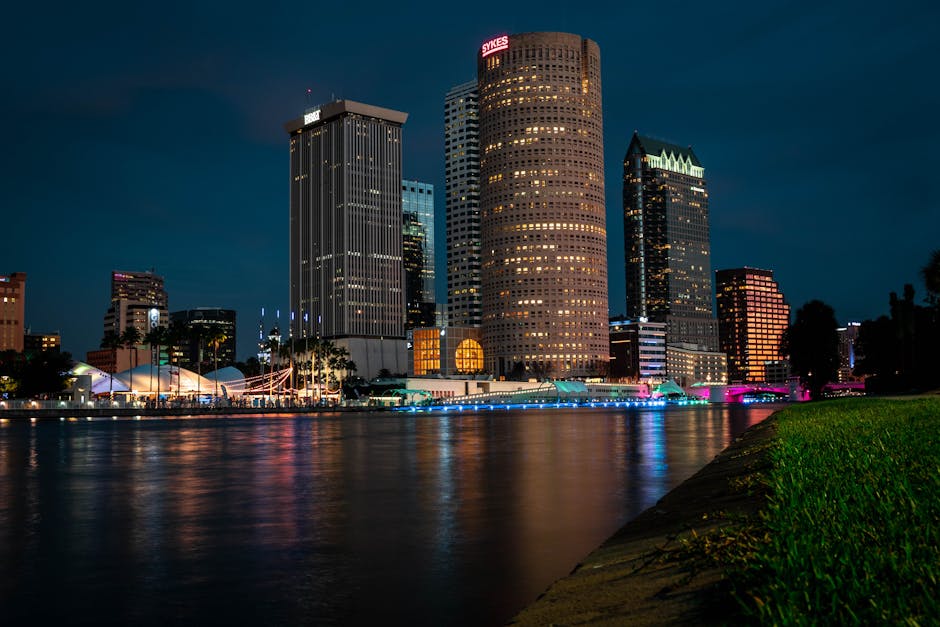
While Tampa serves as the financial and commercial heart of the region, St. Petersburg has become a magnet for the modern executive. The shift is not accidental but the result of deliberate urban planning and a culture that appeals to the C-suite demographic. As reported by The Business Journals, executives are increasingly choosing the Pinellas side of the bay for its walkable luxury and concentrated talent pool. This migration pattern has created a symbiotic relationship between the two cities, with capital flowing freely across the Gandy and Howard Frankland bridges.
The inventory in St. Petersburg, particularly in the Old Northeast and along Beach Drive, reflects a sophisticated palate. Buyers here are often looking for a blend of historic preservation and modern amenities. The executive migration is also fueling the demand for high-end office spaces and private clubs, further entrenching the region as a hub for wealth management and professional services. This trend is a key indicator of long-term market health, as it suggests that the luxury residential growth is supported by a foundation of high-earning professionals rather than speculative investors.
Decision-making for buyers in this corridor involves a careful analysis of commute times, neighborhood density, and private education options. Unlike other Florida metros where sprawl is the norm, the Tampa-St. Pete luxury corridor is relatively compact. This geographic constraint creates a natural floor for property values, as the available land for high-end development is finite. For those navigating this space, understanding the micro-climates of each neighborhood—from the quiet, canopy-lined streets of Snell Isle to the energized downtown core—is essential for matching lifestyle requirements with investment goals.
The Trajectory of the Early-Stage Luxury Condo Market
One of the most compelling narratives in the local market is the rise of the vertical luxury lifestyle. Historically, Tampa was a single-family home market, but the current development cycle tells a different story. Analysts at Tampa Bay Business & Wealth suggest that we are still in the early stages of a luxury condo boom. This is significant because it indicates that the current high-rise deliveries are not the peak, but rather the foundation of a new urban density that will define the city’s skyline for the next decade.
Current projects are moving beyond the standard amenities of the past. Today’s buyers expect 24-hour concierge services, private elevators, and climate-controlled storage for wine and art collections. The focus has shifted toward wellness and integrated technology, with developers prioritizing air filtration systems and noise-dampening construction. This shift is attracting a demographic that might have previously opted for a mansion in Beach Park but now prefers the convenience and security of a managed residence. The average list price in this segment, often exceeding $3,000,000 for penthouse units, reflects the premium placed on these elevated services.
The transition to vertical living also impacts the surrounding neighborhoods. As more high-net-worth individuals move into the urban core, the demand for high-end retail and Michelin-recognized dining increases. This creates a virtuous cycle of appreciation, where the value of the residence is bolstered by the evolving sophistication of the neighborhood. Investors should view these early-stage developments as a long-term play, particularly those located on the waterfront or within the Water Street district, where infrastructure investment is highest.
Due Diligence for High-Value Acquisitions
Acquiring a luxury asset in Tampa requires more than a simple inspection. The complexity of coastal property, combined with evolving building codes and environmental considerations, necessitates a rigorous approach to due diligence. Buyers moving from inland markets often underestimate the impact of salt-air exposure on mechanical systems or the importance of seawall integrity. A property may appear flawless on the surface, but the underlying infrastructure—from drainage systems to roofing materials—must be verified against the highest standards of coastal engineering.
- Verify the remaining useful life of seawalls and dock structures, as replacement costs can exceed six figures.
- Review the property’s elevation certificate and FEMA flood zone status to understand insurance implications.
- Assess the age and efficiency of HVAC systems, ensuring they are sized correctly for the Florida humidity.
- Evaluate the security perimeter and integration of smart-home systems for privacy and remote monitoring.
- Examine the historical maintenance records for any customized features like infinity pools or home theaters.
- Confirm that all recent renovations were completed with proper municipal permits and professional engineering oversight.
Beyond the physical structure, understanding the neighborhood’s master plan is vital. In a growing city like Tampa, a pristine view today could be obstructed by a new development tomorrow. Working with an advisor who has access to local planning commissions and future development maps is a critical component of the acquisition process. This level of foresight protects the asset’s value and ensures that the property continues to meet the buyer’s expectations long after the closing date.
Inventory Scarcity and the New Floor for Luxury
The current inventory levels in Tampa are remarkably tight. With only 120 active luxury listings, the competition for trophy properties is intense. This scarcity has created a new price floor, particularly for renovated single-family homes in South Tampa. Buyers are often finding that properties priced between $1,500,000 and $3,000,000—such as those found on Florida Avenue or Grady Avenue—are moving quickly if they offer move-in ready conditions. The era of the ‘fixer-upper’ luxury home is largely over, as modern buyers value their time and prefer to pay a premium for immediate occupancy.
This inventory crunch is also driven by a ‘lock-in’ effect, where current homeowners are hesitant to list their properties because they cannot find a suitable replacement. For buyers, this means that off-market opportunities and pre-construction contracts are becoming more prevalent. Navigating this ‘shadow inventory’ requires deep local connections and a proactive approach. Waiting for a property to hit the public portal often means entering a multiple-offer situation where the leverage shifts entirely to the seller.
Strategic buyers are also looking at the surrounding counties for value. While Hillsborough remains the primary target, parts of Pasco and northern Pinellas are seeing high-end developments that offer more acreage. However, for those who require proximity to Tampa’s business centers, the focus remains on the core neighborhoods. The current market movement suggests that even with a high average list price of over $3.1 million, the demand for quality assets shows no sign of abating. The focus is no longer on the cost of entry, but on the cost of waiting.
Comparative Analysis and Asset Allocation
When comparing Tampa to other luxury markets like Miami or Naples, the value proposition remains strong. While Miami may command higher absolute prices, Tampa offers a more balanced quality of life and a lower density that appeals to families and privacy-conscious executives. As noted by the Wall Street Journal, the ceiling for Tampa real estate is being pushed to new heights, yet the market still provides a level of accessibility that its southern counterparts have lost. This relative value is a major driver of the continued capital inflow from the Northeast and California.
Asset allocation within the local market should also consider the different property types. While residential remains the primary focus, there is growing interest in land and commercial sales as investors look to capitalize on the region’s growth. For instance, high-profile properties on Martin Luther King Jr Boulevard highlight the potential for mixed-use or commercial-to-residential conversions. A diversified approach—perhaps owning a primary waterfront residence and a secondary investment condo—allows buyers to capture both lifestyle benefits and long-term capital appreciation.
Ultimately, the decision to invest in Tampa luxury real estate should be guided by data and neighborhood-level implications. Comparing different zip codes is less effective than comparing specific street blocks or gated communities. The nuances of a Davis Islands address versus a Harbour Island location are significant and can impact everything from social circles to resale speed. A senior buyer advisor doesn’t just show homes; they provide the analytical framework necessary to make a multi-million dollar decision with confidence.
Securing Your Position in the Tampa Market
The window for acquiring premier Tampa assets at current levels is narrowing as the region continues its ascent into the global spotlight. To navigate this competitive environment, you need an advisor who understands the underlying mechanics of the market and has access to the most exclusive opportunities. Whether you are seeking a modern waterfront estate, a historic Hyde Park residence, or an elite urban condominium, the strategy remains the same: prioritize quality, verify infrastructure, and act with precision. We invite you to browse our curated listings to see the current inventory or contact a private advisor today to discuss your specific requirements and secure your place in Tampa’s future.
Your next move in Tampa luxury
Get current inventory, pricing guidance, and private-tour support from our brokerage team.
Source highlights
- Tampa’s Price Record Is $22.5 Million. This Huge Estate Is Asking $115 Million. – WSJ
- Tampa Bay’s most expensive luxury home sales of 2025 – Tampa Bay Times
- Column: Why executives keep choosing St. Pete – The Business Journals
- Why Tampa remains an early-stage luxury condo market – Tampa Bay Business & Wealth
- Florida Trend Real Estate – Florida Trend
- Tampa Bay’s Waterfront Emerges as a Primary Luxury Real Estate Market – The National Law Review
- Things To Do In Tampa This Weekend: Best Festivals & Events Going On – That's So Tampa
- Things To Do In St Pete This Weekend: Best Festivals & Events Going On In St Petersburg – I Love the Burg
