


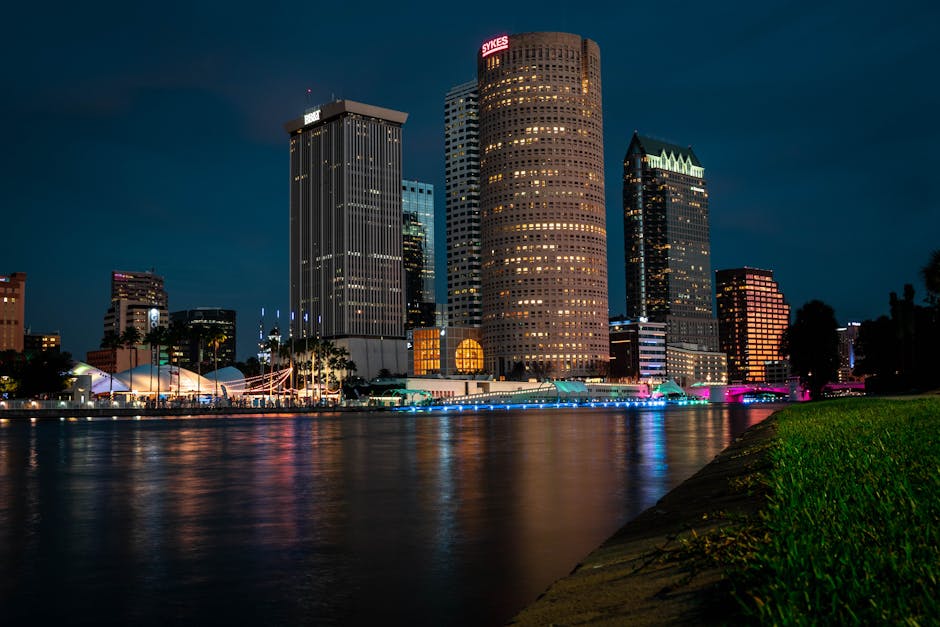
The Evolution of Tampa Waterfront Inventory
The Tampa luxury market has moved beyond its historical role as a regional hub, now asserting itself as a primary destination for national and international capital. With a median list price currently stabilizing near $2,490,000, the inventory pool is increasingly defined by high-spec modern builds and carefully preserved historic estates. This transition is most evident in the waterfront sectors, where the definition of value has shifted from square footage alone to include architectural provenance and proximity to burgeoning urban cores.
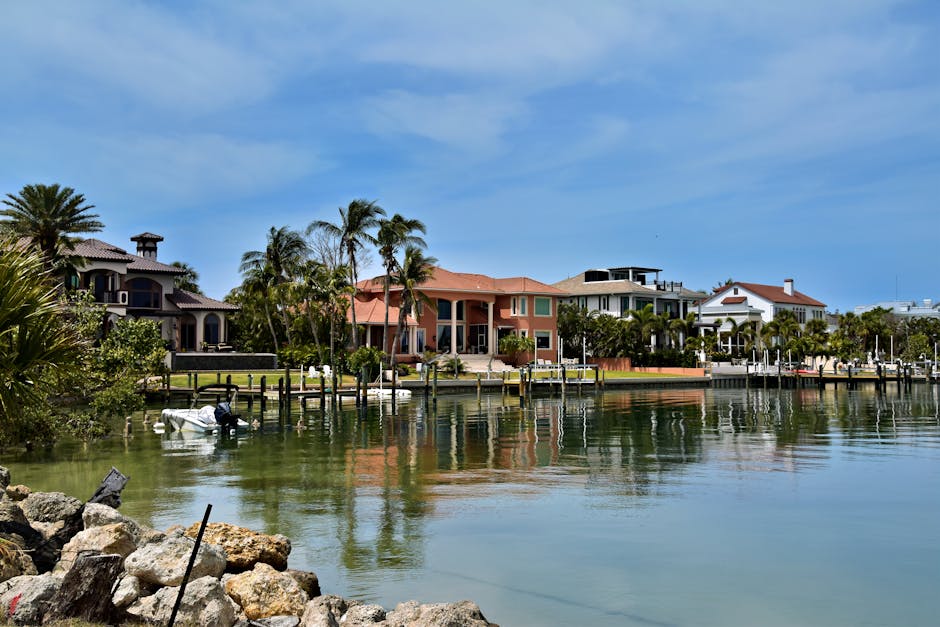
Contemporary buyers are no longer viewing Tampa as a secondary seasonal location. The influx of executive-level professionals, particularly from high-tax states and major financial centers, has accelerated the demand for primary residences that offer comprehensive amenities. This behavioral shift is supported by recent data indicating that luxury sales in 2025 and 2026 have consistently broken previous ceilings, with a notable estate recently entering the market with an asking price of $115 million, signaling a new era for local valuations.
Strategic acquisition in this environment requires a nuanced understanding of neighborhood-level micro-trends. While areas like Davis Islands and Harbour Island remain perennial favorites for their private waterfront access, we are seeing significant movement in the Heights and South Tampa corridors. Properties such as the refined residential offerings on North Grady Avenue exemplify the mid-tier luxury segment, providing a balance of modern design and urban accessibility that appeals to a sophisticated demographic.
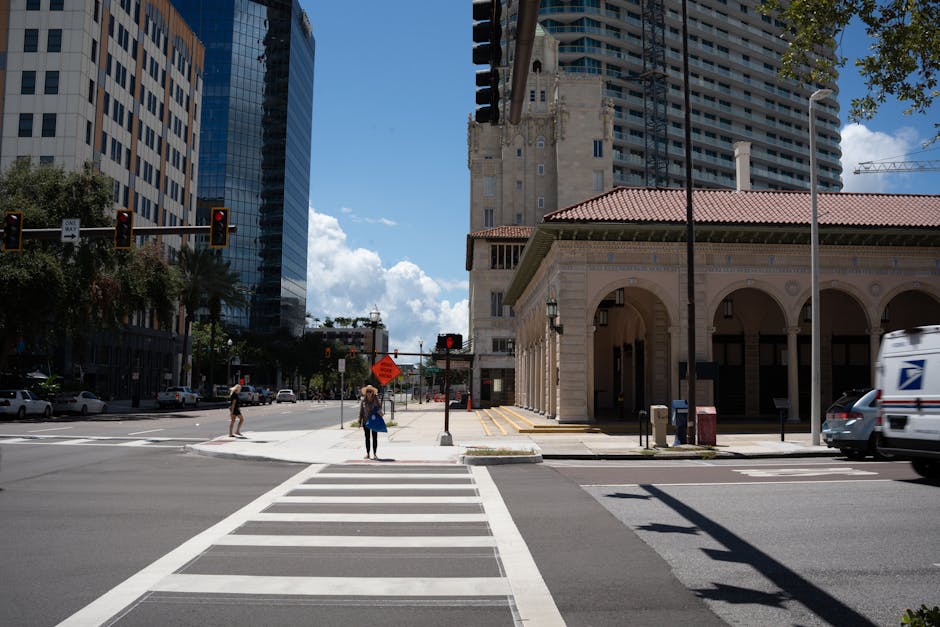
Analyzing current inventory, which stands at approximately 120 active luxury listings, reveals a market that is disciplined rather than speculative. The average list price of over $3.1 million reflects a concentration of high-quality assets rather than an inflationary bubble. Buyers should focus on long-term appreciation metrics, specifically looking at land value in established neighborhoods where inventory is naturally constrained by geography and historic zoning requirements.
Strategic Considerations for Historic South Tampa Estates
In South Tampa, the tension between historic preservation and modern luxury standards creates a unique set of challenges and opportunities for the discerning buyer. Neighborhoods like Hyde Park and Palma Ceia are defined by their 1920s architecture, which requires a specific approach to renovation and modernization. Investors must weigh the intrinsic value of a home’s heritage against the costs of updating systems to meet current energy and technology expectations without compromising structural integrity.
The buyer profile in these historic districts is changing. We see a move toward sympathetic modernization, where the original facade and structural integrity are maintained while the interiors are completely reimagined. This approach preserves the neighborhood’s aesthetic while providing the open floor plans and high-end finishes expected in the multi-million dollar bracket. It is a meticulous process that often involves navigating local architectural review boards, a factor that should be included in any acquisition timeline.
Proximity to top-tier schools and the commercial hubs of South Howard remains a primary driver for these estates. Unlike the sprawling mansions of the outer suburbs, these homes offer a functional luxury that is increasingly rare in the Florida market. The stability of these neighborhoods is anchored by high owner-occupancy rates and a lack of available vacant land, making them a secure harbor for capital even during broader market fluctuations in the wider region.
For those evaluating properties in the $1.5 million to $3 million range, the focus should be on the quality of recent structural updates and the integration of modern smart systems. Verifying the integrity of roofing, foundation stability, and electrical systems is paramount in homes that may be nearly a century old. These assets represent the entry point into the South Tampa elite market, offering a blend of prestige and practical lifestyle advantages for established families and executives.
The Transition to Primary Waterfront Ownership
The evolution of the Tampa Bay waterfront into a primary luxury market has fundamental implications for price discovery. Traditionally, waterfront property was priced based on linear footage of water frontage, but the modern buyer is increasingly concerned with depth of water, seawall construction, and the feasibility of large-vessel dockage. The shift toward larger, more complex vessels among the affluent has made deep-water access a significant premium factor in price negotiations.
Waterfront assets are also benefiting from the primary residence shift. Previously, these homes might have sat vacant for six months of the year. Today, they are operational headquarters for global executives who require sophisticated home office setups and proximity to Tampa International Airport. This functional requirement has driven a surge in new construction that prioritizes indoor-outdoor living, with expansive glass walls and climate-controlled outdoor entertaining spaces designed for year-round use.
When comparing waterfront options, buyers must distinguish between open-bay views and canal-front privacy. Open-bay properties on Bayshore or Davis Islands offer the prestige of panoramic views but come with increased exposure to the elements and higher maintenance requirements. Conversely, canal-front homes in neighborhoods like Snell Isle or the Westshore Yacht Club offer protected mooring and a more secluded environment, often at a similar price point per square foot.
It is also essential to monitor the infrastructure developments surrounding these waterfront areas. Improvements in flood mitigation and the hardening of the local power grid have bolstered confidence in long-term property values. As the city continues to invest in its coastline and drainage infrastructure, the intrinsic value of these lots continues to climb, often outpacing the value of the structures themselves. This land-biased valuation model is a hallmark of a maturing luxury market.
Checklist for High-Asset Acquisition in Florida
Success in the Tampa luxury sector is predicated on thorough due diligence and an objective assessment of long-term utility. Buyers at this level are not just purchasing a home; they are acquiring a significant asset that must be vetted with the same rigor as a commercial investment. The following checklist outlines the critical steps required during the consideration phase of a high-value acquisition to ensure the investment remains sound.
- Verify seawall and dock permits for waterfront properties to ensure compliance with current environmental regulations and vessel requirements.
- Conduct a comprehensive assessment of historic preservation restrictions if purchasing in designated South Tampa districts.
- Analyze the proximity to major commercial developments like Water Street to gauge potential impact on local traffic and noise levels.
- Evaluate the property’s elevation and drainage systems against updated regional flood maps and climate projections.
- Review the recent sales of comparable off-market pocket listings to determine true market value beyond public data.
- Inspect the condition of specialized luxury amenities, such as wine cellars, smart home automation, and outdoor kitchen systems.
This checklist is a starting point for the technical evaluation of a property. Beyond the physical structure, understanding the neighborhood’s future development pipeline is crucial. Many luxury buyers are surprised by upcoming infrastructure projects or commercial rezoning that can significantly alter the character of a street or the privacy of a property. A proactive approach to research prevents surprises following the closing of the transaction.
Leveraging local expertise is the only way to gain access to the nuanced information that is not captured in a standard inspection. This includes knowledge of upcoming luxury developments, shifts in neighborhood demographics, and the movements of major local employers. A well-informed buyer is a protected buyer, especially in a market as dynamic as Tampa’s current cycle, where information parity is often the difference between a successful investment and a costly error.
Assessing the Early-Stage Luxury Condo Market
While the single-family estate market continues to thrive, the early-stage luxury condo market is emerging as a compelling alternative for those seeking a lock-and-leave lifestyle. Until recently, Tampa lacked the high-rise density of South Florida, but the success of developments in Water Street and the Downtown core has changed the narrative. These units are attracting a mix of downsizing locals and incoming executives who prioritize service and security.
The appeal of the high-rise lifestyle in Tampa is rooted in the convergence of hospitality and residency. Many of the new projects are managed by global luxury hotel brands, offering residents access to 24-hour concierge services, private chefs, and world-class spa facilities. This level of service was previously unavailable in the local market, and its introduction has created a new price ceiling for luxury condominiums that often exceeds the per-square-foot cost of inland waterfront homes.
This trend is not confined to the Tampa side of the bay. There is a clear trend of executives choosing St. Pete for its unique blend of cultural density and high-end residential towers. The cross-bay connectivity and the shared growth of the regional economy mean that a luxury investment in either city benefits from the overall rise in the Tampa Bay area’s profile as a global business destination.
For buyers considering the condo route, the key is to evaluate the strength of the homeowner association and the long-term viability of the amenities provided. Unlike a single-family home, your investment is tied to the collective maintenance of the building and the management’s ability to maintain high standards of service. We recommend a thorough review of the developer’s track record and the building’s reserve study before committing to a pre-construction or recently completed high-rise unit.
Lifestyle Logistics and Market Movement
Living in a high-growth market requires navigating the logistical realities of a city in transition. Tampa’s calendar is increasingly packed with high-profile festivals, concerts, and professional sporting events, which can significantly impact traffic patterns and accessibility in luxury corridors. From the festivals in downtown to major events at Raymond James Stadium, understanding the rhythm of the city is part of the property evaluation process.
The local climate also plays a role in property selection and maintenance. With May temperatures frequently reaching the low 90s, the efficiency of HVAC systems and the orientation of the home relative to the sun are practical considerations that impact both comfort and operational costs. High-end buyers should prioritize homes with modern insulation, impact-rated windows, and professional landscaping designed to provide natural shade and privacy without obstructing valuable views.
Traffic management is a recurring theme in city planning, and prospective buyers should be aware of weekend traffic advisories and infrastructure projects that might affect their daily commute. For instance, those living in the Westshore or South Tampa areas must account for the seasonal influx of visitors and the ongoing expansion of major thoroughfares. These factors influence the desirability of specific blocks within a neighborhood corridor.
Despite these logistical challenges, the quality of life in Tampa remains a primary draw for affluent buyers. The city’s commitment to public spaces, such as the Riverwalk and various neighborhood parks, provides a communal luxury that complements private estates. Buyers who approach the market with a holistic view, considering both the property and its integration into the wider city ecosystem, are the ones who find the most enduring value and satisfaction in their acquisition.
Confidential Guidance for the Tampa Luxury Buyer
Navigating the complexities of the Tampa luxury market requires more than just a search engine; it requires a strategic partner with deep local roots and a data-driven approach. Whether you are seeking a historic estate in the heart of South Tampa or a modern waterfront masterpiece on the islands, the current inventory offers a rare window of opportunity to secure a primary residence in one of the nation’s most resilient markets. We invite you to browse our curated collection of listings and see how the current market dynamics can be leveraged to your advantage. Our team of senior advisors is prepared to provide the analytical brief and neighborhood-level insights you need to make a confident decision. Contact an advisor today to begin a confidential consultation tailored to your specific acquisition goals.
Your next move in Tampa luxury
Get current inventory, pricing guidance, and private-tour support from our brokerage team.
Source highlights
- Tampa’s Price Record Is $22.5 Million. This Huge Estate Is Asking $115 Million. – WSJ
- Tampa Bay’s most expensive luxury home sales of 2025 – Tampa Bay Times
- Column: Why executives keep choosing St. Pete – The Business Journals
- Why Tampa remains an early-stage luxury condo market – Tampa Bay Business & Wealth
- Florida Trend Real Estate – Florida Trend
- Tampa Bay’s Waterfront Emerges as a Primary Luxury Real Estate Market – The National Law Review
- Things To Do In Tampa This Weekend: Best Festivals & Events Going On – That's So Tampa
- Things To Do In St Pete This Weekend: Best Festivals & Events Going On In St Petersburg – I Love the Burg
