


The Structural Shift Toward Primary Residency
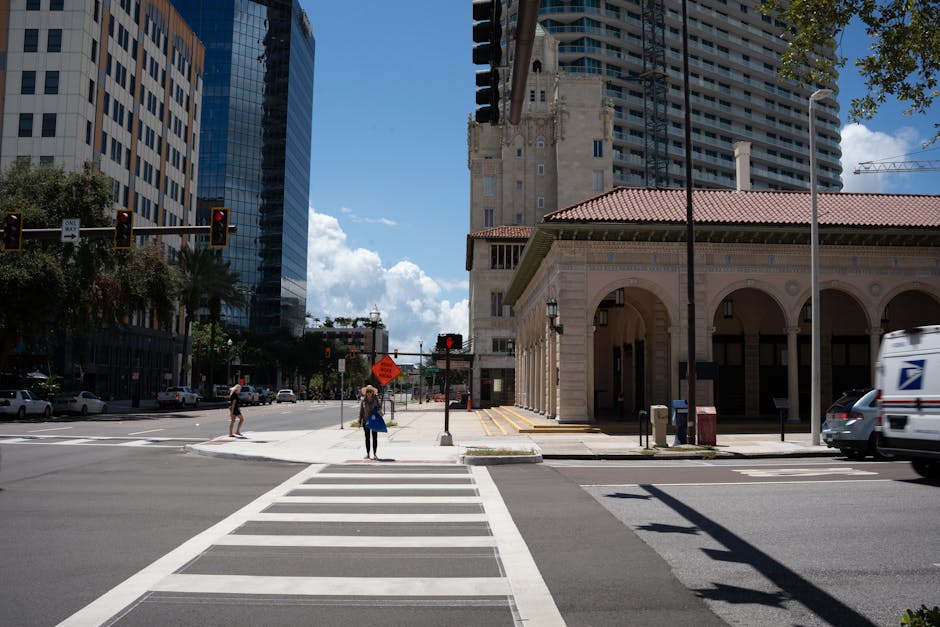
Tampa is currently undergoing a fundamental structural transformation that separates the current market cycle from previous speculative eras. For decades, the region was primarily viewed through the lens of seasonal occupancy—a secondary or tertiary destination for wealth preservation. However, recent data and buyer behavior indicate that Tampa has matured into a primary hub for high-net-worth individuals, particularly executives from the Northeast and West Coast who are relocating permanently. This shift is driven not just by tax advantages, but by a significant investment in local infrastructure and the professionalization of the downtown core.

The move toward primary residency has changed what buyers prioritize. We are seeing a decreased interest in ‘turn-key’ vacation aesthetics and an increased demand for functional luxury: sophisticated home offices, advanced wellness suites, and integrated smart-home security systems. This trend is mirrored in St. Petersburg, where the Business Journals have noted that executives are increasingly choosing the region for its balance of professional opportunity and high-quality lifestyle assets. When evaluating properties today, the focus must be on the long-term utility of the site rather than transient architectural trends.
For the sophisticated buyer, this means assessing a property’s ability to serve as a 365-day-a-year homestead. The traditional constraints of the Florida market are being rewritten as the region attracts a demographic that demands the same level of service and architectural integrity found in established global centers like New York or London. As we navigate this maturation, the entry point for true luxury has solidified, with the median list price in the high-end segment now hovering around $2,490,000.
Waterfront Dominance and the $22 Million Benchmark
The waterfront remains the most aggressive sector of the Tampa market, but its role has evolved. According to The National Law Review, Tampa Bay’s waterfront has officially emerged as a primary luxury market, a distinction that carries significant weight for equity security. Historically, waterfront assets were the first to fluctuate during volatility; today, they are the region’s most resilient asset class. This resilience is fueled by a finite supply of deep-water lots and a growing cohort of buyers who view waterfront land as a generational hold.
Recent pricing benchmarks reflect this scarcity. While the previous record for a Tampa estate stood at $22.5 million, the market is currently testing much higher ceilings. As reported by the Wall Street Journal, new listings are attempting to push valuations toward nine figures, signaling a massive confidence in the region’s ceiling. Even if these outlier listings serve as market ‘anchors,’ they effectively pull up the valuations of surrounding properties in neighborhoods like Davis Islands, Beach Park, and Culbreath Isles.
Buyers in this segment must look beyond the immediate view. In a primary waterfront market, environmental resilience and riparian rights are as critical as the home’s interior finish. We advise our clients to conduct exhaustive due diligence on seawall integrity and dockage capabilities early in the consideration phase. The goal is to secure an asset that serves as both a lifestyle sanctuary and a stable component of a diversified portfolio.
Evaluating the Early-Stage Luxury Condo Sector
While single-family estates dominate the headlines, the high-end condominium sector offers a different strategic play. Experts at Tampa Bay Business & Wealth suggest that Tampa remains an ‘early-stage’ luxury condo market. This is a critical observation for the forward-looking investor. Unlike Miami or Fort Lauderdale, where the vertical luxury market is highly saturated, Tampa is just beginning to define its skyline with brands that offer full-service concierge living.
This ‘early-stage’ status suggests there is still room for significant appreciation as more branded residences enter the market. The current inventory of approximately 120 luxury units is relatively lean when compared to the influx of executive relocations. For the buyer who values a ‘lock-and-leave’ lifestyle but requires the amenities of a five-star hotel, the new developments along Water Street and the Bayshore corridor represent a compelling alternative to traditional estate living. These properties are increasingly being acquired by those who want to be within walking distance of the city’s evolving cultural and culinary scene.
However, the condo market requires a more nuanced analysis of developer track records and association health. In an early-stage market, not all vertical projects are created equal. We prioritize developments that demonstrate a commitment to architectural longevity and robust reserve planning. Navigating this sector involves comparing the cost-per-square-foot of new construction against the historical appreciation of established bayside towers.
Executive Relocation Dynamics and Neighborhood Selection
The geography of Tampa luxury is expanding beyond its traditional borders. While South Tampa remains the epicenter of prestige, we are seeing a ‘flight to quality’ in areas that offer more acreage and privacy. Executives moving from dense urban centers often seek a different kind of luxury—one defined by space, security, and proximity to elite private education. This has led to a surge in interest for estate-sized lots in areas like Westchase or the private enclaves of North Tampa, where properties like those on Troutwater Lane offer a level of seclusion difficult to find in the coastal corridors.
Neighborhood selection is increasingly influenced by ‘lifestyle clusters.’ Buyers are no longer just looking at the house; they are looking at the ecosystem. Proximity to the private aviation facilities at Tampa International Airport and the exclusive social clubs of downtown are non-negotiable for many. This connectivity is a major reason why the Tampa Bay Times continues to record record-breaking sales in very specific, high-connectivity pockets. Understanding these micro-movements is essential for any buyer looking to maintain high liquidity in their real estate assets.
Furthermore, the cultural integration of the region is a significant draw. Events like the annual Riverfest, as highlighted by WTSP, showcase the investment the city has made in its public spaces. This commitment to urban vitality supports property values across the board, as it ensures the city remains an attractive destination for top-tier talent and their families. When we consult with clients, we analyze these civic investments as leading indicators of future neighborhood appreciation.
Due Diligence Checklist for Tampa Acquisitions
Purchasing at the multi-million dollar level in the current Florida climate requires a more rigorous approach than in years past. The following checklist outlines the essential technical considerations for any luxury acquisition in the Tampa Bay region:
- Verify seawall and dockage specifications against current and projected flood zone requirements.
- Analyze the historical appreciation of the specific micro-neighborhood compared to the broader Tampa average.
- Assess the ‘walkability’ or ‘connectivity’ score to future planned commercial and transit developments.
- Evaluate the proximity to high-capacity private and public transportation hubs.
- Review the property’s ‘elevation certificate’ and its impact on long-term insurance premiums.
- Investigate the developer’s track record for any vertical or large-scale community projects.
- Confirm the availability of high-speed fiber-optic infrastructure for home-based executive operations.
Understanding Inventory Ratios and Pricing Realities
With 120 active luxury listings and an average list price exceeding $3.1 million, the market is currently in a state of high-equilibrium. While the headline-grabbing nine-figure asks represent the extreme upper bound, the ‘bread and butter’ of the Tampa luxury market remains the $3 million to $7 million range. In this bracket, competition is stiff, and well-priced properties in prime locations often move quickly despite broader economic headwinds. Buyers should be prepared to act decisively when a property aligns with their core requirements.
The current inventory reflects a mix of classic Mediterranean revival estates and a growing number of modern minimalist designs. This architectural diversity is a sign of a healthy, evolving market. However, it also means that ‘comping’ a property is more difficult than it appears on the surface. An older estate on a prime lot may hold more value than a brand-new build on a secondary street. We rely on deep-dive data to help our clients understand the true value of the land versus the depreciating value of the structure.
It is also worth noting that the ‘days on market’ metric is often skewed in the luxury segment. Unique properties require a unique buyer, and a longer listing period does not necessarily indicate a flawed asset. Instead, it often reflects a seller waiting for the right executive profile. For buyers, this provides an opportunity for more measured negotiation, provided they have a clear understanding of the property’s intrinsic value.
Strategic Timeline and Decision Guidance
As we move into the middle of 2026, the weather remains favorable for property inspections and site visits, with temperatures reaching the low 30s Celsius. This is often the time when the most serious primary buyers finalize their decisions before the start of the next school year or corporate fiscal cycle. Timing your entry into the market involves balancing the current availability of inventory against the projected influx of new listings typically seen in the autumn months. However, in a primary-resident market, the ‘best’ properties rarely wait for a specific season.
Ultimately, the decision to acquire a luxury property in Tampa should be viewed as a 10-to-20-year play. The region’s trajectory suggests that it is no longer a ‘bargain’ alternative to Miami, but a distinct destination with its own economic gravity. The combination of corporate migration, significant private equity investment in the downtown core, and a finite supply of waterfront land creates a compelling case for continued growth. Successful buyers will be those who prioritize location and structural integrity over superficial finishes.
To navigate this complex landscape effectively, you require an advisor who understands the nuances of local micro-markets and the specific needs of the executive lifestyle. Whether you are looking for a secluded estate in North Tampa or a high-rise residence overlooking the bay, we invite you to explore our current selection of Tampa luxury listings. When you are ready to discuss your specific requirements and gain a competitive edge in this maturing market, please contact one of our advisors for a private consultation.
Your next move in Tampa luxury
Get current inventory, pricing guidance, and private-tour support from our brokerage team.
Source highlights
- Column: Why executives keep choosing St. Pete – The Business Journals
- Tampa’s Price Record Is $22.5 Million. This Huge Estate Is Asking $115 Million. – WSJ
- Tampa Bay’s most expensive luxury home sales of 2025 – Tampa Bay Times
- Why Tampa remains an early-stage luxury condo market – Tampa Bay Business & Wealth
- Tampa Bay’s Waterfront Emerges as a Primary Luxury Real Estate Market – The National Law Review
- Florida Trend Real Estate – Florida Trend
- Things to do with kids this weekend in Tampa, FL – That's So Tampa
- Riverfest and other events take over Tampa this weekend | What to know before you go – wtsp.com



