


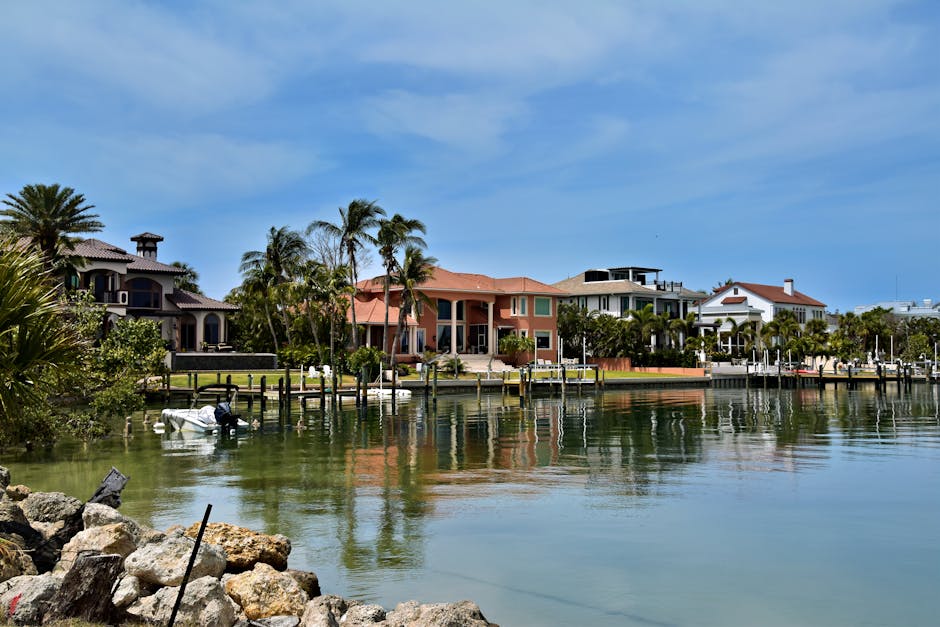
The Structural Shift in Tampa Waterfront Valuations
The Tampa luxury market has transitioned from a regional interest to a high-stakes global destination. Historically, local records were set in the low eight-figure range, but the current landscape suggests a significant decoupling from previous ceilings. While the city’s previous price record stood at $22.5 million, recent market entries have challenged this benchmark by a factor of five. A notable example is a significant estate currently testing the market at a nine-figure valuation, as reported by the Wall Street Journal. This movement signals a fundamental change in how global capital perceives Tampa’s coastal assets, moving away from simple vacation holdings toward permanent wealth preservation.

Sophisticated buyers are no longer comparing Tampa exclusively to internal Florida markets like Sarasota or Naples. Instead, the focus has shifted to peer-level competition with established global hubs. This evolution is driven by the scarcity of contiguous waterfront acreage and the rapid maturation of the city’s professional and cultural infrastructure. As inventory remains tight, with only 120 active luxury listings currently available, the competition for trophy properties has intensified, forcing a sophisticated reassessment of what constitutes a ‘fair’ entry point for prime real estate.
Data from the 2025 sales cycle indicates that the top tier of the market is remarkably resilient to broader economic fluctuations. High-net-worth individuals are prioritizing location and lot size over immediate cosmetic updates, recognizing that the land value in areas like Davis Islands and Beach Park represents the true equity play. These buyers are looking for legacy assets that offer both privacy and deep-water access, a combination that is becoming increasingly rare as the coastline reaches its development capacity.
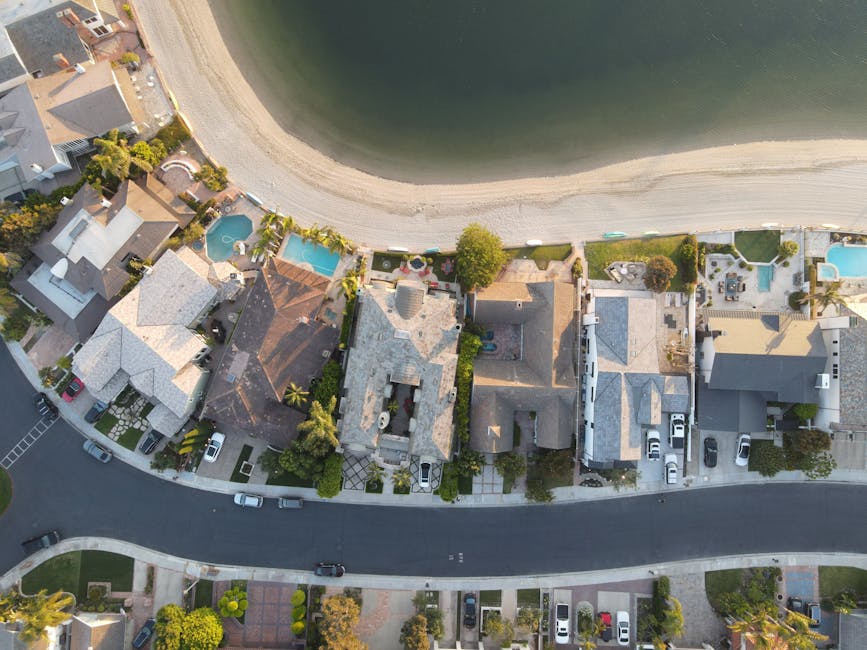
Primary Residence vs. Seasonal Hold: The New Buyer Profile
A defining characteristic of the current market is the shift toward primary residency. According to analysis from the National Law Review, Tampa Bay’s waterfront has emerged as a primary luxury real estate market rather than a secondary seasonal one. This trend is fueled by executives and entrepreneurs who are relocating their operations and families to the region, seeking a high standard of living without the logistical constraints of larger metropolitan centers. The demand for homes that can function as full-time family compounds—complete with integrated technology, expansive home offices, and multi-generational living spaces—has never been higher.
This migration is not merely about climate; it is about the long-term utility of the property. For many, the decision to settle in Tampa is backed by the city’s evolving corporate landscape. As noted by the Business Journals, executives are increasingly choosing the region for its strategic location and business-friendly environment. Consequently, properties in established neighborhoods like Hyde Park and Culbreath Isles are being acquired as permanent anchors, which reduces market turnover and further constrains inventory levels.
The behavioral impact on the market is clear: buyers are more patient but more decisive. They are willing to wait for the specific lot orientation or architectural style that meets their primary residence needs. When a property meets these criteria, the transaction velocity is swift, regardless of the price point. This patience is a hallmark of the modern Tampa buyer, who values long-term stability over short-term speculative gains.
Analyzing the Luxury Condo Pipeline and Managed Assets
While single-family estates remain the gold standard, the luxury condo market in Tampa is undergoing its own maturation process. Historically, Tampa was viewed as an early-stage market for high-rise living, but recent developments have proven that there is a deep appetite for ‘vertical estates.’ These properties offer the security and amenities of a managed building without sacrificing the square footage or privacy expected in a traditional home. Market reports from Tampa Bay Business & Wealth highlight why this segment is still in its early stages but growing rapidly as buyers seek a lock-and-leave capability that fits a global traveler’s schedule.
The appeal of managed assets often lies in the reduction of ownership friction. For the active executive, the ability to have maintenance, security, and concierge services integrated into the residence is a significant value add. This is particularly true for those who split time between Tampa and other financial centers. The transition toward high-end condo living also reflects a broader urban revitalization, with downtown corridors becoming more walkable and amenity-rich, attracting a demographic that values proximity to cultural venues and high-end dining.
However, the transition to vertical luxury is not uniform. Discerning buyers are looking for projects with low unit counts and high staff-to-resident ratios. They are prioritizing floor-to-ceiling glass, expansive balconies with direct bay views, and private elevator lobbies. As the pipeline for these projects continues to fill, the distinction between ‘luxury’ and ‘ultra-luxury’ will become more pronounced, defined by the level of service and the exclusivity of the resident base.
Critical Verification: The Waterfront Acquisition Checklist
Navigating a high-value real estate transaction in Tampa requires more than just an aesthetic appreciation for the property. Due diligence must be comprehensive, covering technical, legal, and environmental factors that can significantly impact long-term value. Before committing to a purchase, buyers should verify the following core elements:
- Seawall Integrity and Cap Elevation: Confirm the structural age of the seawall and whether the cap height meets current FEMA guidelines for flood mitigation.
- Riparian Rights and Dockage: Verify the exact boundaries of water rights and the feasibility of installing or expanding boat lifts for specific vessel drafts.
- HOA Financial Health and Reserves: For properties in managed communities or condos, a thorough audit of reserve studies is essential to avoid future special assessments.
- FEMA Compliance and Insurance Ratings: Understand the ‘substantial improvement’ rules and how they affect your ability to renovate older structures without triggering a full rebuild requirement.
- Site Orientation and Exposure: Analyze the sun path and prevailing wind patterns, which can drastically affect the utility of outdoor living spaces and energy efficiency.
- Zoning and Setback Restrictions: Confirm that any planned additions, such as guest houses or expanded pool decks, adhere to local neighborhood-specific building codes.
Engaging with a specialized advisor who understands these technical nuances is the difference between a successful investment and a costly oversight. Technical verification should happen early in the consideration phase to ensure that the property’s physical reality aligns with the buyer’s long-term vision.
Neighborhood Nuance: Beyond the Traditional Corridor
The definition of prime real estate in Tampa is expanding beyond the historical enclaves. Venetian Isles, for example, has seen a resurgence in interest as buyers look for deep-water access and larger lot sizes. Recent price adjustments in this area, such as those highlighted by Haute Living, have created strategic opportunities for those who can identify intrinsic value before the broader market catches up. This neighborhood offers a unique blend of mid-century charm and modern architectural potential, making it a favorite for those seeking a more curated aesthetic.
Westshore Yacht Club and Beach Park also offer distinct advantages. Westshore provides a secure, gated environment with a community-centric atmosphere, while Beach Park is prized for its mature canopy of oaks and diverse architectural styles. Buyers often find that these areas provide a more secluded feel while remaining within minutes of the Westshore business district and international airport. The choice between these neighborhoods often comes down to the desired level of privacy versus community engagement.
Furthermore, the 2025 sales records from the Tampa Bay Times show that the periphery of traditional luxury zones is beginning to catch up. Neighborhoods that were once considered ’emerging’ are now seeing multi-million dollar sales as the demand for high-quality construction pushes outward. For the analytical buyer, this suggests that the value of the Tampa market is becoming more distributed, offering a wider range of lifestyle options within the luxury segment.
Inventory Dynamics and the $2.5 Million Entry Point
As of May 2026, the median list price for luxury properties in Tampa is approximately $2,490,000. This figure represents a healthy baseline for entry-level luxury, typically encompassing high-quality renovations in established neighborhoods or new construction on standard-sized lots. With an average list price exceeding $3.1 million, the market is skewed toward the upper end, reflecting the influence of the waterfront estates mentioned previously. For buyers, this means that properties priced near the median often represent the highest velocity segment of the market.
Understanding inventory velocity is crucial for making a competitive offer. While there are 120 active listings, the ‘active’ status can be misleading. Many of these properties are in the pre-listing phase or have already received multiple inquiries within days of hitting the market. For instance, listings such as the estate on Troutwater Lane or the modern builds on North Florida Avenue demonstrate the market’s appetite for specific architectural styles and locations. Buyers who are hesitant in this price bracket often find themselves competing against aggressive cash offers.
Seasonality also plays a minor role, even in a primary-resident-heavy market. The early May weather, with highs near 30°C and low rain probability, often coincides with a peak in property showings and site visits. This is the time when the region’s indoor-outdoor lifestyle is most evident, making it easier for buyers to visualize the utility of a property’s pool deck and lanai spaces. Strategic buyers use this period to finalize their selections before the summer months, ensuring they can be settled in their new homes by the start of the next academic or corporate cycle.
Navigating the complexities of the current Tampa market requires a disciplined approach and a deep understanding of local neighborhood dynamics. Whether you are assessing a historic estate in Hyde Park or a modern waterfront compound in Venetian Isles, the importance of expert guidance cannot be overstated. We invite you to browse our current luxury listings to understand the available inventory or contact a senior advisor to discuss your specific acquisition criteria and receive a tailored market brief.
Your next move in Tampa luxury
Get current inventory, pricing guidance, and private-tour support from our brokerage team.
Source highlights
- Column: Why executives keep choosing St. Pete – The Business Journals
- Tampa’s Price Record Is $22.5 Million. This Huge Estate Is Asking $115 Million. – WSJ
- Tampa Bay’s most expensive luxury home sales of 2025 – Tampa Bay Times
- Why Tampa remains an early-stage luxury condo market – Tampa Bay Business & Wealth
- Jennifer Zales Unveils Venetian Isles Waterfront Luxury Now Offered At A New Price – Haute Living
- Tampa Bay’s Waterfront Emerges as a Primary Luxury Real Estate Market – The National Law Review
- Things to do with kids this weekend in Tampa, FL – That's So Tampa
- Riverfest and other events take over Tampa this weekend | What to know before you go – wtsp.com



