



The Structural Evolution of the Tampa Luxury Sector
Tampa’s high-end real estate market is currently undergoing a fundamental transformation, moving away from its historical reputation as a secondary vacation destination toward a robust primary market for global executives and high-net-worth individuals. This shift is not merely anecdotal; it is reflected in the sustained demand for high-acreage estates and sophisticated waterfront residences that cater to year-round living. As professional sports figures and tech leaders consolidate their presence in the region, the requirements for a luxury residence have evolved to prioritize integrated home offices, advanced security systems, and permanent staff quarters.
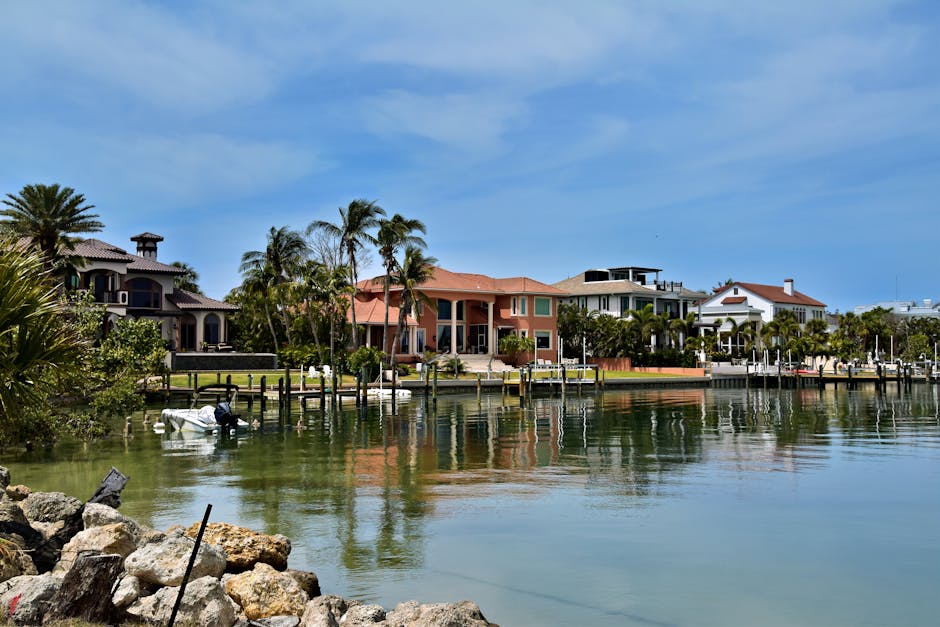
The current inventory reflects this maturity, with approximately 120 active luxury listings currently available. This limited supply, coupled with a median list price of $2,490,000, suggests a market that has found a stable floor despite broader economic fluctuations. Buyers are increasingly discerning, looking past aesthetic trends to evaluate the intrinsic value of the land and the quality of the building envelope. This analytical approach to acquisition is common among the executive class moving into the South Tampa area, where historical charm meets modern infrastructure requirements.
Recent activity in the ultra-luxury tier has further signaled this shift. While the previous price record for the region stood at $22.5 million, the market is currently witnessing listings that challenge all previous benchmarks, including a massive estate seeking $115 million. According to reports from the Wall Street Journal, these price points reflect a new confidence in Tampa’s long-term appreciation potential and its ability to compete with established markets like Miami or Palm Beach.

Understanding the Price Floor and Inventory Constraints
Navigating the current landscape requires a clear understanding of the price tiers that define the local market. With an average list price hovering near $3,151,577, the “entry-level” luxury buyer must be prepared for a competitive environment. In neighborhoods like Culbreath Isles or the Davis Islands, properties often command a premium due to their proximity to the water and the limited availability of vacant lots. When assessing value, savvy advisors look at the price per square foot relative to recent closed sales rather than asking prices, which can sometimes be disconnected from immediate appraisal realities.
Inventory remains the primary constraint. With only 120 units available for a growing pool of qualified buyers, the velocity of the market can be deceptive. High-quality assets in prime locations, such as those found on Troutwater Lane, tend to move quickly, while properties with deferred maintenance or less desirable lot configurations linger. This discrepancy highlights the importance of working with an advisor who can identify off-market opportunities or recognize the potential in assets that may be overlooked by the broader public. The focus should always be on the long-term viability of the location rather than the temporary appeal of a specific interior design trend.
The decision to buy in Tampa today is often a hedge against volatility in other markets. As noted in Florida Trend, the regional real estate market has shown remarkable resilience, supported by a diverse economy and a favorable tax environment. For the affluent buyer, this means that an investment in a primary residence here is not just about lifestyle; it is a strategic capital allocation in one of the country’s most consistently performing regions.
Waterfront Assets and the New Definition of Primary Residence
The concept of waterfront living in Tampa has expanded beyond the simple beach house. Today, the most sought-after properties are those that offer a seamless transition between indoor and outdoor living while maintaining a level of privacy suitable for high-profile residents. The National Law Review has highlighted how Tampa’s waterfront is emerging as a primary luxury real estate market, driven by legal and economic factors that favor long-term residency. This transition is evident in the architectural choices being made, with a move toward resilient construction materials and elevated floor plans that address modern environmental considerations.
When evaluating a waterfront asset, the focus should extend beyond the view. Riparian rights, dockage depth, and seawall integrity are critical factors that impact both the utility and the resale value of the property. Buyers are moving away from the aesthetic-heavy “McMansion” style of the early 2000s in favor of clean, modern lines and sustainable technologies. A property on Florida Avenue might offer a different set of advantages compared to a deep-water lot on Davis Islands, and understanding these nuances is essential for any serious buyer looking to secure a meaningful stake in the market.
Critical Evaluation Checklist for Tampa Luxury Assets
Before proceeding with a high-value acquisition, it is imperative to conduct a rigorous assessment of the property’s fundamentals. This checklist provides a framework for evaluating assets in the $2 million to $10 million range.
- Elevation and Flood Risk: Verify the current flood zone and the elevation certificate to understand long-term insurance implications.
- Riparian and Docking Rights: For waterfront properties, confirm the ability to install or expand docking facilities and verify water depth at low tide.
- Lot Configuration: Analyze the setbacks and buildable area, especially in historic districts like Hyde Park where local ordinances may limit expansion.
- Infrastructure and Utilities: Evaluate the age of the building envelope, including the roof, HVAC systems, and the presence of smart home integration.
- Neighborhood Continuity: Assess the surrounding properties for recent renovations or new construction to gauge the area’s trajectory.
- School and Commute Accessibility: For primary residents, proximity to elite private institutions and executive hubs is a major driver of value.
The Executive Migration and the St. Pete Synergy
One of the most significant drivers of the current market is the migration of C-suite executives who are choosing the Tampa Bay region for its balance of professional opportunity and lifestyle. While Tampa remains the primary commercial hub, there is a growing synergy with neighboring St. Petersburg. Many leaders are finding that the proximity between the two cities allows for a unique dual-city lifestyle. According to the Business Journals, executives are increasingly attracted to the region’s overall infrastructure and the quality of the talent pool, which in turn fuels the demand for high-end housing.
This regional growth is supported by a calendar of high-profile events that foster a sense of community among the elite. From the annual Riverfest to exclusive festivals in downtown, the social fabric of the city is becoming more sophisticated. For a buyer, this means that the value of a home is tied to more than just the four walls; it is tied to the cultural capital of the neighborhood. This is why areas near the MLK Boulevard corridor or the burgeoning heights are seeing a rise in interest as they offer a different, yet equally compelling, luxury experience compared to the traditional waterfront enclaves.
The movement of capital is also visible in the commercial sector, where new developments are catering to the needs of a more globalized workforce. This commercial investment provides a secondary layer of security for residential buyers, as it ensures that the local economy remains robust and diversified. When you consider the totality of the market, it becomes clear that Tampa is no longer a follower in the luxury space; it is setting the pace for the rest of the Southeast.
Market Velocity and the Timing of Acquisition
In a market with only 120 luxury options, timing is often the difference between securing a legacy asset and missing out on a prime opportunity. However, velocity should not be confused with haste. A successful acquisition strategy involves a deep dive into the historical performance of specific neighborhoods and a clear-eyed assessment of current market conditions. The median list price of $2.49 million provides a useful benchmark, but individual property values can vary wildly based on specific amenities and location-based advantages.
Buyers should also consider the seasonality of the market. While Tampa is increasingly a year-round destination, the spring months often see a slight uptick in inventory as families look to relocate before the new school year. The current weather, with temperatures near 30 degrees Celsius and minimal rain, provides ideal conditions for conducting thorough home inspections and exploring waterfront perimeters. An advisor who understands these seasonal rhythms can help a buyer position their offer more effectively, ensuring that they are not overpaying during a peak period of activity.
Furthermore, the rise of the luxury condo market in Tampa has introduced a new dynamic. While many high-net-worth individuals still prefer the privacy of a single-family estate, the convenience of a high-rise with full-service amenities is becoming more attractive to some. Comparing the value proposition of a downtown penthouse versus a South Tampa estate requires a nuanced understanding of lifestyle priorities and long-term maintenance costs. Both segments of the market are currently performing well, but they appeal to different buyer profiles and require different due diligence processes.
Strategic Outlook for the Tampa Luxury Buyer
Looking ahead, the Tampa luxury market is poised for continued consolidation. As the region matures, we expect to see a further reduction in the number of available lots, which will naturally drive up the value of existing high-quality assets. The focus for buyers should remain on quality and location. Properties that offer a combination of historical significance and modern luxury, or those that occupy the most desirable waterfront positions, will likely see the highest rates of appreciation. This is a market that rewards patience and a focus on fundamentals rather than chasing short-term trends.
As you evaluate your options, consider the long-term implications of your purchase. A home in Tampa is more than just a place to live; it is a stake in the future of one of Florida’s most dynamic cities. Whether you are looking for a secluded waterfront estate or a modern architectural masterpiece in the heart of the city, the current market offers a range of opportunities for those with the means and the vision to act. The key is to remain informed, work with a trusted advisor, and focus on the data that truly matters in a high-stakes real estate environment.
To navigate this evolving landscape with confidence, we invite you to explore our curated selection of luxury homes for sale and gain a deeper understanding of the local inventory. Our team of senior advisors is available to provide the analytical insights and private guidance necessary to secure your next primary residence or high-value investment. When you are ready to discuss your specific requirements and move beyond the public listings, please contact an advisor to schedule a private consultation and begin your acquisition journey in the Tampa luxury market.
Your next move in Tampa luxury
Get current inventory, pricing guidance, and private-tour support from our brokerage team.
Source highlights
- Column: Why executives keep choosing St. Pete – The Business Journals
- Tampa’s Price Record Is $22.5 Million. This Huge Estate Is Asking $115 Million. – WSJ
- Tampa Bay’s most expensive luxury home sales of 2025 – Tampa Bay Times
- Why Tampa remains an early-stage luxury condo market – Tampa Bay Business & Wealth
- Tampa Bay’s Waterfront Emerges as a Primary Luxury Real Estate Market – The National Law Review
- Florida Trend Real Estate – Florida Trend
- Things To Do In Tampa This Weekend: Best Festivals & Events Going On – That's So Tampa
- Riverfest and other events take over Tampa this weekend | What to know before you go – wtsp.com



