


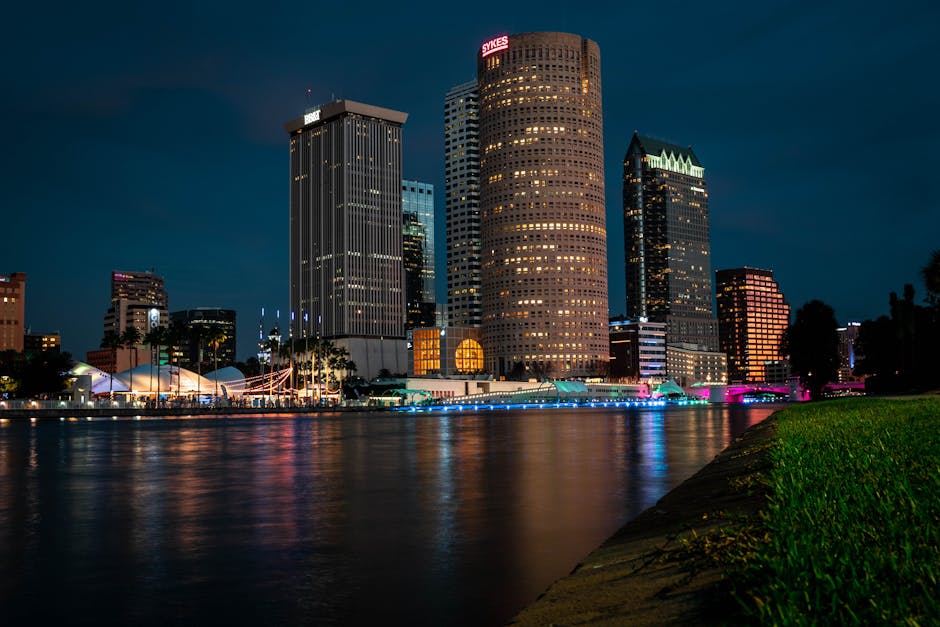
The Structural Shift in Tampa’s Luxury Market
As we navigate the second quarter of 2026, the Tampa luxury real estate sector has moved beyond the post-pandemic surge into a phase of sophisticated stability. The current inventory reflects this maturation, with approximately 120 active luxury listings and a median list price holding firm at $2,490,000. Unlike previous cycles where activity was driven by speculative interest, today’s transactions are characterized by buyers seeking primary residences with long-term utility. The average list price of $3,151,577 underscores a market that has effectively internalized a new baseline for premium properties.
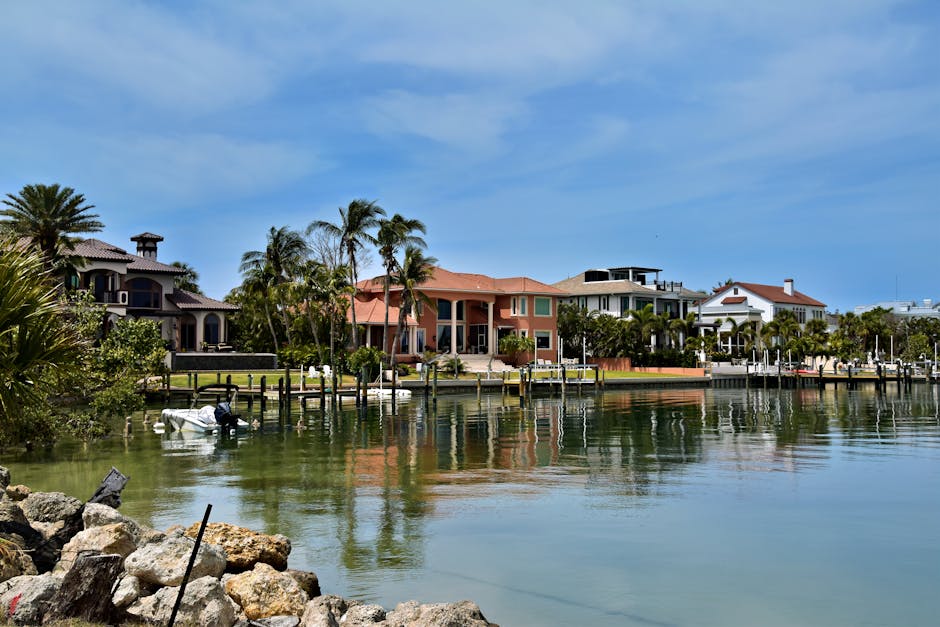
Weather patterns in early May 2026, with temperatures reaching the low 30s Celsius, continue to reinforce the regional draw for domestic migrants. However, the motivation for acquisition has shifted. Buyers are no longer simply looking for a seasonal escape; they are prioritizing assets that support a year-round executive lifestyle. This is evident in areas like Davis Islands and Beach Park, where the demand for modern infrastructure and proximity to the city’s commercial core remains high. For those monitoring current opportunities, exploring listings for sale reveals a diverse range of assets from historic renovations to contemporary waterfront builds.
Recent data from the National Law Review confirms that the Tampa Bay waterfront has emerged as a primary luxury real estate market. This transition is critical for buyers to understand because it affects everything from insurance requirements to the long-term appreciation potential of bayfront estates. When a market shifts to primary status, the focus on build quality and architectural permanence becomes the dominant factor in valuation.
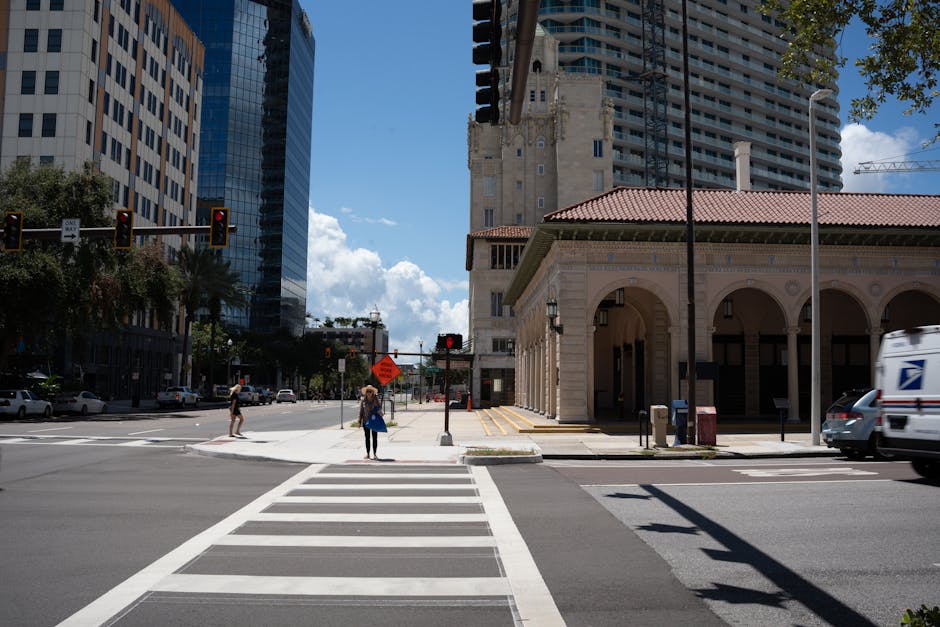
The Executive Migration and Corporate Influence
The influx of C-suite executives choosing the Tampa and St. Petersburg region is a primary driver of the current $2M+ market segment. This trend is not accidental; it is the result of a deliberate corporate migration strategy. Leaders are increasingly favoring the region for its logistical advantages and the high caliber of available executive-level housing. According to a recent column in The Business Journals, executives are consistently selecting this area to balance professional growth with a specific standard of living that other metropolitan hubs struggle to match.
This corporate presence provides a layer of resilience to the local market. While other Florida regions may see fluctuations based on tourism or speculative investment, the Tampa core is anchored by permanent, high-income residents. This is reflected in the demand for properties like those found on Troutwater Lane, where privacy and proximity to elite private schools are weighted more heavily than proximity to tourist corridors. The executive buyer in 2026 is looking for a functional environment that accommodates home-based operations without sacrificing aesthetic integrity.
Furthermore, the development of the downtown corridor has created a symbiotic relationship between residential and commercial luxury. As more firms establish regional headquarters in Water Street and surrounding areas, the pressure on nearby neighborhoods like Hyde Park and Bayshore Beautiful intensifies. This is no longer a localized phenomenon but a significant regional movement that has redefined the expectations for a $2.5 million acquisition.
Due Diligence in the $2M+ Acquisition Process
Acquiring a high-value asset in the current environment requires a rigorous approach to due diligence that goes beyond standard inspections. With the market moving toward primary-residence status, the longevity of systems and the integrity of the build are paramount. Buyers should be prepared to evaluate not just the visible finishes, but the structural and environmental protections in place. In a climate where May afternoons can see rapid shifts in humidity and precipitation, the resilience of building envelopes is a critical consideration for any long-term investment.
The following checklist outlines the essential verification steps for any luxury acquisition in the Tampa market:
- Verification of seawall integrity and elevation for all waterfront properties.
- Comprehensive review of updated flood mitigation systems and drainage infrastructure.
- Analysis of recent HOA or master-planned community capital improvement schedules.
- Independent appraisal and comparison against 2025 closing data for similar property types.
- Validation of smart-home system compatibility and security redundancies.
- Assessment of proximity to future municipal development projects and zoning changes.
Adhering to a structured verification process ensures that the acquisition remains a sound financial decision. In a market with a median list price of $2.49 million, small oversights in due diligence can result in significant downstream costs. Working with an advisor who understands the nuances of local zoning and environmental regulations is essential for navigating these complexities.
The Maturing Condo Market vs. Traditional Estates
A notable trend in 2026 is the divergence between the high-rise luxury condo market and traditional landed estates. While estates remain the preference for those seeking maximum privacy and land value, the luxury condo market is beginning to find its footing as a viable primary residence option. However, as noted by Tampa Bay Business & Wealth, Tampa remains an early-stage luxury condo market compared to South Florida. This presents an opportunity for buyers to enter a segment that is still defining its upper limits.
Traditional estates, such as the inventory found in neighborhoods like Culbreath Isles or the executive-focused developments on MLK Boulevard, offer a different value proposition. These properties typically provide more control over the physical asset and a higher percentage of value tied to the land itself. For the analytical buyer, the decision often comes down to the trade-off between the turnkey convenience of a vertical luxury community and the autonomy of a detached estate. Each path requires a different strategy for valuation and future liquidity.
Market movement in early 2026 suggests that while condos are attracting those looking for a simplified lifestyle, the record-breaking sales are still occurring in the detached estate segment. Properties with historical significance or unique architectural pedigrees continue to command the highest premiums, as land remains the scarcest resource in the most desirable Tampa neighborhoods.
Navigating Price Benchmarks and Market Records
Understanding the gap between asking prices and actual market value is crucial in a year where we have seen extraordinary list prices. While the median list price is $2.49 million, the market is currently seeing outliers that push the boundaries of regional records. For instance, the Wall Street Journal has highlighted estates in the region asking over $100 million, a massive leap from the previous record of $22.5 million. These trophy assets represent a new tier of global interest in Tampa.
For the typical luxury buyer, these headline-grabbing numbers serve as a barometer for the ceiling of the market, but they should not distract from the core inventory. Analyzing the most expensive luxury home sales of 2025 provides a more grounded perspective on where value is actually being exchanged. Successful buyers in 2026 are those who focus on comparable sales data from the last 12 months rather than the aspirational pricing of new-to-market trophy listings.
Maintaining price discipline involves recognizing when a property’s value is driven by intrinsic quality versus market hype. In neighborhoods like Snell Isle or Old Northeast, the consistency of sales within a specific price band provides a reliable framework for making offers. Conversely, in rapidly developing areas, the lack of established comparables requires a more cautious, data-driven approach to ensure the acquisition remains competitive in future cycles.
Strategic Advice for the 2026 Buyer
The current Tampa market rewards those who take a clinical approach to acquisition. With inventory levels providing more choice than in previous years, there is no need to rush into a transaction without full confidence in the property’s fundamentals. Identifying the right asset involves balancing neighborhood-level trends with a clear understanding of your own lifestyle requirements. Whether you are focused on the historic charm of Hyde Park or the modern executive estates of South Tampa, the priority should be on properties that demonstrate resilience and long-term utility.
As we move further into the year, the stability of the local economy and the continued interest from institutional wealth suggest that Tampa will remain a primary target for luxury real estate investment. For those ready to move forward, the first step is a comprehensive review of the current landscape. We invite you to browse our curated collection of listings and contact a private advisor to discuss your specific requirements and receive a tailored market brief for your areas of interest.
Your next move in Tampa luxury
Get current inventory, pricing guidance, and private-tour support from our brokerage team.
Source highlights
- Column: Why executives keep choosing St. Pete – The Business Journals
- Tampa’s Price Record Is $22.5 Million. This Huge Estate Is Asking $115 Million. – WSJ
- Tampa Bay’s most expensive luxury home sales of 2025 – Tampa Bay Times
- Why Tampa remains an early-stage luxury condo market – Tampa Bay Business & Wealth
- Tampa Bay’s Waterfront Emerges as a Primary Luxury Real Estate Market – The National Law Review
- Florida Trend Real Estate – Florida Trend
- Things To Do In Tampa This Weekend: Best Festivals & Events Going On – That's So Tampa
- Riverfest and other events take over Tampa this weekend | What to know before you go – wtsp.com



