


The Structural Evolution of a Primary Luxury Market
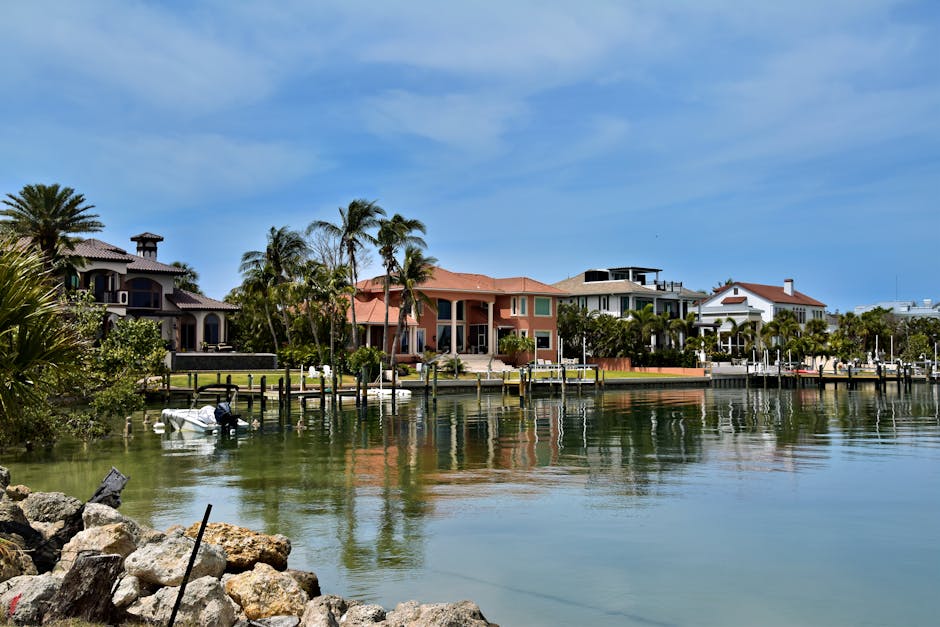
For decades, the Tampa Bay region was categorized by institutional investors as a secondary or seasonal market, often overshadowed by the high-density verticality of Miami or the established prestige of Palm Beach. However, recent data suggests a fundamental shift in the regional economic landscape. Tampa has emerged as a primary luxury destination, driven by sustained wealth migration and a significant corporate relocation trend. This transition is not merely a post-pandemic anomaly but a structural reclassification of the market. According to recent findings from The National Law Review, the waterfront sector in particular is now behaving with the price stability and demand velocity typically seen in Tier-1 global cities.
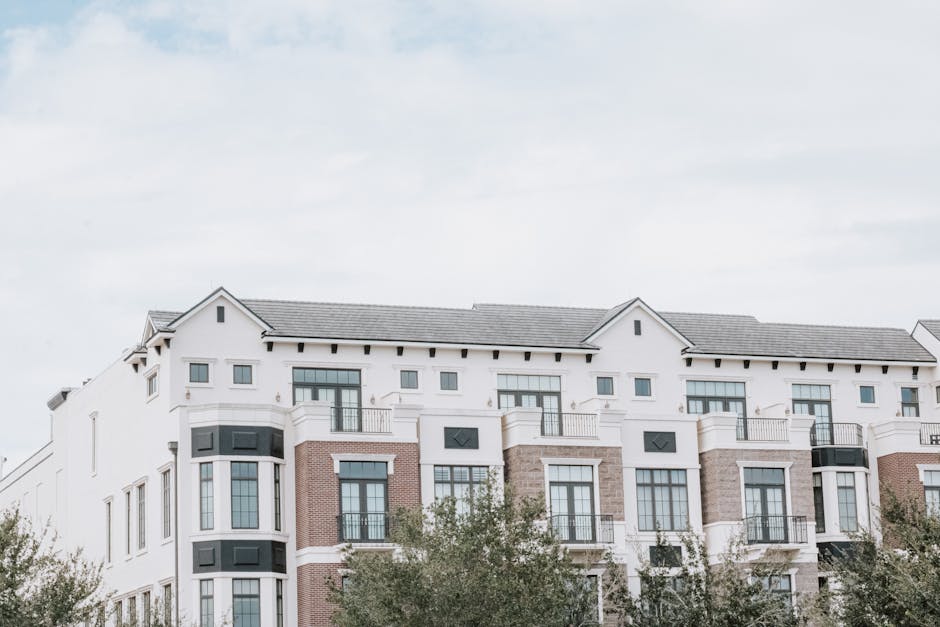
The implications for buyers are profound. In a primary market, real estate assets are viewed through the lens of long-term wealth preservation rather than speculative short-term gains. We are seeing a marked increase in “end-user” buyers—individuals who intend to make Tampa their primary domicile for tax and lifestyle reasons. This shift has resulted in a more resilient inventory environment. While other Florida markets have experienced volatility, the luxury segment here has maintained a sophisticated equilibrium. High-net-worth individuals are no longer just looking for a winter retreat; they are seeking legacy estates that offer proximity to the Westshore Business District and the burgeoning Water Street corridor.
Understanding this evolution requires a departure from traditional real estate tropes. It is no longer enough to look at surface-level aesthetics. Sophisticated advisors now prioritize infrastructure, jurisdictional longevity, and the long-term viability of specific coastal enclaves. The arrival of institutional-grade amenities and Michelin-starred dining has anchored this new reality, ensuring that the luxury infrastructure matches the residential valuations. As we analyze the current inventory of luxury homes for sale, the focus remains on properties that serve as both a residence and a strategic financial hedge in an increasingly complex national economy.
Decoding High-End Valuations and the $115 Million Ceiling
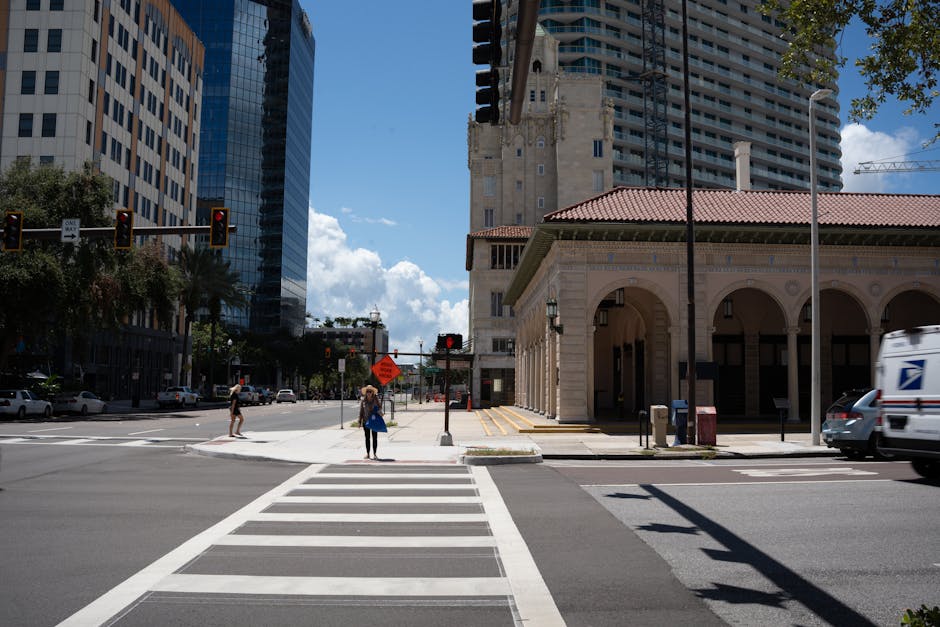
The current valuation landscape in Tampa is defined by a widening gap between “entry-level” luxury and the ultra-high-net-worth (UHNW) tier. With a median list price currently hovering around $2,499,000 and an average list price exceeding $3.2 million, the baseline for prestige has moved significantly higher. Perhaps most telling of this trend is the recent listing of a massive estate asking $115 million, as reported by the Wall Street Journal. While the current city record remains at $22.5 million, the sheer audacity of a nine-figure ask signals a new level of confidence in the regional ceiling. It suggests that developers and owners now view Tampa as a market capable of supporting the highest echelons of global real estate pricing.
When evaluating these numbers, it is critical to look beyond the headlines. The median price tells us about the volume, but the average price—skewed higher by trophy properties on Davis Islands and along Bayshore Boulevard—reveals the appetite for custom, architecturally significant homes. Buyers are increasingly willing to pay a premium for “ready-to-live” inventory. The cost of high-end construction and the timeline for permitting in desirable neighborhoods like Beach Park or Culbreath Isles have made existing, renovated estates more valuable than ever. We are seeing multiple-offer scenarios on properties that have been meticulously maintained, even as interest rate environments fluctuate.
This valuation surge is supported by the regional market’s ability to withstand national headwinds. While many metropolitan areas in the West and Northeast have seen significant price corrections, the The Business Journals notes that the Tampa Bay luxury market has grown stronger despite national declines. This divergence is a key metric for analytical buyers. It demonstrates that the local market is being driven by unique regional factors—such as Florida’s favorable tax climate and the massive influx of capital from high-income states—rather than just following national housing cycles. For the strategic buyer, this provides a level of confidence in the underlying asset value.
The Rise of Vertical Luxury: Condo Market Maturity
While sprawling waterfront estates remain the gold standard, the luxury condominium market is undergoing a rapid maturation. Historically, Tampa was a “horizontal” city, but the success of developments like The Tampa EDITION and the Ritz-Carlton Residences has proven there is deep demand for vertical living. This sector provides a different value proposition: the “lock-and-leave” lifestyle. However, it is important to recognize that this segment is still in its early stages of development. Industry experts at Tampa Bay Business & Wealth suggest that we are only beginning to see the true potential of high-end verticality in the region.
Buyers in this segment are often downsizing from larger estates or seeking a secondary urban residence to complement a coastal home. The focus here is on service and exclusivity. Private elevators, 24-hour concierge services, and curated social spaces are now mandatory requirements. We are seeing a particular interest in properties that offer panoramic views of Hillsborough Bay while maintaining proximity to the cultural heart of the city. The integration of luxury residential units with high-end hospitality brands has set a new benchmark for what a condominium experience should entail in a modern Southern city.
The condo market also serves as an entry point for many new-to-market residents who want to experience the city’s pulse before committing to a larger land-based acquisition. It offers a way to participate in the appreciation of the Downtown and Water Street areas without the maintenance overhead of a large lot. As the skyline continues to evolve, the distinction between “standard” condos and “true” luxury verticality becomes more pronounced. Discerning buyers should prioritize buildings with lower unit counts and higher staff-to-resident ratios, as these factors typically correlate with better long-term value retention in the vertical space.
Due Diligence: A Waterfront Acquisition Checklist
Purchasing waterfront property in the Tampa area requires a layer of due diligence that goes far beyond a standard home inspection. The intersection of environmental regulations, insurance requirements, and maritime logistics can significantly impact the long-term utility of a property. For those evaluating coastal assets on Davis Islands, Sunset Park, or along the canals of Beach Park, the following factors are non-negotiable for a thorough assessment.
- Verification of Sea Wall Integrity: Assess the age, material, and structural stability of existing retaining walls, as replacement costs can be substantial.
- FEMA Elevation Compliance: Review current flood zone designations and the Finished Floor Elevation (FFE) relative to updated federal guidelines.
- Riparian Rights and Dock Permitting: Confirm the extent of water rights and the feasibility of installing or expanding boat lifts for deep-water access.
- Insurance Premium Forecasting: Consult with specialists to project long-term costs for wind and flood coverage in high-velocity zones.
- Shoreline Setback Restrictions: Understand local municipal codes regarding how close a structure can be built to the water’s edge.
Working with an advisor who understands these technical nuances is essential. For instance, a property might appear to have ample dock space, but local ordinances or environmental protections may limit the type of vessel that can be moored there. Similarly, the transition from older sea wall designs to modern cap-and-anchor systems is a significant capital expenditure that should be accounted for in the initial offer price. In the luxury tier, these technical details are often more important than the interior finishes of the home itself, as they determine the property’s core viability.
Neighborhood Micro-Trends: Character and Buyer Behavior
The Tampa luxury market is not a monolith; it is a collection of distinct enclaves, each with its own cultural footprint and buyer profile. Davis Islands remains the pinnacle of exclusivity, favored by professional athletes and CEOs who value the island’s privacy and lack of through-traffic. Here, the market is characterized by a mix of mid-century modern updates and massive new-construction Mediterranean or Coastal Contemporary estates. The proximity to the private airport on the island adds a layer of convenience for frequent travelers that is difficult to replicate elsewhere in the city.
In contrast, neighborhoods like Hyde Park and Palma Ceia offer a more traditional, pedestrian-friendly luxury. The focus here is on historic preservation and the proximity to the high-end retail and dining of the Village. Buyers in these areas are often looking for the charm of a 1920s brick-front home combined with the modern convenience of a full-scale renovation. We have seen a significant increase in “off-market” activity in these zones, as long-term residents often prefer private transactions. Understanding the local rhythm of these streets is vital for any prospective buyer looking to integrate into the community’s social fabric.
Further south, areas such as Beach Park and Culbreath Isles continue to attract families who prioritize larger lot sizes and canal access. These neighborhoods have seen a wave of recent sales in the $5 million to $15 million range, often involving the demolition of older structures to make way for grander estates. The buyer behavior here is focused on long-term residency, with a high emphasis on the quality of local private schooling and the security of gated or well-patrolled environments. As inventory remains tight, we advise clients to look at the “land value” of these properties as much as the current structure, as the demand for prime dirt in these specific zones shows no signs of abating.
Market Resilience and Inbound Wealth Migration
One of the most frequent questions we receive is whether the current price levels are sustainable. To answer this, we must look at the source of the capital entering the market. Unlike previous cycles that were heavily leveraged, today’s luxury transactions in Tampa are frequently cash-heavy or backed by significant equity. The migration of wealth from the Northeast and Midwest is not just about individuals; it is about the businesses they bring with them. As more financial services and tech firms establish roots in the Westshore and Downtown areas, the high-income employee base provides a permanent floor for luxury demand.
Furthermore, the lifestyle transition is supported by a robust calendar of regional events that foster a sense of place. From world-class arts festivals to premier sporting events, the city offers a level of engagement that rivals much larger metros. For instance, residents often participate in the various cultural events highlighted by FOX 13 Tampa Bay, which anchor the city’s social calendar. This cultural density is a key driver for younger UHNW buyers who want the amenities of a major city without the congestion of Miami or New York.
The data from the I Love the Burg event listings also shows how the connectivity between Tampa and St. Petersburg has strengthened, creating a “dual-city” luxury experience. Residents can live in a South Tampa estate while easily accessing the museum district and waterfront festivals of St. Pete. This regional synergy makes the entire Bay area more attractive to global buyers who are looking for a diverse range of experiences within a thirty-minute radius. When you combine this lifestyle appeal with the lack of state income tax, the value proposition remains one of the strongest in the United States.
Strategic Decision-Making for the Sophisticated Buyer
Navigating the Tampa luxury market requires a balance of analytical rigor and local intuition. It is easy to be swayed by a beautiful view or a designer kitchen, but the most successful acquisitions are those where the buyer understands the underlying mechanics of the neighborhood and the asset’s place in the broader regional trajectory. We focus on providing data-backed guidance that allows our clients to make decisions with confidence. Whether you are comparing a new construction estate in Beach Park to a historic renovation in Hyde Park, the goal is to align your lifestyle needs with a sound financial strategy.
The current landscape of the market, with its 120 active luxury listings and a significant presence of high-end land opportunities, offers a unique window for those who are prepared to act decisively. We invite you to explore the latest curated selection of luxury homes for sale to see how the market is evolving in real-time. Our team of advisors is available to provide a private consultation, offering deep-dive analysis into specific properties and off-market opportunities that meet your criteria. To begin a more detailed conversation about your objectives in the Tampa market, please contact an advisor today for a confidential brief.
Your next move in Tampa luxury
Get current inventory, pricing guidance, and private-tour support from our brokerage team.
Source highlights
- Tampa’s Price Record Is $22.5 Million. This Huge Estate Is Asking $115 Million. – WSJ
- Tampa Bay’s most expensive luxury home sales of 2025 – Tampa Bay Times
- Tampa Bay luxury market grows stronger despite national declines – The Business Journals
- Why Tampa remains an early-stage luxury condo market – Tampa Bay Business & Wealth
- Tampa Bay’s Waterfront Emerges as a Primary Luxury Real Estate Market – The National Law Review
- Florida Trend Real Estate – Florida Trend
- Things To Do In St Pete This Weekend: Best Festivals & Events Going On In St Petersburg – I Love the Burg
- Tampa weekend events: Concerts, festivals and downtown family fun — What to know before you go – FOX 13 Tampa Bay



