


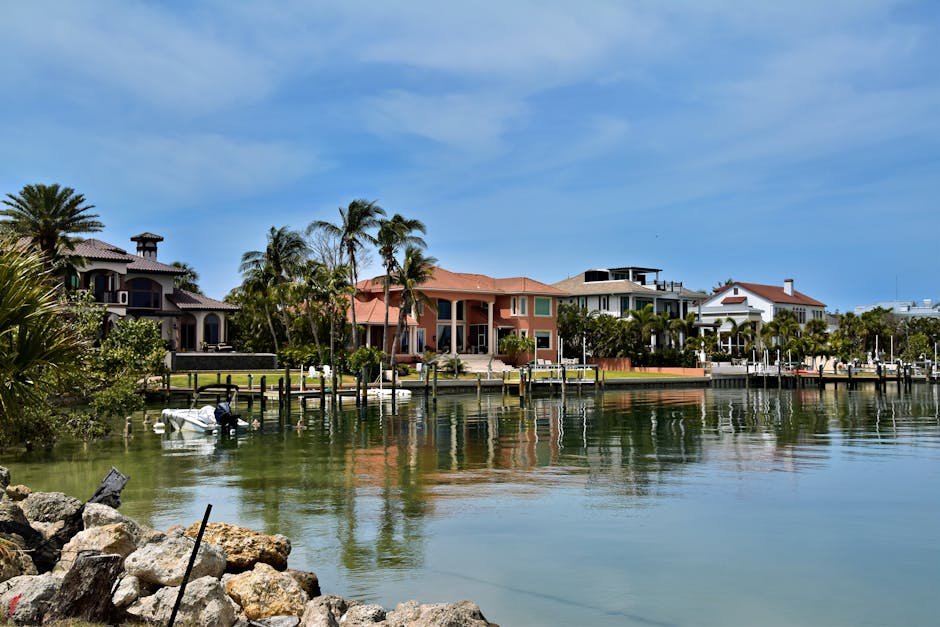
The Maturity of the Tampa Luxury Sector
Tampa has fundamentally shifted its identity within the national real estate landscape. No longer viewed as a secondary alternative to Miami or Palm Beach, the city has emerged as a primary destination for high-net-worth individuals seeking long-term capital preservation and a high quality of life. This transition is marked by a significant increase in the complexity and scale of available assets. For instance, the region recently saw a shift in pricing ceilings, exemplified by a massive estate entering the market with a record-breaking $115 million asking price, according to reports from the Wall Street Journal. Such valuations signal a robust confidence in the local market’s longevity.

For the sophisticated buyer, understanding this maturity is essential for effective decision-making. The influx of wealth has tightened inventory in historic neighborhoods like Hyde Park and Davis Islands, where the barrier to entry continues to climb. Current market data reveals a median list price of $2,500,000 for luxury properties, with the average list price reaching $3,226,879. This delta suggests a high concentration of ultra-premium assets that skew the average, reflecting a market that is increasingly catering to the top tier of global buyers. Those navigating this space must look beyond simple price-per-square-foot metrics and instead evaluate the specific utility and scarcity of the lot and location.
Buyer behavior has also evolved, moving from speculative investment to permanent residency. This is particularly evident in the demand for large-scale residential compounds and high-service vertical estates. The emergence of Tampa’s waterfront as a primary luxury market has been documented by the National Law Review, which notes that the region’s coastline is now a focal point for institutional-grade residential investment. This trend is not merely a local phenomenon but a reflection of broader migration patterns favoring Florida’s West Coast for its relative stability and geographic advantages.
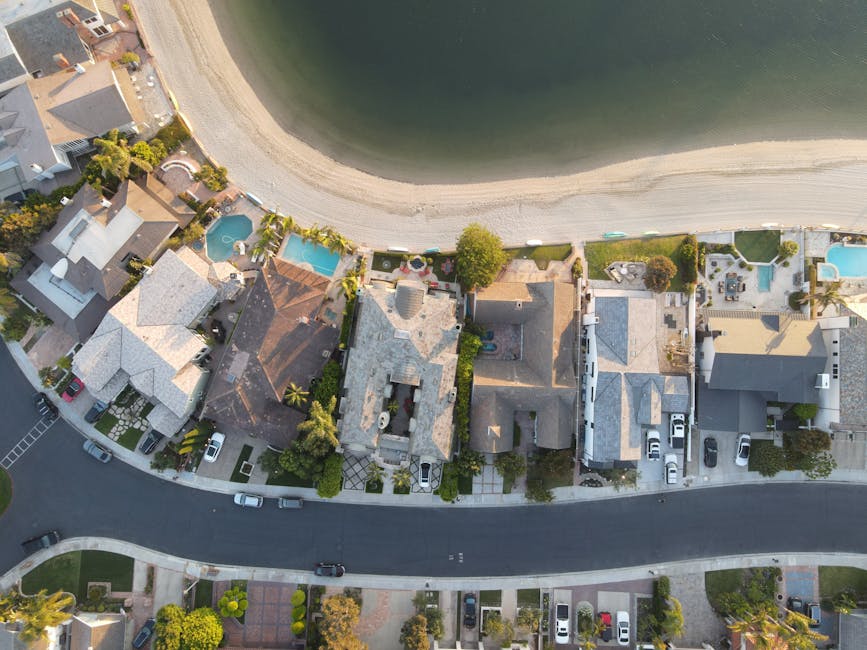
Strategic Inventory and Price Benchmarks
Navigating the current inventory of approximately 120 active luxury listings requires a disciplined approach to valuation. While the median list price remains at $2.5 million, the competition for trophy properties—those exceeding the $10 million threshold—has intensified. Recent data from the Tampa Bay Times highlights that the most expensive home sales of 2025 set new precedents for price-per-square-foot in areas like Culbreath Isles and Beach Park. These benchmarks serve as a critical reference point for buyers assessing the fair market value of incoming inventory.
The scarcity of buildable land in established South Tampa corridors has led to a rise in “scrape and build” projects, where older structures are removed to make way for modern architectural statements. This movement has compressed the timeframe for making offers on high-potential lots. Advisors now emphasize the importance of due diligence prior to the listing’s debut, as off-market transactions and private placements become more common. To effectively compete, buyers must be positioned with verified liquidity and a clear understanding of local zoning and setback requirements that can impact the final buildable envelope of a property.
Despite national economic fluctuations, the Tampa luxury market has demonstrated remarkable resilience. Analysis from The Business Journals indicates that the local high-end sector continues to grow stronger even when national trends show declines. This decoupling is driven by the unique combination of tax advantages, corporate relocations, and the ongoing redevelopment of the downtown waterfront. For the intentional buyer, this means that market timing is less about waiting for a correction and more about identifying the specific asset that aligns with their long-term wealth strategy.
Waterfront Assets and Risk Management
Waterfront properties remain the pinnacle of the Tampa real estate market, offering both lifestyle benefits and significant investment upside. However, the acquisition of a coastal asset requires a sophisticated understanding of environmental variables and regulatory oversight. Buyers must evaluate seawall integrity, riparian rights, and flood elevation certificates with the same rigor as the home’s interior finishes. The premium paid for deep-water access on Davis Islands or direct bay views along Bayshore Boulevard is often justified by the limited supply, but it must be balanced against the increased carrying costs associated with premium insurance and specialized maintenance.
As the market matures, we are seeing a shift in what defines a “prime” waterfront location. While open bay views are always in demand, there is a growing appreciation for protected canal locations that offer safer moorings for larger vessels. The diversity of the coastline—ranging from the urban edge of Water Street to the secluded estates of Snell Isle and beyond—allows buyers to select a property that matches their specific maritime requirements. Working with an advisor who understands the nuances of local waterways is critical for avoiding pitfalls related to draft depth and bridge clearances.
Beyond the physical structure, the lifestyle integration of these properties is a primary driver of value. Proximity to downtown cultural hubs and the ability to navigate the city via water are increasingly prioritized. Events such as local festivals and waterfront gatherings contribute to the area’s appeal, though they also require buyers to consider traffic patterns and seasonal accessibility. Staying informed through resources like Spectrum Bay News 9 can provide valuable context on how the city’s growth impacts local neighborhood dynamics and logistics.
- Verify the remaining lifespan and structural integrity of existing seawalls and docks.
- Assess the impact of recent FEMA map revisions on flood insurance premiums.
- Review local neighborhood association bylaws for restrictions on short-term rentals and exterior modifications.
- Confirm deep-water access specifications for specific maritime vessel requirements.
- Evaluate the proximity to high-capacity evacuation routes and emergency infrastructure.
- Analyze historical price appreciation for comparable waterfront assets over the last five years.
The Rise of the Vertical Estate
The luxury condominium market in Tampa is currently undergoing a radical transformation. Historically a market focused on single-family homes, the city is now embracing high-rise living as a viable and often preferred alternative for the affluent. This shift is particularly visible in the downtown and Water Street districts, where new developments are offering amenities that rival those of world-class hotels. According to Tampa Bay Business & Wealth, the city remains an early-stage luxury condo market with significant room for growth, making it an attractive entry point for those seeking a turnkey urban lifestyle.
The appeal of the vertical estate lies in its combination of security, views, and ease of ownership. For part-time residents or those who travel extensively, the “lock-and-leave” convenience of a managed building is a primary consideration. These buildings often feature private elevator access, 24-hour concierge services, and integrated wellness centers, providing a level of service that is difficult to replicate in a standalone residence. When comparing vertical estates to traditional homes, buyers should look closely at the ratio of staff-to-residents and the long-term capital reserve planning of the association.
Location remains paramount in the condo sector. Buildings that offer direct access to the Riverwalk or are within walking distance of the city’s premier dining and entertainment venues command the highest premiums. The integration of residential towers with mixed-use developments ensures that residents have immediate access to high-end grocery stores, boutiques, and office spaces. This urban density is a new frontier for Tampa, and its success is a testament to the city’s evolving demographic of younger professionals and active retirees who prioritize walkability and social connectivity.
Economic Resilience and Long-Term Outlook
The broader Florida real estate market continues to benefit from a favorable tax environment and a business-friendly regulatory climate. Insights from Florida Trend suggest that the state’s economic diversification—moving beyond tourism into tech, finance, and healthcare—is providing a stable foundation for the luxury housing sector. Tampa, specifically, has become a hub for corporate headquarters and regional offices, bringing a steady stream of executives who require high-end housing options. This institutional support for the residential market reduces the volatility often associated with luxury real estate.
For the long-term investor, the focus should be on neighborhoods that have shown consistent historical performance. Areas like South Tampa and the surrounding islands have a track record of maintaining value even during broader market contractions. This is due in part to the limited supply of land and the high demand for top-rated school districts and proximity to the urban core. When evaluating a property, it is useful to look at the “replacement cost” of the asset—the current cost to acquire the land and build a similar structure—as this often reveals that many luxury homes are still trading at a reasonable value relative to their intrinsic worth.
As we move through 2026, the emphasis remains on quality and specificity. The market is rewarding properties that offer unique architectural features, advanced home automation, and sustainable building materials. Buyers are increasingly discerning, looking for homes that reflect their personal values and aesthetic preferences rather than generic luxury templates. This shift toward bespoke residential experiences is a hallmark of a mature market and provides an opportunity for sellers of truly exceptional properties to achieve record-setting results.
To navigate this complex landscape, a data-driven approach combined with local intuition is necessary. Understanding the nuances of each neighborhood, from the quiet streets of Sunset Park to the active lifestyle of Westshore Yacht Club, allows for a more tailored search process. For those ready to explore the current inventory, we invite you to browse our curated listings of exceptional properties. To discuss a strategic acquisition or to receive a private market briefing, please contact our advisor team to schedule a confidential consultation.
Your next move in Tampa luxury
Get current inventory, pricing guidance, and private-tour support from our brokerage team.
Source highlights
- Tampa’s Price Record Is $22.5 Million. This Huge Estate Is Asking $115 Million. – WSJ
- Tampa Bay’s most expensive luxury home sales of 2025 – Tampa Bay Times
- Tampa Bay luxury market grows stronger despite national declines – The Business Journals
- Why Tampa remains an early-stage luxury condo market – Tampa Bay Business & Wealth
- Tampa Bay’s Waterfront Emerges as a Primary Luxury Real Estate Market – The National Law Review
- Florida Trend Real Estate – Florida Trend
- Tampa weekend events: Concerts, festivals and downtown family fun — What to know before you go – FOX 13 Tampa Bay
- From Blues to BBQ: Tampa’s can’t-miss events this weekend – WMNF 88.5 FM



