


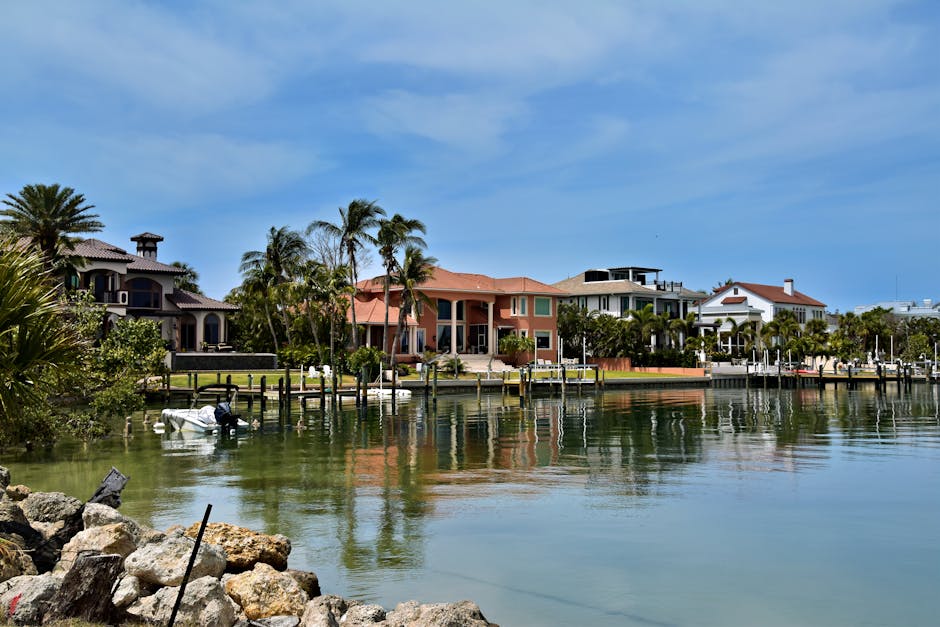
The Current State of Premium Inventory in Tampa
Tampa’s high-end real estate sector continues to mature, advancing beyond sudden demand spikes into a sustained period of structural growth. We are observing a calculated shift in how affluent buyers approach acquisitions in the region, prioritizing long-term asset stability over immediate, emotional purchases. With active premium inventory currently hovering around one hundred and twenty properties, the market presents a constrained but highly curated selection of estates. The median list price now sits at two and a half million dollars, establishing a firm baseline for premier properties across the area.
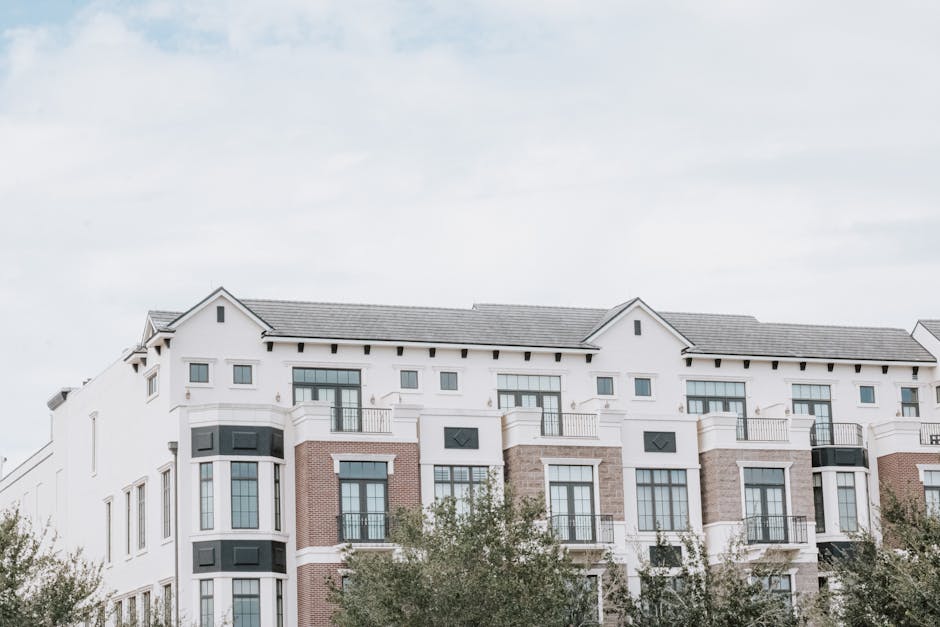
This stabilization reflects a broader national trend where elite markets recalibrate, yet Tampa distinguishes itself through consistent corporate relocation and wealth migration. Buyers entering the market today are highly analytical, evaluating every aspect of a property. They expect estates to offer seamless integration of advanced infrastructure, climate-resilient construction, and immediate access to primary commercial hubs. With average list prices exceeding three million dollars, sellers must deliver flawless residences; deferred maintenance or dated aesthetics are swiftly penalized by extended days on market and downward price adjustments.
Furthermore, the region is witnessing the emergence of ultra-luxury listings that test historical pricing ceilings. Estates featuring expansive deep-water dockage, extensive privacy, and substantial acreage are setting new benchmarks. As reported by the Wall Street Journal, new construction compounds are occasionally commanding nine-figure asking prices, a phenomenon that alters the comparative landscape for the entire region. This upward pressure necessitates that buyers rely heavily on hyper-local transaction data to discern fair market value from purely speculative pricing models.
Neighborhood Dynamics and Coastal Proximity
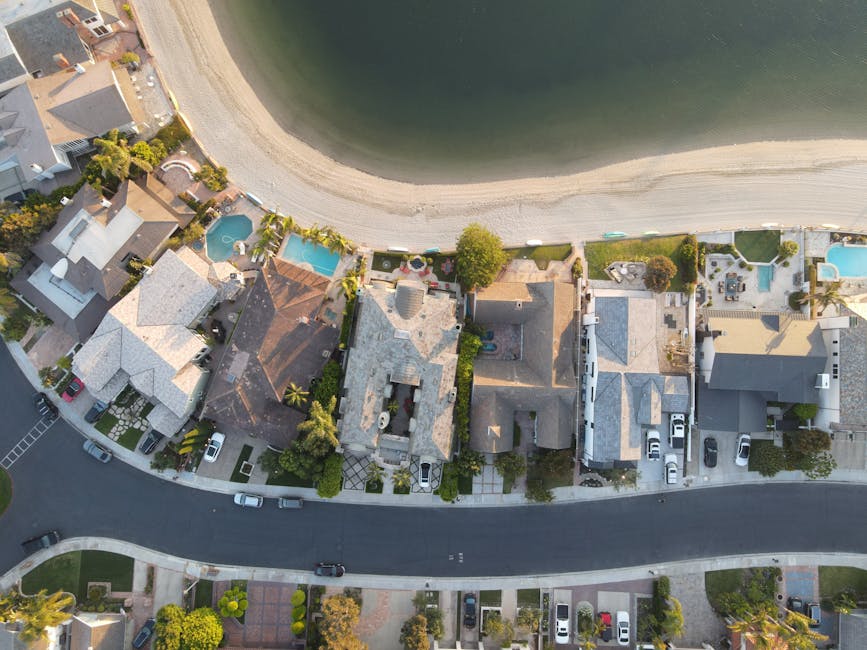
The geographic preferences of high-net-worth buyers in Tampa remain securely anchored to established enclaves, yet the exact criteria for neighborhood selection are tightening. Davis Islands and Hyde Park continue to capture the highest volume of premium transactions. These areas offer the dual advantage of historic architectural significance and immediate proximity to downtown commercial districts. However, limited land availability in these established sectors means that buyers often face a choice between undertaking substantial renovations on legacy structures or paying a significant premium for recently completed custom builds.
Coastal and waterfront properties are experiencing particularly intense demand across the region. As noted by The National Law Review, waterfront acreage has solidified its position as the primary driver of top-tier valuations. Buyers are heavily scrutinizing sea-wall integrity, elevation metrics, and navigable water depths. Properties offering unimpeded access to the Gulf of Mexico, free from the hindrance of fixed bridges, consistently command the most aggressive offers and the shortest market exposure times.
For those expanding their search parameters, neighborhoods such as Beach Park and Palma Ceia provide compelling alternatives. These districts provide generous lot sizes and mature oak canopies, appealing to buyers who prioritize substantial privacy over direct water frontage. The architectural landscape in these areas is shifting rapidly, with modern transitional designs replacing older, functionally obsolete homes. When you begin to browse our current luxury homes for sale, understanding the nuanced differences in zoning, flood maps, and architectural review boards between these adjacent neighborhoods is essential for a sound acquisition strategy.
Evaluating the Vertical Luxury Sector
Tampa’s skyline has transformed, signaling a definitive shift in how premium real estate is delivered within the urban core. High-rise condominium living, once a secondary consideration for affluent buyers in this specific market, has now become a primary target. The appeal lies heavily in the frictionless ownership experience, characterized by comprehensive concierge services, enhanced security protocols, and immediate access to the cultural amenities of the Water Street and Channel District areas. Buyers are no longer viewing condos as mere secondary residences; they are acquiring expansive, full-floor penthouses as their primary homes.
Despite this rapid growth, the vertical sector is still developing its long-term identity. Tampa Bay Business & Wealth notes that the city remains an early-stage luxury condo market when compared to older metropolitan areas. This presents a strategic window for buyers to secure premium units before the next phase of high-density development permanently alters pricing tiers. Assessing these properties requires careful analysis of association reserves, planned special assessments, and the long-term viability of the building’s management firm.
Furthermore, the architectural execution of these towers is under intense scrutiny from prospective owners. Buyers demand sophisticated floor plans that rival the square footage of single-family homes, complete with private elevator foyers, secondary catering kitchens, and expansive terraces designed for year-round indoor-outdoor living. The differential between entry-level luxury condos and true ultra-luxury units often comes down to sound attenuation, ceiling heights, and the exclusivity of the amenity deck. Evaluating these subtle but critical factors separates a standard purchase from a strategic long-term hold.
Strategic Acquisition and Verification Protocols
Acquiring premium real estate in a coastal environment necessitates a rigorous and uncompromising due diligence process. The margin for error when transacting at multi-million dollar price points is nonexistent. Buyers must look past the immediate aesthetic appeal of a property and conduct a forensic examination of its structural and mechanical integrity. This is particularly crucial for legacy estates in South Tampa, where historic charm can sometimes mask substantial foundational or systemic deficiencies that require immediate capital expenditure.
A comprehensive acquisition strategy relies heavily on expert evaluation across several highly specialized domains. Engaging independent specialists rather than relying solely on standard residential inspections is a necessary protocol for sophisticated buyers. Ensure your evaluation process incorporates the following essential verifications before removing contingencies:
- Comprehensive structural engineering assessments focusing on foundational settling and load-bearing integrity.
- Specialized evaluation of seawall condition, submerged tie-backs, and immediate dredging requirements for waterfront parcels.
- Thorough review of current FEMA flood zone designations and the corresponding impact on long-term insurance premiums.
- Verification of roof age, construction materials, and strict adherence to the latest hurricane wind-load specifications.
- Detailed analysis of mechanical, electrical, and plumbing systems, emphasizing the integration of complex smart home technologies.
- Review of municipal zoning overlays, setback requirements, and historic preservation board restrictions affecting future modifications.
Executing these steps methodically mitigates risk and provides critical leverage during the negotiation phase. Understanding the true cost of bringing a property up to current exacting standards ensures that the final acquisition price reflects the asset’s actual market value, rather than merely the seller’s initial expectations.
Macro-Economic Drivers and Market Resilience
The resilience of the Tampa real estate sector is intrinsically linked to robust economic fundamentals rather than speculative momentum. Corporate relocations, particularly within the technology, specialized finance, and advanced healthcare sectors, continue to drive sustained demand for executive-level housing. This steady influx of high-earning professionals creates a solid floor for property valuations, insulating the region from some of the volatility experienced in other national markets. The economic diversification of the region ensures that housing demand is not overly reliant on the performance of any single industry.
According to thorough analysis by Florida Trend, the commercial and residential sectors in the state are exhibiting synchronized, sustained growth. As corporate footprints expand rapidly in downtown Tampa and the Westshore business district, executives are actively seeking primary residences that minimize commute times while maximizing lifestyle amenities. This direct correlation between commercial expansion and high-end residential demand underscores the absolute necessity of moving decisively when premium properties that meet these criteria enter the open market.
Furthermore, the favorable tax environment continues to be a primary catalyst for capital migration into the area. High-net-worth individuals relocating from heavy-tax jurisdictions are recalibrating their purchasing power, often allocating significantly larger budgets to their primary residence acquisitions. This structural shift in the buyer demographic means that local market history is becoming less predictive of future pricing thresholds. Strategic buyers must analyze current transaction data and forward-looking economic indicators to accurately gauge the market’s trajectory.
Integrating Lifestyle Factors into the Acquisition Strategy
Beyond the physical attributes of the property itself, the surrounding infrastructure and access to premium lifestyle amenities dictate the long-term desirability of a location. Tampa’s cultural and culinary scenes have elevated significantly, matching the precise expectations of an increasingly cosmopolitan resident base. Immediate proximity to Michelin-starred dining, private aviation facilities at Tampa International Airport, and exclusive social clubs heavily influences neighborhood valuations. Buyers are purchasing access to a curated ecosystem just as much as they are buying a physical structure.
Weekend accessibility and event logistics also play a subtle but important role in strategic neighborhood selection. The frequency of high-profile events, concerts, and festivals downtown requires buyers to consider traffic patterns and ease of daily movement. For instance, understanding the flow of activity around major venues can heavily impact the appeal of specific condo developments or townhome communities. While local event schedules provide a dynamic atmosphere, navigating the associated congestion necessitates strategic property location—often making private enclaves with alternative access routes highly sought after.
Educational infrastructure remains a completely non-negotiable metric for many affluent families entering the market. The proximity to top-tier private preparatory schools often draws strict geographical boundaries around where buyers are willing to concentrate their search. Properties situated within these highly coveted micro-neighborhoods experience significantly lower turnover rates and consistently appreciate at an accelerated pace compared to the broader market. Factoring these lifestyle and logistical elements into the initial search parameters streamlines the acquisition process and ensures total alignment with long-term familial goals.
Positioning Your Offer in a Competitive Landscape
Success in the current market environment demands a transition from passive observation to precise, well-orchestrated action. The limited inventory of truly exceptional homes means that buyers must be fully positioned to execute a transaction the exact moment a suitable property is identified. This preparation extends far beyond merely having proof of funds; it involves assembling a trusted, cohesive team of advisors, legal counsel, and inspectors who can mobilize immediately. Delaying these structural preparations almost always results in losing highly desirable assets to more organized competitors.
Navigating the nuances of off-market listings and private networks is also critical for a successful acquisition. A significant portion of top-tier transactions in Tampa occur entirely outside of the public MLS view. Sellers of ultra-luxury estates often prefer the discretion of private sales to avoid public foot traffic and maintain strict privacy. Gaining access to this shadow inventory requires working with established advisors who maintain deep, long-standing relationships within the local brokerage community and can match specific buyer requirements with quiet listings.
Ultimately, securing the right property requires an advisor who provides unfiltered, data-driven counsel rather than high-pressure sales tactics. The focus must remain steadfastly on asset quality, proper valuation, and seamless execution. To discuss your specific acquisition parameters and begin formulating a tailored strategy, contact our advisory team directly. We provide the discrete, analytical guidance required to navigate Tampa’s premium real estate landscape with absolute confidence and clarity.
Your next move in Tampa luxury
Get current inventory, pricing guidance, and private-tour support from our brokerage team.
Source highlights
- Tampa’s Price Record Is $22.5 Million. This Huge Estate Is Asking $115 Million. – WSJ
- Tampa Bay’s most expensive luxury home sales of 2025 – Tampa Bay Times
- Tampa Bay luxury market grows stronger despite national declines – The Business Journals
- Why Tampa remains an early-stage luxury condo market – Tampa Bay Business & Wealth
- Florida Trend Real Estate – Florida Trend
- Tampa Bay’s Waterfront Emerges as a Primary Luxury Real Estate Market – The National Law Review
- Tampa weekend events: Concerts, festivals and downtown family fun — What to know before you go – FOX 13 Tampa Bay
- From Blues to BBQ: Tampa’s can’t-miss events this weekend – WMNF 88.5 FM



