


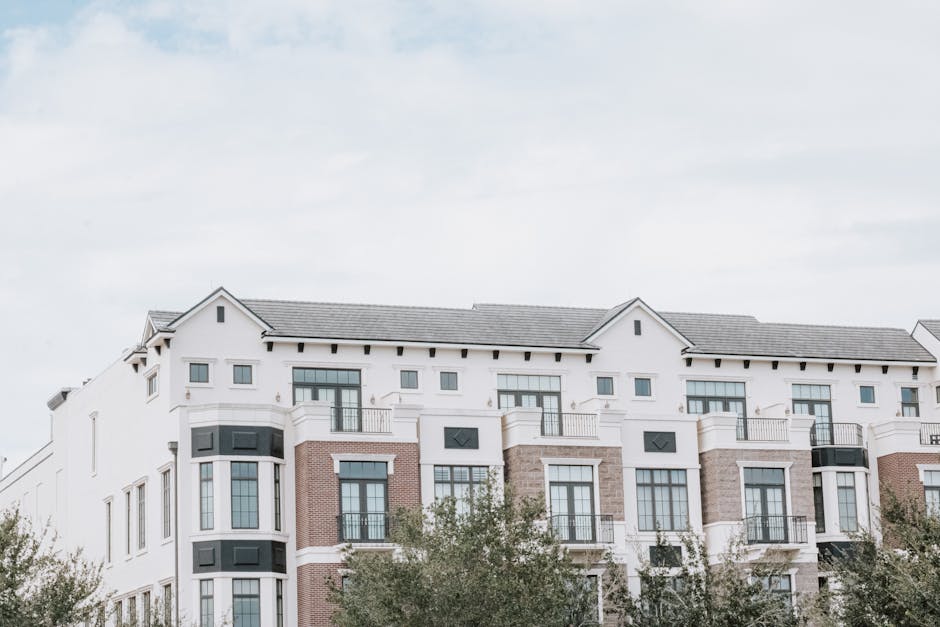
The Maturation of Tampa High-End Inventory
Tampa is currently undergoing a structural transformation in its residential landscape. For decades, the region was categorized as a secondary or seasonal market, often overshadowed by the high-volume activity of South Florida. Today, data suggests a fundamental shift toward primary market status. This evolution is punctuated by the recent entry of a record-breaking estate asking $115 million, as reported by the Wall Street Journal. While the city’s previous price record stood at $22.5 million, the presence of nine-figure listings indicates a new ceiling for local valuations and an influx of global ultra-high-net-worth capital.
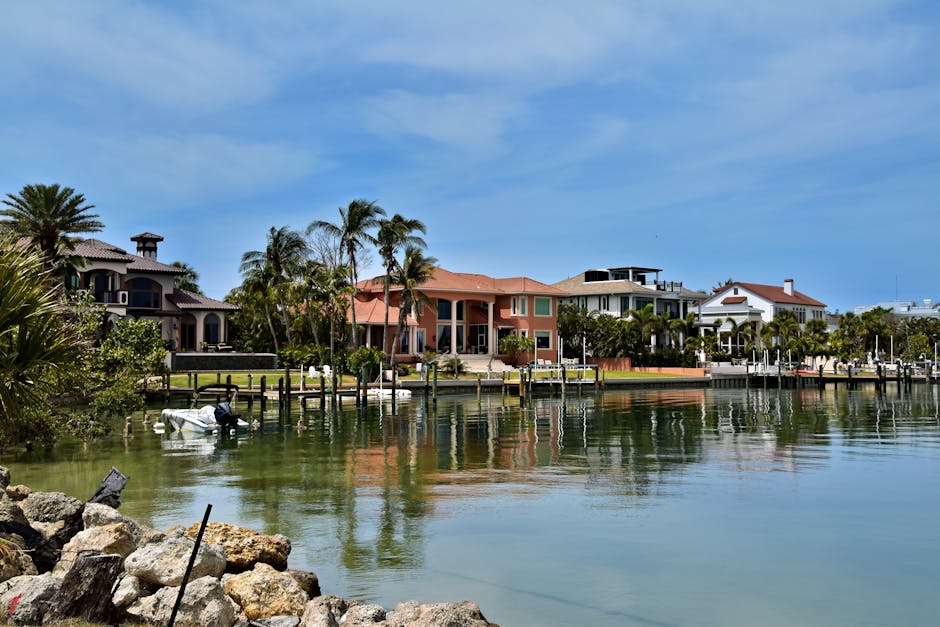
Current market metrics reflect this maturation. With 120 active luxury listings and a median list price of $2,500,000, the inventory is increasingly concentrated in high-specification new builds and meticulously restored historic estates. Buyers are no longer seeking mere vacation outposts; they are looking for comprehensive primary residences that offer the same level of architectural merit and utility found in established hubs like New York or London. This demand for permanence is driving developers to prioritize larger floor plans, integrated wellness suites, and advanced home automation systems that were once considered outliers in the local market.
The average list price in the luxury sector now sits at approximately $3,308,129, reflecting a consistent upward trajectory even as other national markets experience cooling periods. This resilience is attributed to a combination of net migration trends and a relative scarcity of prime land in highly desirable neighborhoods. For the sophisticated buyer, the current window represents a period of stabilization where quality is the primary differentiator. Assessing the longevity of these valuations requires a move beyond surface-level aesthetics and into an analysis of lot value, construction quality, and neighborhood density.
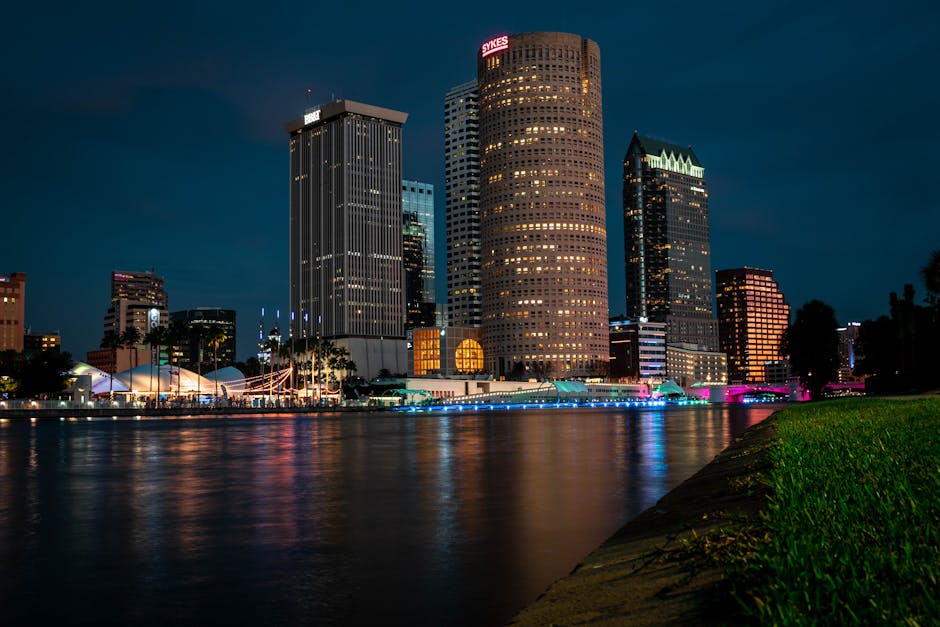
Strategic Indicators in a Resistant Local Economy
While national headlines often focus on volatility, the Tampa Bay luxury market has demonstrated remarkable strength. According to The Business Journals, the region continues to grow stronger despite broader economic declines. This divergence is largely due to the diversification of the local economy. The expansion of the medical, technology, and financial services sectors has created a stable base of local executive demand, reducing the market’s reliance on speculative out-of-state buyers. This shift provides a layer of protection against the boom-and-bust cycles that characterized previous decades.
Inventory management has become a critical skill for buyers in this environment. The current count of 120 properties represents a competitive but manageable selection. Properties that are priced correctly and feature high-quality finishes move quickly, while those with aspirational pricing or deferred maintenance remain static. This creates a bifurcated market where the gap between ‘good’ and ‘exceptional’ assets is widening. Advisors now focus on identifying properties that offer intrinsic value—such as oversized lots on Davis Islands or historic significance in Hyde Park—which historically hold their value better during market shifts.
The entry of institutional capital into the luxury residential space also serves as a stabilizing force. Major developments in the downtown core and the surrounding waterfront have brought a level of urban sophistication that was previously lacking. These projects are not just adding units; they are creating ecosystems that include high-end retail, Michelin-recognized dining, and professional-grade services. For a buyer, this means that the lifestyle value of a Tampa acquisition is no longer confined to the property lines but extends to the immediate neighborhood infrastructure.
The Waterfront Premium and Primary Residence Conversion
Waterfront assets remain the cornerstone of the Tampa luxury market, but the nature of these acquisitions is changing. As highlighted by The National Law Review, Tampa’s waterfront is emerging as a primary luxury real estate market on a national scale. This transition is marked by a shift from smaller, older cottages to expansive estates designed for year-round living. Modern waterfront buyers are prioritizing elevation, storm-resistant construction, and deep-water access for larger vessels, reflecting a more serious commitment to the region’s coastal lifestyle.
Valuing these properties requires a technical understanding of riparian rights and coastal construction codes. Buyers are increasingly scrutinizing seawall integrity, dockage capacity, and FEMA compliance. In neighborhoods like Snell Isle or Beach Park, the value of the land often rivals or exceeds the value of the structure itself. This trend is leading to a cycle of ‘buy-and-build’ where older structures are removed to make way for custom estates that meet contemporary standards for luxury and resilience. This reinvestment in the land is a strong indicator of long-term confidence in the waterfront sector.
The conversion of seasonal residences into primary homes has also increased demand for properties that offer privacy without isolation. Gated estates or properties situated on quiet cul-de-sacs are commanding higher premiums. Buyers are looking for layouts that accommodate home offices, guest quarters, and extensive indoor-outdoor entertaining spaces. The goal is to create a self-contained environment that serves all the needs of a modern family, further cementing Tampa’s role as a destination for permanent relocation rather than temporary residence.
Checklist: Essential Diligence for High-Value Acquisitions
- Verify elevation certificates and current FEMA flood zone designations to ensure long-term insurability.
- Inspect seawall and dockage infrastructure with a specialized marine engineer before closing on waterfront assets.
- Analyze neighborhood-level sales data over a 24-month period to distinguish between market momentum and isolated outliers.
- Evaluate the quality of recent renovations to ensure they meet the standards for luxury construction and building codes.
- Assess proximity to private aviation facilities and emerging urban nodes like Water Street for long-term lifestyle utility.
- Review any existing neighborhood deed restrictions or historical preservation guidelines that may impact future modifications.
Navigating the Early-Stage Luxury Condo Sector
Tampa’s luxury condominium market is in its early stages of development compared to its peers. As noted by Tampa Bay Business & Wealth, this sector offers a unique entry point for buyers who prefer the security and amenities of vertical living over a traditional estate. The current pipeline of projects is focused on bringing a level of service—concierge, private dining, and integrated wellness—that was previously unavailable in the local market. For those looking to downsize from a larger home or maintain a low-maintenance primary base, the condo market is becoming an increasingly viable option.
However, the condo market requires a different analytical approach. Buyers must evaluate the reputation of the developer, the long-term viability of the HOA, and the exclusivity of the amenities. In an early-stage market, not all projects are created equal. The most successful developments are those that integrate seamlessly with the surrounding neighborhood while offering views and features that cannot be replicated. Locations along Bayshore Boulevard or within the Water Street district are currently setting the pace for this sector, commanding prices per square foot that reflect their premium positioning.
Resale value in the condo sector is heavily dependent on the scarcity of the unit type. Penthouses and units with unobstructed views of Hillsborough Bay are seeing the highest levels of appreciation. As more supply enters the market, the focus will shift toward the quality of the management and the level of service provided. For the advisor, the task is to identify buildings that are managed to a standard that will sustain their value as newer competition arises. This requires a deep dive into the building’s reserves, staff-to-resident ratios, and historical maintenance records.
Area Analysis: Beyond the Shoreline
While the waterfront dominates the headlines, several inland neighborhoods are providing compelling alternatives for the discerning buyer. Hyde Park remains one of the most sought-after areas due to its walkability and historic charm. The demand here is driven by a desire for a traditional neighborhood feel paired with immediate access to high-end retail and dining. Properties in Hyde Park often feature a blend of classic architecture and modern interiors, appealing to those who value character over contemporary minimalism. The lack of available land in this area ensures that inventory remains tight and prices remain firm.
Further west, neighborhoods like Beach Park and Culbreath Isles offer a more suburban feel with larger lot sizes and a greater emphasis on privacy. These areas are popular with families who require more space but still want to be within a short commute of the city’s business centers. The architectural styles in these neighborhoods are diverse, ranging from Mediterranean Revival to sleek Modern. This variety allows buyers to find a home that reflects their personal aesthetic while still participating in a stable and prestigious market. Inventory here is often tightly held, with many transactions occurring off-market through private networks.
The emerging district of Water Street is also redefining what it means to live ‘high-end’ in Tampa. This multi-phase development is creating a new urban core that emphasizes sustainability, wellness, and connectivity. For the first time, Tampa has a truly walkable urban luxury option that rivals the offerings of much larger cities. The success of this district is a testament to the city’s ability to attract and execute large-scale, sophisticated projects. It serves as a blueprint for future development and a magnet for the next generation of luxury buyers who prioritize urban convenience over suburban sprawl.
Operational Realities: Traffic, Events, and Local Rhythm
Living in a maturing primary market comes with operational considerations that buyers must understand. As the city grows, managing local logistics becomes part of the luxury experience. The Fox 13 Tampa Bay weekend event guides highlight a busy schedule of festivals, concerts, and family events that contribute to the city’s cultural richness. However, these events also impact local traffic and accessibility, particularly in the downtown and waterfront areas. Understanding the rhythm of the city—when to travel and how to navigate around major events—is essential for maintaining a seamless lifestyle.
The city’s infrastructure is evolving to keep pace with this growth. Recent traffic advisories from the City of Tampa often detail projects designed to improve connectivity and manage the influx of residents. For a luxury buyer, proximity to key corridors is a double-edged sword: it provides convenience but can also bring noise and congestion. This is why site selection is so critical. An advisor must understand the city’s long-term master plan to help clients choose locations that will benefit from improvements without being negatively impacted by the construction process. This forward-looking perspective is what separates a transactional agent from a strategic advisor.
Ultimately, the Tampa luxury market is no longer a niche sector but a robust and primary destination for those seeking a high-quality lifestyle in a resilient economy. The combination of record-setting estates, a maturing urban core, and a stable base of local demand creates a compelling case for investment. Whether you are seeking a historic estate in Hyde Park or a modern penthouse in Water Street, the key is to approach the market with a technical mindset and a clear understanding of the local nuances. The transition is well underway, and the opportunities for those who understand the data are significant.
Success in the Tampa luxury market requires more than just a search for a residence; it requires a strategic partner who understands the neighborhood-level shifts and architectural nuances that drive long-term value. Whether you are evaluating a waterfront acquisition on Davis Islands or a vertical estate in the downtown core, our team provides the analytical depth and local insight necessary to make an informed decision. We invite you to explore our curated selection of properties to understand the current standard of excellence in the region. When you are ready to discuss your specific requirements and receive a private market briefing, please connect with a senior advisor through our office.
Browse Luxury Listings | Connect with an Advisor
Your next move in Tampa luxury
Get current inventory, pricing guidance, and private-tour support from our brokerage team.
Source highlights
- Tampa’s Price Record Is $22.5 Million. This Huge Estate Is Asking $115 Million. – WSJ
- Tampa Bay’s most expensive luxury home sales of 2025 – Tampa Bay Times
- Tampa Bay luxury market grows stronger despite national declines – The Business Journals
- Why Tampa remains an early-stage luxury condo market – Tampa Bay Business & Wealth
- Tampa Bay’s Waterfront Emerges as a Primary Luxury Real Estate Market – The National Law Review
- Florida Trend Real Estate – Florida Trend
- Tampa weekend events: Concerts, festivals and downtown family fun — What to know before you go – FOX 13 Tampa Bay
- From Blues to BBQ: Tampa’s can’t-miss events this weekend – WMNF 88.5 FM



