


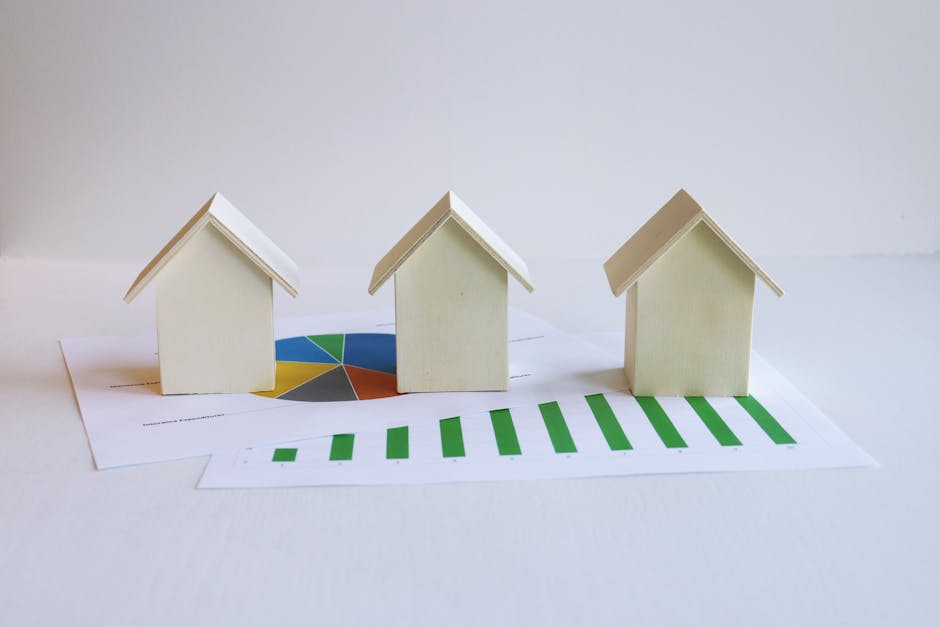
The Maturity of the Tampa Luxury Sector
The Tampa luxury real estate market has undergone a fundamental transformation over the last several quarters, transitioning from a region characterized by seasonal acquisition to one defined by primary residence stability. With a median list price currently holding steady at $2,500,000 for high-end properties, the floor for what constitutes a luxury asset has effectively reset. This shift is not merely a byproduct of inflation but a reflection of the significant capital migration from high-tax jurisdictions in the Northeast and Midwest. Buyers are no longer looking for temporary vacation outposts; they are seeking legacy assets that provide both long-term utility and capital preservation.

Data indicates that the active luxury inventory remains lean, with approximately 120 properties currently available for discerning buyers. This scarcity has created a sophisticated environment where the value of a property is increasingly tied to its proximity to established infrastructure rather than speculative growth. Recent reports suggest that mortgage rates have settled near 6.09%, which, combined with new construction supply, has provided a more predictable framework for financing these high-value transactions. For the private advisor, this environment requires a move away from generic market commentary toward highly specific neighborhood analysis.
As we navigate the middle of 2026, the distinction between ‘luxury’ and ‘ultra-luxury’ has become more pronounced. While the $2.5 million price point remains a high-volume segment, the upper echelon of the market continues to test new boundaries. Observations from the previous year show that Tampa Bay’s most expensive luxury home sales of 2025 set a high bar for property valuations, forcing sellers to justify premiums through exceptional design, smart-home integration, and uncompromising privacy features.
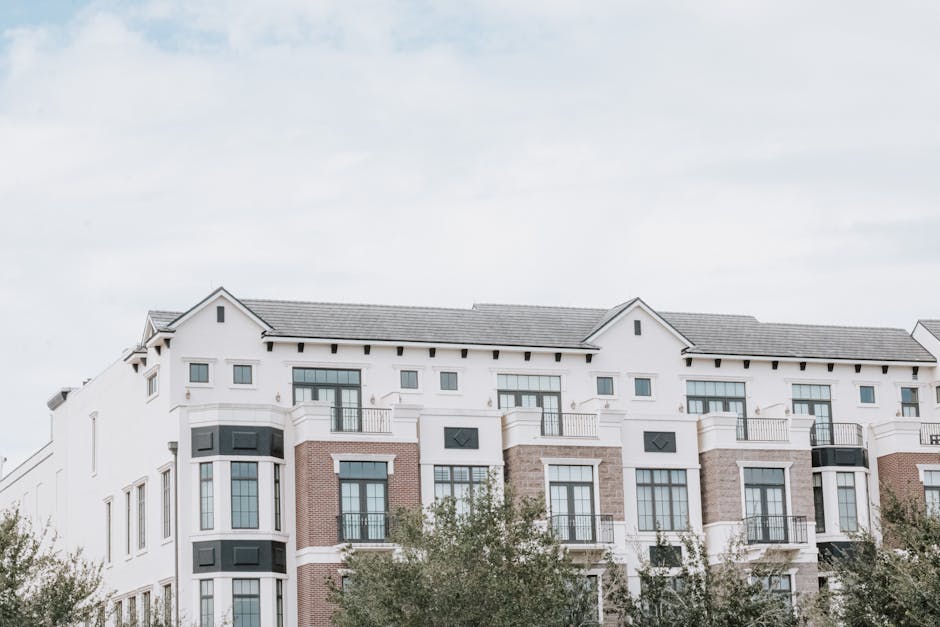
Waterfront Assets as Primary Residences
The geography of Tampa continues to dictate the terms of premium acquisition, with waterfront parcels remaining the most resilient asset class. The emergence of the waterfront as a primary market is a notable trend that has shifted focus toward neighborhoods like Davis Islands and Beach Park. Buyers in this segment are prioritizing deep-water access for larger vessels and expansive views that offer a sense of seclusion despite being minutes from the central business district. The strategic value of these properties lies in their limited supply; there is no way to replicate the coastal frontage of Old Tampa Bay or the Hillsborough Bay.
Analysis from legal and real estate experts highlights that Tampa Bay’s waterfront has emerged as a primary luxury real estate market, a shift that brings with it new considerations for insurance, coastal construction standards, and long-term land use. Buyers are increasingly diligent about elevation certificates and the structural integrity of seawalls, recognizing that these ‘unseen’ assets are just as critical as the interior finishings. This technical approach to buying is a hallmark of the 2026 market, where emotional appeal is secondary to structural and legal verification.
Furthermore, the development of Water Street and the expansion of the downtown corridor have added a metropolitan dimension to waterfront living. High-rise residential towers now offer a lifestyle that mirrors the convenience of Manhattan or Miami but with the distinct, grounded character of the West Coast of Florida. This blend of urban utility and coastal leisure is a powerful draw for C-suite executives and entrepreneurs who require a seamless transition between their professional and personal environments. To understand the full scope of available opportunities, one must meticulously evaluate the current luxury homes for sale across these diverse waterfront contexts.
Inventory Constraints and the Supply-Demand Gap
Despite the recent influx of new construction, the demand for high-quality, move-in-ready homes continues to outpace supply. The average list price of over $3.3 million indicates that while there are entry-level luxury options, the bulk of the market is concentrated in a price bracket that demands perfection. Many buyers are opting to purchase land for custom builds when existing inventory fails to meet their specific architectural standards. This has led to a surge in high-value land sales in neighborhoods where older homes can be cleared for modern estates, such as those found on Troutwater Lane or near the Florida Avenue corridor.
The competition for these prime parcels is intense, often involving cash-heavy transactions and rapid closing timelines. Buyers who are not prepared to move quickly often find themselves priced out of the most desirable streets. This reality underscores the importance of having a local advisor who can provide off-market insights and early access to listings before they reach the broader public. In a market where only 120 luxury properties are active at any given time, every advantage counts. The current landscape is less about searching and more about positioning oneself to receive the right opportunities as they emerge.
Interestingly, the ceiling for Tampa real estate is being redefined by historic listings that dwarf previous records. While the current price record sits at $22.5 million, the market is watching closely as a huge estate is asking $115 million, a figure that would have been unthinkable a decade ago. This disparity between current records and asking prices suggests a market that is testing its limits and signaling its ambition on the global stage. It also highlights the necessity of accurate valuation and the avoidance of over-leveraging in a segment where pricing can be highly subjective.
Strategic Acquisition Checklist
Acquiring a high-value property in the current Tampa climate requires a disciplined approach to due diligence. The following checklist identifies the critical pillars of a successful luxury transaction:
- Verification of structural compliance with updated coastal construction codes and elevation requirements.
- Assessment of privacy infrastructure, including perimeter security, foliage density, and line-of-sight from neighboring parcels.
- Evaluation of smart-home integration levels and the scalability of existing technological systems.
- Review of historic neighborhood zoning changes and potential commercial encroachments.
- Analysis of resale velocity within the specific street or sub-neighborhood to ensure liquidity.
- Inspection of marine assets, including seawall integrity, dockage permits, and water depth at mean low tide.
Architecture and the New Design Ethos
The days of Mediterranean-revival dominance are fading, replaced by a preference for clean lines, organic materials, and a seamless connection between indoor and outdoor spaces. Modern buyers are looking for homes that reflect a sophisticated, understated elegance rather than overt displays of wealth. Floor-to-ceiling glass, natural stone finishes, and integrated wellness suites are now considered standard requirements for properties exceeding the $5 million mark. This evolution in taste is driving a renovation boom in older, established neighborhoods where the location is perfect but the architecture is dated.
Environmental sustainability and hurricane resilience have also become central to the design conversation. High-impact glass, backup power systems, and advanced drainage solutions are no longer optional add-ons but core features that savvy buyers demand. The integration of these elements into the aesthetic of the home—rather than treating them as industrial necessities—is what distinguishes the top-tier developers in the region. Buyers are increasingly aware that a home’s ability to withstand the Florida climate is a key component of its long-term value and insurance feasibility.
This shift is also reflected in the amenities that are winning over buyers today. Dedicated home offices with professional-grade acoustics, private screening rooms, and temperature-controlled wine galleries are essential for the modern lifestyle. The focus is on creating an environment that supports every aspect of a high-performance life, from business to leisure and health. Buyers are prioritizing functional luxury over purely decorative elements, seeking spaces that are as efficient as they are beautiful.
Community Dynamics and Weekend Logistics
Living in a luxury Tampa neighborhood is as much about the surrounding environment as it is about the home itself. The lifestyle is defined by easy access to world-class dining, cultural events, and outdoor recreation. On any given weekend, residents can be found enjoying festivals and downtown family fun, or navigating the logistical nuances of the city’s growing infrastructure. The ability to move efficiently between the quiet enclaves of Hyde Park or Culbreath Isles and the energetic core of the city is a major factor in property desirability.
Understanding the local event calendar is also vital for managing the logistics of luxury living. Major events can significantly impact traffic patterns and accessibility in waterfront areas, and residents must plan accordingly. This awareness of the city’s pulse is part of what makes a local advisor so valuable; they provide the context that a data report cannot. Whether it is knowing which streets to avoid during a downtown festival or identifying the best slip at a local marina, this ground-level knowledge is indispensable for a seamless transition into the community.
The cultural maturation of Tampa is further evidenced by the diversity of its events, from high-profile concerts to niche art exhibitions. This variety ensures that the region remains attractive to a broad demographic of affluent residents, from young families to retirees. The city is no longer just a place to live; it is a place to engage, grow, and contribute to a flourishing local economy. This sense of belonging and community investment is what ultimately anchors the luxury market, providing a level of stability that speculative markets lack.
Strategic Execution and Next Steps
Navigating the Tampa luxury market requires more than just capital; it requires a strategic mindset and an appreciation for the nuances of local neighborhood dynamics. As inventory remains tight and the quality of supply varies, the role of an expert advisor becomes paramount. Buyers must be prepared to move with precision, backed by data and a clear understanding of their long-term objectives. Whether your focus is on securing a primary waterfront estate or a sophisticated urban residence, the opportunities in this market are significant for those who are properly positioned.
The current environment of stable rates and steady demand suggests that the luxury sector will continue to provide a reliable venue for capital allocation through 2026. However, success is dependent on rigorous due diligence and a commitment to excellence in every aspect of the transaction. We invite you to contact an advisor today to discuss your specific requirements and gain access to a curated selection of the region’s most exclusive properties. By aligning your goals with professional market insights, you can ensure that your next acquisition is not just a residence, but a strategic cornerstone of your portfolio.
Your next move in Tampa luxury
Get current inventory, pricing guidance, and private-tour support from our brokerage team.
Source highlights
- Tampa’s Price Record Is $22.5 Million. This Huge Estate Is Asking $115 Million. – WSJ
- Tampa Bay’s most expensive luxury home sales of 2025 – Tampa Bay Times
- Sarasota developer proposes 300 single-family homes in Lakewood Ranch – The Business Journals
- Mortgage rates fall to 6.09% as new construction lifts Tampa supply – Tampa Bay Business & Wealth
- Tampa Bay’s Waterfront Emerges as a Primary Luxury Real Estate Market – The National Law Review
- Carbon-Copy Luxury Is Out. These Are the Design Touches Winning Home Buyers Over. – Mansion Global
- Tampa weekend events: Concerts, festivals and downtown family fun — What to know before you go – FOX 13 Tampa Bay
- From Blues to BBQ: Tampa’s can’t-miss events this weekend – WMNF 88.5 FM



