


The Decoupling of Tampa’s Luxury Sector from National Trends
While national headlines often generalize a cooling trend in the broader housing market, the Tampa luxury sector continues to demonstrate a unique resilience. Data suggests that local inventory is moving with a velocity that contradicts the stagnation seen in other high-growth hubs. This resilience is largely driven by a sustained migration of high-net-worth individuals who are no longer viewing the region as a seasonal retreat but as a primary base for capital allocation. The underlying strength of the market is reflected in how Tampa Bay’s luxury market grows stronger despite national declines, signaling a structural shift in how the region is valued by sophisticated investors.
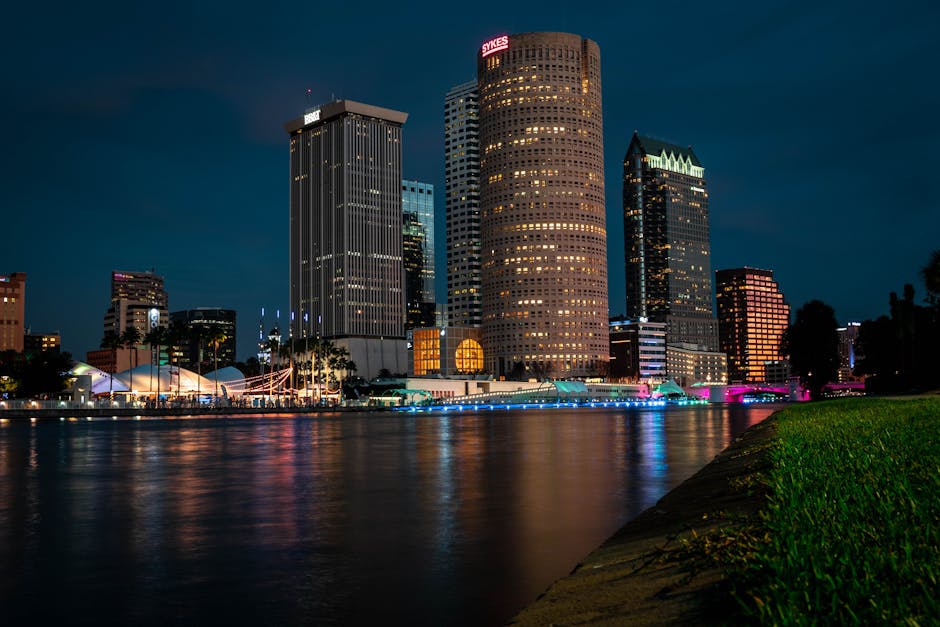
The current landscape features approximately 120 active luxury listings, with a median list price hovering around $2,500,000. This stabilization in inventory provides a more balanced environment for buyers to perform comprehensive due diligence without the frantic pressure of previous cycles. However, the scarcity of truly exceptional assets—specifically those with significant acreage or modernized waterfront infrastructure—maintains a firm floor on pricing. Analytical buyers are focusing on the intrinsic value of the land and the replacement cost of high-specification builds in areas like Beach Park and Culbreath Isles, where lot sizes allow for a level of privacy that is becoming increasingly difficult to secure.
Sophisticated market participants are observing that the ‘buy-and-hold’ mentality has replaced the speculative flipping seen in previous years. This shift indicates a maturing market where property is viewed as a long-term hedge against inflation and a foundational component of a diversified portfolio. The entrance of institutional wealth and the relocation of corporate headquarters to the downtown core have further anchored the residential market. Consequently, the price discovery process is now based on tangible lifestyle infrastructure rather than purely emotional aesthetic appeal.
The Waterfront as a Primary Residence Asset Class
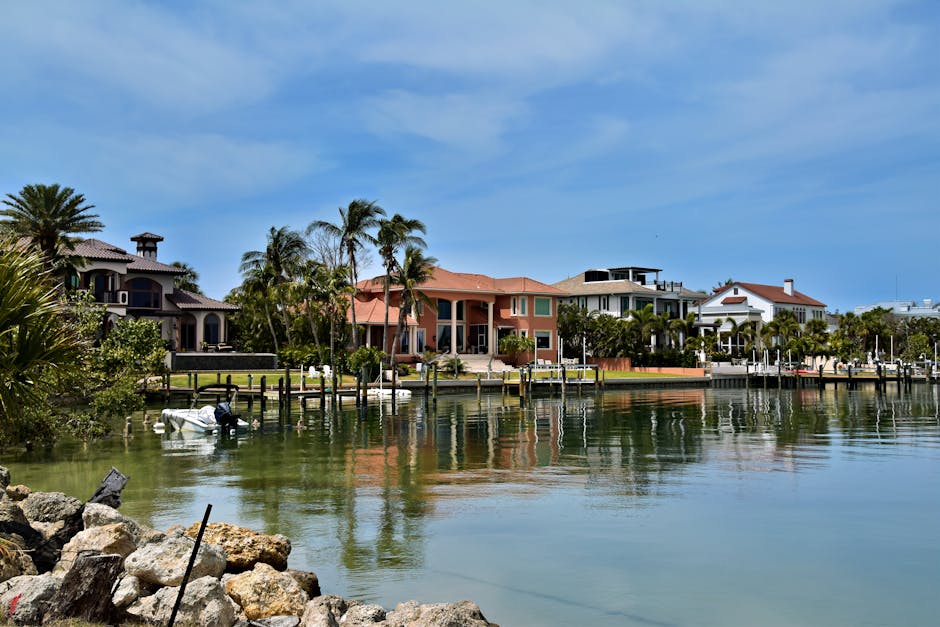
The definition of waterfront living in Tampa has undergone a significant transformation. Previously categorized as secondary or vacation assets, waterfront properties in Davis Islands and along Bayshore Boulevard are now functioning as primary residences for global executives and business owners. This evolution requires a different set of criteria during the acquisition phase, as these homes must now accommodate full-time operational needs, from high-security home offices to expansive family layouts. According to recent legal and architectural analysis, Tampa Bay’s waterfront emerges as a primary luxury real estate market, a trend that is unlikely to reverse given the infrastructure investments in the region.
For the senior buyer advisor, the focus has shifted toward the longevity of the structure and the resilience of the shoreline. Buyers are increasingly scrutinizing base flood elevations and the structural integrity of seawalls as part of their risk mitigation strategy. In neighborhoods like Snell Isle or the northern reaches of Westshore, the delta between older ‘tear-down’ stock and new, elevated construction is widening. This gap represents both a challenge for value assessment and an opportunity for those willing to undertake the complexities of custom development. The premium placed on ‘move-in ready’ coastal assets remains high, as the timeline for permitting and construction in sensitive environments continues to extend.
Furthermore, the behavioral profile of the waterfront buyer has shifted toward those seeking connectivity. The proximity to the urban core, combined with the exclusivity of riparian rights, creates a unique supply-demand imbalance. As more land is utilized, the value of the ‘front row’ view is increasingly decoupled from the square footage of the home itself. Investors should evaluate these properties through a lens of scarcity, noting that while the interior can be renovated, the geographic positioning and view corridor are non-replicable assets.
Analyzing the Early-Stage Luxury Condo Market
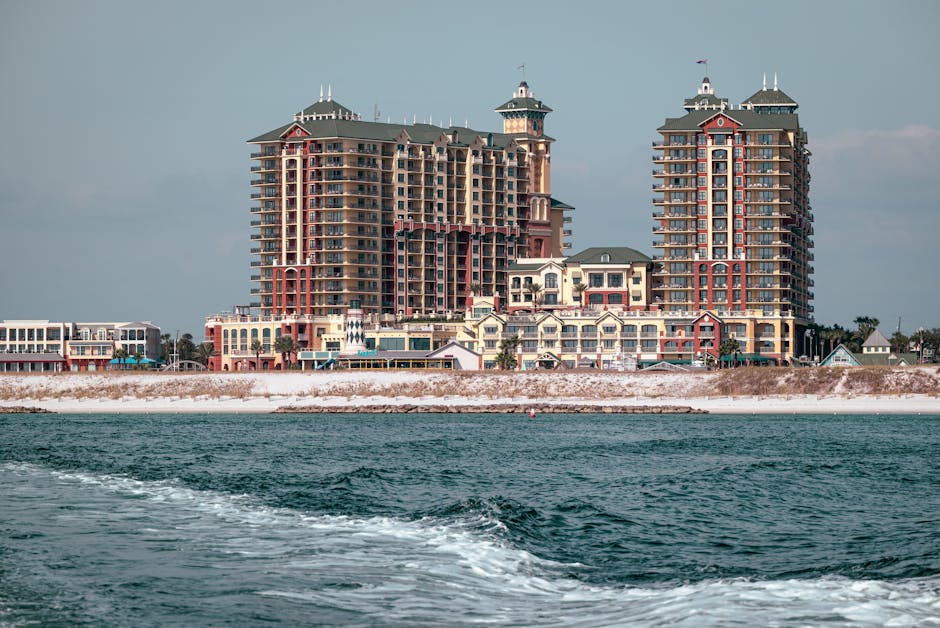
Tampa is currently in the initial phases of a sophisticated vertical living era. Unlike established markets in South Florida, the local high-rise sector is transitioning from standard residential towers to full-service, amenity-rich vertical estates. Developers are responding to a demand for ‘lock-and-leave’ convenience without sacrificing the scale of a single-family home. Industry experts have noted that Tampa remains an early-stage luxury condo market, which suggests that the upper ceiling for price-per-square-foot in the high-rise segment has yet to be fully realized.
Developments in the Water Street district and along the Westshore corridor are redefining the expectations for urban luxury. These projects are not merely residential buildings; they are integrated ecosystems featuring wellness centers, private concierge services, and curated retail components. For the affluent buyer, the decision to move vertical is often a choice for time-efficiency and security. High-rises offer a level of maintenance-free living that is particularly appealing to those who manage multiple properties globally. However, as the market matures, the differentiation between ‘luxury’ and ‘ultra-luxury’ will be determined by the ratio of staff-to-residents and the exclusivity of the building’s private social clubs.
From an investment standpoint, the early-stage nature of this market offers a window for capital appreciation that is less prevalent in saturated environments. Strategic buyers are looking at pre-construction opportunities in the Ritz-Carlton Residences or similar flagship projects where the brand association provides an additional layer of liquidity. It is essential to evaluate the developer’s track record and the long-term viability of the surrounding neighborhood infrastructure before committing to a vertical acquisition. The successful integration of residential, commercial, and green spaces in the downtown core is a critical indicator of future value stability in this sector.
Price Discovery and the Impact of Eight-Figure Listings
The recent introduction of record-breaking listings has initiated a new phase of price discovery in the Tampa area. When a singular estate enters the market with a valuation significantly higher than the previous local ceiling, it forces a recalibration of what constitutes ‘top-tier’ value. For instance, the news that Tampa’s price record is $22.5 million while a huge estate is asking $115 million illustrates the massive gap between past performance and current aspiration. While these extreme outliers may not represent the average luxury transaction, they effectively move the ‘valuation floor’ for all other high-end properties in the vicinity.
These trophy assets act as price anchors, particularly in the most exclusive pockets of the city. When a property is listed at a triple-digit million-dollar figure, it signals to the global market that Tampa has the capacity to sustain ultra-high-net-worth lifestyles. This attracts a new tier of international buyers who may have previously overlooked the Gulf Coast in favor of Palm Beach or Miami. The challenge for buyers in this environment is to distinguish between ‘aspirational pricing’ and ‘intrinsic value.’ A data-backed approach is required to determine if a property’s premium is justified by its land value, construction quality, and unique location, or if it is merely benefiting from the momentum of a few high-profile listings.
The role of the senior advisor in this context is to provide a reality check based on closed sales data rather than list price sentiment. While active inventory may show a median of $2.5 million, the truly bespoke estates are trading in a different atmosphere entirely. Understanding the nuances of private, off-market transactions is also critical, as many of the most significant sales are never publicly advertised. For those navigating this high-stakes environment, patience and a deep understanding of local neighborhood dynamics are the most valuable tools in the negotiation process.
Critical Due Diligence for High-Net-Worth Acquisitions
Acquiring a luxury asset in the current Tampa climate requires a more rigorous level of investigation than a standard residential purchase. The convergence of environmental factors, evolving insurance requirements, and complex building codes means that surface-level aesthetics are secondary to structural and legal integrity. A disciplined approach to the inspection period can save significant capital and prevent future litigation or maintenance burdens. Buyers should prioritize an analytical audit of the following areas during their consideration phase:
- Verification of Base Flood Elevation (BFE) and FEMA compliance for all coastal structures.
- Structural assessment of seawalls, docks, and riprap, including remaining life expectancy and replacement costs.
- Audit of HOA financial health, reserve studies, and any pending special assessments in high-rise or gated communities.
- Review of recent topographical surveys to ensure property lines and riparian rights are clearly defined.
- Evaluation of the existing insurance portfolio to determine the availability and cost of comprehensive coverage for high-value structures.
- Inspection of advanced building systems, including geothermal cooling, smart-home integration, and backup power redundancy.
Each of these points represents a potential liability or a long-term asset protection opportunity. For example, a home that is even a few feet above the required elevation can see significantly lower insurance premiums and better resale liquidity. Similarly, understanding the HOA’s history can reveal insights into the building’s management quality and the stability of the resident community. In the luxury sector, the details that are not visible during a walkthrough are often the ones that dictate the property’s long-term performance as an investment.
Neighborhood Dynamics: From Davis Islands to Hyde Park
Neighborhood selection in Tampa is less about proximity and more about the specific ‘micro-market’ dynamics that define each area. Davis Islands remains the pinnacle for those seeking deep-water access and a sense of secluded community, despite its proximity to the urban center. The area’s history of high-profile residents and large lot sizes ensures a consistent level of demand that outpaces supply. Conversely, Hyde Park offers a more historic, walkable luxury experience where the value is driven by architectural heritage and immediate access to upscale retail and dining. Understanding these nuances allows buyers to align their acquisition with their specific lifestyle and wealth preservation goals.
The expansion of the downtown core has also increased the desirability of neighborhoods that were previously considered secondary. The massive investment in infrastructure and public spaces has made areas adjacent to the Riverwalk increasingly attractive to younger affluent buyers who value connectivity. To understand the rhythm of these areas, it is often helpful to observe local activity; for instance, many residents engage with the city during Tampa weekend events such as concerts, festivals and downtown family fun, which highlights the social integration that modern luxury buyers now demand.
As the market evolves, we are also seeing the emergence of ‘lifestyle enclaves’ where the amenities are as important as the homes. These areas are defined by high-end fitness facilities, private schooling options, and a dense concentration of professional services. For the advisor, the task is to identify which of these neighborhoods are on an upward trajectory and which have reached their peak valuation. A careful analysis of zoning changes and planned commercial developments is necessary to ensure that the quiet residential character of a neighborhood will be preserved over the coming decade.
Strategic Capital Allocation in Current Market Conditions
Navigating the Tampa luxury market requires more than just a search for the right floor plan; it requires a strategy for capital allocation that accounts for local inventory levels and future economic shifts. With approximately 120 properties currently available, buyers have the leverage to be selective. The focus should be on acquiring assets with ‘defensive’ qualities—those that will maintain value regardless of broader market fluctuations. This includes properties in ‘triple-A’ locations, those with significant land value, and buildings that have been constructed to the highest modern standards of resiliency and efficiency.
Timing the market is less critical than identifying the right asset at a fair price. In the luxury sector, the cost of waiting for a minor price correction often exceeds the value of securing a unique property that may not come back on the market for another generation. Strategic buyers are currently looking for opportunities where they can add value through modernization or where the land itself is undervalued relative to the neighborhood’s growth potential. By reviewing the latest LISTINGS URL, investors can gain a clearer picture of the current inventory and where the most compelling opportunities reside.
The complexity of the current market demands a high level of professional guidance. An advisor who understands the intersection of construction, finance, and local market physics is essential for a successful transaction. Whether you are looking to acquire a primary waterfront estate or a vertical residence in the urban core, the goal is to make a decision based on data and long-term utility. To begin a confidential discussion regarding your specific requirements and to evaluate your options in the current inventory, please CONTACT URL an advisor today. Our team provides the analytical brief and neighborhood-level implications necessary to navigate the Tampa luxury market with confidence.
Your next move in Tampa luxury
Get current inventory, pricing guidance, and private-tour support from our brokerage team.
Source highlights
- Tampa’s Price Record Is $22.5 Million. This Huge Estate Is Asking $115 Million. – WSJ
- Tampa Bay’s most expensive luxury home sales of 2025 – Tampa Bay Times
- Tampa Bay luxury market grows stronger despite national declines – The Business Journals
- Why Tampa remains an early-stage luxury condo market – Tampa Bay Business & Wealth
- Tampa Bay’s Waterfront Emerges as a Primary Luxury Real Estate Market – The National Law Review
- Florida Trend Real Estate – Florida Trend
- Things to do with kids this weekend in Tampa, FL – That's So Tampa
- Tampa weekend events: Concerts, festivals and downtown family fun — What to know before you go – FOX 13 Tampa Bay



