



The Trajectory of Tampa’s Premium Real Estate
The high-end residential sector in Tampa has definitively transitioned from a secondary sunbelt destination to a primary market for significant capital deployment. Current data indicates an active luxury inventory characterized by a median list price of $2.5 million, with average list prices exceeding $3.2 million. This pricing architecture reflects a sustained influx of affluent buyers who require specific architectural standards and exacting locational attributes. Institutional knowledge of these micro-market fluctuations is essential for making informed acquisition decisions, as broad regional data rarely captures the nuanced realities of the upper tier.

Recent market activity underscores the shifting ceiling for premium assets. We are observing transactions that redefine historical models, driven by the introduction of ultra-luxury estates. As noted by the Wall Street Journal highlighting a record-seeking $115 million estate, and the Tampa Bay Times tracking the most expensive home sales, the upper echelon of the market demonstrates remarkable resilience. Buyers at this level are not merely purchasing shelter; they are acquiring strategic hard assets within a favorable tax jurisdiction.
This maturation requires a sophisticated approach to property evaluation. Buyers are prioritizing properties that require minimal immediate renovation, placing a substantial premium on turnkey estates designed by recognized architectural firms. The demand profile has shifted toward long-term stabilization rather than short-term speculative holding, necessitating a thorough analysis of how a property will function and appreciate over a decade or more. Understanding this foundational shift is the first step in formulating a successful acquisition strategy.
Assessing Waterfront Value and Structural Integrity
Waterfront properties consistently dictate the highest valuations within the region, particularly those situated along the prestigious Bayshore Boulevard or the deep-water canals of Davis Islands. The intrinsic value of these parcels is calculated not just by the square footage of the residence, but by the linear footage of water frontage and the quality of the navigational access. Direct, unencumbered routes to the open waters of the Gulf of Mexico, free from the height restrictions of fixed bridges, command significant premiums over standard waterfront lots.
The continued strength of this specific segment is well-documented. As detailed in The National Law Review regarding Tampa Bay’s waterfront emerging as a primary luxury real estate market, coastal positioning remains a dominant driver of upper-tier demand. However, assessing these properties requires specialized technical oversight. The aesthetic appeal of sweeping bay views must be balanced against the rigorous environmental and structural demands placed upon coastal architecture.
Evaluating coastal assets necessitates a granular review of the property’s defense mechanisms. The structural integrity and remaining useful life of seawalls, the exact topographical elevation relative to updated flood maps, and the adherence to modern, stringent wind-mitigation building codes are non-negotiable points of inspection. Older properties, while perhaps occupying prime geographic coordinates, often carry hidden liabilities that require substantial capital expenditure to modernize their structural resilience. Properly pricing these future liabilities into the initial acquisition offer is a critical function of sophisticated advisory.
South Tampa and the Demand for Walkable Enclaves
Moving inland, the established neighborhoods of South Tampa, such as Hyde Park and Parkland Estates, present a different set of valuation metrics. Here, pricing strength is maintained by artificial scarcity, mature tree canopies, and strict historical preservation overlays that limit high-density redevelopment. The appeal is deeply rooted in neighborhood pedigree and the proximity to high-end commercial corridors, private educational institutions, and exclusive social clubs.
Buyers in these specific enclaves often prioritize walkability and community cohesion over expansive lot sizes or deep-water access. The premium paid in these areas is for the localized lifestyle and the preservation of capital within highly stable, insulated micro-markets. Inventory in these highly sought-after pockets remains perpetually constrained, leading to a highly competitive environment when correctly priced, architecturally significant homes enter the market.
Because public inventory is often limited, acquiring prime property in South Tampa frequently relies on off-market channels and private networks. Transactions are regularly negotiated quietly, requiring buyers to be financially liquid and structurally prepared to execute contracts swiftly. Engaging an advisor with deep, historical roots in these specific neighborhoods is often the only mechanism for accessing the highest quality inventory before it syndicates to the broader public market.
Key Verification Points for High-Valuation Acquisitions
Executing a high-valuation transaction requires a framework of rigorous, unsentimental due diligence. The process must extend far beyond standard residential inspections to encompass complex structural, regulatory, and environmental evaluations. Aesthetic perfection often masks underlying functional obsolescence, making it imperative to deploy specialized inspectors who understand the unique systems native to large-scale estates.
Before committing capital, your advisory team must verify a specific set of parameters that directly impact both the immediate carrying costs and the long-term liquidity of the asset. Failing to accurately assess these variables can lead to significant, unforeseen expenditures that negatively impact the overall return on the investment. The following checkpoints should form the foundation of your acquisition due diligence.
- Confirm current flood zone designations and scrutinize existing elevation certificates to accurately model insurance liabilities.
- Audit the installation dates and maintenance records of major structural systems, specifically commercial-grade roofing materials and complex HVAC zones.
- Review historical municipal permitting for all major structural additions to ensure complete regulatory compliance and avoid inherited code violations.
- Assess specific marine infrastructure, including dock pilings, boat lift capacities, and precise draft depths at low tide.
- Examine neighborhood homeowners association covenants for architectural restrictions, security requirements, and lease limitations.
- Verify the property boundaries through a current, highly detailed topographical survey to identify any structural encroachments.
Deploying a specialized team of structural engineers and marine contractors to investigate these specific elements ensures that your capital is protected and that the asset will perform according to your long-term projections.
The Impact of Civic Amenities on Asset Appeal
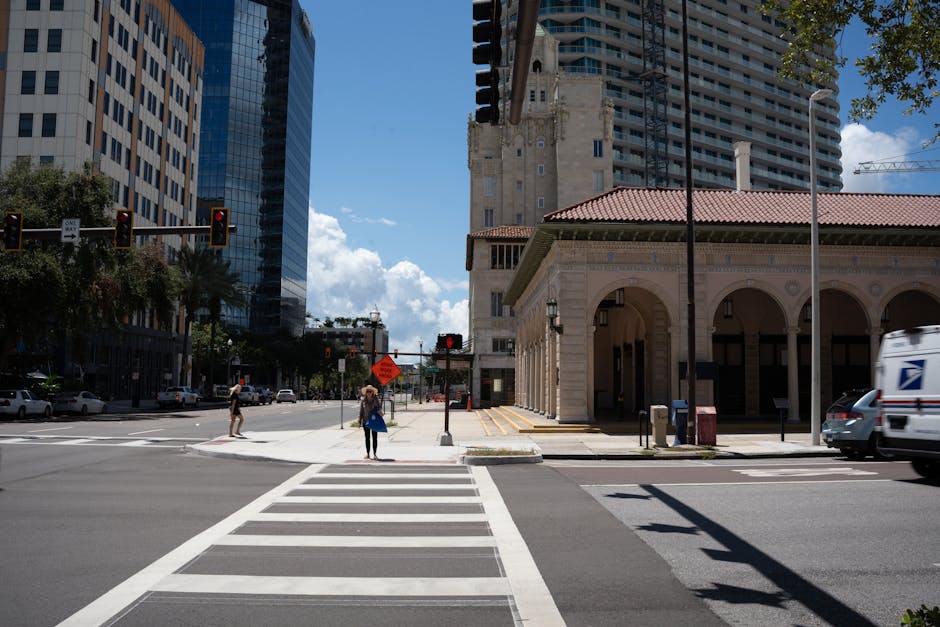
The broader cultural and civic infrastructure surrounding a property significantly influences its underlying valuation and long-term desirability. Tampa has invested heavily in developing a sophisticated urban core, enhancing the appeal of proximate residential neighborhoods. The ability to seamlessly transition from private residential isolation to high-level cultural engagements is a dynamic that affluent buyers consistently prioritize when selecting a primary or secondary residence.
The continuous schedule of high-caliber programming, civic gatherings, and cultural exhibitions contributes to the region’s overall magnetism. For instance, evaluating the flow of Tampa weekend events, downtown festivals, and public activities is part of understanding the lifestyle yield of a given location. Properties that offer immediate access to these amenities without suffering the friction of heavy traffic corridors maintain a distinct competitive advantage in the marketplace.
Consequently, neighborhoods positioned along optimal transit routes to the downtown cultural districts, the international airport, and major sporting venues experience sustained demand. When evaluating a potential acquisition, it is necessary to chart the logistical realities of daily movement. A property that offers exceptional architecture but requires arduous navigation to reach primary civic amenities will often see a drag on its long-term appreciation relative to more centrally located assets.
Navigating the Current Inventory
Operating effectively within the current market environment requires a clear, data-driven understanding of active inventory. With approximately 120 luxury properties currently available across the region, the market is selective rather than saturated. Properties that are meticulously maintained, appropriately updated, and priced in alignment with empirical comparable sales are transacting with predictable regularity. Conversely, assets burdened with deferred maintenance or aspirational pricing strategies are languishing, accumulating days on market and suffering subsequent price reductions.
Buyers must approach the available inventory with a calibrated perspective, avoiding the trap of comparing disparate asset classes. A newly constructed contemporary home on an inland lot cannot be directly evaluated against a structurally dated Mediterranean estate on open water. Each sub-market and property type operates on its own distinct valuation curve. Taking the time to comprehensively review the current Tampa luxury real estate listings is an essential exercise in establishing a baseline understanding of pricing floors and architectural trends.
Success in this environment favors the prepared and the decisive. When a property that aligns with your specific criteria enters the market, whether publicly or privately, the window for execution is often narrow. Extended hesitation frequently results in missed opportunities, emphasizing the need for having all financial and advisory structures fully aligned before initiating the search process.
Structuring Your Acquisition Strategy
Securing a premier asset in this competitive landscape demands a highly structured, strategic approach to negotiation and contract execution. Sellers of high-value properties prioritize certainty of closing and minimal transaction friction almost as highly as the final purchase price. Therefore, presenting a compelling offer involves more than simply the financial figure; it requires presenting a flawless operational profile. Proof of significant liquid funds or verified pre-approval from a recognized private wealth institution should be formalized prior to requesting private showings.
Negotiation strategies must be precisely tailored to the specific context of the asset and the motivations of the seller. Standardized tactics are generally ineffective at this price point. A skilled advisor will dissect the seller’s position, identify their primary objectives, and structure an agreement that solves their unique logistical or financial requirements while aggressively protecting your capital and physical liability. Discretion and professionalism are paramount throughout this process.
To discuss your specific portfolio requirements, evaluate current market dynamics, and begin the process of identifying qualified properties, contact our advisory team. We provide private, unvarnished guidance to ensure your next real estate acquisition is executed with precision and absolute confidence.
Your next move in Tampa luxury
Get current inventory, pricing guidance, and private-tour support from our brokerage team.
Source highlights
- Tampa’s Price Record Is $22.5 Million. This Huge Estate Is Asking $115 Million. – WSJ
- Tampa Bay’s most expensive luxury home sales of 2025 – Tampa Bay Times
- Tampa Bay luxury market grows stronger despite national declines – The Business Journals
- Why Tampa remains an early-stage luxury condo market – Tampa Bay Business & Wealth
- Tampa Bay’s Waterfront Emerges as a Primary Luxury Real Estate Market – The National Law Review
- Florida Trend Real Estate – Florida Trend
- Tampa weekend events: Concerts, festivals and downtown family fun — What to know before you go – FOX 13 Tampa Bay
- Things to do with kids this weekend in Tampa, FL – That's So Tampa



