


The Waterfront as a Primary Asset Class
Tampa’s waterfront has undergone a fundamental transformation over the last twenty-four months. Historically viewed as a secondary market for seasonal residents, the region’s coastal properties have transitioned into primary residences for high-net-worth individuals seeking long-term stability. This shift is not merely anecdotal; analysis from The National Law Review highlights that Tampa Bay’s waterfront has emerged as a primary luxury real estate market, driven by infrastructure improvements and a sophisticated tax environment. Buyers are no longer prioritizing square footage alone; they are allocating capital toward high-elevation lots and seawall integrity, recognizing that the long-term utility of the property is tied to its environmental resilience.
For the sophisticated buyer, the distinction between open bay views and canal access has become a critical valuation metric. While open bay properties command the highest premiums, the privacy and yacht-mooring capabilities of deep-water canals in neighborhoods like Davis Islands and Snell Isle offer a different type of utility. We are seeing a trend where buyers are willing to trade expansive vistas for the protection and convenience of private dockage, especially as the local marine lifestyle continues to serve as a central pillar of the Tampa experience. This behavioral shift is reflected in the current inventory, where the median list price for luxury holdings has stabilized at approximately $2,500,000, signaling a disciplined market that values quality over speculation.
The current landscape is defined by a scarcity of turn-key assets. With only 120 active luxury listings across the region, competition for high-fidelity builds is intense. This supply-demand imbalance has forced a new level of precision in offer structures. It is no longer enough to simply meet the asking price; buyers must demonstrate a clear understanding of the local nuances, including riparian rights and municipal zoning restrictions that impact future renovations. As we navigate the second quarter of 2026, the data suggests that properties priced between $2,650,000 and $3,000,000—such as those found on Troutwater Lane or Gardner Road—represent the current ‘sweet spot’ for buyers seeking a balance of modern amenities and established neighborhood prestige.

Analyzing the Condominium Evolution
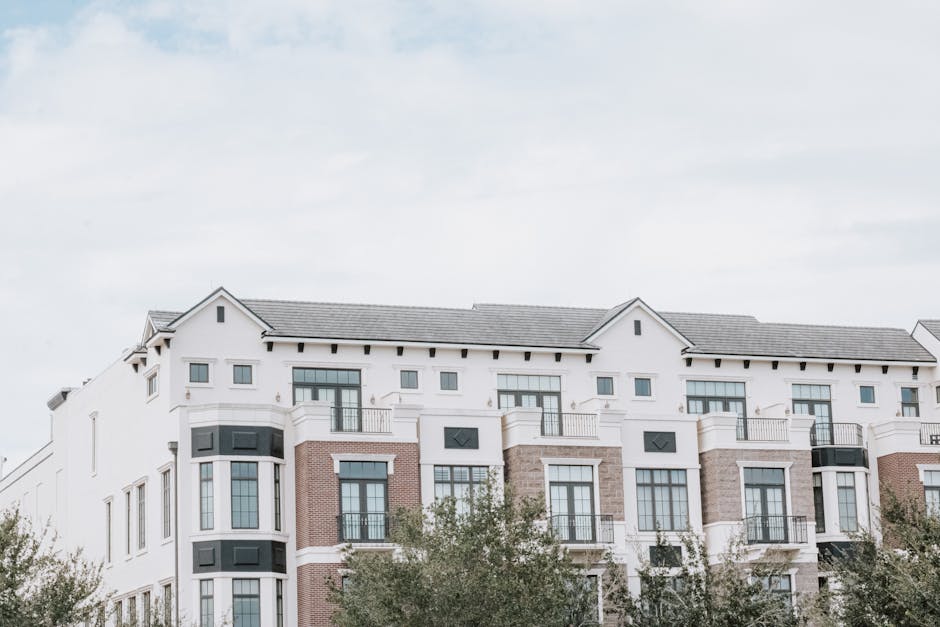
The high-end vertical living sector in Tampa is still in its early stages compared to established markets like Miami or West Palm Beach. This creates a unique window for investors and residents who prefer the low-maintenance profile of a managed building without the over-saturation often found in more mature cities. According to Tampa Bay Business & Wealth, the city remains an early-stage luxury condo market, which suggests significant upside as the downtown core continues its expansion. The focus for new developments has shifted toward ‘ultra-boutique’ projects—buildings with fewer than thirty units that offer a level of privacy and concierge service previously unavailable in the area.
Prospective residents are increasingly scrutinizing the underlying financial health of condominium associations and the long-term viability of management contracts. In the 2026 market, a luxury condo is judged by its ‘wellness’ infrastructure, including advanced air filtration, private elevator vestibules, and acoustic privacy. Buyers are moving away from the large-scale amenities that characterized the previous decade, favoring bespoke services that cater to a remote-executive lifestyle. This shift is particularly evident in the South Tampa corridor, where the demand for high-end vertical options is outstripping the pace of delivery, leading to strong pre-construction activity even in a higher-rate environment.
When comparing vertical living to traditional single-family estates, the decision-making process often hinges on the trade-off between land ownership and lifestyle convenience. Many affluent buyers are now opting for a ‘lock-and-leave’ lifestyle, maintaining a condo in Tampa while holding other assets elsewhere. This diversification of the residential portfolio has kept the condo market resilient. However, advisors emphasize the importance of verifying the developer’s track record and the quality of the building’s envelope. In a climate where humidity and salt air are constant variables, the technical specifications of a building’s exterior are as important as the interior finishes. It is this analytical approach that separates successful acquisitions from those burdened by future assessments.
High-Value Single-Family Enclaves
Neighborhood selection in Tampa has become more nuanced as the city grows. While South Tampa remains the primary focus for many due to its proximity to the business district and high-performing schools, we are seeing a strategic migration toward North Tampa enclaves that offer larger lot sizes and a more secluded environment. Properties like those on Florida Avenue or the more rural Gardner Road offer a different value proposition: the ability to create a self-contained family compound. This trend is driven by a desire for privacy and a preference for custom-built architecture that reflects a more modern, European-inspired aesthetic rather than the traditional Mediterranean styles of the past.
The valuation of these inland estates is increasingly tied to the ‘lifestyle radius’—the ease of access to high-end dining, private aviation facilities, and major cultural centers. Even as new areas emerge, the historical prestige of Hyde Park and Sunset Park continues to support a high floor for property values. The market has seen a significant number of off-market transactions in these areas, where long-term owners are exiting their positions and new capital is moving in to perform extensive renovations. This ‘renewal’ cycle ensures that the architectural standards of the neighborhood remain high, even as the age of the original structures increases. For a buyer, this means that an older home on a prime lot may offer a better long-term return than a newer build in a less established area.
Market participants should also monitor the movement of high-profile real estate teams, such as the Nick Janovsky Group, which recently launched with Premier Sotheby’s International Realty. The consolidation of expert talent signals a market that requires deep local connections and a sophisticated marketing approach. When searching for luxury homes for sale, it is vital to have an advisor who understands these micro-market dynamics and can identify value before it is widely recognized. The average list price of over $3.2 million reflects a market that is increasingly catering to an ultra-wealthy demographic, making the need for specialized guidance more critical than ever.
Strategic Risk Mitigation for the Luxury Buyer
Acquiring a high-value asset in the current environment requires a more rigorous due diligence process than in years past. The increase in regulatory oversight and the complexity of modern building codes mean that the physical inspection is only the first step. Investors must now consider the legal and environmental landscape, ensuring that their acquisition is protected from future legislative changes or insurance market volatility. The goal is to move beyond the aesthetic appeal of a property and understand its performance as a financial instrument.
- Verify the structural integrity of the seawall and dockage, including recent depth soundings for larger vessels.
- Analyze the flood mitigation features of the property, focusing on elevation certificates and internal drainage systems.
- Assess the age and efficiency of all mechanical systems, prioritizing those with smart-home integration and energy-efficient ratings.
- Review the historical architectural plans to ensure all modifications were permitted and executed according to current codes.
- Investigate any pending municipal developments or traffic improvements that may impact neighborhood density or privacy.
- Evaluate the neighborhood’s security infrastructure, including gated access and private security patrols.
By following this framework, buyers can avoid the common pitfalls of emotional purchasing. The market in 2026 rewards those who take a disciplined, data-first approach to their real estate holdings. Whether you are looking at a contemporary estate or a historic renovation, the principles of value remain the same: location, build quality, and future utility. It is this focus on fundamentals that has allowed the Tampa luxury market to grow stronger despite national declines, as reported by The Business Journals. While other cities face inventory overhangs, Tampa’s limited supply of premium land continues to act as a hedge against volatility.
Resilience and National Market Positioning
Tampa’s relative strength in the national real estate landscape is not a matter of luck; it is a result of sustained economic diversification. The city has moved beyond its reputation as a retirement destination to become a hub for technology, finance, and specialized healthcare. This professional migration has brought a new cohort of buyers who are less sensitive to interest rate fluctuations and more focused on quality of life and long-term asset appreciation. Data from Florida Trend suggests that the state’s real estate fundamentals remain some of the strongest in the country, with Tampa frequently leading the state in net migration of high-earning households.
This influx of capital is also evident in the commercial and cultural developments surrounding the luxury residential corridors. The expansion of high-end retail and the proliferation of Michelin-recognized dining have elevated the city’s profile on a global stage. Buyers are no longer just looking for a home; they are looking for an ecosystem that supports their personal and professional lives. This is why the ‘live-work-play’ model is becoming increasingly relevant in the luxury sector, with Davis Islands and South Tampa serving as prime examples of how walkability and proximity to high-end amenities drive property values.
For those observing the market from a distance, the record-breaking sales of 2025 serve as a clear indicator of the city’s upward trajectory. As noted by the Tampa Bay Times, the region’s most expensive sales in 2025 set new benchmarks for price per square foot, particularly in the waterfront segments. These transactions represent a vote of confidence from some of the world’s most discerning investors. As we look ahead, the strategy for 2026 should be one of patient accumulation, focusing on assets that offer a unique combination of historical significance and modern performance.
Future-Proofing and Final Assessment
Deciding between the various luxury enclaves in Tampa requires a balance of analytical rigor and personal preference. For those prioritizing education and community, the streets of South Tampa and the mature landscapes of Palma Ceia offer a sense of stability that is hard to replicate. For those seeking a more expansive, private lifestyle, the larger estates in North Tampa and Westchase provide the space and solitude required by today’s modern executive. The key is to recognize that Tampa is no longer a monolith; it is a collection of distinct micro-markets, each with its own growth trajectory and risk profile.
The maturation of the market also means that the window for ‘opportunistic’ buying is narrowing. As the city continues to densify, the value of land—especially waterfront land—will only increase. Future-proofing your investment means looking for properties that can adapt to changing lifestyles, whether that means having the space for a dual home office or the infrastructure to support advanced electric vehicle charging. The luxury home of 2026 is an integrated system, designed to provide comfort, security, and a seamless connection to the broader world.
As you evaluate your next move in the Tampa market, the importance of a private advisor cannot be overstated. Navigating the complexities of high-value transactions requires a partner who can provide deep-level insights and a direct line to off-market opportunities. To begin your search or to receive a tailored analysis of your current property’s position, we invite you to browse our curated listings or contact one of our senior advisors for a confidential consultation. In a market defined by precision and exclusivity, the right information is your most valuable asset.
Your next move in Tampa luxury
Get current inventory, pricing guidance, and private-tour support from our brokerage team.
Source highlights
- Tampa Bay’s most expensive luxury home sales of 2025 – Tampa Bay Times
- Tampa Bay luxury market grows stronger despite national declines – The Business Journals
- Why Tampa remains an early-stage luxury condo market – Tampa Bay Business & Wealth
- Tampa Bay’s Waterfront Emerges as a Primary Luxury Real Estate Market – The National Law Review
- Florida Trend Real Estate – Florida Trend
- New Signature Real Estate Team Emerges Across Tampa Bay: The Nick Janovsky Group Launches with Premier Sotheby’s International Realty – citybiz
- Things To Do In Tampa This Weekend: Best Festivals & Events Going On – That's So Tampa
- Tampa weekend events: Concerts, festivals and downtown family fun — What to know before you go – FOX 13 Tampa Bay



