


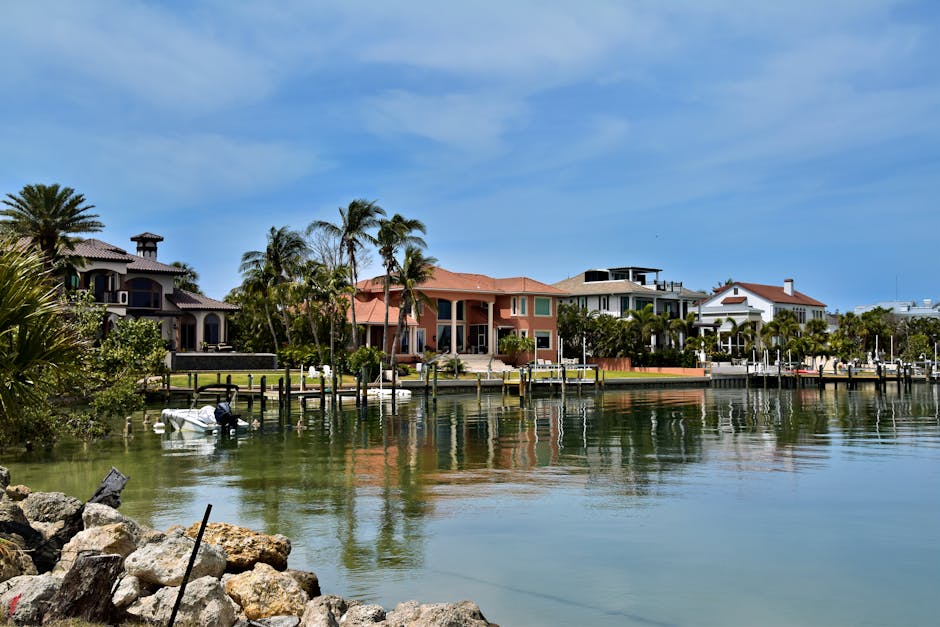
The Emergence of Tampa as a Primary Luxury Investment Capital
Tampa’s real estate landscape has undergone a fundamental transformation, moving from a secondary growth market to a primary destination for high-net-worth individuals. This shift is characterized by a record-breaking $675 million surge in investment, signaling a level of market maturity that competes directly with established Florida hubs. The current inventory of approximately 120 active luxury listings, with a median list price of $2,500,000, reflects a stabilized environment where value is increasingly tied to neighborhood-specific infrastructure and long-term utility rather than speculative hype.

Buyers are no longer just looking for a seasonal retreat; they are seeking primary residences that offer a sophisticated urban experience combined with the privacy afforded by historic neighborhoods. This maturation is supported by a significant increase in high-value transactions, as noted in recent reports on Tampa Bay’s most expensive luxury home sales. These transactions demonstrate a consistent appetite for assets that provide both architectural significance and proximity to the city’s expanding commercial and cultural nodes.
As the market evolves, the definition of luxury in Tampa has expanded. While traditional waterfront estates remain the gold standard, there is a growing segment of the market focused on high-density luxury in the urban core. Advisors now look at the city as a collection of micro-markets, each with its own velocity and barrier to entry. Understanding these nuances is critical for any buyer aiming to secure an asset that will maintain its premium status over the next decade.
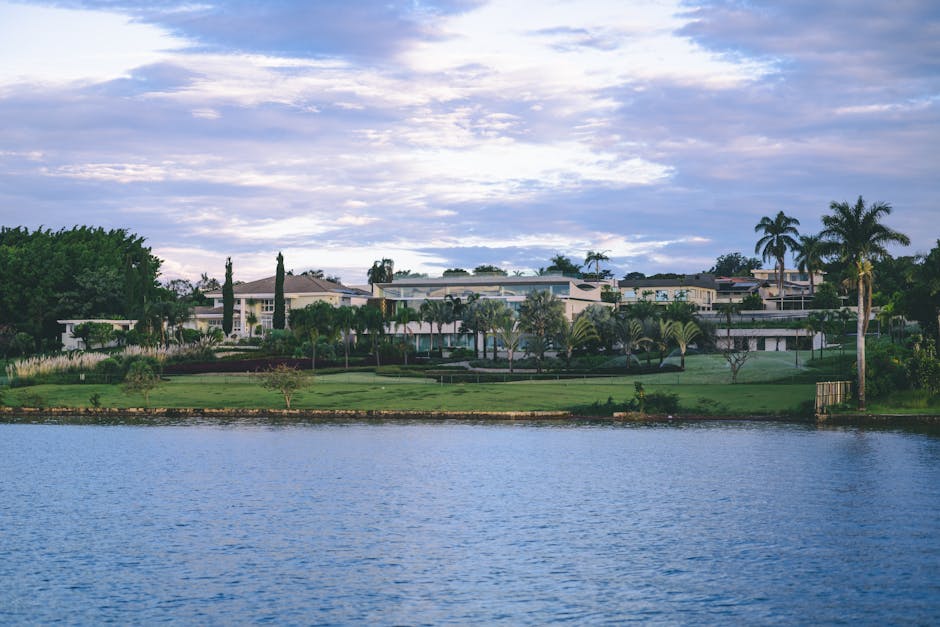
Strategic Analysis of the Waterfront and Riparian Assets
Waterfront property remains the most resilient segment of the Tampa market, but the criteria for selection have become more technical. The emergence of the waterfront as a primary luxury market has led to increased scrutiny of seawall integrity, elevation levels, and riparian rights. Modern buyers are prioritizing newer builds or fully renovated estates on Davis Islands and along Bayshore Boulevard, where the inventory often commands prices well above the $3,276,037 average list price seen in the broader luxury segment.
The demand for waterfront access is driven by a finite supply of land and a growing preference for deep-water docks capable of accommodating larger vessels. Locations like Culbreath Isles and Beach Park continue to see high interest due to their secure environments and direct access to Tampa Bay. Industry analysis from The National Law Review highlights how these areas have transitioned into primary residential choices for executives and investors relocating from higher-tax jurisdictions.
For those considering a waterfront acquisition, the decision-making process must involve a detailed assessment of the property’s relationship with the water. This includes verifying dock permits and understanding the long-term maintenance requirements of seawalls. In an environment where land is scarce, the value of the lot often matches or exceeds the value of the structure, making the site’s physical characteristics the most important factor in the investment brief.
The Vertical Evolution: Understanding the Early-Stage Condo Market
Tampa is currently in what experts call an early-stage luxury condo market. Unlike South Florida, where high-rise living has been the norm for decades, Tampa’s vertical growth is a more recent phenomenon centered around Water Street and the Downtown core. This provides a unique window for buyers to enter a market that is still defining its upper limits. The appeal of these residences lies in their integrated service models and proximity to the city’s financial and entertainment districts.
According to Tampa Bay Business & Wealth, the development of luxury high-rises has been a response to a demographic shift toward lock-and-leave convenience without sacrificing square footage or high-end finishes. This segment of the market is particularly attractive to buyers who want to be steps away from the cultural events and festivals that define the downtown experience. However, the diligence required for condo acquisitions is distinct from single-family homes, focusing heavily on HOA health and building amenities.
When comparing high-rise options, advisors suggest looking beyond the initial aesthetic and evaluating the building’s reserve funds and the developer’s track record. As more inventory comes online, the units that will hold the most value are those in buildings that offer comprehensive lifestyle services, such as 24-hour concierge, private wellness centers, and exclusive dining access. This trend towards hospitality-driven residential design is a key indicator of where the market is heading.
Critical Diligence for Tampa Luxury Acquisitions
Acquiring a high-end property in Tampa requires a multi-layered approach to due diligence. Beyond the standard inspection, buyers must evaluate the property’s position within the local economic context and its vulnerability to environmental shifts. The following checklist outlines the essential steps for a senior-level acquisition strategy:
- Verify riparian rights and dockage permits for all waterfront parcels.
- Review the most recent seawall inspection and structural elevation certificates.
- Analyze the HOA reserve study for any high-rise or gated community.
- Project long-term tax assessments following the transfer of high-value titles.
- Assess local traffic patterns and future infrastructure projects in the immediate area.
- Evaluate the property’s history of renovations to ensure all permits were properly closed.
Following this structured approach ensures that the acquisition is not just a lifestyle choice but a sound financial move. The complexity of the Tampa market means that generalist advice is often insufficient. Buyers should lean on data-backed insights to navigate the specifics of neighborhoods like Hyde Park or the newer luxury pockets in Westshore.
Neighborhood Dynamics: From Historic Hyde Park to New Westshore
Hyde Park remains one of Tampa’s most coveted neighborhoods, offering a blend of historic charm and modern retail convenience. The walkability of this area, combined with its tree-lined streets and proximity to the waterfront, maintains a high level of demand even when inventory is tight elsewhere. In Hyde Park, luxury is defined by the quality of the restoration and the preservation of architectural character, making it a favorite for those who value heritage and community feel.
Conversely, areas like Westshore and the neighborhoods surrounding Florida Avenue are seeing a rise in contemporary luxury builds. These properties often feature larger lot sizes and modern architectural styles that appeal to a younger demographic of professionals. This geographic diversification is a sign of a healthy market, as noted in the Business Journals, which reports that Tampa’s luxury market has remained strong despite national fluctuations. The ability for different neighborhoods to cater to varied buyer profiles is a significant strength of the local ecosystem.
Strategic buyers often compare these established neighborhoods with emerging pockets like Troutwater Lane or Gardner Road, where larger estates offer more privacy and land. Each area requires a different lens: Hyde Park is about location and lifestyle, while the inland estates are about scale and seclusion. Navigating these choices requires a clear understanding of personal priorities and how each neighborhood fits into a broader real estate portfolio.
Comparative Value and Macroeconomic Resilience
One of the most compelling aspects of the Tampa market is its comparative value. When stacked against markets in South Florida or the Northeast, Tampa offers a higher quality of life and more substantial real estate assets for the same level of investment. This “relative affordability” at the top end of the market has been a major driver for the influx of out-of-state capital. Investors are finding that their dollar goes further in Tampa, allowing for larger homes and more expansive grounds without sacrificing luxury standards.
The macroeconomic resilience of the region is further bolstered by Florida’s favorable tax environment and the consistent growth of the local job market. Reports from Florida Trend highlight that the sustained interest in the Gulf Coast is not a temporary trend but a long-term relocation of wealth. This stability provides a level of confidence for buyers who are concerned about market volatility. In Tampa, the luxury sector is supported by a diversified economy that includes healthcare, finance, and technology, reducing the reliance on any single industry.
Decision-useful guidance for the 2026 buyer involves looking at the velocity of sales in the $2,000,000 to $5,000,000 range. This bracket remains the most active, suggesting a solid floor for values. As long as inventory remains controlled and the migration of high-earners continues, the outlook for Tampa luxury real estate remains positive, favoring those who act with a clear understanding of the market’s underlying data.
Integrating Lifestyle with Strategic Asset Management
For the affluent buyer, a home in Tampa is more than just a residence; it is a gateway to a specific lifestyle that integrates professional sports, world-class dining, and maritime activities. The synergy between high-end real estate and the city’s cultural infrastructure is a key component of its appeal. Whether it is attending a championship game or participating in a major local festival, the lifestyle here is active and engaged. This connectivity is a major draw for families and professionals alike.
Ultimately, deciding where to buy in Tampa comes down to how you intend to use the space. A waterfront estate on Davis Islands offers a different daily experience than a penthouse in Water Street. Advisors recommend spending time in each micro-market to understand the cadence of the neighborhood before making a commitment. The maturity of the market means there are no longer any “bargains,” but there are significant opportunities for those who can identify assets with unique characteristics or superior locations.
To navigate this landscape effectively, you need an advisor who understands the nuances of the local market and can provide the data necessary to make an informed decision. Whether you are looking for a historic estate or a modern waterfront masterpiece, the current inventory offers a range of options for the discerning buyer. We invite you to explore the latest curated LISTINGS URL and CONTACT URL an advisor today to discuss your specific requirements and begin your search for a premier Tampa residence.
Your next move in Tampa luxury
Get current inventory, pricing guidance, and private-tour support from our brokerage team.
Source highlights
- Tampa Bay’s most expensive luxury home sales of 2025 – Tampa Bay Times
- Tampa Bay luxury market grows stronger despite national declines – The Business Journals
- Why Tampa remains an early-stage luxury condo market – Tampa Bay Business & Wealth
- Tampa Bay’s Waterfront Emerges as a Primary Luxury Real Estate Market – The National Law Review
- Florida Trend Real Estate – Florida Trend
- Inside Tampa’s $675 Million Surge: How the City Became Florida’s New Luxury Investment Capital – hauteresidence.com
- Things To Do In Tampa This Weekend: Best Festivals & Events Going On – That's So Tampa
- BTS in Tampa: Guide to road closures, traffic, merch and more – wtsp.com



