



The Structural Shift of the Tampa Luxury Sector
The Tampa Bay luxury corridor is no longer defined by seasonal activity or speculative growth. Over the last twenty-four months, the region has solidified its position as a primary luxury investment capital, fueled by a $675 million surge in high-end capital inflow. This transition is characterized by a fundamental change in buyer behavior, moving away from discretionary secondary residences toward permanent, high-utility estates that serve as the anchor for multi-generational wealth and professional operations.

Sophisticated buyers are increasingly prioritizing the West Coast of Florida for its structural stability and the relative value compared to South Florida markets. While the median list price for luxury assets in the region now sits at $2,500,000, the entry point for truly exceptional waterfront or historic South Tampa properties often exceeds $5,000,000. This pricing reflects a mature market where inventory is closely held and architectural integrity is rewarded with significant premiums. You can track current market movement by reviewing the latest luxury homes for sale to understand how pricing correlates with specific neighborhood amenities.
According to recent analysis from Haute Residence, the city has become a magnet for significant private investment, outperforming many national peers. This influx of capital is not merely inflating prices but is actively reshaping the urban fabric through large-scale developments that integrate residential, commercial, and wellness components. For the private advisor, the focus has shifted from finding ‘deals’ to identifying assets with long-term defensive qualities and superior construction standards.
Neighborhood Dynamics and Architectural Integrity
In the current landscape, South Tampa remains the epicenter of traditional luxury, specifically within the established enclaves of Hyde Park and Palma Ceia. Here, the value proposition is rooted in historical continuity and proximity to the city’s most prestigious private educational institutions. Buyers in these areas typically prioritize ‘walkability’ and architectural authenticity, favoring either meticulously restored Mediterranean Revival estates or modern builds that respect the existing scale and character of the streetscape. The market here is tight, with many of the most desirable assets trading off-market or within private networks.
Conversely, the newer developments in the Westshore and Midtown corridors offer a different utility. These properties often feature larger lot sizes and more expansive floor plans that cater to the modern ‘work-from-home’ executive who requires dedicated office suites and integrated smart-home technologies. The competition for these modern builds is intense, as they represent the most liquid segment of the non-waterfront market. Understanding these micro-market nuances is critical for any acquisition strategy, as the difference between a high-performing asset and a stagnant one often comes down to the specific block or developer reputation.
The evolution of these neighborhoods is a key indicator of the city’s broader economic health. As noted by The Business Journals, the luxury market in the region continues to grow stronger even as national trends show signs of cooling. This resilience is a testament to the localized demand drivers that are unique to the West Coast of Florida, including a favorable tax environment and a high standard of living that continues to attract high-net-worth individuals from the Northeast and Midwest.
The Waterfront Premium and Coastal Resilience
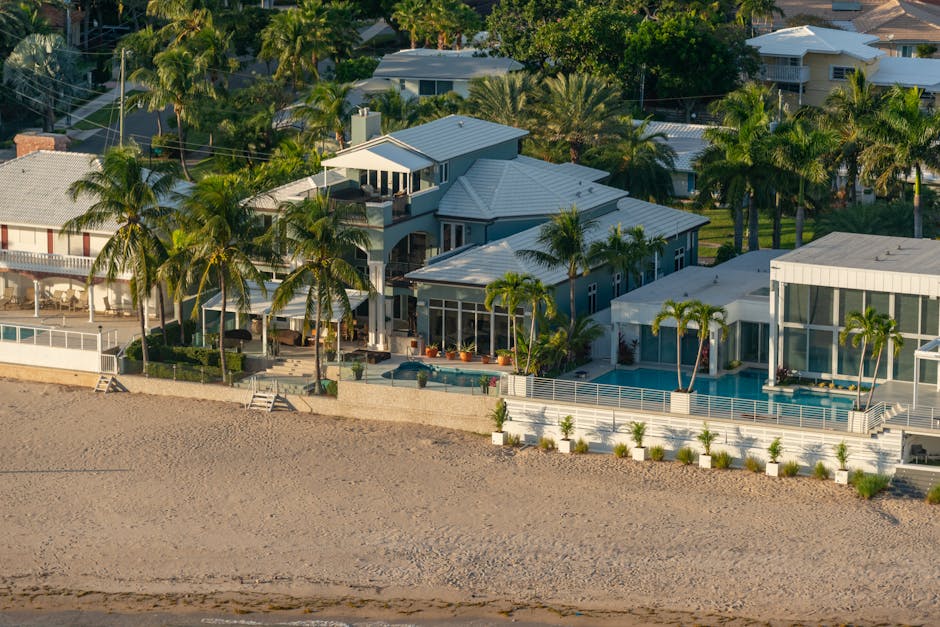
Waterfront assets on Davis Islands and Harbor Island represent the pinnacle of the local market, commanding the highest price-per-square-foot metrics in the region. However, these acquisitions require a more rigorous due diligence process than inland properties. The ‘primary market’ status of the waterfront is a relatively new phenomenon, driven by the desire for deep-water access and expansive views of Hillsborough Bay. Buyers must evaluate seawall integrity, riparian rights, and elevation certifications as foundational elements of the purchase, rather than secondary considerations.
As the National Law Review points out, the waterfront has emerged as a primary market for high-end buyers who are increasingly sophisticated about the legal and environmental aspects of coastal ownership. This means that assets with modern mitigation features—such as reinforced seawalls and elevated living spaces—carry a significant premium. The scarcity of buildable waterfront land ensures that these properties remain the most coveted and least volatile assets in a diversified real estate portfolio.
Beyond the physical structure, the lifestyle utility of Davis Islands is unmatched. With its private airport and yacht club, the island offers a level of seclusion and convenience that appeals to high-profile residents. The market velocity for waterfront estates is high; even with the current average list price exceeding $3.2 million, truly unique bayfront properties often receive multiple offers within the first week of listing. Buyers must be prepared to move decisively when an asset meets their specific criteria for water depth and exposure.
Strategic Checklist for High-Value Acquisitions
Acquiring a luxury asset in the current environment requires a systematic approach to verification. Before moving to the contract phase, buyers should ensure their advisory team has completed the following assessments:
- Verification of seawall age and structural integrity for all bayfront or canal-front assets.
- Review of FEMA elevation certificates and impact on long-term insurance premiums.
- Assessment of ‘smart home’ infrastructure and its ability to be upgraded for future technological shifts.
- Analysis of recent comparable sales within a tight half-mile radius to ensure pricing alignment.
- Investigation of any pending neighborhood infrastructure projects or zoning changes.
- Audit of HOA governance and reserve funds for high-rise or gated community acquisitions.
Each of these points serves as a layer of protection for the buyer’s capital. In a market where 120 luxury units may be active at any given time, the ability to quickly filter out assets with underlying liabilities is what separates successful investors from those who face post-closing surprises. The goal is to secure an asset that not only provides an exceptional living experience but also maintains its liquidity in various market cycles.
The Managed Lifestyle: Condo Market Maturity
While single-family estates remain the preference for many, the managed luxury condo market in Downtown and Water Street has reached a new level of maturity. Projects like the Ritz-Carlton Residences and the various offerings within the Water Street district have introduced a ‘vertical estate’ concept to the city. These properties cater to buyers who prioritize 24-hour concierge services, advanced security, and resort-style amenities over the maintenance requirements of a traditional land-based home. This segment has seen rapid absorption, particularly among those downsizing from larger estates or seeking a low-maintenance city pied-à-terre.
The value in this sector is driven by the brand and the quality of the management. As discussed by Tampa Bay Business & Wealth, the region is still in the early stages of its luxury condo evolution. This suggests that there is significant room for appreciation as the urban core continues to densify and attract more high-end retail and dining options. For the buyer, the decision often comes down to the trade-off between the privacy of a private lot and the convenience of a managed environment.
Furthermore, the integration of wellness-focused design in these new developments is a significant draw. Features like advanced air filtration systems, circadian lighting, and dedicated wellness centers are becoming standard in the ultra-luxury segment. Buyers are no longer just purchasing square footage; they are investing in an ecosystem that supports their health and productivity. This trend is likely to continue as more developers look to differentiate their offerings in an increasingly competitive vertical market.
Market Velocity and Inventory Realities
Data from Florida Trend indicates that while inventory levels have seen a slight increase, the ‘quality inventory’—homes that are move-in ready and architecturally relevant—remains scarce. This scarcity creates a floor for pricing in the most desirable neighborhoods. Buyers who are waiting for a significant market correction may find themselves excluded from the best opportunities as the region’s population of high-net-worth residents continues to grow. The current market dynamics favor those with a long-term horizon and the ability to execute quickly on well-positioned assets.
Inventory management is particularly tight in the sub-market of Beach Park and Sunset Park, where the replacement cost of homes often exceeds the current market value of older structures. This leads to a cycle of teardowns and new construction that keeps the average age of homes in the luxury segment relatively low. For a buyer, this means a higher likelihood of finding a property with modern systems and current building code compliance, which reduces long-term ownership costs and improves the overall quality of the investment.
Ultimately, the Tampa luxury market is defined by its stability. Unlike more volatile markets, the growth here is supported by a diversifying economy and a genuine desire for the Florida Gulf Coast lifestyle. Whether you are looking for a historic estate in South Tampa or a modern waterfront masterpiece on Davis Islands, the key is to have a clear understanding of your priorities and a team that can provide the data necessary to make an informed decision. The path to a successful acquisition starts with an objective analysis of the current landscape and a commitment to quality over quantity.
Navigating the complexities of this market requires more than just access to the MLS; it requires a strategic partner who understands the nuances of private acquisitions and the long-term implications of each asset. To begin your search or to discuss the specific requirements for your next acquisition, we invite you to browse our curated luxury listings or contact an advisor for a private consultation. Our team is dedicated to providing the analytical brief you need to secure a property that aligns with your financial and lifestyle objectives.
Your next move in Tampa luxury
Get current inventory, pricing guidance, and private-tour support from our brokerage team.
Source highlights
- Tampa Bay’s most expensive luxury home sales of 2025 – Tampa Bay Times
- Tampa Bay luxury market grows stronger despite national declines – The Business Journals
- Why Tampa remains an early-stage luxury condo market – Tampa Bay Business & Wealth
- Tampa Bay’s Waterfront Emerges as a Primary Luxury Real Estate Market – The National Law Review
- Florida Trend Real Estate – Florida Trend
- Inside Tampa’s $675 Million Surge: How the City Became Florida’s New Luxury Investment Capital – hauteresidence.com
- Things To Do In Tampa This Weekend: Best Festivals & Events Going On – That's So Tampa
- BTS in Tampa: Guide to road closures, traffic, merch and more – wtsp.com



