


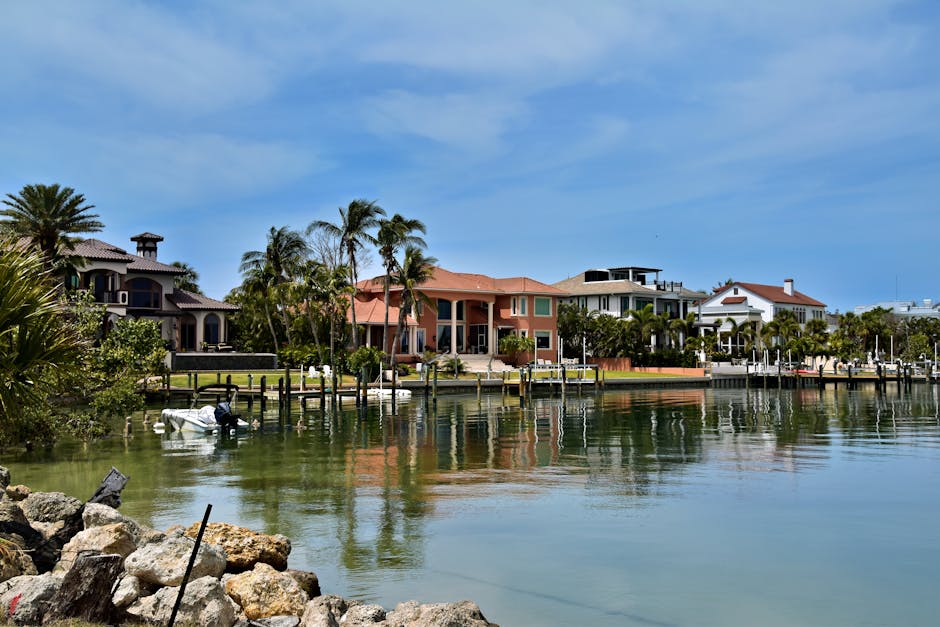
The Primary Residence Shift in Tampa’s Luxury Sector
The trajectory of the Tampa market suggests a fundamental realignment in how high-net-worth individuals perceive the region. Historically regarded as a secondary or seasonal destination, the local landscape has transitioned into a primary residential hub. This shift is driven by a sophisticated buyer profile looking for permanent roots in established enclaves like Davis Islands and Hyde Park. The influx of executive-level professionals seeking proximity to the downtown business core while maintaining the privacy of a gated or waterfront estate has recalibrated demand for properties with substantial square footage and modern amenities.
Data indicates that Tampa Bay’s waterfront is emerging as a primary luxury market, competing directly with established global hubs. Buyers are no longer merely seeking a vacation retreat; they are investigating the long-term viability of assets in neighborhoods that offer a balance of coastal access and urban infrastructure. This maturation is evident in the increased scrutiny applied to architectural standards and the demand for turnkey residences that mirror the quality found in major metropolitan centers. The resilience of the local market is a reflection of this broader commitment from a discerning clientele.
As inventory levels hover around 120 active luxury listings, the competition for premier parcels remains focused on location-specific attributes. Whether evaluating a residential estate or a significant land acquisition, the emphasis has moved toward assets that provide a clear value proposition in a low-inventory environment. Sophisticated investors are tracking the movement of capital into the region, recognizing that the current average list price of $3,276,037 reflects a stabilized market rather than a speculative bubble. This stability provides a confident foundation for those ready to commit to the Tampa region for the long term.

The Maturation of the Luxury Condo and High-Rise Market
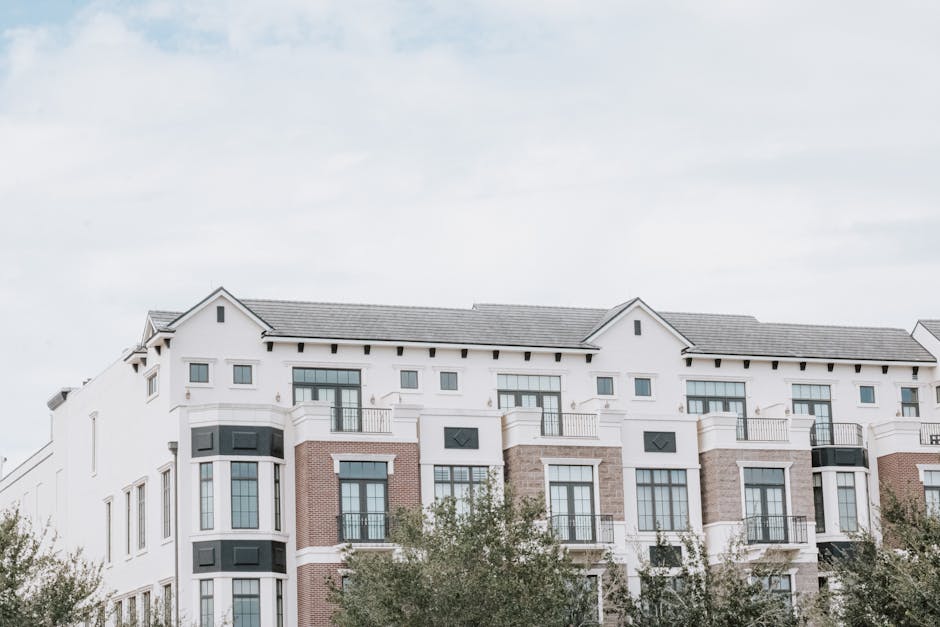
For decades, the high-end residential landscape in Tampa was dominated by single-family estates in South Tampa. However, the current cycle has introduced a significant high-rise component that caters to a different, yet equally affluent, demographic. The rise of integrated luxury developments in areas like Water Street and the Westshore district has created a vertical neighborhood concept that appeals to those prioritizing convenience and low-maintenance ownership. This evolution is still in its early stages compared to more established markets, offering a unique window for early-stage investment in high-density luxury.
Analysts have noted why Tampa remains an early-stage luxury condo market, suggesting that the current inventory of modern units is only beginning to meet the sophisticated tastes of international and domestic buyers. These developments are not just about height; they are about providing a comprehensive suite of services, from concierge-led management to private wellness facilities. For the senior buyer advisor, the task is often to compare the privacy of a traditional home in Beach Park with the security and amenities of a penthouse, ensuring the client’s lifestyle requirements align with the property’s structural delivery.
The shift toward luxury condominiums is also a response to the scarcity of developable waterfront land. As prime coastal parcels become rarer, vertical living becomes a strategic necessity for those desiring a downtown vista or a sunset over the bay. This trend is visible in the recent surge of $675 million in luxury investments, signaling a high level of confidence from institutional and private capital. Navigating these options requires a nuanced understanding of developer track records and the long-term maintenance implications of high-density structures, factors that are critical to protecting equity in the years ahead.
Inventory Dynamics and Pricing Resilience
In a period where national real estate headlines often lean toward volatility, the Tampa luxury market has demonstrated a remarkable level of pricing resilience. With a median list price established at $2,500,000, the entry point for true luxury in the region has remained firm despite fluctuations in interest rates or broader economic indicators. This strength is largely attributed to the limited supply of high-quality inventory in the most desirable neighborhoods. When a property like 2 Troutwater Ln or a substantial parcel such as 7705 Gardner Road enters the market, it is met with targeted interest from buyers who have been monitoring specific streets and waterfront blocks for months.
The persistent demand is further validated by reports that Tampa Bay’s luxury market grows stronger despite national declines, illustrating the local economy’s ability to attract and retain wealth. Buyers are making decisions based on neighborhood-level implications rather than broad national trends. They are looking at the specific growth of the Tampa waterfront and the continued expansion of the Westshore business district as indicators of future value. This analytical approach to acquisition ensures that capital is deployed into assets with the highest probability of appreciation and utility.
Furthermore, the variety of property types—ranging from historical Mediterranean Revivals in Hyde Park to modern minimalist builds on the water—allows for a diversified portfolio within a single metropolitan area. The active inventory includes residential estates, commercial sales, and strategic land opportunities, catering to a broad spectrum of investment goals. To effectively navigate these choices, it is essential to browse current listings to understand the subtle differences in pricing between Gulf-facing properties and those located along the interior canals or in historic urban cores.
Strategic Due Diligence for Tampa Waterfront Acquisitions
Purchasing a high-end property in a coastal environment necessitates a more rigorous level of due diligence than a standard residential transaction. Beyond the aesthetic appeal of a residence, the structural and regulatory aspects of the land must be scrutinized to ensure long-term stability and compliance with evolving environmental standards. A private advisor’s role is to facilitate these investigations, coordinating with engineers and surveyors to verify the integrity of every component from the seawall to the roofline.
- Verification of FEMA elevation certificates and current flood zone designations to assess insurance requirements.
- Structural assessment of seawalls, docks, and boat lifts, particularly for properties on Davis Islands or Culbreath Isles.
- Review of neighborhood-specific architectural guidelines or historic preservation restrictions in areas like Hyde Park.
- Analysis of view corridor protections and the potential for neighboring developments to impact privacy or aesthetics.
- Evaluation of coastal construction control lines and local permitting history for any planned renovations or expansions.
The complexity of these checks is why sophisticated buyers prioritize data-backed guidance over emotional reactions. A property that appears flawless on the surface may have underlying challenges related to coastal erosion or outdated drainage systems. By systematically addressing each point in the due diligence process, buyers can mitigate risk and ensure that their acquisition serves as a secure anchor for their family’s future. This practical takeaway is what distinguishes a successful luxury transaction from one that results in unforeseen long-term costs.
Capital Inflow and the Rise of Tampa as an Investment Capital
The financial narrative surrounding the region has shifted as Tampa has become Florida’s new luxury investment capital. This transformation is not accidental; it is the result of sustained infrastructure development and a favorable business environment that has attracted significant corporate relocations. The $675 million surge in luxury investment highlights how the city has become a magnet for institutional players and private equity. This capital is flowing into high-end retail, hospitality, and residential sectors, creating a self-reinforcing cycle of growth that benefits property owners throughout the metropolitan area.
For the individual buyer, this means that the surrounding community is being enhanced by world-class amenities and services. The expansion of cultural institutions, private clubs, and high-end dining options in South Tampa and the Downtown core adds a layer of lifestyle value that is difficult to quantify but essential for a primary residence. Investors are also taking note of the commercial sale opportunities, recognizing that the growth in residential demand creates a corresponding need for boutique office space and luxury retail storefronts. This multifaceted growth ensures that the region remains competitive with other Florida markets like Miami or Palm Beach.
The resilience of the market is also seen in the high-profile transactions that define the top tier of inventory. By tracking Tampa Bay’s most expensive luxury home sales, one can see a pattern of significant investment in properties that offer unique architectural merit or irreplaceable waterfront positioning. These sales set the benchmark for the market and provide a clear indication of what the most discerning buyers are willing to pay for exclusivity and quality. Monitoring these movements is essential for any advisor helping clients make informed decisions about their own acquisitions.
Integration with the Local Community and Culture
Beyond the bricks and mortar, the decision to invest in Tampa luxury real estate is a decision to participate in a thriving local culture. The region’s calendar is filled with high-profile events that reflect its status as a premier destination for sports, arts, and entertainment. From the historic significance of the Gasparilla season to contemporary art festivals and professional sporting events, there is a constant pulse of activity that integrates the high-end residential communities with the broader city life. Buyers moving from other regions find that the transition is seamless due to the established social infrastructure and the welcoming nature of the local business community.
Understanding the local rhythm is part of the advisor’s role in finding the right fit for a client. For instance, knowing the best festivals and events going on in Tampa allows a buyer to see how a neighborhood like Seminole Heights or Hyde Park comes alive during the weekend. This connection to the community is often the deciding factor for those choosing between a secluded estate and a more centrally located residence. The ability to access world-class dining, boutique shopping, and cultural venues within minutes is a hallmark of the Tampa luxury experience, particularly in the South Tampa corridor.
The demographic of the Tampa buyer is also evolving to include more families and young professionals who value active lifestyle options. The proximity to the waterfront provides endless opportunities for boating, paddleboarding, and coastal recreation, while the city’s parks and trail systems offer land-based fitness and leisure. This integration of natural beauty and urban sophistication is what continues to drive interest in the region. As the city continues to host major national events and expand its cultural footprint, the long-term appeal of its luxury real estate remains undisputed.
Selecting the Right Advisor for High-Value Decisions
In a market as nuanced as Tampa’s, the quality of your guidance is as important as the quality of the property itself. The complexities of evaluating a multi-million dollar estate—from environmental factors to neighborhood growth projections—require a level of expertise that goes beyond standard market reports. A senior advisor provides the analytical brief necessary to compare properties across different enclaves, ensuring that your choice is backed by data and an intimate understanding of local movement. Whether you are looking for a turnkey residence or a parcel for a custom build, the strategy should always be focused on long-term value and architectural integrity.
As you evaluate your options in this maturing market, consider the implications of current inventory levels and the rising average list prices. The window for acquiring premier waterfront or high-rise assets is governed by the limited availability of the most desirable locations. To move from the intent phase to a successful acquisition, you must be prepared with a clear understanding of your priorities and the professional support necessary to execute a complex transaction. The transition of Tampa into a global luxury capital is well underway, and those who position themselves early in this cycle will benefit most from the city’s continued ascent.
To begin a discrete conversation regarding your specific residential requirements or to explore the current high-end inventory, we invite you to contact an advisor who specializes in the Tampa luxury sector. Our team provides the sophisticated perspective required to navigate this dynamic market, ensuring that every acquisition is managed with the precision and confidentiality that affluent buyers expect. Browse our curated selection of properties and let us help you identify the asset that best aligns with your goals for the future.
Your next move in Tampa luxury
Get current inventory, pricing guidance, and private-tour support from our brokerage team.
Source highlights
- Tampa Bay’s most expensive luxury home sales of 2025 – Tampa Bay Times
- Tampa Bay luxury market grows stronger despite national declines – The Business Journals
- Why Tampa remains an early-stage luxury condo market – Tampa Bay Business & Wealth
- Tampa Bay’s Waterfront Emerges as a Primary Luxury Real Estate Market – The National Law Review
- Florida Trend Real Estate – Florida Trend
- Inside Tampa’s $675 Million Surge: How the City Became Florida’s New Luxury Investment Capital – hauteresidence.com
- Things To Do In Tampa This Weekend: Best Festivals & Events Going On – That's So Tampa
- Things To Do In St Pete With Kids: Activities Today, This Weekend & Beyond – I Love the Burg



