



The Institutionalization of Tampa Luxury Investment
The Tampa metropolitan area has transitioned from a regional interest to a primary destination for global private capital. According to recent market analysis from Haute Residence, the city has seen a $675 million surge, cementing its status as Florida’s new luxury investment capital. This shift is driven by a fundamental change in buyer profiles, moving away from seasonal residents toward permanent relocations of high-net-worth individuals seeking tax efficiency and long-term asset preservation.
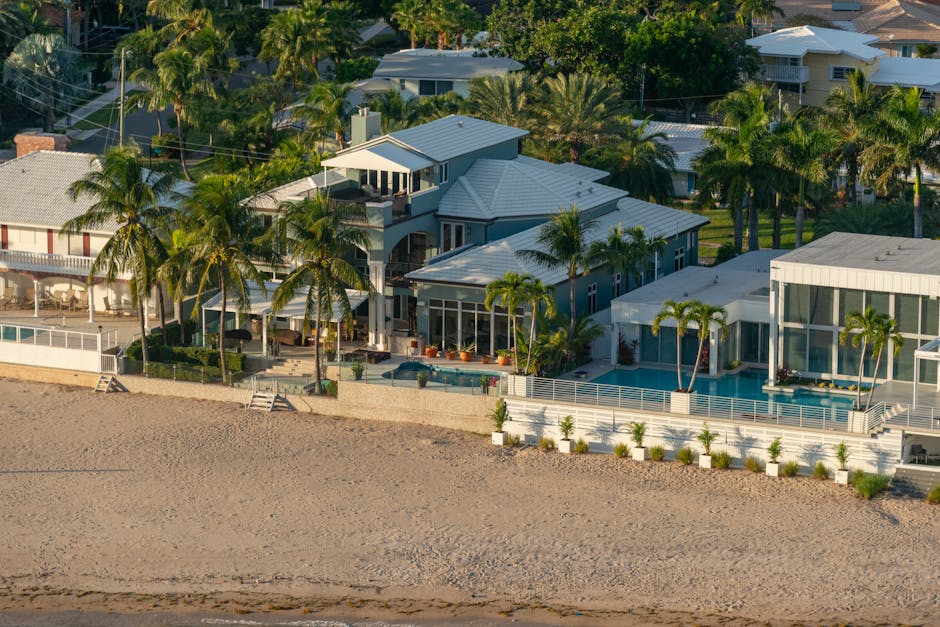
Unlike previous cycles, the current demand is characterized by low leverage and a high degree of sophisticated due diligence. Buyers are no longer merely seeking a residence; they are evaluating property as a core component of a diversified portfolio. This institutional-grade approach to residential acquisition has created a price floor that remains resilient even as national markets face broader headwinds. The maturity of the local infrastructure, from private aviation facilities to high-end medical hubs, supports this permanent capital migration.
Sophisticated investors are focusing on the tangible metrics of the region: consistent population growth among top-earning demographics and a limited supply of premier acreage. The current landscape is defined by a flight to quality, where properties with unique architectural merit or significant land value are commanding premiums that defy general market averages. For those evaluating the current listings for sale, the focus should remain on the underlying utility and the long-term scarcity of the specific location.
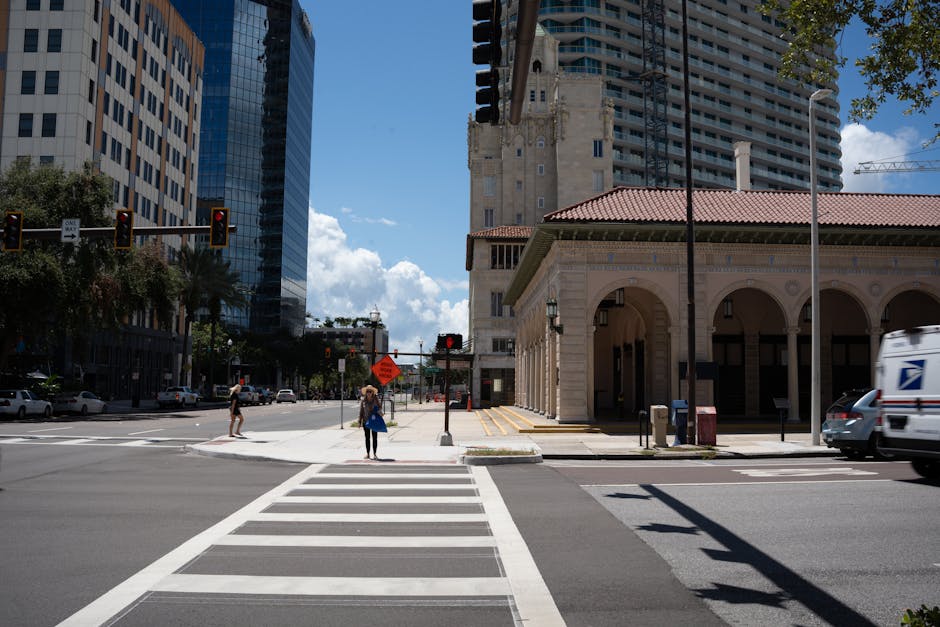
Waterfront Primacy and the New Coastal Standard
The emergence of Tampa’s waterfront as a primary luxury market has been a defining feature of the 2025 and 2026 seasons. As reported by The National Law Review, the coastal corridor is now competing directly with established markets like Naples and Miami for the highest-tier acquisitions. This is particularly evident in South Tampa and Davis Islands, where waterfront frontage is viewed as the ultimate hedge against inflation.
Waterfront inventory remains the most constrained segment of the market. Buyers are prioritizing properties that offer not just views, but direct deep-water access for larger vessels. The architectural standards for these new estates have evolved significantly, with a heavy emphasis on coastal resiliency and advanced structural engineering. This shift ensures that high-value assets are built to withstand the specific demands of the Gulf Coast environment while providing the privacy and security required by modern residents.
The valuation of these properties is increasingly decoupled from interior neighborhood trends. A deep-water lot in a premier area like Beach Park or on the open bay is a finite resource. Current inventory levels reflect this scarcity, with only 120 active luxury listings available across the metropolitan area. This low-inventory environment requires buyers to move with precision when a quality asset becomes available, often engaging in off-market negotiations to secure the most desirable positions.
Inventory Dynamics and Pricing Resistance
The current MLS snapshot provides a clear picture of the market’s upper echelon. With a median list price of $2,499,000 and an average price exceeding $3,247,000, the entry point for true luxury has shifted upward significantly. Notable recent activity includes estates such as 2 Troutwater Lane listed at $2,650,000 and 7705 Gardner Road at $3,000,000, illustrating the breadth of the market from suburban acreage to established residential corridors. This pricing reflects a broader trend of value consolidation in the city’s most established neighborhoods.
Despite national reports of market cooling, The Business Journals note that Tampa’s luxury sector continues to grow stronger. This resistance to national trends is largely due to the specific buyer demographics entering the market. These are often cash-heavy purchasers who are less sensitive to interest rate fluctuations and more focused on the long-term utility of the property. The relative value compared to other major Florida hubs remains a compelling part of the investment thesis.
Buyers should pay close attention to the absorption rates of properties priced above the $2 million mark. While lower-tier segments may see extended days on market, the high-end sector moves with surprising velocity for correctly priced, turnkey assets. The cost of construction for custom luxury builds has also remained high, which provides a natural support level for existing inventory prices. Purchasing an established, well-maintained estate often represents a more efficient use of capital than embarking on a multi-year development project in the current environment.
Critical Verification Steps for High-Value Acquisitions
- Verify coastal construction certifications and elevation certificates to ensure long-term resiliency and insurance efficiency.
- Assess the underlying land value separate from the structure, particularly in areas like Davis Islands and Beach Park.
- Audit any existing smart-home infrastructure and security systems for compatibility with current standards.
- Review the history of capital improvements to differentiate between cosmetic updates and structural enhancements.
- Confirm deep-water access and riparian rights for waterfront properties, including dock permits and dredging history.
- Evaluate the property’s proximity to primary private schools and healthcare centers to ensure long-term lifestyle utility.
Neighborhood Intelligence: Strategic Shifts in Location Preference
South Tampa remains the undisputed center of gravity for the region’s high-end market, but the specific pockets of interest are evolving. Davis Islands continues to attract those seeking a private, secure enclave with a small-town atmosphere, while Beach Park is seeing a resurgence among buyers looking for larger lots and established tree canopies. These neighborhoods offer a distinct value proposition that balances historical prestige with the modern requirements of a primary residence.
Further north, the corridor around North Florida Avenue and Seminole Heights is seeing a new wave of bespoke development, such as 6304 N Florida Avenue priced at $2,200,000. These areas represent an alternative for buyers who prioritize unique architectural styles and urban connectivity over traditional waterfront proximity. The expansion of the luxury footprint into these interior neighborhoods is a sign of the city’s maturing real estate ecosystem and a response to the scarcity of coastal land.
Strategic buyers are also looking at long-term infrastructure projects as a guide for future appreciation. The continued development of the downtown core and the expansion of the Riverwalk have created a halo effect, increasing the value of adjacent residential areas. When comparing different neighborhoods, it is essential to look beyond the current aesthetics and analyze the trajectory of local commerce and public investment. A neighborhood’s ability to sustain its value is directly linked to its integration with the city’s broader economic engine.
Vertical Living and the Mature Condo Market
The condo market in Tampa has reached a state of maturity that was previously non-existent. As discussed in Tampa Bay Business & Wealth, the city is no longer just an early-stage luxury condo market; it is now a destination for buyers who demand full-service amenities and the security of vertical living. This shift is particularly appealing to those who maintain multiple residences and require a low-maintenance lifestyle without sacrificing high-end finishes.
New vertical developments along Bayshore Boulevard and the Water Street district are redefining the skyline and the expectations of residents. These buildings offer levels of service—from 24-hour concierge to private wellness centers—that rival those found in New York or London. For many investors, these units represent a liquid asset that is easily managed and highly desirable for the burgeoning corporate relocation segment. The focus is on high-touch service and a seamless integration of living and working spaces.
When evaluating the condo market, the emphasis should be on the reputation of the developer and the health of the association’s reserves. In a maturing market, the long-term management of the building is just as important as the initial unit finishes. Sophisticated buyers are looking for buildings with a track record of stability and a community of residents that reflects their own professional and personal values. The shift toward higher density in the luxury sector is a natural progression for a city with limited geographic space for expansion.
Lifestyle Integration and Metropolitan Maturity
Tampa’s appeal is further bolstered by its robust cultural and social calendar, which has become a significant draw for the high-end buyer. According to That’s So Tampa, the city’s weekend events, festivals, and concerts create a metropolitan experience that rivals any major US city. From major K-Pop concerts to historic blues festivals, the availability of top-tier entertainment is a key metric for residents who prioritize a high quality of life alongside their real estate investments.
The culinary scene and professional sports presence also contribute to the city’s desirability. High-net-worth individuals are drawn to areas where they can enjoy a diverse range of activities within a short distance of their primary residence. This metropolitan maturity has turned the region into a “15-minute city” for many luxury enclaves, where dining, shopping, and entertainment are easily accessible. This accessibility is a major factor in the retention of residents and the continued demand for high-end housing.
The growth of the local economy, particularly in the tech and finance sectors, provides a sustainable backdrop for the real estate market. As more companies choose to relocate their headquarters or major operations to the area, the demand for executive-level housing will continue to outpace supply. This economic diversification ensures that the market is not overly dependent on any single industry, providing a level of stability that is highly valued by private investors. The integration of a high-end lifestyle with a thriving business environment makes the region a unique proposition in the current Florida landscape.
Navigating this complex market requires a nuanced understanding of neighborhood shifts and asset valuation. To ensure your next acquisition aligns with your long-term financial and personal objectives, it is essential to work with a dedicated advisor who understands the subtleties of the Tampa landscape. We invite you to browse our curated listings for sale to identify potential opportunities that meet your criteria. When you are ready to move from analysis to action, contact our advisory team to schedule a private consultation and gain a competitive advantage in this primary luxury market.
Your next move in Tampa luxury
Get current inventory, pricing guidance, and private-tour support from our brokerage team.
Source highlights
- Tampa Bay’s most expensive luxury home sales of 2025 – Tampa Bay Times
- Tampa Bay luxury market grows stronger despite national declines – The Business Journals
- Why Tampa remains an early-stage luxury condo market – Tampa Bay Business & Wealth
- Tampa Bay’s Waterfront Emerges as a Primary Luxury Real Estate Market – The National Law Review
- Florida Trend Real Estate – Florida Trend
- Inside Tampa’s $675 Million Surge: How the City Became Florida’s New Luxury Investment Capital – hauteresidence.com
- Things To Do In Tampa This Weekend: Best Festivals & Events Going On – That's So Tampa
- Tampa officials expect heavy traffic, tens of thousands of visitors over a packed K-Pop weekend – wtsp.com



